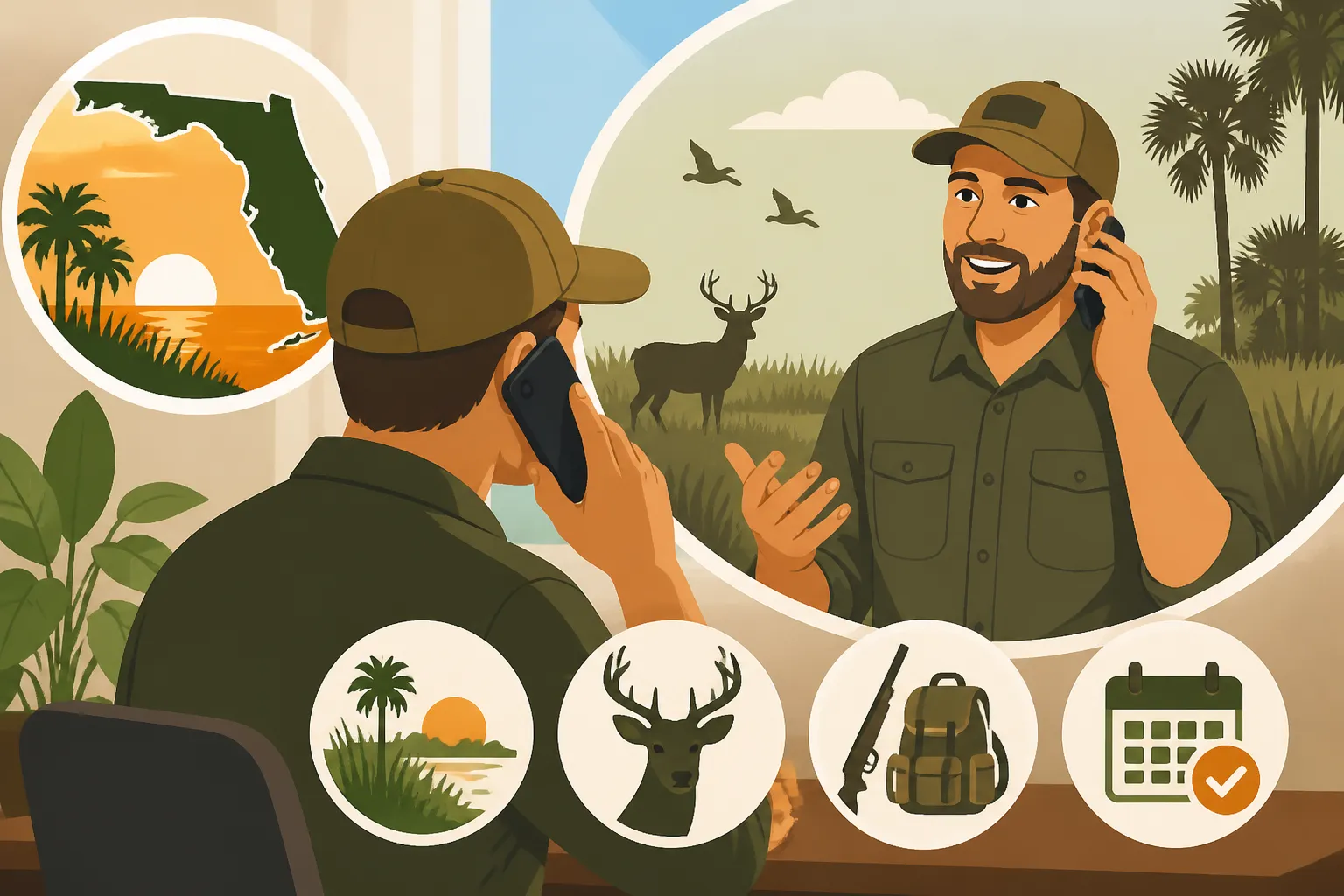
What a Consultation Call With an Outfitter Covers
Booking a hunting trip, especially in a diverse and opportunity-rich state like Florida, can feel like navigating a swamp blindfolded. There's so much information out there, and sifting through websites and promises can leave you more confused than enlightened. This guide is here to cut through that noise and help you understand exactly what to expect, and what to ask, during that crucial consultation call with a prospective outfitter, ensuring your Florida hunting adventure starts on the right foot.
Setting the Stage: Why a Consultation Call is Non-Negotiable
It’s easy to get swept up in the glossy pictures and enthusiastic testimonials on an outfitter’s website. You see the trophy animals, the smiling hunters, and the beautiful landscapes, and your imagination starts running wild. But that initial excitement, while valid, needs to be tempered with a healthy dose of practical inquiry. A website is a marketing tool, designed to attract you, and it simply cannot provide the granular detail and personalized assurances you need for a significant investment like a guided hunt.
Beyond the Website: Uncovering Deeper Details
Think of an outfitter's website as a compelling brochure. It gives you a great overview, maybe a price range, and a general idea of what they offer. But what about the specifics that actually make or break a hunt? Websites rarely tell you the guide-to-hunter ratio for your specific dates, or the exact type of terrain you'll be hunting for White-Tailed Deer Across Florida during the late season. They might mention "comfortable lodging," but that could mean a rustic cabin with bunk beds, or a private room with an ensuite bath. The consultation call is where you bridge that gap between generic descriptions and the concrete realities of your potential trip. It’s where you learn about the nuanced specifics that are tailored to your needs and preferences, such as if you prefer still-hunting versus more active tactics, or if specific gear will be required beyond the typical list. This is your chance to get answers that aren't pre-written.
Avoiding Misunderstandings and Hidden Costs
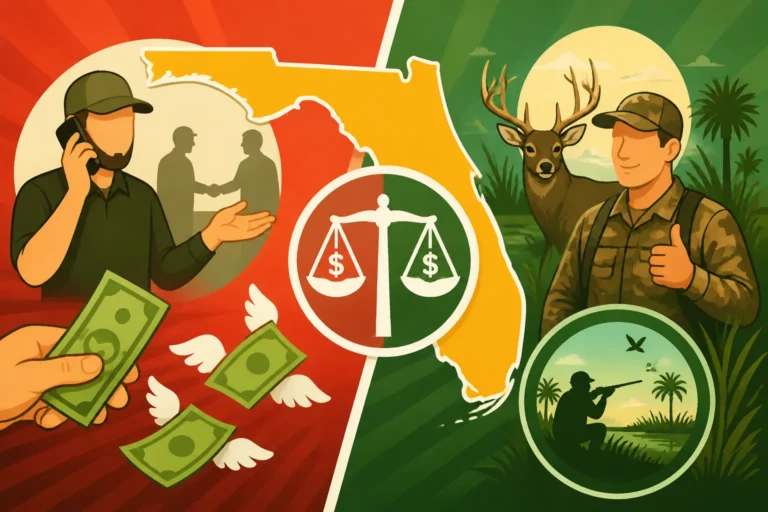
One of the biggest frustrations hunters face after booking a trip is the sudden appearance of "hidden" costs or services they assumed were included. Did the price include the processing of your wild hog, or are you responsible for that once it's down? Does "meals provided" mean gourmet dinners or basic camp fare you’ll heat up yourself? Are permits and licenses bundled, or is that another expense you need to factor in? Florida has a variety of permits, from general hunting licenses to special quota permits for certain WMAs, and even CITES tags for alligators. Clarifying these points upfront saves you from unwelcome surprises and budget blowouts. The outfitter should be transparent about every single item that contributes to the total cost and what you’re responsible for before, during, and after the hunt. This dialogue is key to setting clear expectations and ensuring you know exactly what you're paying for and what you'll need to arrange separately, like potentially shipping a trophy home from Florida.
Key Topics to Cover During Your Call
A productive consultation call isn't just about the outfitter talking at you; it's a two-way conversation. Come prepared with a list of questions, and don't be afraid to take notes. This is your opportunity to gather all the information you need to make an informed decision and feel confident in your choice.
Logistics and Trip Planning Essentials
When you’re planning a hunt, especially from out of state, the logistical details can quickly become overwhelming. During your consultation, you’ll want to nail down all the practicalities. Start with ideal dates and availability – popular seasons and species, like Osceola Turkeys in Peninsular Florida in spring or Alligator Hunting Florida's Lakes and Rivers in August, book up fast. Discuss your group size, and whether the accommodations can comfortably handle it. You’ll want to know the nearest major airport and if transportation to and from the lodge is included or an additional cost. A critical area to cover is the gear list. Florida weather can be fickle, ranging from hot, humid days to surprisingly chilly mornings, so understanding specific clothing recommendations, including required items like blaze orange for deer hunting, is vital. Don't forget to inquire about food and drink arrangements, specific dietary needs, and any physical requirements for the hunt itself – are you walking miles a day through palmetto or sitting in a comfortable blind?
| Category | Key Questions to Ask |
|---|---|
| Availability | What dates are open for my preferred species and season? |
| Cost & Inclusions | What is the total cost? What does it not include (licenses, processing, taxidermy, tips)? Are there any extra fees? |
| Logistics | What's the closest airport? Is transportation provided? What's the daily schedule? |
| Hunt Details | What hunting methods are primarily used? What is the guide-to-hunter ratio? What are realistic success rates for my dates? |
| Accommodations | What are the lodging arrangements (private/shared rooms, amenities)? What meals are provided? |
| Expectations | What should I bring (gear, clothing, specific ammo)? What's the typical weather? What happens if I don't harvest an animal? |
| Post-Hunt | What are the procedures for field dressing, processing, and shipping game/trophies? |
| Safety | What are your safety protocols? Do guides have first-aid training? |
| References | Can you provide recent hunter references? |
Hunt Expectations and Success Metrics
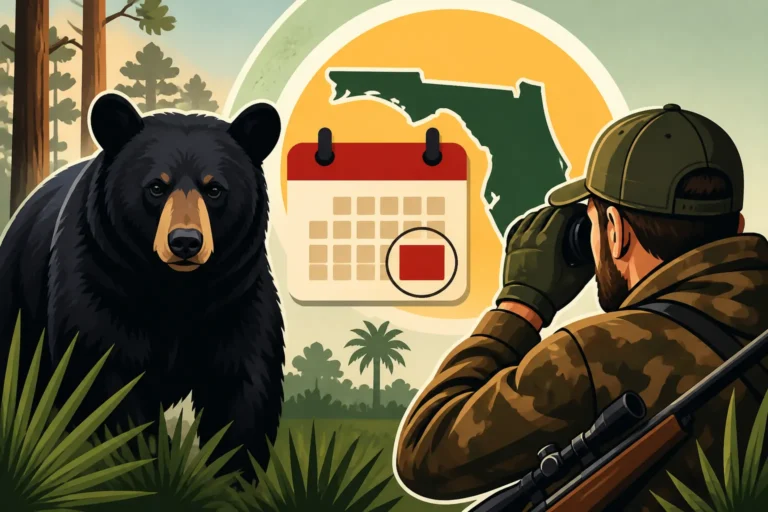
This is where you move beyond "will I see game?" to "what does a successful hunt really look like with this outfitter?" Websites often tout high success rates, but it’s crucial to understand how that rate is defined. Is it harvest success, or just opportunity? For Florida's Reinstated Bear Hunting Season, where quotas are tight, success means something different than for Year-Round Hog Hunting in Florida with no bag limits. Ask about the typical number of shot opportunities for your chosen species and weapon type. If you're looking for a trophy, inquire about the average size of animals harvested in their area, and if specific trophy fees apply. Discuss the hunting methods they employ – are they primarily stand hunting over food plots, still-hunting through swamps, or using dogs for hogs? Understanding their approach will help you determine if it aligns with your hunting style and expectations. This conversation can also inform your research on platforms like GoHunt, where you might find additional data or reviews that elaborate on an outfitter's reported success.
What Happens Before, During, and After the Hunt
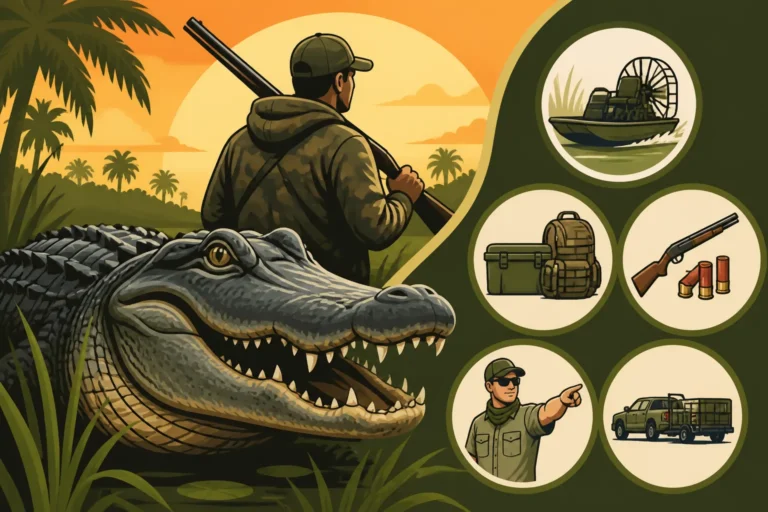
A good outfitter doesn't just focus on the actual hunt; they manage the entire experience from start to finish. Before you even arrive, clarify the booking process: what kind of deposit is required, what are the cancellation policies, and when is the final balance due? Ask to see a copy of their standard contract. Leading up to the hunt, what kind of communication can you expect? Will they send regular updates or a detailed pre-trip packet? During the hunt, what is the typical daily schedule? How many hours will you be in the field? What are the safety protocols in place, especially when dealing with dangerous game like alligators or even just navigating remote terrain? After a successful harvest, understanding the procedures for Field Dressing a Deer in Hot Weather, caping, meat processing, and potentially shipping your game or trophy home is paramount. If you're after an alligator, confirming their process for Tagging an Alligator With a CITES Tag is non-negotiable. A thorough outfitter will have clear answers for every stage of this journey.
Evaluating the Outfitter and Building Trust
The consultation call isn't just for you to gather information; it's also for you to evaluate the outfitter. Are they professional? Are they trustworthy? Do you feel comfortable with them potentially guiding your significant investment of time and money? This rapport, or lack thereof, is a huge indicator of your overall experience.
Assessing Professionalism and Communication
Listen closely to how the outfitter communicates. Are they patient, willing to answer all your questions, and transparent with their answers? Do they sound knowledgeable about the local game, terrain, and regulations? A professional outfitter will provide clear, detailed responses without evasion or high-pressure tactics. They should be eager to help you understand every aspect of the trip, not just sell you a slot. If you're looking into multiple options, platforms like BookYourHunt often provide structured ways to compare outfitters, but the personal interaction on a call gives you an invaluable feel for their communication style. Pay attention to how quickly they respond to your initial inquiry and how organized they appear during the call. These small details can speak volumes about how well-managed their operation is.
Red Flags and Green Lights to Watch For
During your call, certain things should stand out as either warning signs or positive indicators.
Red Flags:
- Vague or Evasive Answers: If an outfitter can't provide clear answers about pricing, logistics, or success rates, that's a major concern.
- High-Pressure Sales Tactics: Anyone trying to rush you into booking with "this is the last spot" or "prices are going up tomorrow" should raise an eyebrow. A reputable outfitter will understand you need time to make a decision.
- No Contract or Unclear Policies: A legitimate operation will have a written contract outlining all terms, including deposits, cancellations, and what’s included. If they operate on a handshake deal, proceed with extreme caution.
- Unrealistic Guarantees: No hunt is 100% guaranteed. If an outfitter promises you a trophy animal or a harvest without fail, they're probably not being honest.
- Reluctance to Provide References: A confident outfitter will gladly offer contact information for recent clients you can speak with about their experience.
Green Lights:
- Transparency: They openly discuss pricing, what's included and excluded, and potential challenges of the hunt.
- Knowledge and Experience: They demonstrate a deep understanding of the hunting area, game behavior, and local regulations.
- Good Communication: They respond promptly, clearly, and patiently to all your questions.
- Focus on Safety and Ethics: They emphasize safety protocols and ethical hunting practices.
- Offer References: They are happy for you to speak with past clients.
Ultimately, your consultation call is about finding an outfitter that matches your expectations, budget, and hunting style. It's your opportunity to vet them thoroughly and ensure that the dream hunt you're envisioning can actually become a reality. Don't underestimate the value of a good conversation; it's the foundation of a successful and enjoyable hunting trip.
Disclaimer
This article is for general informational purposes only and does not constitute professional advice. Laws, prices and regulations vary by location and change over time. Consult a qualified professional for guidance on your specific situation.