When Florida’s Zone A Archery Season Opens
That feeling of anticipation, mixed with a touch of uncertainty, as a new hunting season approaches is something every Florida archer knows well. Especially when you're trying to nail down the exact opening day for Zone A's archery season, it can feel like you need a secret decoder ring! Trying to plan your precious vacation days, arrange scouting trips, and get your gear dialed in, all while wondering if you’ve got the correct dates, can be genuinely frustrating. But fear not, because this comprehensive guide is going to clear up all that confusion, provide you with the specifics, and get you absolutely ready for opening day.
Understanding Florida's Deer Management Zones
Florida's deer hunting landscape isn't a one-size-fits-all affair, and that's precisely why understanding the different deer management zones is paramount for any hunter. The Florida Fish and Wildlife Conservation Commission (FWC) has divided the state into four distinct zones—A, B, C, and D—each with its own set of season dates, bag limits, and specific regulations. This zonal approach isn't arbitrary; it's a carefully crafted strategy to manage deer populations effectively across Florida's incredibly diverse habitats and varying environmental conditions. What works for deer in the palmetto swamps of South Florida might not be suitable for the pine forests of the Panhandle.
The FWC sets these zones based on a multitude of factors, including habitat types, deer population densities, reproductive cycles (like the timing of the rut), and even hunter pressure. This ensures that hunting seasons are aligned with the biological rhythms of the local deer herds, promoting healthy populations and sustainable harvest opportunities. For instance, the rut, or breeding season, can occur at vastly different times across the state, necessitating staggered hunting dates to optimize success and manage herd dynamics. Neglecting to understand which zone you're hunting in is one of the quickest ways to find yourself on the wrong side of the law, not to mention missing out on prime hunting conditions.
A Deep Dive into Zone A's Geography
Zone A, particularly relevant for those eager to kick off the archery season early, primarily encompasses the vast expanse of South Florida. This includes counties generally south of State Road 70, though it’s always wise to check the most current FWC regulations and county-specific maps, as boundaries can occasionally see minor adjustments. Think areas rich with palmetto flatwoods, cypress swamps, dense oak hammocks, and sprawling cattle ranches. Counties like Collier, Hendry, Glades, Palm Beach, and parts of Lee and Charlotte often fall within this zone. This region's landscape is markedly different from the rolling hills and pine plantations found further north in the Panhandle or Central Ridge.
The unique geography of Zone A heavily influences its deer population and hunting conditions. The habitat here is often incredibly thick, dominated by saw palmetto, cabbage palms, and dense scrub that provides excellent cover for deer. This can make spotting and stalking challenging, often favoring still-hunting or stand hunting along trails and feeding areas. Water is also a dominant feature, with many areas prone to seasonal flooding, creating natural travel corridors and bottlenecks. Understanding these environmental factors is crucial for successful scouting and stand placement, giving you an edge when the season finally opens.
The Rationale Behind Zone A's Early Archery Opener
The decision by the FWC to open archery season in Zone A significantly earlier than other parts of the state is rooted in the distinct biological characteristics of its deer herd. Unlike deer in more northern latitudes that typically rut in the fall, white-tailed deer in South Florida have one of the earliest and most prolonged breeding seasons in the country. The rut in Zone A can actually begin as early as July and extend through September, with some activity even later into the fall. This early rut means that bucks in Zone A are often in their post-velvet, hard-antlered stage, and actively moving and seeking does, even in the heat of summer.
Opening archery season in early August capitalizes on this unique reproductive cycle. It allows archers to pursue bucks during a period of increased activity, before the main gun seasons commence and introduce higher hunter pressure. This strategy not only offers a unique hunting opportunity but also serves as a population management tool, helping to spread out the harvest across a longer period and minimize concentrated pressure. The FWC has meticulously studied the deer herd dynamics, and these dates are set to provide optimal hunting while maintaining healthy, thriving deer populations unique to Florida's subtropical environment.
Pinpointing the Archery Season Opener in Zone A
For many Florida archers, the Zone A archery opener feels like the true start of the hunting year, a beacon shining through the long, hot summer. It represents the first opportunity to get into the woods and chase deer with traditional or modern archery equipment. Knowing the exact dates is non-negotiable for planning, and thankfully, the FWC keeps a clear and consistent schedule for this highly anticipated season.
Typical Archery Season Dates for Zone A
Florida's Zone A archery season consistently opens on the first Saturday of August. This means you can generally circle that date on your calendar year after year, though it's always critical to consult the official FWC Hunting Regulations handbook or their website for the precise dates, as they are subject to change. For the 2024-2025 hunting season, for example, the archery season in Zone A is scheduled to open on August 3, 2024. This early August window typically runs for about a month, leading into the muzzleloader and then general gun seasons. So, from that first Saturday in August until early September, archers have their exclusive window to hunt deer in this unique southern zone.
This consistent timing helps hunters plan their year, making it easier to arrange time off, prepare equipment, and conduct necessary scouting trips. It also means that if you're looking to start your deer hunting season ahead of almost everyone else in the state, Zone A is where you'll want to be. Remember, while the opening date is generally fixed, the specific end date can shift slightly depending on the calendar, so a quick check of the FWC website or the Florida Zone A Season Dates page is always a smart move.
What to Expect During the Early Archery Period
Hunting in early August in Zone A is an experience unlike any other in Florida, and certainly vastly different from traditional fall hunting in other states. The first thing you absolutely must brace for is the heat and humidity. Temperatures will likely be in the high 80s or low 90s Fahrenheit, with humidity levels making it feel even warmer. This isn't just uncomfortable; it directly impacts deer behavior and your hunting strategy. Deer will be more active during the cooler parts of the day, typically around dawn and dusk, and will seek shade and proximity to water sources during midday. You'll likely see less movement during the brightest, hottest hours.
Beyond the heat, expect lush, thick vegetation. The Florida summer rains keep the woods incredibly green and dense, which can make visibility challenging. This density, however, also provides excellent cover for deer, making them feel secure. Insects, particularly mosquitoes and no-see-ums, will be abundant and aggressive, so proper insect repellent and protective clothing are not just recommendations, they are necessities. The early August period also means that while some bucks will be in hard antler and actively rutting, others might still be finishing up velvet shedding. Their patterns will be largely dictated by the combination of the early rut and the oppressive summer conditions, making scouting for fresh sign and understanding water sources absolutely critical.
Essential Preparations for Zone A Archery Season
Stepping into the steamy woods of Zone A for the archery opener requires more than just a bow and a tag. It demands meticulous preparation, both in terms of understanding the legalities and ensuring your gear is perfectly suited for the challenging conditions. Overlooking any of these details could easily derail your hunt or, worse, lead to unforeseen complications.
Licensing, Permits, and Regulations Specific to Archery
Before you even think about setting foot in the woods, ensuring you have all your ducks in a row regarding licenses and permits is non-negotiable. For deer hunting in Florida, you'll need a Florida hunting license, a deer permit, and if you plan to hunt on public lands like Wildlife Management Areas (WMAs), you'll likely need a Florida WMA Management Area Permit, and possibly a quota permit depending on the specific area. Non-residents have their own set of requirements, often involving different fee structures. You can find comprehensive details on the Florida Resident License Options or Florida Nonresident License Options pages.
For archery season specifically, Florida allows the use of traditional bows (recurve, longbow) and compound bows. Crossbows are also permitted during the statewide archery season, which is a big plus for many hunters, though it’s wise to confirm any specific WMA restrictions. Regardless of your weapon choice, ensuring it's in top condition, sighted in, and that you're proficient with it is paramount. Always double-check the FWC regulations for Legal Weapons During Florida Archery Season to avoid any surprises. Florida also has mandatory Florida Hunter Education Requirements for most hunters born after June 1, 1975, so make sure you've completed that if applicable. Remember, all harvested deer must be reported to the FWC within 24 hours via their app or website.
Gear and Scouting Considerations for Early Season
Given the intense heat and humidity of early August, your gear selection for Zone A archery season needs careful thought. Lightweight, breathable clothing that wicks moisture away from your skin is essential. Opt for light-colored camo or patterns designed for tropical environments. A good quality thermacell or powerful insect repellent is not an option; it's a survival tool against the relentless mosquitoes and biting flies. Hydration is also key, so carry plenty of water or a hydration pack, and consider electrolyte supplements.
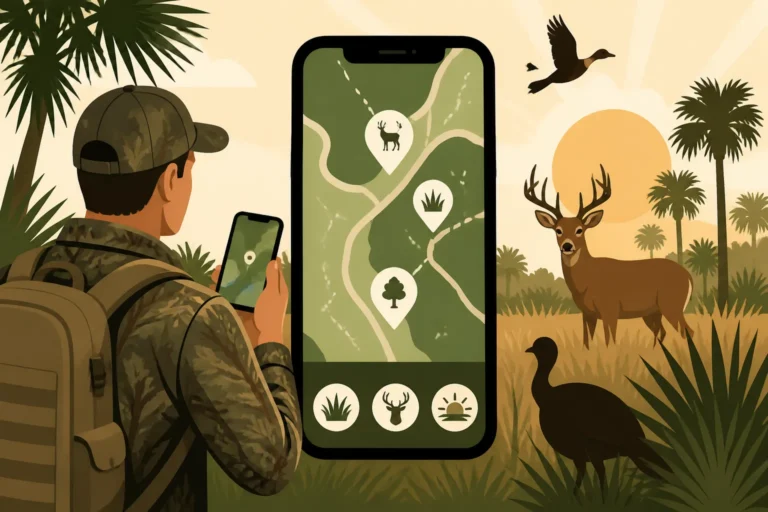
Scouting before the opener is critical, especially when deer patterns can be influenced by early rutting behavior and the availability of water. Pre-season scouting helps you locate fresh sign, identify bedding areas, and pinpoint primary travel corridors. Using mapping tools like GoHunt can be incredibly helpful here. You can mark potential stand locations, food sources, and water points directly on the map, helping you visualize your hunt plan. For example, deer will often bed in thick palmetto heads during the day, so knowing Where Florida Bucks Bed in Thick Palmetto can guide your scouting efforts. Look for rubs and scrapes, even if they're not as intense as during the peak rut, as they indicate buck presence. Focus your efforts around water sources and transition areas between bedding and feeding. Learning Reading Aerial Photos for Florida Deer is an invaluable skill for efficient scouting from home.
Maximizing Your Chances on the Zone A Opener
Once you've navigated the regulations and prepared your gear for the Florida heat, the real challenge begins: effectively hunting deer during the Zone A archery opener. This isn't your typical crisp, fall deer hunt; it requires a specific mindset and specialized tactics to overcome the environmental challenges and capitalize on deer behavior.
Tactics for Hunting Hot Weather Deer
Successfully hunting deer in the sweltering Florida heat during early August means adapting your approach significantly. Forget the all-day sits you might attempt up North. Instead, focus your efforts on the very early morning and late evening hours when temperatures are coolest and deer are most active. This strategy minimizes your exposure to the harshest heat and increases your chances of encountering deer on their feet. Consider a lightweight climbing stand or a ground blind brushed into a shady spot along a travel corridor or near a water source. Utilizing a Hot-Weather Sitting Strategy in Florida will involve less time in your stand and more strategic movement.
Scent control is absolutely paramount. In the high humidity, your human scent will linger and spread more easily. Showering with scent-free soaps, washing your hunting clothes in scent-eliminating detergents, and using scent-control sprays are all crucial. Even with the best precautions, always try to hunt with the wind in your favor. Pay attention to subtle thermals as well; in the mornings, air tends to flow downhill, and in the evenings, it rises. Deer will often utilize these air currents to their advantage, so understanding wind direction is a non-negotiable for stand placement.
Locating Food and Water Sources in Early Season
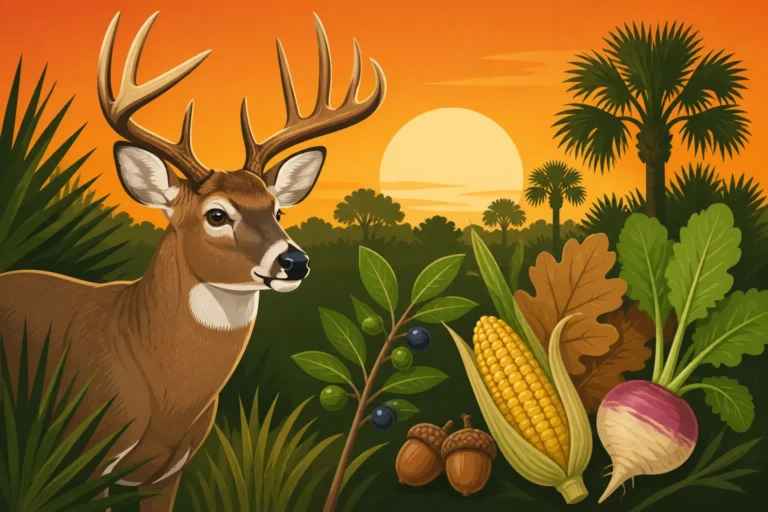
In early August, understanding what deer are eating and where they're drinking is your golden ticket to success. While the acorn crop won't be in full swing yet, deer are still actively seeking other food sources. Look for early-fruiting native plants like wild grapes, persimmons, and certain types of early-dropping acorns from specific oak species. Agricultural fields, if present, can also be hot spots, especially during evening hours. Even green, lush vegetation like native browse is a primary food source. A good strategy is to set up between known bedding areas and these early food sources, or along natural travel corridors that connect them.
Water is an equally, if not more, critical factor during this hot period. Deer need to drink frequently to stay hydrated, and they will naturally gravitate towards reliable water sources. This could be anything from a natural spring or creek to a swamp edge or even a stock pond on ranch land. Setting up a stand overlooking a water source, or on a trail leading directly to one, can be incredibly effective during the early archery season. Many hunters find success by keying in on these critical resources, as deer movements are often predictable when driven by basic survival needs in hot weather. Knowing Scouting Florida Public Land Before Season will give you a leg up on locating these critical resources.
Gear Up and Get Ready for Zone A
The Zone A archery opener, while challenging due to the heat and humidity, offers a unique and exciting opportunity to hunt Florida whitetails when they are often on their feet and responding to early rut activity. With careful planning, a solid understanding of the FWC regulations, and appropriate gear, you can make the most of this fantastic season.
Remember that preparedness extends beyond just legalities and equipment; it includes understanding the specific nuances of hunting in a subtropical climate. From battling bugs to managing your scent and choosing the right time to be in your stand, every detail matters. Many experienced hunters rely on tools like GoHunt to mark crucial waypoints and stay informed about land boundaries and regulations, making their pre-season planning more efficient. Whether you're a seasoned Florida veteran or experiencing the early opener for the first time, embrace the challenges and enjoy the truly unique experience that is Florida's Zone A archery season.
| Florida Zone A Archery Season: Quick Reference | |
|---|---|
| Typical Opening Date | First Saturday in August (e.g., August 3, 2024) |
| Season Length | Approximately 31 days |
| Primary Counties | South of SR-70 (e.g., Collier, Hendry, Glades, Palm Beach, parts of Lee & Charlotte) |
| Expected Conditions | High heat (80s-90s°F), extreme humidity, abundant insects, thick vegetation |
| Key Deer Behavior | Increased activity at dawn/dusk, seeking shade/water during midday, early rutting behavior (bucks actively seeking does), some bucks still shedding velvet in very early August |
| Required Licenses | Florida Hunting License, Deer Permit, (WMA Permit + Quota if applicable) |
| Legal Weapons | Compound bow, recurve bow, longbow, crossbow |
| Reporting Requirement | All harvested deer must be reported to FWC within 24 hours |
Disclaimer
Always consult the latest Florida Fish and Wildlife Conservation Commission (FWC) regulations and specific Wildlife Management Area (WMA) rules before planning any hunting trip, as dates, bag limits, and regulations are subject to change annually. This guide provides general information and recommendations.