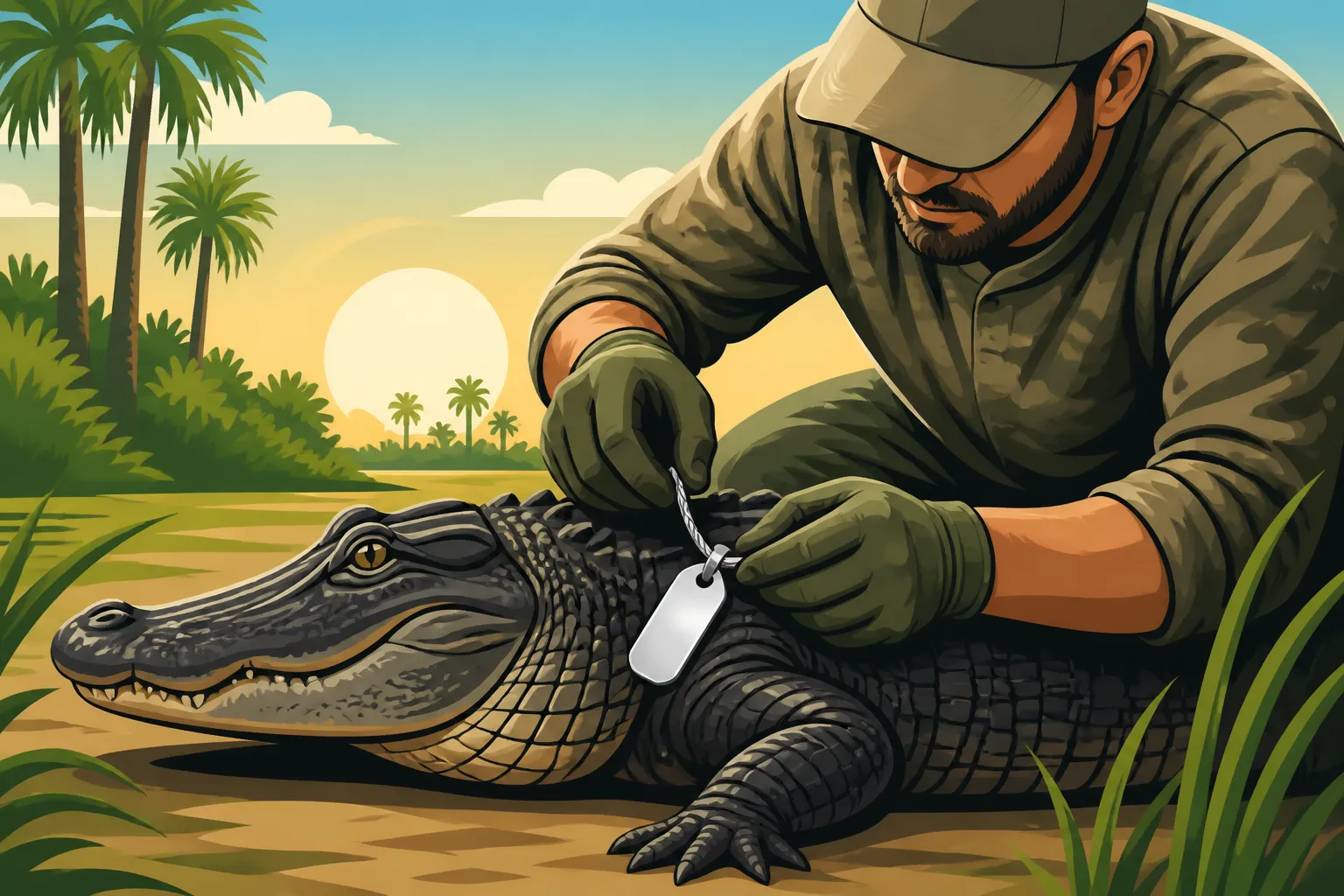
Tagging an Alligator With a CITES Tag
You’ve just pulled off a monumental feat, wrestling a Florida alligator from the depths and bringing it to the bank. The adrenaline is pumping, the sweat is beading, and pure exhilaration washes over you. But amidst the triumph, a crucial, often overlooked step looms large: properly tagging your alligator with a CITES tag. Neglecting this vital part of the process can turn a successful hunt into a legal headache, jeopardizing your harvest and potentially your hunting privileges. This guide will walk you through everything you need to know about CITES tags for Florida alligators, ensuring you stay compliant and can truly celebrate your hard-earned trophy.
Understanding the CITES Tag Requirement in Florida
For many new alligator hunters, the term "CITES tag" can sound a bit intimidating or even confusing. It's a critical component of responsible alligator management and a step you absolutely cannot skip. Let's demystify what it is and why it holds such importance in the Sunshine State.
What is a CITES Tag and Why is it Necessary?
CITES stands for the Convention on International Trade in Endangered Species of Wild Fauna and Flora. While the American alligator population has made a phenomenal comeback from near extinction in the mid-20th century, becoming a conservation success story, their protection initially stemmed from CITES listings. Florida's robust and highly regulated alligator hunting program is a testament to this success, allowing for sustainable harvests that benefit both the ecosystem and hunters. The CITES tag serves as an internationally recognized proof of legal harvest, tracing your alligator from the wild to any commercial product, be it a tanned hide, processed meat, or even taxidermy mounts. Without this tag, any part of your harvested alligator would be deemed illegal for interstate or international trade, and even for possession by some entities. It’s the ultimate stamp of authenticity that your gator was taken legally, ethically, and within a well-managed system.
The tag’s necessity extends beyond just international trade; it's a vital part of Florida's own management framework. The Florida Fish and Wildlife Conservation Commission (FWC) uses the tags to monitor harvest numbers, track population health, and ensure that the hunting quotas are being adhered to. Each tag has a unique serial number, linking directly back to your permit and the specific harvest. This stringent accountability is precisely what allows Florida to maintain a healthy alligator population while also providing incredible hunting opportunities. It’s a win-win system built on careful monitoring and strict adherence to the rules.
Receiving Your CITES Alligator Tags
When you successfully draw a quota permit through the Florida's Statewide Alligator Permit Lottery, or secure a special permit, your CITES tags are usually sent to you along with your permit packet. It’s not just a single tag, mind you. Typically, you'll receive two CITES tags: one for the hide and one for the harvest. These small, plastic, tamper-proof tags are your golden tickets, signifying your legal right to take and possess an alligator during the specified season.
The moment that permit packet arrives, it’s imperative to check that all the information on your tags matches your permit and personal details. Misprints are rare but can happen, and it's better to catch them before you're out on the water, heart pounding, trying to tag your first gator. Make sure you store these tags in a secure, yet easily accessible, waterproof location in your hunting gear. Imagine finally getting a gator alongside the boat only to realize your tags are back in the truck, or worse, damaged. These tags are absolutely invaluable; treat them with the respect and care they deserve from the moment they arrive in your mailbox.
The Step-by-Step Tagging Process After a Successful Harvest
The moment of truth arrives when you've secured your alligator. It's exhilarating, demanding, and requires quick, precise action. Understanding the tagging process before you're out there will save you a lot of stress and ensure you comply with FWC regulations.
Immediate Tagging Requirements at the Kill Site
Once you've dispatched your alligator and it's securely alongside your boat or on the bank, the first and most critical step is to immediately attach the harvest tag. And I mean immediately. This isn't something you can wait to do when you get back to the ramp or camp. The FWC regulations are crystal clear: the alligator must be tagged at the point of harvest before it is moved from the capture site. This rule is designed to prevent any possibility of "tag swapping" or misrepresenting an animal's origin.
The harvest tag itself is typically a small, plastic, self-locking tag that you'll attach to the alligator. The specific placement is crucial; it needs to be affixed to the alligator's tail, specifically between the first and fourth caudal vertebrae, or to a leg if a tail attachment isn't feasible. You’ll thread the tag through the skin and lock it in place, ensuring it cannot be removed without cutting it. Before locking it, take a moment to use a permanent, waterproof marker to fill out all the required information on the tag: the date and time of harvest, and your permit number. This is where an often-overlooked item like a good quality Sharpie can save you from a huge headache – a regular pen will likely smudge or wash off in the wet environment. Double-check that all information is legible and accurate. This harvest tag must remain on the alligator until it reaches an alligator processor or taxidermist, or until you begin processing it yourself for personal use. It’s your gator's legal ID. If you're using a method like Harvesting an Alligator With a Bang Stick, be sure to have your tagging kit ready to go the moment the gator is secured.
Completing the Hide Tag and Transporting Your Alligator
After the initial harvest tag is securely affixed and filled out, you’ve handled the most time-sensitive part. However, there’s still a second CITES tag to consider: the hide tag. While the harvest tag is for the animal itself and must be attached immediately, the hide tag is specifically for the alligator's skin. This tag is usually affixed to the hide once it has been skinned, or at least before it enters any commercial tanning process. You might keep this tag separate and safe until you’re ready to process the hide, but it’s just as important as the harvest tag. Ensure you understand How Many CITES Tags Come With a Permit to avoid any confusion.
Like the harvest tag, the hide tag will require specific information to be filled out, typically mirroring what's on the harvest tag: date of harvest, your permit number, and any other details requested by the FWC. This tag will stay with the hide, ultimately becoming part of the legal paperwork if the hide is sold or tanned by a professional. When it comes to transporting your newly harvested alligator, remember that it must always be accompanied by its properly affixed harvest tag. You can’t just toss it in the truck bed and drive off. The FWC states that the alligator must be visibly tagged and transported to your home or to a licensed alligator processor within a reasonable timeframe. This ensures law enforcement can easily verify the legality of your harvest if you're stopped. For hunters venturing out for a Stalking an Alligator on a Freshwater Lake or during Hunting Alligators at Night Legally, being prepared with all necessary tagging supplies is paramount to a smooth and legal end to the hunt.
Common Pitfalls and Best Practices for Tagging
Even seasoned hunters can make mistakes, especially when dealing with the high-stakes environment of an alligator hunt. Being aware of common pitfalls and adopting best practices can prevent a lot of grief and ensure your hard-won trophy is legally handled every step of the way.
Avoiding Common Tagging Mistakes
One of the most frequent and frustrating mistakes hunters make is simply forgetting to bring a reliable, permanent, waterproof marker. You’re soaked, the boat is wet, and you’re trying to scrawl your permit number with a ballpoint pen that barely marks damp paper. It's a recipe for illegible information and potential compliance issues. Always pack at least two, preferably three, heavy-duty permanent markers. Another common error is misplacing the tags in the heat of the moment or during the often chaotic boat ride. Have a designated, secure, and easily accessible spot for your tags, perhaps tethered to your belt or stored in a small, waterproof box.
Damage to the tags themselves is also a concern. These plastic tags can be bent, broken, or scratched, especially during the struggle to secure a large alligator. It’s rare, but it happens. If a tag is damaged before you harvest an alligator, you must contact FWC immediately for replacement. Attempting to use a damaged or incomplete tag on an alligator, or worse, attempting to use a tag from a previous season or for another hunter, is a serious violation. Each tag is unique and linked to your specific permit for a specific animal. There are no "spare" tags. If you successfully harvest a gator, but realize your tag is somehow compromised or lost at the site, contact FWC law enforcement immediately for guidance. Do not move the alligator until you receive instructions. Knowing Judging a Legal-Size Florida Alligator is crucial, but equally important is being ready to tag it properly once harvested.
Ensuring Long-Term Compliance and Record Keeping
Beyond the immediate act of tagging, responsible alligator hunting involves diligent record keeping and adherence to FWC reporting requirements. Once your alligator is tagged and secured, you might need to report your harvest to the FWC within a certain timeframe, often through their online system or a designated check station. This data is invaluable for the FWC’s ongoing management of Florida Alligator Population Estimate and helps ensure the long-term sustainability of the species. Many hunters find using a reliable app like GoHunt useful for checking regulations on the go and staying compliant. While not always directly tied to tagging, GoHunt helps hunters understand all aspects of their permit and legal requirements.
It’s also an excellent practice to take clear, well-lit photographs of your alligator with the harvest tag clearly visible. These photos serve as an additional layer of proof for your legal harvest and can be incredibly useful if any questions arise later. When you take your hide to a licensed alligator processor or taxidermist, they will also verify the CITES tags before accepting the animal. These professionals are well-versed in the requirements, but it's your responsibility to ensure the tags are correctly applied and all information is accurate. The CITES hide tag will remain with the hide throughout the tanning process and any subsequent commercial transactions, ensuring its legal provenance. Remember that Florida's alligator season has specific opening and closing dates, like the Florida Alligator Season Opening Date and Florida Alligator Season Closing Date, and your tags are only valid within those windows.
| CITES Alligator Tag Information | Required Detail | Notes |
|---|---|---|
| Date of Harvest | MM/DD/YYYY | Exact date the alligator was killed. |
| Time of Harvest | HH:MM (AM/PM) | Exact time the alligator was killed. |
| Permit Number | Unique FWC Permit ID | Found on your alligator harvest permit. |
| Hunter's Signature | Your Legal Signature | Confirms responsibility for the harvest. |
| Tag Location (Harvest) | Tail (1st-4th vertebrae) | Or leg if tail attachment is not feasible. |
| Tag Location (Hide) | Attached to the hide | After skinning, before processing/tanning. |
| Marker Type | Permanent, Waterproof | Essential for legibility in wet conditions. |
Disclaimer
The information provided in this guide is for general informational purposes only and is subject to change. Hunting regulations, including those pertaining to CITES tags for alligators, are established by the Florida Fish and Wildlife Conservation Commission (FWC) and can be updated. It is the individual hunter's responsibility to consult the most current FWC regulations and statutes before engaging in any hunting activities. Always refer to the official FWC website or current hunting handbooks for the definitive rules and requirements.