Jump-Shooting a Florida Creek
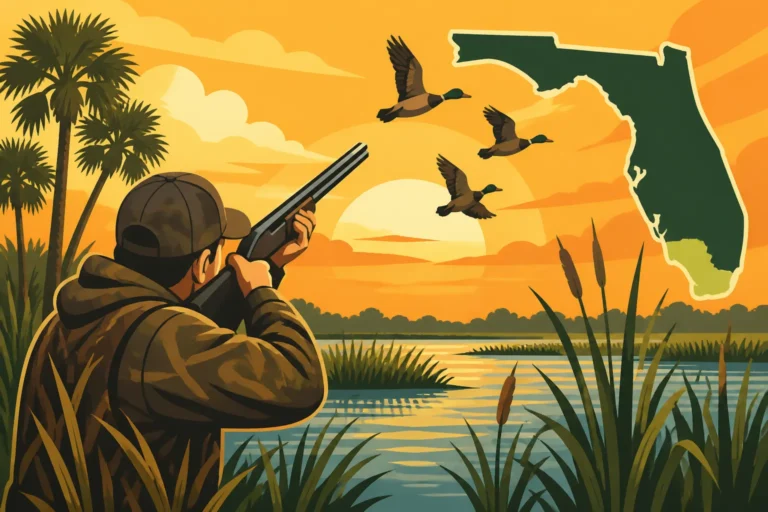
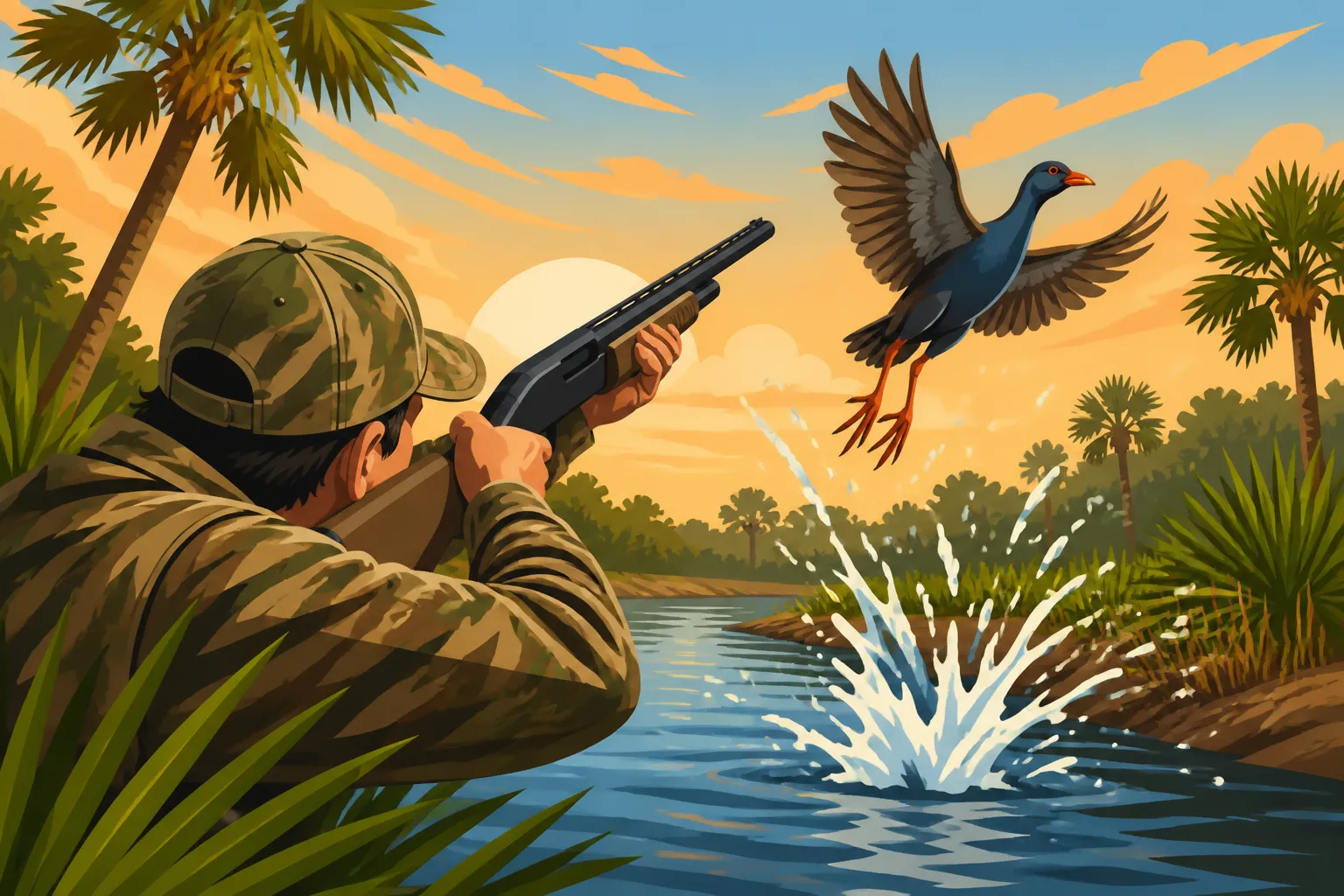
There's nothing quite like the rush of a surprise flush, the frantic beating of wings as a small flock of ducks erupts from a winding, vegetated creek. While many Florida waterfowl hunters spend their mornings tucked away in blinds over open water, the dynamic world of jump-shooting offers an exhilarating, often solitary alternative. This guide will walk you through everything you need to know to successfully navigate, scout, and hunt Florida's hidden waterways, transforming quiet paddles into unforgettable hunts.
The Allure of Jump-Shooting Florida Creeks and Its Unique Challenges
Florida's landscape is a labyrinth of freshwater creeks, sloughs, and shallow rivers, often overlooked by those focusing on larger lakes or coastal marshes. This intricate network provides prime habitat for resident ducks, and jump-shooting these intimate waterways is a method steeped in tradition and raw excitement. It’s less about elaborate setups and more about stealth, observation, and quick reflexes.
What Makes Jump-Shooting So Effective Here
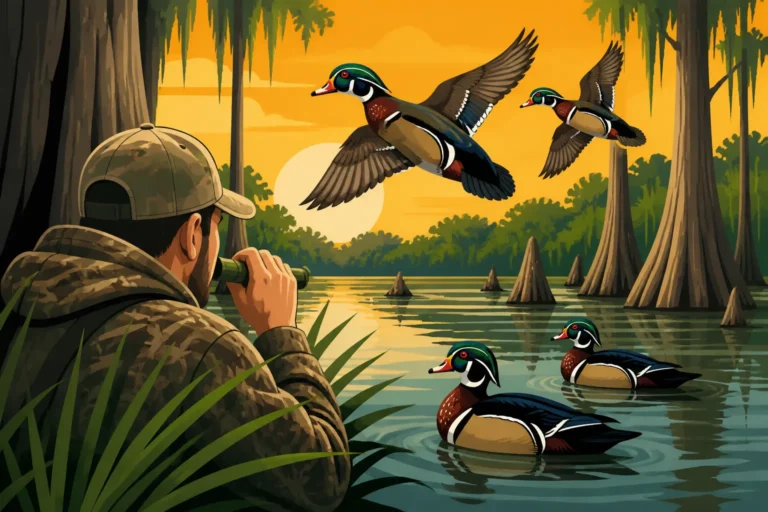
Florida's unique hydrology, characterized by slow-moving, often tea-stained waters heavily choked with vegetation, creates a perfect environment for jump-shooting. Unlike open water hunting where ducks can spot danger from a mile away, the tight confines and dense cover of a creek allow a hunter to get surprisingly close before a flush. Wood Ducks, with their preference for wooded swamps and cypress-lined creeks, are a primary target, often holding tight until the last moment. Mottled Ducks, too, can be found loafing in the quieter stretches.
This technique capitalizes on the element of surprise. You're not waiting for birds to fly to you; you're actively seeking them out in their natural habitat, often in areas that see very little pressure from traditional decoy spreads. It’s a completely different rhythm than setting out decoys and calling, offering a more active and immersive hunting experience where every turn of the creek could reveal a new opportunity. You might find a single bird dabbling quietly, or a small group tucked into a shadowy bend, oblivious until you're right on top of them.
Identifying Ideal Creek Characteristics
Finding the right creek is paramount to jump-shooting success. Look for waterways that are relatively narrow and winding, with plenty of overhead cover from cypress, live oak, or dense scrub. The best creeks aren't wide-open; they’re bottlenecks that concentrate ducks into smaller, more predictable areas. Dense emergent vegetation like cattails, maidencane, and especially floating plants like water hyacinth or duckweed, provide excellent cover for resting ducks. These plants also act as natural buffers, muffling your approach.
Depth is another crucial factor. You want water shallow enough to navigate silently with a canoe, kayak, or even by wading, but deep enough to hold ducks comfortably. Creeks that connect larger bodies of water, or those that drain swampy lowlands, are often highways for ducks moving between feeding and roosting areas. Don't overlook smaller tributaries that seem insignificant; these often harbor untouched pockets of birds. Keep an eye out for signs of recent duck activity, like fresh droppings along muddy banks, feather piles, or disturbed vegetation where birds have been feeding. Mapping tools like GoHunt can be invaluable here, helping you identify these winding water features and potential access points before you ever leave home. For a broader understanding of waterfowl habitats, check out our guide on Waterfowl Hunting Florida's Marshes.
Essential Gear for Navigating and Hunting Florida Creeks
Successful jump-shooting hinges on being well-equipped for the unique challenges of Florida's creek environments. From staying comfortable in the humidity to making decisive shots, your gear choices can make or break your hunt.
Clothing and Wading Equipment
Florida's climate means lightweight, quick-drying camouflage clothing is a must. Even in cooler months, temperatures can rise quickly once the sun is up, and you’ll be working hard. Layering is always a good idea, starting with a moisture-wicking base. As for wading equipment, chest waders are often indispensable. Florida creeks can have varying depths, from ankle-deep to waist-deep in a matter of yards, and the bottoms are frequently soft muck or hidden root systems. Insulated waders might be overkill unless it's a true cold front, so focus on durability and waterproof integrity.
Beyond keeping you dry, waders protect against unseen hazards like sharp sticks or submerged branches. Don't forget a good pair of waterproof boots if you're not using waders, especially if you plan to do a lot of bank walking. And let's be realistic: in Florida, bug spray is as essential as your shotgun. Mosquitoes, gnats, and horseflies are constant companions, especially along slow-moving water. If you're using any form of watercraft, a life vest or PFD is a non-negotiable safety item.
Firearms and Ammunition Choices
For jump-shooting, reliability and quick handling are key. A 12-gauge or 20-gauge shotgun is the standard choice. You'll be taking fast, close-range shots at flushing birds, so a scattergun that swings naturally and comes to the shoulder quickly is paramount. Many hunters prefer a semi-automatic for the rapid follow-up shots, but a pump-action is perfectly capable and often more robust for navigating brush.
When it comes to ammunition, steel shot is legally required for waterfowl, and #3 or #4 steel shot offers a versatile balance of pattern density and energy for ducks at typical jump-shooting distances (often 10-30 yards). Choke selection should lean towards improved cylinder or modified for broader patterns, making it easier to connect with fast-moving birds at close quarters. Remember, you're not usually calling birds into tight spreads over decoys; you're reacting to an immediate flush. For specific season dates and bag limits, consult resources like Florida Duck Season Split Dates and Florida Duck Daily Bag Limit.
Watercraft and Navigation Tools
For silently working a creek, a canoe, kayak, or even a small, flat-bottomed Jon boat is ideal. The key is minimal draft and quiet propulsion. A paddle is your primary mover, but a push pole is an absolutely vital tool in Florida's shallow, vegetated, and often muddy creeks. It allows you to silently propel yourself through dense weeds and over shallow spots where a paddle would be ineffective or too noisy.
Navigation can be tricky in winding, interconnected creek systems, where every bend looks similar. A GPS unit or a reliable mapping application on your smartphone, like GoHunt, is invaluable. Download offline maps before you go, as cell service can be spotty in remote areas. These tools help you track your progress, mark promising spots, and most importantly, find your way back. For tips on using mapping tools in the wilderness, consider reading about Using the FWC App Without Cell Service. Always carry plenty of water, especially during warmer parts of the season, and some high-energy snacks. A small, dry bag for your electronics and essentials is also a smart addition.
Mastering the Stalk and Shot on Florida's Waterways
The true art of jump-shooting lies in the approach. It's a game of chess with the ducks, where every move you make dictates your chances of success.
Stealthy Approach and Reading the Water
The most critical aspect of jump-shooting is moving slowly and quietly. Think like a predator, using every available piece of cover. Hug the inside bends of the creek, allowing the bank and vegetation to shield your silhouette. Stay low in your watercraft, or if wading, use the natural contours of the land. Listen intently; sometimes you'll hear the soft quacking of ducks before you see them, or the rustle of wings taking flight further up the creek, giving you a heads-up.
Pay close attention to changes in the water. A sudden calm spot, a cluster of feeding ducks, or even a slightly disturbed surface can indicate birds ahead. As you round a bend, be prepared for an immediate flush. Your shotgun should be loaded, safety on, and in a ready position. Wind direction can play a role too; if possible, approach with the wind in your face to carry your sound away from the ducks and to make for a safer shot when they flush into the wind. This same stealth applies whether you’re scouting for deer or ducks; learning to read subtle signs is covered in depth in Scouting Florida Public Land Before Season.
Optimizing Your Shot Opportunities
When ducks flush, they often explode upwards and away, presenting a challenging target. The key is quick, decisive action. Bring the gun to your shoulder smoothly, acquire the target, swing through, and pull the trigger. Don't rush; focus on a fluid motion. With jump-shooting, you typically don't have the luxury of perfectly decoying birds. It's reactive hunting, and practice with clay targets can greatly improve your success rate.
Sometimes, a single wood duck call or a quick "quack" can induce a flushing bird to hesitate or even turn, giving you a better shot. However, over-calling will likely just alert them to your presence. The real challenge often comes after the shot: retrieving a downed bird from dense, tangled vegetation. A good retriever, whether a dog or a patient human companion, is an invaluable asset. Without one, be prepared for a thorough search, as every effort must be made to recover all game ethically. Knowing the habitat well, perhaps from insights like Decoying Wood Ducks at First Light, will help you understand where birds might try to hide.
Safety, Regulations, and Ethical Considerations
While jump-shooting is a thrilling experience, it comes with responsibilities. Understanding Florida's regulations and prioritizing safety are paramount.
Understanding Florida Waterfowl Regulations
Before heading out, ensure you are fully compliant with all state and federal regulations. This includes possessing a valid Florida hunting license, a Florida waterfowl permit, a Migratory Bird Hunting and Conservation Stamp (Federal Duck Stamp), and having completed the Hunter Information Program (HIP) certification. You can learn more about these requirements in our detailed articles like Florida Hunter Education Requirements, Florida Federal Duck Stamp Requirement, and Florida HIP Certification for Bird Hunters.
Be intimately familiar with the specific season dates, legal shooting hours, and bag limits for the species you intend to hunt, especially for common creek dwellers like Wood Ducks and Mottled Ducks. It is illegal to hunt migratory waterfowl from a moving motor-powered boat. Your boat must be stopped, and all forward momentum ceased before you take a shot. Also, ensure you adhere to public land rules, including Florida Public Land Hunting Hours. Always keep your firearm pointed in a safe direction and be absolutely certain of your target and what lies beyond it, as creeks often run near private property or busy areas.
Navigational Hazards and Wildlife Encounters
Florida's waterways, while beautiful, are home to a variety of creatures that demand respect and awareness. Alligators are a prominent concern. While they typically avoid humans, surprise encounters can happen, particularly in dense cover. Always be vigilant, give them space, and never feed them. For more information on these ancient reptiles, see American Alligators in Florida. Water moccasins (cottonmouths) are also common in these environments; be mindful where you step, wade, or reach into vegetation.
Beyond wildlife, navigational hazards are plentiful. Submerged stumps, fallen logs, and soft, mucky bottoms can capsize a small boat or cause a fall. Always assess the water ahead of you. It's also easy to become disoriented in winding creeks, especially if they branch off repeatedly. Always carry your mapping tools, let someone know your float plan, and consider bringing a whistle or signaling device. Prepare for the unexpected and ensure your physical fitness is up to the task of paddling, wading, and potentially retrieving game in challenging terrain.
Practicing Ethical Hunting in Creek Environments
Ethical hunting dictates that you strive for clean, humane kills and retrieve every animal you harvest. This means knowing your effective shooting range and not taking Hail Mary shots at distant, flushing birds. If a bird falls into thick cover, dedicate ample time to finding it, even if it’s inconvenient. A good retriever makes this process much more efficient and ethical.
Respecting private property boundaries is also paramount. Many Florida creeks wind through or border private lands. Utilize your GoHunt mapping app to identify property lines and ensure you are not trespassing or retrieving game from posted land without permission. Leave no trace of your presence—pack out all spent shells, trash, and anything else you bring in. The goal is to leave the creek environment as pristine, or even more so, than you found it, preserving these unique hunting opportunities for future generations.
Typical Florida Creek Waterfowl and Their Characteristics
Understanding the ducks you're likely to encounter can significantly improve your jump-shooting strategy.
| Species | Common Habitat | Behavior for Jump-Shooters | Distinctive Features |
|---|---|---|---|
| Wood Duck | Wooded swamps, cypress sloughs, timbered creeks | Often flush abruptly from tight cover, fast, agile flyers. | Male: Iridescent green head, white stripes, red eyes. Female: Grey-brown, prominent eye-patch. |
| Mottled Duck | Brackish marshes, open ponds, quiet creek bends | May flush or swim off, can be wary but sometimes hold tight. | Uniform dusky brown body, yellowish bill (male), orange bill with dark spot (female). |
| Green-winged Teal | Shallow ponds, edges of larger creeks, mud flats | Very fast, erratic flight in tight flocks. | Male: Chestnut head, green ear patch, vertical white stripe. Female: Mottled brown, green speculum. |
| Blue-winged Teal | Shallow, open marshes, slow-moving creeks | Rapid, often low flight, can be found in small groups. | Male: Slate-blue head, white crescent in front of eye, large blue patch on wing. Female: Mottled brown. |
Please note that these are general characteristics, and bird behavior can vary. Always be prepared for a mixed bag in Florida’s diverse aquatic environments.
Disclaimer
Hunting is an inherently dangerous activity. This guide provides general information and should not replace professional instruction, local regulations, or personal judgment. Always prioritize safety, understand and follow all Florida Fish and Wildlife Conservation Commission (FWC) regulations, and consider local conditions before engaging in any hunting activities. The author and publisher are not responsible for any accidents, injuries, or legal issues that may arise from using this information.