Florida Resident Base License Cost
Trying to figure out what it costs to legally pursue game in the Sunshine State can feel like navigating a palmetto thicket blindfolded. Many new hunters, and even some seasoned folks, get bogged down by the various fees and permits needed to hit the woods or waters. This comprehensive guide is here to clear up the confusion, specifically breaking down the Florida resident base hunting license cost and explaining exactly what you're paying for and how to get it, so you can focus on scouting, not paperwork.
Understanding the Florida Resident Base Hunting License
Before you can even think about what to target, you need to understand the fundamental building block of Florida hunting: the resident base hunting license. This isn't a golden ticket that covers every species, but it's your essential first step into the field. Without it, you’re simply not legally prepared to hunt most game species in Florida.
What the Base License Actually Covers
The Florida resident base hunting license serves as your entry pass for what are often considered "resident game" species. Think of it as your foundation. This license covers you for popular pursuits like hunting rabbits, squirrels, and other small game animals that are plentiful across our diverse landscapes. Interestingly, while feral hogs are an unprotected species and can often be hunted year-round without a license on private land with landowner permission, a base hunting license does become necessary if you're pursuing hogs on many public lands or if you're carrying a weapon that could be used for other game while hog hunting. It ensures you're generally authorized to be in the field pursuing legal game.
What it doesn't cover is equally important to understand. This base license will not allow you to hunt deer, turkey, migratory birds (like ducks, geese, or doves), or participate in special hunts for species like alligators or bears. Each of these specific pursuits requires additional, separate endorsements or permits on top of your base license. It’s a common misconception that once you have the base, you're good to go for everything, but Florida’s system is designed to be quite granular, ensuring targeted management and funding for specific wildlife populations.
Why Florida Uses a Tiered License System
Florida's approach to hunting licenses, with its base license and numerous add-on endorsements, might seem complex at first glance. However, there's a good reason for this tiered system. Our state boasts an incredibly diverse array of ecosystems, from pine forests and cypress swamps to vast agricultural fields and coastal marshes. This means we have a wide range of game species, each with unique management needs. A one-size-fits-all license simply wouldn't be effective.
By having a base license and then requiring specific endorsements for species like deer or turkey, the Florida Fish and Wildlife Conservation Commission (FWC) can more effectively manage individual populations. The funds generated from these specific permits often go directly back into conservation efforts for those particular species, supporting habitat restoration, population surveys, and enforcement. For example, revenue from deer permits contributes to deer management programs, while migratory bird permits help fund wetlands conservation. It also ensures that hunters only pay for the opportunities they intend to pursue, making it fairer for those who might only target small game versus those who hunt multiple species throughout the year.
Who Qualifies as a Florida Resident
Understanding who qualifies as a Florida resident is absolutely critical, as the cost difference between resident and nonresident licenses can be substantial. You don't want to accidentally pay the higher nonresident fees if you’ve been living here for a while, or worse, misrepresent yourself. Generally, to qualify as a Florida resident for hunting and fishing license purposes, you must have resided in Florida continuously for six months prior to applying for a license.
The FWC looks for several indicators of residency. The most common proof is a valid Florida driver's license or identification card issued at least six months prior. Other acceptable forms of proof can include Florida voter registration cards, declaration of domicile, or even proof of homestead exemption. It’s not enough to simply own property here or visit frequently; the continuous six-month physical presence is key. If you're unsure, it's always best to check the FWC's official guidelines or contact them directly. Properly establishing your residency ensures you get access to the lower resident rates and avoid any legal hassles down the line.
The Specifics of Florida Resident Base License Costs
Let's get down to the brass tacks: what you'll actually shell out for that all-important base hunting license. The good news is that for Florida residents, the base hunting license is quite affordable, especially when you compare it to some other states. However, it’s important to know the exact figures and any potential hidden costs.
Current Base Hunting License Fees
As of the current FWC regulations, a Florida resident base hunting license is surprisingly budget-friendly. For an annual license, you're looking at a cost of approximately $17.00. This covers you for a full year from the date of purchase. It's a fantastic value for the opportunity to explore Florida's wild spaces and pursue small game. We're talking about the price of a couple of coffees for a whole year of hunting access!
For those who are committed to the long haul, there's also a five-year resident hunting license option. This multi-year license comes in at roughly $79.00. While it's a larger upfront cost, it offers a slight discount compared to buying five individual annual licenses, and it saves you the hassle of renewing every single year. For new hunters, starting with the annual is fine, but if you know Florida hunting is your passion, the five-year option is a smart investment. Always remember that these costs are subject to change, so a quick check on the FWC website or app is wise before you buy. You can even use tools like GoHunt to keep an eye on regulations and ensure you're always up to date with any fee adjustments for the upcoming seasons.
Understanding Administrative Fees and Surcharges
Here's where things can sometimes feel a little less straightforward. While the FWC sets the core license fees, you might notice that the final price you pay is a dollar or two higher than the advertised cost. This isn't a scam; it's typically due to administrative fees and surcharges. When you purchase a license, especially through a third-party vendor like a sporting goods store, Walmart, or even some online portals, there's often a small transaction fee or convenience charge added. This fee compensates the vendor for processing the transaction and issuing the license.
These surcharges are usually nominal, often just $1.00 to $2.50 per transaction. They are not controlled by the FWC but are standard practice across many state agencies that utilize external sales agents. It's a minor added cost, but it can be frustrating if you're expecting an exact amount and find it's slightly higher. Just be aware that this is a normal part of the process, and it helps ensure there are numerous convenient locations and methods to acquire your license. Think of it as the price of convenience, ensuring you can pick up your license at countless locations across the state.
Comparing Annual Versus Five-Year Options
When it comes to your resident base hunting license, Florida offers both annual and five-year options, and each has its own set of pros and cons, depending on your hunting habits and financial planning. The annual license, as mentioned, is around $17.00. It's perfect for new hunters who are just dipping their toes in, or for those whose hunting schedule might be inconsistent from year to year. It's a low upfront cost, which makes it an accessible entry point into the sport. If you're unsure how much you'll hunt or if Florida will be your long-term hunting home, the annual option gives you flexibility.
On the other hand, the five-year license, at approximately $79.00, offers a slight cost saving in the long run and significantly reduces administrative hassle. For the dedicated Florida hunter, this is often the preferred choice. Imagine not having to think about renewing your base license for half a decade! It's a "set it and forget it" kind of deal. Plus, by choosing the five-year option, you're making a slightly larger, but still very affordable, commitment to Florida's conservation efforts. This option is especially appealing if you're also considering a Florida Lifetime License Options down the road, as it aligns with a long-term approach to your hunting pursuits. The slight discount and convenience make it a solid choice for established residents who know they'll be hunting in Florida for years to come.
Beyond the Base: Essential Add-Ons for Florida Hunters
While your resident base hunting license is crucial, it's just the starting point for many hunters. Florida's diverse game means you'll likely need additional endorsements or permits, especially if you're targeting popular big game or migratory species. Ignoring these add-ons can quickly turn a successful hunt into a costly legal issue, so let's make sure you're properly equipped.
Necessary Endorsements for Big Game and Migratory Birds
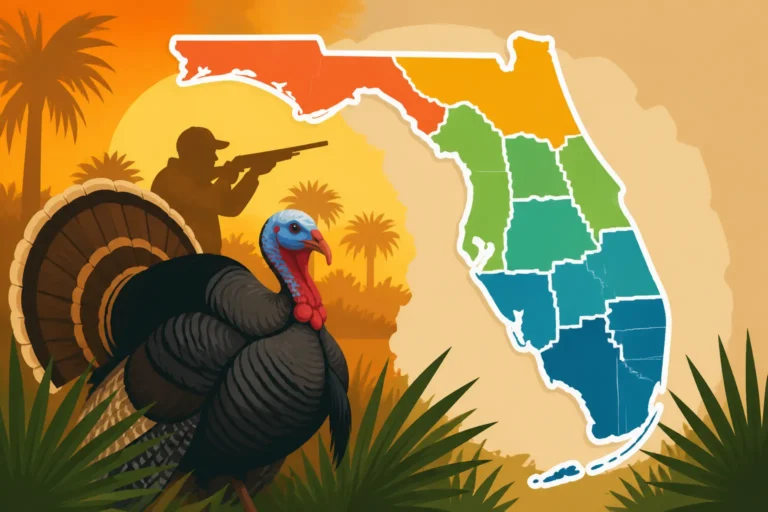
If you're dreaming of a Florida buck or a grand slam Osceola gobbler, your base license isn't enough. For deer hunting, you'll need the Florida Deer permit, which typically costs around $5.00 for residents. Similarly, for wild turkey, the Florida Turkey permit is required, usually costing $10.00. These permits are vital for funding specific management programs for these valuable game animals. It’s a small price to pay for the incredible opportunity to hunt these iconic Florida species.
Migratory bird hunters also have a few extra steps. If you plan to hunt ducks, geese, doves, or other migratory game birds, you’ll first need the Florida Migratory Bird permit, a free endorsement you get when purchasing your license. However, you also need to purchase a Federal Duck Stamp. This stamp, which is currently $25.00, is a federal requirement for all waterfowl hunters 16 years of age or older across the U.S., and 98% of the proceeds go directly to conserving wetland habitats for migratory birds. It's an investment in the future of waterfowl hunting, both in Florida and beyond. Ensuring you have all these pieces in place is crucial for a legal and worry-free hunt. You can find more details on what you need for migratory birds in the Florida Migratory Bird Certification guide.
Florida WMA Management Area Permit Requirements
Many of the best public hunting opportunities in Florida are found within its extensive network of Wildlife Management Areas (WMAs). However, accessing these managed lands almost universally requires an additional permit: the Florida WMA Management Area Permit. This permit, which costs around $26.50 for residents, is separate from your base hunting license and any species-specific endorsements. It helps fund the immense work involved in maintaining and improving these public lands for wildlife and hunter access, from prescribed burns and habitat restoration to road maintenance and facility upkeep.
It's a common point of confusion for new hunters, who might think their base license is all they need. But if you plan on hunting deer, hogs, turkey, or anything else on a WMA, this permit is non-negotiable. There are a few exceptions, such as national forests like the Ocala National Forest, which typically don't require the state WMA permit, but it's always best to check the specific regulations for the area you intend to hunt. Before heading out, always consult the FWC's WMA regulations booklet or their interactive map. You don't want to drive hours to your favorite spot only to realize you're missing a key permit. For a deeper dive into this, check out our guide on The Florida WMA Management Area Permit.
Other Specialized Permits and Licenses
While the focus here is on the general hunting licenses, Florida offers several other specialized permits for unique hunting opportunities. If you're interested in the ultimate Florida hunting experience, a specialized Alligator Trapping License is required to participate in the statewide alligator harvest program. Similarly, should Florida hold another black bear hunting season, a specific Florida Bear Permit would be necessary, often issued through a lottery system. These are separate, distinct permits from your general hunting license and often come with their own application processes and deadlines.
Even if you're just looking at different methods, you might need to think about specific rules for Crossbow Hunting During Florida's Archery Season if you're going that route. For those who are passionate about conservation and a long-term commitment, Florida also offers various Lifetime Licenses which, while a significant upfront investment, cover all base hunting and fishing, plus most endorsements, for life. These specialized permits reflect Florida's commitment to careful management of all its wildlife resources, ensuring sustainable hunting opportunities for future generations.
Purchasing Your Florida Hunting License with Ease
Gone are the days when buying a hunting license meant a trip to a single, obscure county office. Florida has made it incredibly convenient for residents to acquire their licenses and permits, offering several options that fit various lifestyles and preferences.
Online and Through the FWC Fish/Hunt Florida App
Without a doubt, the easiest and most popular way to purchase your Florida hunting license today is online or through the official FWC Fish/Hunt Florida app. The FWC’s website (GoOutdoorsFlorida.com) provides a seamless portal where you can create an account, view your license history, and purchase any necessary licenses and permits with just a few clicks. It’s available 24/7, meaning you can buy your license whenever inspiration strikes, whether it’s late at night after a scouting trip or early in the morning before heading out.
The FWC Fish/Hunt Florida app takes that convenience a step further, right into the palm of your hand. Once purchased, your licenses are stored digitally on the app, allowing you to carry proof of license on your phone. This is a huge benefit in the field, eliminating the worry of a lost paper license. Many hunters, myself included, rely heavily on this app for checking regulations, reporting harvests, and of course, ensuring our licenses are current. When you're using robust scouting and planning tools like GoHunt to map out your next adventure, having your licensing information just as accessible on your phone makes the entire process incredibly efficient. The ease of managing your entire hunting profile from your mobile device is truly a game-changer.
In-Person Retailers: The Traditional Route
For those who prefer a more traditional approach, or who like to combine their license purchase with other hunting supplies, Florida offers numerous in-person retail locations. You can typically find authorized license vendors at most Walmart Supercenters across the state, as well as many local sporting goods stores, bait and tackle shops, and even some county tax collectors' offices.
The benefit of purchasing in-person is the immediate gratification of a physical license in hand. It also provides an opportunity to ask questions to store personnel who are often fellow hunters or anglers, or to grab any last-minute essentials like a new pack of broadheads or some fresh scent eliminator. While technology has made things easier, there’s still something to be said for the tangible proof and the community feel of buying your gear and licenses at a local shop. Just remember that these locations will usually add that small administrative fee we discussed earlier.
Purchasing Over the Phone
For those who aren't comfortable with online transactions or simply prefer speaking to a human, Florida also offers a convenient phone purchase option. You can call the FWC's toll-free number (1-888-FISH-FLORIDA or 1-888-486-8935) to purchase your licenses and permits. This is a great choice for individuals who may not have internet access or who have specific questions that aren't easily answered through an online portal.
When purchasing over the phone, you’ll need to provide your personal information, including your Florida driver’s license or ID number, and your payment details. They can often mail you a physical copy of your license or provide you with a temporary authorization number, allowing you to hunt legally until your physical license arrives. This method ensures that everyone, regardless of their tech-savviness, has easy access to the necessary licenses to enjoy Florida’s incredible hunting opportunities. No matter how you choose to buy, remember that the goal is to be fully compliant and ready for your hunt.
Maximizing Your Investment: Tips and Considerations
Getting your hunting license is more than just a transaction; it's an investment in conservation and your outdoor passion. Understanding how to make the most of that investment, and what other options are available, can enhance your overall Florida hunting experience.
Youth and Apprentice Hunter Opportunities
Florida is keen on fostering the next generation of hunters, and they've created fantastic opportunities for youth. The state offers a Youth Hunting License that is completely free for residents under 16. Even better, under the Florida Mentored Youth Hunting Rules, youth under 16 can actually hunt without a license or permit (except for deer and turkey permits which are still required) as long as they are accompanied by a licensed adult 18 years or older who remains within arm's length. This is an incredible way to introduce kids to hunting without the initial financial burden, letting them experience the outdoors firsthand before committing to a full set of licenses.
Beyond the youth programs, Florida also has an Apprentice Hunter License for adults. This allows an unlicensed adult (or youth 16 years or older) to hunt for one year while under the supervision of a licensed hunter. It costs about $26.50 for residents and is a perfect stepping stone for new adult hunters who want to try the sport before completing a hunter education course. These programs are vital for maintaining the tradition of hunting and ensuring healthy wildlife populations for years to come. Understanding Florida Apprentice Hunter License Rules can make a huge difference for someone just starting out.
Lifetime Licenses: A Long-Term Solution
For those who are truly committed to hunting in Florida for the long haul, a Lifetime Hunting License is the ultimate investment. While the upfront cost is significantly higher than annual or five-year licenses (ranging from a few hundred to over a thousand dollars, depending on the applicant's age), it covers your base hunting license and most of the required endorsements (like deer and turkey permits, and the Florida migratory bird permit) for life. Imagine never having to worry about renewals, ever!
This option not only provides lifelong convenience but also acts as a powerful statement of support for Florida's conservation efforts, as the funds from lifetime licenses go into an endowment that generates interest for wildlife management. It's a fantastic gift for a child or grandchild, securing their hunting privileges for their entire lives. If you plan to spend decades pursuing game in Florida, and the initial cost isn't prohibitive, a lifetime license is the most cost-effective and hassle-free choice in the long run. It's truly a legacy investment in your passion. You can learn more about this in our detailed guide on Florida Lifetime License Options.
Checking Your License Status and Compliance
With multiple licenses and endorsements, it’s easy to lose track. However, compliance is paramount. Before every hunt, especially at the start of a new season, make it a habit to quickly check your license status. The FWC website (GoOutdoorsFlorida.com) allows you to log in and view all your current licenses and their expiration dates. The FWC Fish/Hunt Florida app also provides this information at a glance, making it incredibly easy to confirm you're legal.
There’s nothing worse than having a game warden check your license and finding out you’re missing a crucial endorsement. Ignorance of the law is not an excuse, and penalties can range from fines to loss of hunting privileges. Beyond just checking your licenses, keep up to date on all regulations, bag limits, and season dates for your specific hunting zone. Tools like GoHunt can help you consolidate all this information, making sure your scouting and planning includes a quick license check. Staying informed ensures a safe, legal, and enjoyable experience every time you head into Florida’s wild outdoors. For more practical advice on this, consider reading Carrying Proof of License on Your Phone.
| License Type | Duration | Resident Cost (approx.) | What it Covers (Base) | Common Add-ons Needed (Cost) |
|---|---|---|---|---|
| Hunting License | Annual | $17.00 | Small Game, Hogs | Deer ($5), Turkey ($10), WMA ($26.50), Migratory Bird (Free) |
| Hunting License | 5-Year | $79.00 | Small Game, Hogs | Deer ($5), Turkey ($10), WMA ($26.50), Migratory Bird (Free) |
| Youth Hunting License | Annual | Free | Small Game, Hogs (with licensed adult) | Deer ($5), Turkey ($10), WMA ($26.50) |
| Apprentice Hunter License | 1 Year | $26.50 | Small Game, Hogs (with licensed adult) | Deer ($5), Turkey ($10), WMA ($26.50), Migratory Bird (Free) |
| Lifetime Hunting License | Lifetime (age-dependent cost) | ~$300-$500+ | All base hunting, most endorsements | Typically included, check specific details |
Note: Costs are approximate, reflect typical resident fees, and do not include vendor/processing fees or the Federal Duck Stamp ($25) for waterfowl hunting. Always confirm current fees with the FWC.
Disclaimer
The information provided in this guide is for informational purposes only and is not legal advice. Hunting regulations and license fees are subject to change by the Florida Fish and Wildlife Conservation Commission (FWC). Always consult the official FWC website or current regulations handbook before engaging in any hunting activities to ensure compliance with all state and federal laws.