Florida Disabled Hunter Permit Options
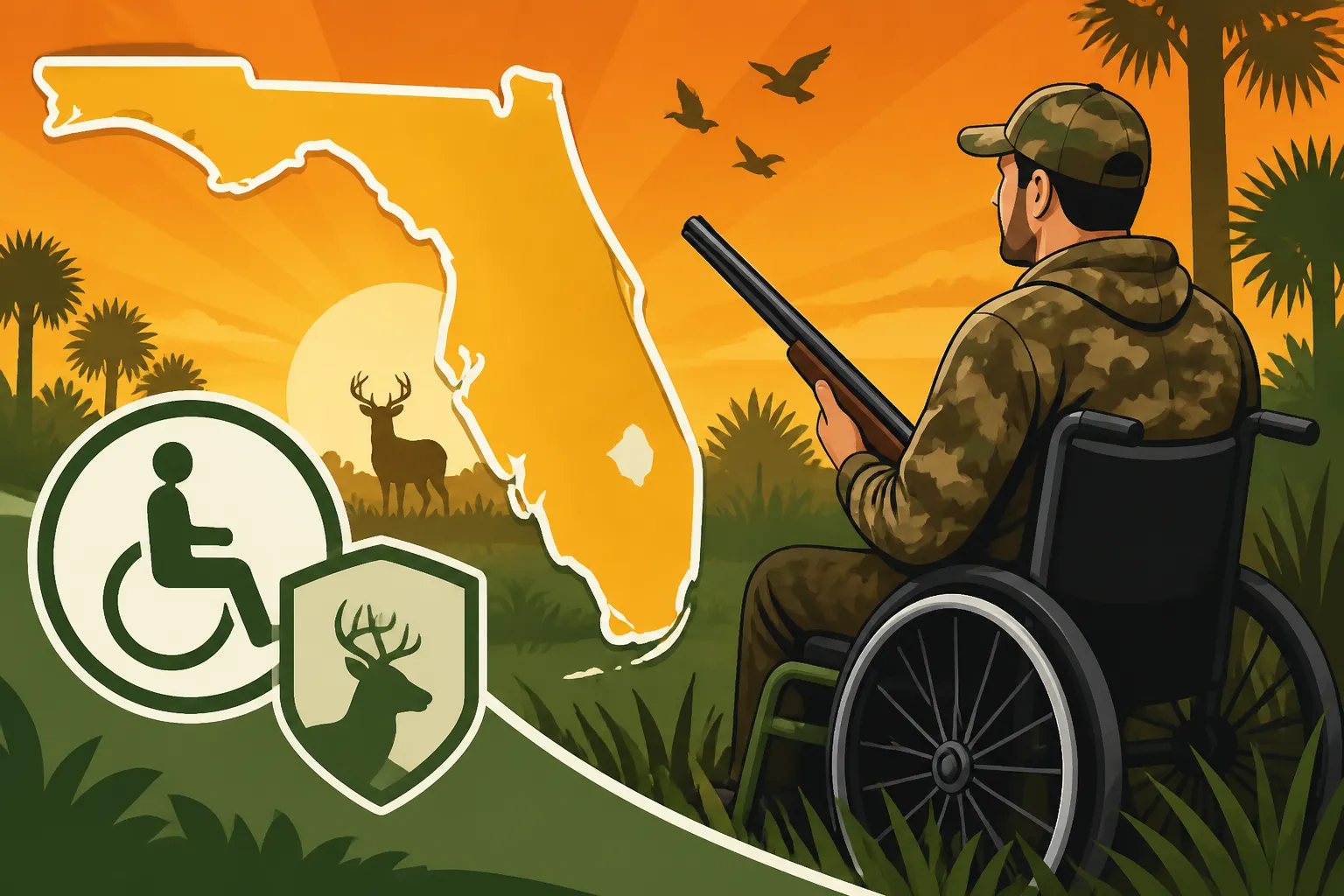
Hunting in Florida, with its vast swamps, dense palmetto thickets, and expansive pine flatwoods, presents a unique set of challenges for any outdoors enthusiast. For those living with disabilities, these challenges can feel amplified, often making the dream of harvesting a deer, turkey, or hog seem daunting, if not impossible. The frustration of wanting to be out there, to experience the wild, but facing physical barriers or regulations not designed with accessibility in mind, is incredibly real. This guide aims to demystify Florida's disabled hunter permit options, outlining the paths available to ensure that more individuals can enjoy the rich hunting traditions our state offers, understanding how these permits work to open up new opportunities and level the playing field.
Understanding Florida's Disabled Hunter Permit Program
Florida’s Fish and Wildlife Conservation Commission (FWC) recognizes that disabilities shouldn't automatically disqualify passionate individuals from participating in hunting. To this end, they've established a program designed to provide reasonable accommodations, ensuring that hunters with qualifying disabilities can still experience the thrill of the chase. This isn't about granting unfair advantages, but rather about addressing legitimate physical limitations that would otherwise prevent participation, making the outdoors accessible for all.
Eligibility Requirements for Disabled Hunter Permits
To be considered for a disabled hunter permit in Florida, an individual must meet specific criteria regarding their physical condition. The FWC's definition of "disabled" for hunting purposes isn't just a broad term; it's quite specific. Generally, you're looking at permanent physical impairments that substantially limit one or more major life activities, particularly those directly impacting the ability to hunt under standard regulations. This might include significant mobility impairments requiring the use of a wheelchair or other assistive devices, or conditions that severely restrict the use of limbs, making traditional weapon handling or long-distance travel difficult.
The application process typically requires a detailed medical certification. This isn't just a casual note from your doctor; it's usually a specific form provided by the FWC that needs to be completed and signed by a licensed physician. This form will ask for a description of the disability, its severity, its permanence, and how it impacts your ability to perform certain hunting-related actions. For instance, if you're applying for a permit to shoot from a vehicle, your physician would need to attest to the medical necessity of this accommodation due to a severe mobility impairment. The FWC evaluates each application on a case-by-case basis, so thorough and accurate documentation is absolutely critical for a successful outcome. It’s not uncommon for applicants to feel a bit overwhelmed by the paperwork, but taking the time to gather all necessary medical evidence truly pays off in the long run.
Types of Disabled Hunter Permits Available
Florida offers several specific permits and accommodations tailored to different needs, rather than a single, all-encompassing "disabled hunter permit." These are designed to address particular barriers, allowing for greater flexibility and access. Understanding which permit aligns with your specific needs is the first step toward expanding your hunting opportunities.
One of the most frequently sought-after accommodations is the Disabled Person's Crossbow Permit. This permit allows individuals with specific upper body disabilities, which prevent them from drawing and holding a traditional vertical bow, to use a crossbow during Florida's archery season. This is a huge benefit for many bowhunters who might otherwise be forced to sit out the early archery season entirely. Imagine the frustration of having to wait for general gun season when your friends are already hitting the woods during the prime, less pressured archery window. This permit helps bridge that gap, allowing you to enjoy the full length of the season. For more details on the general rules, you might want to read up on Crossbow Hunting During Florida's Archery Season to understand the broader context.
Another crucial permit is the Disabled Person's Vehicle Permit. This permit is a game-changer for hunters with significant mobility impairments, as it allows them to shoot game from a stationary vehicle on specific public lands, or to operate off-highway vehicles (OHVs) in areas where such use would otherwise be restricted for accessibility to hunting locations. Florida's public lands, particularly some of the larger Wildlife Management Areas (WMAs), can be vast and challenging to navigate without assistance. For someone who uses a wheelchair or has limited walking ability, covering the necessary ground to reach prime hunting spots is simply not feasible under normal conditions. This permit means you can get deeper into the woods, positioning yourself effectively without violating vehicle regulations. It’s truly about enabling participation.
Beyond these specific permits, the FWC also facilitates Special-Opportunity Mobility-Impaired Hunts on certain WMAs. These are dedicated quota hunts specifically designed for hunters with disabilities, often providing enhanced accessibility features like improved roads, designated hunting zones, or even accessible blinds. These hunts can offer a less crowded, more tailored experience. You'll often find information about these through the FWC’s quota hunt application portal or by contacting WMA managers directly. Tools like GoHunt can sometimes provide insights into specific WMA characteristics, which might help disabled hunters identify suitable areas, though always cross-reference with official FWC maps and regulations.
Applying for Your Disabled Hunter Permit in Florida
The application process for any FWC permit can feel like a labyrinth, and disabled hunter permits are no exception. But don't let the paperwork deter you; it's a necessary step to ensure these privileges are granted to those who truly need them. Taking a methodical approach will save you headaches and ensure a smoother experience.
Step-by-Step Application Process
First things first, you'll need to obtain the correct application forms directly from the FWC website or by contacting their regional offices. Do not rely on outdated forms you might find floating around online. The FWC website is always the most up-to-date source. For permits like the Disabled Person's Crossbow Permit or Vehicle Permit, there are specific forms. You'll typically need to fill out your personal information, including your Florida hunting license details. Remember that even with special permits, you still need a valid Florida hunting license and any other required stamps or endorsements, so make sure you're squared away on Florida Hunting Licenses and What They Cost.
Once you have your section of the form completed, the critical next step involves your physician. The medical certification section must be filled out, signed, and dated by a licensed medical doctor, osteopathic physician, or chiropractor. They will need to attest to your specific disability and how it meets the FWC's criteria for the permit you're seeking. Make sure your doctor understands what the permit allows and why it's medically necessary for you to hunt. Sometimes, a brief discussion with your doctor about your hunting goals and how your disability impacts them can help them provide a more accurate and supportive medical statement.
After both you and your physician have completed the necessary sections, you'll need to submit the application to the FWC. This can usually be done by mail, sometimes by email, or in person at certain FWC offices. Always keep copies of everything you submit for your records. Processing times can vary, so it's always best to apply well in advance of any planned hunts, especially if you're aiming for a specific season opener. Planning ahead is key for all hunters, but especially when dealing with permit applications.
Documentation and Medical Verification
The FWC takes the medical verification process seriously to prevent misuse of these special permits. The documentation you provide is the foundation of your application. Your physician's statement needs to clearly articulate the nature of your disability, its permanence, and how it directly affects your ability to participate in hunting activities under standard regulations. For example, if you need a Disabled Person's Crossbow Permit, the medical certification should explain why your upper body impairment prevents you from safely and effectively drawing and holding a traditional bow. If you need a Disabled Person's Vehicle Permit, the documentation should describe why your mobility impairment necessitates vehicle access or shooting from a stationary vehicle.
In some cases, the FWC might require additional information or clarification from your physician. They may also review your application with their own medical consultants. This isn't meant to be an interrogation, but rather a due diligence process to ensure fair and proper issuance of permits. It’s important to be cooperative and provide any requested follow-up information promptly. Remember, the goal is to establish a clear and undeniable link between your disability and the need for the specific accommodation provided by the permit. Platforms like GoHunt often emphasize the importance of understanding regulations, and this meticulous approach to documentation is part of that same commitment to lawful and responsible hunting.
Special Hunting Privileges and Accommodations
Receiving a disabled hunter permit isn't just about a piece of paper; it's about unlocking specific privileges and accommodations that dramatically enhance your ability to hunt effectively and safely in Florida's diverse landscapes. These privileges are carefully designed to address the unique challenges faced by hunters with disabilities.
Enhanced Accessibility on Public Lands
One of the most significant benefits of a Disabled Person's Vehicle Permit is the potential for enhanced access to Florida's vast public lands. While general regulations often restrict vehicle use to designated roads or trails on Wildlife Management Areas (WMAs) and National Forests, this permit can grant exceptions. This means a hunter with severe mobility issues might be able to operate a utility vehicle (UTV) or ATV on specific management roads or firebreaks that are otherwise closed to the general public, allowing them to reach prime hunting grounds that would be completely inaccessible on foot. This can be particularly impactful when trying to access areas deep within, say, Ocala National Forest Hunting or Apalachicola National Forest Hunting, which are known for their rugged terrain.
Additionally, some WMAs and public hunting areas have specifically designated mobility-impaired hunting zones or trails. These areas are often managed with accessibility in mind, sometimes featuring wider, more stable trails, or even specially designed accessible hunting blinds. The FWC continually works to improve accessibility, and these permits are a cornerstone of that effort. It's always a good idea to contact the WMA office directly or check the specific WMA regulations for any designated accessible areas or special provisions. Using mapping tools, possibly even those offered by GoHunt, can help you identify potential access points, but always verify with official FWC sources for the most accurate and up-to-date rules regarding permitted vehicle use on specific tracts of land.
Deviations from Standard Hunting Regulations
Beyond access, disabled hunter permits can also provide crucial deviations from standard hunting regulations, which are vital for participation. The most prominent example is the aforementioned Disabled Person's Crossbow Permit. Normally, crossbows are restricted during Florida's early archery seasons, only becoming legal for all hunters during general gun seasons or in specific circumstances. However, with this permit, an eligible disabled hunter can use a crossbow during any established archery season statewide. This means they don't have to miss out on the vital early-season opportunities when deer patterns might be more predictable and hunting pressure is lower. This is a game-changer for someone who simply cannot pull a traditional bow due to a physical limitation.
Similarly, the Disabled Person's Vehicle Permit allows qualified individuals to shoot game from a stationary vehicle under certain conditions. This is a privilege typically prohibited under general hunting regulations. Imagine being unable to quickly get out of a vehicle and maneuver into a shooting position due to limited mobility. This permit allows the hunter to make an ethical shot directly from their vehicle, provided it is stationary and all other safety regulations are met. This can be crucial in areas where a quick shot is needed, or where leaving the vehicle poses a significant challenge. However, it's vital to understand the specific limitations and safety requirements that come with this privilege. You're not allowed to chase game with a vehicle, for instance, and the vehicle must be completely stopped. Adherence to all other hunting laws, such as bag limits and deer reporting requirements, remains absolutely paramount.
Here's a quick overview of some key disabled hunter permit options and their benefits:
| Permit Type | Primary Benefit | Eligibility Criteria (General) | Key Restrictions/Notes |
|---|---|---|---|
| Disabled Person's Crossbow Permit | Use crossbow during archery season (when otherwise restricted) | Upper body disability preventing traditional bow use | Must possess valid hunting license and archery permit |
| Disabled Person's Vehicle Permit | Shoot from stationary vehicle; off-road vehicle access | Severe mobility impairment requiring vehicle assistance | Vehicle must be stationary; specific WMA rules apply |
| Disabled Persons Hunting & Fishing License | Discounted/free hunting & fishing licenses (if qualified) | 100% service-connected disabled veteran or permanent/total disability | Requires specific documentation; check FWC for details |
| Special-Opportunity Mobility-Impaired Hunts | Access to designated, accessible quota hunts on WMAs | As defined for specific hunt (usually mobility-impaired) | Requires separate quota application; limited slots |
Navigating Challenges and Maximizing Your Florida Hunt
While disabled hunter permits open doors, they don't erase all the challenges of hunting in Florida. The unique environment of our state still demands careful planning and adaptability, especially for hunters with disabilities. The goal is to maximize your opportunities while staying safe and ethical.
Overcoming Physical Barriers in Florida Terrain
Florida's landscape is beautiful but can be notoriously difficult to navigate. From the thick, unforgiving saw palmetto flatwoods to the deep, mucky cypress swamps, every step can be a struggle, even for able-bodied hunters. For someone with a mobility impairment, these physical barriers are significantly amplified. Even with a Disabled Person's Vehicle Permit allowing access on certain roads, getting from the vehicle to a specific stand location or retrieving game can still be a monumental task.
One strategy is to focus on areas that naturally offer easier terrain. This might include hunting along agricultural field edges, utility line easements, or open pine forests where the undergrowth is less dense. When Hunting a Florida Green Swamp Slough, for example, even with a permit, direct navigation into the deepest parts might be impossible without specialized equipment. Utilizing ground blinds, like those described in Using a Ground Blind on Florida Public Land, can be incredibly effective. A pop-up blind can be set up relatively quickly near a vehicle access point, offering concealment and a comfortable, stable shooting platform without requiring extensive movement. Scouting, perhaps using online mapping tools or even having a friend scout for you, to identify accessible game trails or pinch points near accessible roads is absolutely vital before the season starts.
Resources and Support for Disabled Hunters
Florida has a strong hunting community, and that extends to supporting hunters with disabilities. Beyond the FWC's permit programs, there are various organizations and resources available to help. Groups like the National Wild Turkey Federation (NWTF) or Quality Deer Management Association (QDMA) sometimes host special events or provide resources for disabled hunters, including youth hunters with disabilities. These organizations often advocate for increased access and provide hands-on assistance.
Don't hesitate to reach out to local FWC biologists or WMA managers. They are often incredibly knowledgeable about their specific areas and can offer advice on accessible spots, potential challenges, and any specific rules for disabled hunters on their property. They might even know of volunteer groups willing to assist with blind setup or game retrieval. Even commercial hunting platforms like GoHunt sometimes feature articles or forums where disabled hunters share tips, gear recommendations, and success stories, offering a valuable peer-to-peer support network. The key is not to go it alone. There are people and resources dedicated to helping you enjoy the hunt, so take advantage of them.
Ultimately, Florida's disabled hunter permit options are a testament to the FWC's commitment to inclusive hunting. While the application process requires attention to detail, the doors these permits open for outdoor enthusiasts with disabilities are well worth the effort. By understanding the eligibility, navigating the application, and leveraging the special privileges, you can continue to pursue your passion for hunting across our beautiful state.
Disclaimer
The information provided in this guide is for informational purposes only and is not intended as legal advice. Hunting regulations and permit requirements in Florida are subject to change. Always consult the official Florida Fish and Wildlife Conservation Commission (FWC) regulations and website or contact the FWC directly for the most current and accurate information before planning any hunting activities.