Florida Buck Bag Limit
Navigating the ins and outs of Florida's deer hunting regulations can feel like slogging through a cypress swamp in knee-deep water – especially when it comes to understanding exactly how many bucks you're allowed to harvest. It’s rarely a straightforward answer, with rules that often shift depending on the specific zone or public land you're hunting. This comprehensive guide is here to shed light on Florida's buck bag limits, helping you decipher the regulations so you can focus on the hunt itself, not legal anxieties.
Understanding Florida's General Buck Bag Limit
When you’re preparing for deer season in Florida, one of the most fundamental pieces of information you need is the statewide buck bag limit. It might seem like a simple concept, but there are layers to peel back to truly grasp what's allowed and, more importantly, what constitutes a legal buck in our unique landscape.
Statewide Daily and Season Limits
For most of Florida's general hunting lands, the statewide daily bag limit for deer is one antlered deer per day. This means that once you've successfully harvested a legal buck and tagged it, your antlered deer hunting for that calendar day is complete. You can't just head back out and try for another one. This daily limit is in place to manage harvest pressure and ensure a fair distribution of opportunities across the hunting population.
Beyond the daily limit, there’s also a season limit to consider. Currently, the season bag limit for antlered deer across Florida is two per hunter per season. This applies to the entire statewide deer season, regardless of how many zones you might hunt in or how many different trips you take. So, if you manage to tag a buck during the archery season and then another during the general gun season, you've reached your season limit for antlered deer. This limit helps FWC manage the overall deer population, ensuring sustainability for future hunting generations. It's not about preventing you from filling your freezer, but about balancing harvest with herd health. Always make sure you're keeping track of your harvests, perhaps logging them in a personal journal or utilizing digital tools, to avoid unintentionally exceeding this limit.
The Importance of Antler Regulations
Now, here's where "buck" gets specific in Florida: not just any male deer counts as a legal antlered deer. The Florida Fish and Wildlife Conservation Commission (FWC) defines a legal antlered deer as any deer with at least one antler five inches or longer in length. This is a critical detail, as it means spike bucks (those with short, unbranched antlers) can be legal, as long as one of their antlers meets that minimum five-inch requirement. It's not about antler points (like many other states); it's about length. This standard is applied across most general hunting lands in Florida.
Why is this specific antler regulation in place? It's primarily a management strategy. By focusing on antler length rather than points, FWC aims to simplify the rule for hunters while still providing some level of protection for very young bucks that might not yet have developed significant antlers. It’s different from antler point restrictions (APRs) you see in many other states, which aim to protect yearling bucks by requiring a certain number of points. In Florida, that five-inch rule is your primary guide. You might find resources like GoHunt helpful for quickly referencing these specific antler rules, especially when you're out in the field and need a quick refresher. Understanding this distinction is key to staying legal and contributing to responsible herd management. You wouldn't want to mistakenly harvest a deer that doesn't meet the legal antler criteria, leading to a violation and potential penalties.
Zone-Specific Buck Bag Limits and Special Regulations
Florida's diverse ecosystems mean that hunting isn't a one-size-fits-all endeavor. Our state is divided into distinct deer management zones, and within those, various public hunting areas, all of which can influence how and when you can harvest a buck.
How Zones Impact Your Bag Limit
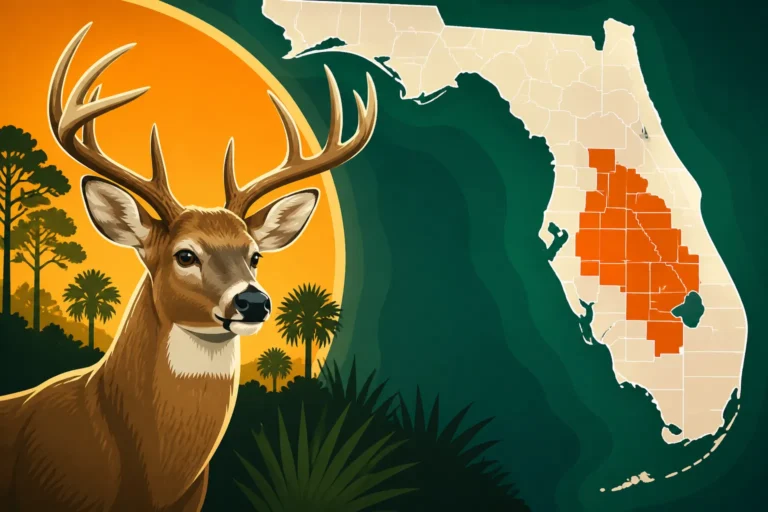
Florida is neatly carved into four deer management zones: A, B, C, and D. While the statewide daily limit of one antlered deer and a season limit of two antlered deer per hunter generally holds true across these zones, the timing of the seasons varies dramatically. For instance, Florida's Four Deer Management Zones Explained shows that Zone A, in the southwest, often opens much earlier than Zone D in the Panhandle. This staggered approach means that while your overall buck limit remains consistent, your opportunities to fill those tags are spread out across different calendars and rut timings.
A hunter might choose to pursue a buck in Zone A during its early archery season, and then travel north to Zone D later in the year for its later gun season. In both scenarios, the same statewide bag limits apply to your total harvest. However, the different season lengths and timings within each zone mean you need to be acutely aware of which zone you're hunting in at any given moment. This is particularly relevant if you're a hunter who enjoys pursuing deer across various parts of the state, taking advantage of different rut phases or habitat types. Knowing Which Zone Covers Your Florida County is vital, as straying across a zone boundary without realizing it could put you out of season for antlered deer. The flexibility of these zones, combined with the consistent statewide buck limit, allows for varied hunting strategies, but always within the overarching two-buck-per-season constraint.
Quota Hunts and WMA Regulations
Here's where things get a bit more intricate and require close attention: Wildlife Management Areas (WMAs) and specific quota hunts often operate under their own sets of regulations, which can be more restrictive than the general statewide rules. This is a point of confusion for many hunters, especially those new to public land hunting in Florida. While the statewide rule is one antler five inches long, many WMAs implement what are called "antler point restrictions" or more stringent antler length requirements.
For example, on many WMAs, a legal antlered deer might be defined as having "at least three points on one antler" or a "main beam of 10 inches or more." This significantly raises the bar compared to the general statewide rule. These stricter regulations are implemented for various reasons, including enhancing herd quality, protecting yearling bucks, and managing hunting pressure on popular public lands. If you draw a permit for a quota hunt, or plan to hunt a WMA, it is absolutely paramount to consult the specific WMA brochure for that area. This brochure will detail all the unique rules, including any special antler regulations, daily bag limits, and even designated hunting periods for antlered versus antlerless deer. Overlooking these specific WMA rules can quickly lead to a violation, even if you were perfectly legal under the statewide guidelines. Resources like GoHunt are excellent for quickly accessing WMA-specific regulations, often providing detailed overlays that illustrate boundary lines and specific rules for individual hunt areas. Don't rely solely on the general statewide rules when stepping onto a WMA; always do your homework!
Legalities, Reporting, and Best Practices
Understanding the buck bag limit is only half the battle. Just as crucial is knowing how to properly tag and report your harvest, and adopting best practices that keep you legal and ethical in the field. Ignoring these steps can undermine your successful hunt, turning a moment of triumph into a costly mistake.
Proper Tagging and Reporting Requirements
After you’ve successfully harvested a legal antlered deer in Florida, the immediate next step is proper tagging. Florida law requires hunters to immediately tag their harvested deer. This means as soon as the deer is down and you confirm it’s a legal animal, you need to notch your deer tag and securely attach it to the deer. The tag must remain affixed until the deer is consumed or transferred to a processor. This system helps FWC track individual harvests and ensures accountability.
Beyond tagging, every harvested deer in Florida must be reported to the FWC. This reporting is mandatory and helps the agency gather vital data for deer management and population assessments across the state. You can report your harvest quickly and easily through the FWC's Go Outdoors Florida mobile app or their website. The process is straightforward, requiring information such as the date of harvest, the county, the deer's sex, and the antler status. Make sure you report your deer within 24 hours of harvest. This data is critical for biologists to understand harvest trends and make informed decisions about future seasons and regulations. For anyone looking for a quick reference, the FWC app is invaluable for both checking regulations and submitting harvest reports directly from the field. Getting familiar with Reporting a Deer Through Florida's App before the season starts will save you a lot of hassle.
Avoiding Common Misunderstandings and Violations
Given the different zones and WMA-specific rules, it's easy for misunderstandings to arise. One common pitfall is assuming statewide rules apply uniformly everywhere. A hunter might successfully take a five-inch antler buck on private land under general regulations, but then harvest a similar buck on a WMA with a three-points-on-one-side rule, unknowingly committing a violation. Another mistake involves miscounting your season limit, especially if you hunt multiple properties or during different phases of the season. Always keep clear records.
To avoid these headaches, the best practice is always to consult the most current FWC regulations handbook and any specific WMA brochures pertinent to your hunting area. Websites like GoHunt and the FWC's own online resources are invaluable for staying current. Before each hunt, take a few minutes to re-familiarize yourself with the specific bag limits, antler regulations, and season dates for that particular location and time. This vigilance is your best defense against unintended violations. Penalties for deer hunting violations can range from significant fines to loss of hunting privileges, so it's not a matter to take lightly.
Ethical Considerations and Conservation
Beyond simply staying legal, there's an ethical component to buck bag limits that every responsible hunter considers. The regulations are designed to help conserve Florida's deer herds, but individual choices also play a huge role. For instance, even if you're legally allowed to take two bucks in a season, you might choose to pass on a smaller buck if you know your local property is trying to foster a healthier age structure among its deer. Understanding the Florida Buck-to-Doe Ratio by Zone can inform these decisions, as an imbalanced ratio might call for different management strategies.
Conservation isn't just about adhering to the letter of the law; it's about making thoughtful decisions that benefit the wildlife resource. Participating in harvest surveys, reporting your game accurately, and even simply observing deer patterns in your hunting area all contribute to a larger picture of wildlife management. By respecting the limits and making informed choices, we ensure that future generations of hunters will have the same, if not better, opportunities to pursue Florida's beautiful white-tailed deer. Hunting is a privilege, and with that privilege comes the responsibility to be good stewards of the land and its creatures.
| Hunting Location | Daily Antlered Deer Limit | Season Antlered Deer Limit | Antler Requirement (Minimum) | Notes |
|---|---|---|---|---|
| Statewide | 1 | 2 | One antler 5 inches or longer | Applies to private lands and some public lands not specifically regulated. |
| Most WMAs | 1 | Variable (often 2) | Usually 3 points on one side OR 10-inch main beam | Highly variable; Always check individual WMA brochure for specific rules. |
| Quota Hunts | 1 | Variable (often 1 or 2) | Varies by hunt (can be stricter) | Permit-specific rules; Must consult hunt details. |
Disclaimer
Please remember that hunting regulations can change. While this guide provides the most current and accurate information available at the time of writing, it is always your responsibility to consult the official Florida Fish and Wildlife Conservation Commission (FWC) regulations each hunting season. Local and specific WMA rules may override statewide general regulations.