Osceola Turkeys in Peninsular Florida
There's a special kind of magic, and a whole lot of frustration, when you chase an Osceola turkey across the palmetto flats and pine woods of peninsular Florida. These birds, unique to our state, can humble even the most seasoned turkey hunter, often gobbling their heads off one moment and then disappearing into the thick scrub the next. This comprehensive guide will walk you through everything you need to know about pursuing the wily Osceola, from understanding their distinct behavior to mastering the calls that might just bring one strutting into your setup.
What Makes the Osceola Turkey So Special and Elusive?
For many turkey hunters, the Osceola isn't just another turkey; it's a coveted gem, the final puzzle piece in completing the Grand Slam of North American wild turkeys. What makes these birds so captivating, and often, so maddeningly difficult to hunt, lies in their unique genetics, limited range, and the challenging terrain they call home.
Subspecies Distinctiveness and Limited Range
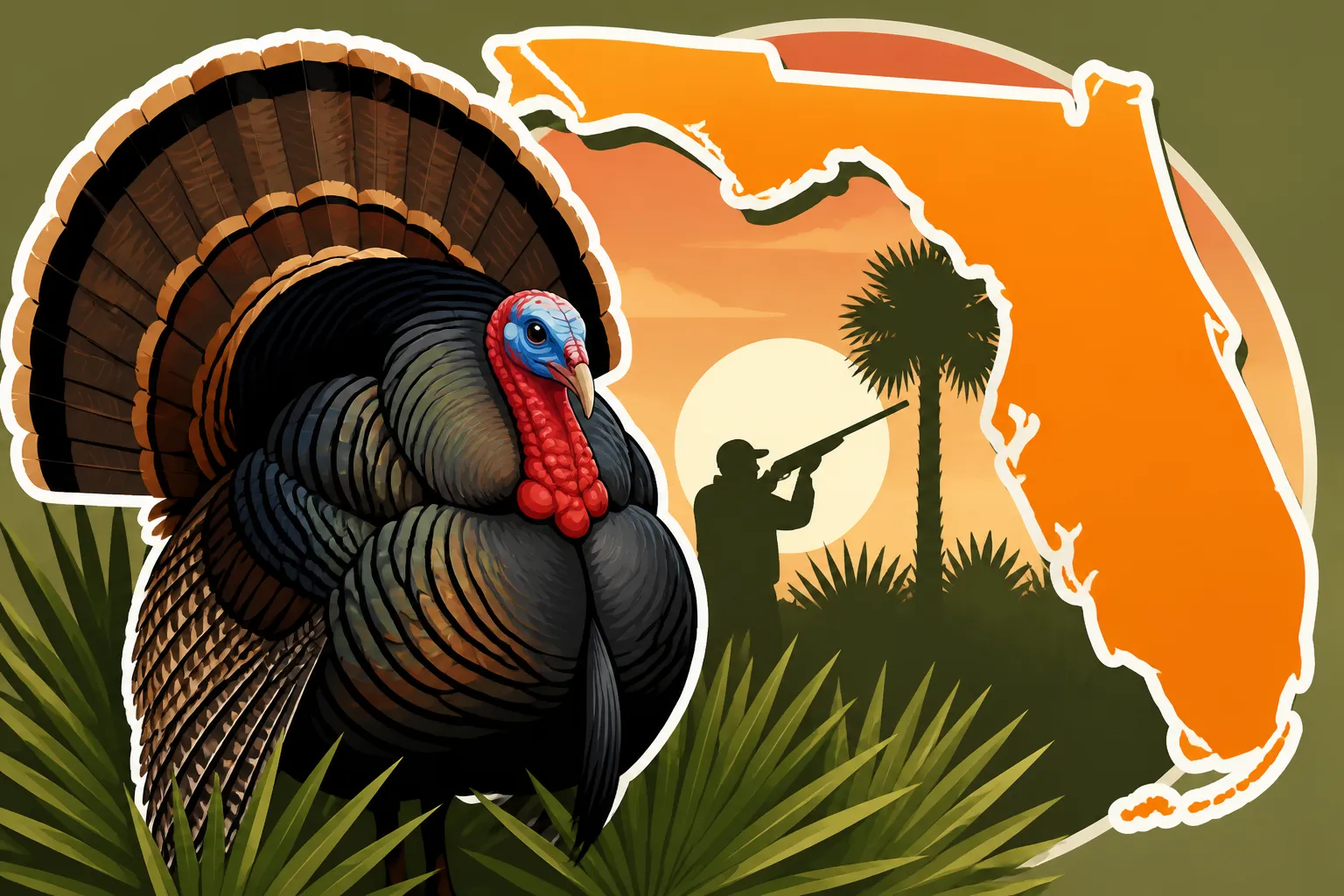
The Osceola turkey, Meleagris gallopavo osceola, is one of five recognized subspecies of wild turkey, and it's the only one found exclusively in the Florida peninsula. You won't find a true Osceola gobbler outside of our state, which immediately elevates its status for hunters looking to check off their Grand Slam or even the even more challenging Royal Slam. Genetically, they are a distinct population of the wild turkey species, adapted to Florida's subtropical environment. Physically, they tend to be smaller and darker than their Eastern turkey cousins, with iridescent green and red feathers that shimmer in the sunlight. Their wing feathers have less white banding, appearing darker overall, which can be a subtle but key identification factor in the field. This unique appearance, combined with their restricted habitat, creates an almost mythical quality around these birds.
The limited geographic range means that if you want to hunt an Osceola, you have to come to Florida. This immediately presents logistical challenges for non-resident hunters, from travel and accommodation to understanding our specific regulations. Unlike the widespread Eastern turkey, which spans much of the eastern United States, the Osceola is confined by natural and artificial boundaries, roughly south of Jacksonville and east of the Apalachicola River. This concentration makes their populations intensely managed and often heavily hunted in accessible areas, adding to their elusiveness. For many, the challenge isn't just finding a gobbler, but finding a true Osceola within its recognized range, ensuring the authenticity of their Grand Slam quest.
The "Grand Slam" Appeal and Historical Context
The pursuit of the Grand Slam – harvesting one of each of the four main wild turkey subspecies (Eastern, Rio Grande, Merriam's, and Osceola) – is a significant accomplishment in the turkey hunting world, and the Osceola is almost always the toughest checkmark for hunters outside of Florida. This high demand, coupled with the birds' inherent wariness, contributes to their elusive nature. Historically, Osceola populations faced significant pressure due to habitat loss and unregulated hunting, mirroring the struggles of other wild turkey subspecies across the country. However, through dedicated conservation efforts by the Florida Fish and Wildlife Conservation Commission (FWC) and various private land initiatives, their numbers have rebounded remarkably.
Today, while populations are healthy, these birds remain a challenge. They live in environments that often feature dense palmetto thickets, vast pine plantations, and scattered oak hammocks – terrain that offers endless hiding spots and makes spotting birds from a distance extremely difficult. This forces hunters to rely heavily on keen hearing, patience, and effective calling to pinpoint and draw in a gobbler. The dense cover also means that once a bird is located, closing the distance and setting up undetected can be a major hurdle. It’s not uncommon for an Osceola to gobble intensely from a distance, only to go silent or slip away unnoticed through the undergrowth if the hunter makes a single wrong move. This combination of unique status, historical resilience, and challenging habitat truly cements the Osceola's reputation as a special, and often frustrating, target for turkey hunters.
Where the Wild Osceolas Roam: Understanding Their Range
Successfully hunting an Osceola turkey starts with a deep understanding of where these unique birds live and what kind of environments they prefer. Unlike the vast, contiguous forests preferred by many Eastern turkeys, Osceolas thrive in a mosaic of Florida's distinct landscapes. Knowing these habitats and the general geographic boundaries of their range is critical for both scouting and hunting.
Geographical Boundaries and Specific Counties
The Osceola turkey's range is strictly limited to the Florida peninsula. Essentially, if you draw a line from roughly Jacksonville on the Atlantic coast southwest to Cedar Key on the Gulf Coast, and everything south of that line, you're in Osceola territory. The Panhandle, west of the Apalachicola River, is home to the Eastern turkey subspecies. This clear delineation means that precise location matters when you're trying to tag a true Osceola for your Grand Slam. The FWC maintains clear zones for turkey hunting, and it's important to understand the Where the Osceola and Eastern Turkey Zones Divide to ensure you're in the correct region.
Within this peninsular range, some counties are renowned for their Osceola populations. Counties like Polk, Osceola, Highlands, Collier, and Okeechobee are often mentioned as hotspots, known for their extensive ranch lands, state forests, and wildlife management areas (WMAs) that hold strong numbers of gobblers. However, the birds are present throughout suitable habitat across the peninsula, from the northern reaches near Gainesville down to the fringes of the Everglades. While certain areas might have higher densities or more accessible public land, a diligent hunter can find opportunities in many parts of the state. Utilizing mapping tools, like those found on GoHunt, can be invaluable for pinpointing public lands and understanding land ownership boundaries in these prime areas.
Habitat Preferences: Pine Flatwoods, Palmetto Scrub, and Oak Hammocks
Osceolas are experts at utilizing the diverse, often thick, habitats found in peninsular Florida. Their primary stomping grounds include vast expanses of pine flatwoods, characterized by longleaf or slash pines with an understory of palmetto, wiregrass, and various shrubs. These flatwoods provide excellent roosting trees, foraging areas, and crucial cover. The dense palmetto offers protection from predators and often creates impenetrable areas where gobblers can escape or choose to strut unseen. Hunting an Osceola Gobbler in Palmetto Scrub requires specific tactics due to this challenging terrain.
Another key habitat is the scattered oak hammocks, which are islands of hardwood trees like live oaks, water oaks, and laurel oaks, often found within the larger pine flatwoods or surrounded by agricultural fields. These hammocks provide crucial food sources, especially acorns, and offer dense shade and cover during the warmer parts of the day. Turkeys will often feed in and around these hammocks, especially during the fall and early winter, though their importance remains through the spring. Lastly, don't overlook the edges of cypress swamps and wet prairies. While they might not be central to their daily routine, turkeys will often travel along these fringes, utilizing the more open terrain for strutting or crossing, and sometimes even roosting in large cypress trees. The key is to recognize how these varied habitats connect and how turkeys move between them for roosting, feeding, and breeding throughout the day.
Life Cycle and Behavior of the Peninsular Gobbler
Understanding the seasonal patterns and daily behaviors of Osceola turkeys is fundamental to successful hunting. These birds are creatures of habit, but they're also masters of adapting to their environment, which can make them incredibly unpredictable. Knowing their general routine can help you anticipate their moves and set up for success.
Seasonal Patterns: Breeding, Nesting, and Roosting
The most anticipated season for Osceola hunters is, of course, the spring breeding season. In Florida, this typically kicks off with gobbling activity intensifying as early as late February in the southern zones, extending through March and April. The exact timing of Florida Osceola Spring Season Dates varies slightly by zone, but generally, gobblers become highly vocal and eager to breed. During this time, the toms will spend their mornings gobbling from the roost, attempting to attract hens, and then fly down to strut and display in open areas. As the season progresses and more hens are bred and begin nesting, gobblers may become "henned up," meaning they are with a group of hens and less responsive to hunter calls. This can be one of the most frustrating aspects of spring turkey hunting.
Hens begin nesting in late March through May, typically laying 10-12 eggs in a shallow depression on the ground, often hidden in dense palmetto or thick undergrowth. Incubation lasts about 28 days. During this nesting phase, gobblers might roam more freely, searching for unbred hens, which can sometimes make them more callable. Roosting behavior is consistent throughout the year, but particularly important for hunters. Osceolas prefer to roost in tall trees that offer safety and a good vantage point, such as tall pines or large live oaks. They fly up to roost before sunset and fly down shortly after sunrise. Identifying these roost sites during scouting can give you a significant advantage, allowing you to get in position before the birds hit the ground.
Diet and Foraging Habits
Osceola turkeys are opportunistic foragers with a diverse diet that shifts with the seasons and available food sources. In the spring, while gobblers are preoccupied with breeding, hens focus on feeding to build up energy for nesting. Their diet consists largely of insects like grasshoppers, beetles, and ants, which are abundant in Florida's warm climate. They'll also consume tender green shoots, seeds, and various berries. As summer progresses and new plant growth emerges, their diet expands to include a wider variety of fruits, such as palmetto berries, wild grapes, and various acorns when available.
During the fall and winter, acorns become a critical food source, especially from species like live oaks and laurel oaks. Turkeys will spend hours scratching through leaf litter in oak hammocks to find these nutrient-rich nuts. When acorns are scarce, they will heavily rely on palmetto berries, pine seeds, and agricultural crops like chufa, peanuts, or corn, if available on private lands. Knowing the local mast crop conditions – whether it's been a good or poor acorn year – can significantly influence where turkeys will be feeding and, therefore, where you should focus your hunting efforts. Observing fresh scratching in the leaves or droppings can confirm active feeding areas.
Roosting and Travel Patterns
Osceola turkeys are creatures of routine when it comes to roosting and their general travel. They typically fly up to roost well before dark, finding tall, sturdy trees that provide a clear flight path in and out, and protection from ground predators. Tall pines are a favorite, especially those near water or in open areas. Calling an Osceola Off the Roost at first light is a classic and often effective tactic, as gobblers are usually eager to interact immediately after flying down. As daylight approaches, listen intently for gobbling to pinpoint their exact location before they leave the tree.
Once on the ground, their travel patterns are usually dictated by food, water, and breeding activity. During the spring, gobblers will often move from their roost to open strutting zones – fields, fire lanes, or sparse pine stands – where they can display for hens. They might travel through palmetto thickets and oak hammocks, often using established game trails or natural corridors. Their movement can be surprisingly swift and quiet through thick cover. After mid-morning, if they haven't found hens, they might become more nomadic, searching for feeding areas or unbred hens. By late afternoon, they'll often head back towards their general roosting areas. Understanding these daily movements, especially how they navigate between different habitat types, is crucial for setting up effectively throughout the day and intercepting birds as they transition from one activity to another.
Hunting Regulations and Permitting for Osceolas
Navigating the rules and regulations for hunting Osceola turkeys in Florida can feel a bit like deciphering an ancient scroll, especially if you're an out-of-state hunter. But understanding the ins and outs of licenses, permits, and season dates is paramount to a legal and ethical hunt. The FWC does a great job of outlining everything, but sometimes it helps to hear it from someone who’s been there.
Season Dates: Spring, Fall, and Youth Hunts
Florida offers distinct spring and fall turkey seasons, but the spring season is unequivocally the time to target gobblers when they are most vocal and active. The state is generally divided into two main zones for spring turkey hunting: the Osceola Zone (peninsular Florida) and the Eastern Zone (Panhandle). The Florida Osceola Spring Season Dates typically kick off earlier than the Eastern Zone, often beginning in early March and running into April. These dates are critical, as hunting outside of them, even by a single day, can lead to serious penalties. Always double-check the current year's FWC regulations, as dates can shift slightly.
While the focus is usually on spring, some areas within the Osceola range might have a short fall turkey season. However, fall turkey hunting is often less about calling strutting gobblers and more about locating flocks and breaking them up, similar to hunting Eastern turkeys in the fall. It's a different game entirely, and generally, if your goal is an Osceola gobbler for a Grand Slam, spring is your best bet. Florida also has a special Florida Youth Turkey Weekend Dates by Zone which allows young hunters (usually 15 and under) to hunt prior to the regular season opener. This is a fantastic opportunity for mentors to introduce the next generation to the thrill of turkey hunting without the added pressure of adult hunters in the woods. These youth hunts are often split, with different dates for the Osceola and Eastern zones, so make sure to check the specific dates for the area you plan to hunt with a youngster.
License and Permit Requirements
Before you even step foot in the woods, you'll need the proper Florida hunting licenses and permits. For turkey hunting, this generally means a Florida hunting license (resident or non-resident) and a Florida Turkey Permit. These are separate purchases, and you can acquire them online through the FWC website, at tax collectors' offices, or at most retail stores that sell hunting and fishing gear, like Walmart or Dick's Sporting Goods. The cost for non-residents is understandably higher, but it’s a necessary investment for the opportunity to hunt our unique birds.
Many of the best public lands for Osceola hunting are part of the Wildlife Management Area (WMA) system. To hunt on most WMAs, you'll need an additional Florida WMA Management Area Permit Cost on top of your base hunting license and turkey permit. Furthermore, some WMAs, especially the most popular ones, operate on a quota hunt system. This means you have to apply for a permit in advance and be drawn through a lottery system to gain access for specific hunt periods. Missing these application deadlines means missing out on some prime public land opportunities. Details on application periods, WMA specific rules, and permit costs are all available through the FWC. It's truly essential to review the regulations for the specific WMA you plan to hunt, as rules can vary greatly regarding legal weapons, allowed hunting dates, and even vehicle access.
Bag Limits and Reporting Requirements
Florida has specific bag limits for wild turkeys to ensure sustainable populations. For the spring season in the Osceola Zone, the typical bag limit is two gobblers or bearded turkeys per season. This means you can harvest two male turkeys, or two turkeys of either sex if they possess a visible beard, which some hens do. However, only one gobbler can be taken per day. This regulation encourages hunters to spread out their hunting efforts and reduces pressure on local populations. It's important to remember that this is a statewide bag limit for the spring season; you can't just move to a different WMA and take more if you've already filled your state limit.
After a successful harvest, reporting your turkey is a critical legal requirement in Florida. The FWC mandates that all harvested wild turkeys be reported within 24 hours of being killed. This can easily be done online through the FWC website or by using the FWC Fish/Hunt Florida app on your smartphone. The app is incredibly convenient, allowing you to report your harvest right from the field, assuming you have cell service. When you report, you'll need to provide information such as the date of harvest, county, WMA (if applicable), and gender of the bird. This data is vital for wildlife biologists to monitor turkey populations and make informed management decisions. Don't forget the Florida Turkey Tag Transport Rules – generally, you must still possess the proof of license and permit until the bird is processed, though actual physical tags may not be required for transport if reported electronically.
Mastering the Call: Decoys and Calling Tactics
The ability to effectively call a wild turkey is arguably the most crucial skill a hunter can possess, and it's especially true for the wary Osceola. These birds have heard it all, and they've learned to be extremely cautious. But with the right knowledge of calls and decoy strategies, you can tip the odds in your favor.
Types of Calls: Pot, Box, Diaphragm, Push-Pull
There's a dizzying array of turkey calls out there, and each has its place in an Osceola hunter's vest. The friction calls, like slate/pot calls and box calls, are often the easiest for beginners to master and can produce incredibly realistic hen yelps, clucks, and purrs. A slate call, for example, allows for subtle purrs and soft yelps, which are excellent for close-range birds or when you need a less aggressive call. Box calls, on the other hand, produce louder, more aggressive yelps and cutts, ideal for locating birds at a distance or when trying to shock a silent gobbler into sounding off.
For hands-free calling, the diaphragm call is king. Once mastered, it allows you to keep your shotgun up and ready while continuing to call, which is a huge advantage when a gobbler is coming in hot. Diaphragm calls can produce every sound a turkey makes, from soft tree yelps to aggressive cutting. It takes practice, but it's worth the effort. Lastly, push-pull calls are another great hands-free option, especially for beginners or when you need a quick, subtle sound. They are operated with one hand, making them ideal for those moments when a bird might be slipping in unexpectedly. Each call has its unique voice and advantage, and a good Osceola hunter often carries a selection to adapt to different situations.
When and How to Use Different Calls
The art of calling isn't just about making turkey sounds; it's about knowing when and how to make them to mimic real turkey behavior. At first light, a soft tree yelp or a fly-down cackle can be effective to get a gobbler to sound off from the roost. Once he's on the ground, you can switch to a series of clucks and purrs to show submissiveness, or more assertive yelps to indicate a receptive hen. For birds that are "hung up" at a distance, longer, louder yelp sequences and even cutting (a series of sharp, rapid yelps) might provoke a response.
However, the key is often patience and restraint. Overcalling can be just as detrimental as undercalling, especially with pressured Osceolas. If a gobbler is responding consistently, less is often more. Let him work, let him wonder where that hen is, and only call again when he needs encouragement or when he gobbles. If he stops responding, a change in call type or intensity might be the trick. Remember, you're trying to simulate a conversation, not perform a symphony. Adjust your calling to the bird's mood and proximity. Understanding Rattling Volume in Thick Florida Scrub or the nuances of Grunt Calls in a Florida Oak Hammock from other species' hunting can even provide some crossover lessons in judging sound projection.
Decoy Strategies: Singles, Pairs, Jakes
Decoys can be a game-changer for Osceola hunting, especially in more open terrain or when dealing with visual birds. They provide a visual confirmation to a gobbler that the calls he's hearing are legitimate. A single hen decoy is a classic and effective setup, especially when paired with soft, inviting calls. Position it where a gobbler can see it from a distance as he approaches your setup. Make sure it's visible, but not so close that the gobbler hangs up out of range.
Adding a jake decoy to a hen setup can be incredibly effective, especially earlier in the spring season when gobblers are feeling dominant. A jake decoy can often trigger an aggressive response from an older tom who sees it as competition, causing him to come in strutting and often within easy range. However, later in the season, or on heavily pressured birds, a jake decoy can sometimes intimidate a less dominant gobbler into staying away. Some hunters also use strutter decoys, which depict a full-strutting tom. These can be very aggressive and should be used with caution, as they can sometimes deter other gobblers or draw unwanted attention from other hunters on public land. Ultimately, Decoy Placement for Pressured Osceola Birds is crucial; you want the gobbler to approach the decoy from a direction that presents a shot opportunity for you, usually facing away from your position.
Gear Up for Success: Essential Equipment for Osceola Hunting
Hunting Osceola turkeys in Florida demands specific gear to overcome the challenges of the terrain and the birds themselves. While much of your existing turkey hunting equipment will work, there are some Florida-specific considerations that can make your hunt more comfortable and successful.
Shotguns, Chokes, and Ammunition Choices
When it comes to shotguns, reliability and patterning are key. Most 12-gauge and 20-gauge shotguns are suitable, but ensure yours patterns well with your chosen turkey load. A good pattern means consistent distribution of pellets within a tight circle, critical for hitting the head and neck of a turkey. Many hunters opt for a 3.5-inch 12-gauge for maximum payload and range, but modern 3-inch 12-gauge or even 20-gauge loads with advanced shot technology are incredibly effective within typical turkey ranges.
The choke tube is perhaps the most important component of your shotgun setup for turkeys. You'll want a tight, extra-full, or turkey-specific choke designed to constrict the shot pattern as much as possible, delivering maximum energy on target. Brands like Carlson's, Jebs, and Indian Creek Chokes are popular choices, offering excellent constriction. As for ammunition, modern tungsten-alloy shot, like Federal Heavyweight TSS or Winchester Long Beard XR, has revolutionized turkey hunting. These dense loads maintain energy and pattern incredibly tightly, extending effective range and increasing knockdown power. While more expensive, they significantly improve your chances compared to traditional lead loads. Always pattern your shotgun with your chosen choke and ammunition before the season to know your effective range.
Camo Patterns, Blinds, and Mapping Tools
Florida's varied habitat means versatility in your camouflage is beneficial. Patterns with greens, tans, and browns that mimic the palmetto scrub, pine needles, and oak leaves are ideal. Brands like Mossy Oak (especially their Obsession or Bottomland patterns) or Realtree (Edge or Timber) offer excellent concealment in our diverse landscapes. Lightweight, breathable clothing is a must, as Florida spring mornings can start cool but quickly turn warm and humid.
Many Osceola hunters swear by ground blinds, especially on public land or when hunting open areas like field edges. A pop-up blind provides excellent concealment, allows for movement, and can shield you from the elements. If you prefer to go mobile, a simple camo netting setup or even just Setting Up Against a Big Live Oak can be effective, provided you remain absolutely still. For scouting and navigating, mapping tools are indispensable. Apps like GoHunt, onX Hunt, or BaseMap provide detailed aerial imagery, topo maps, property lines, and public land boundaries. They allow you to mark roost trees, strut zones, and entry/exit routes, making your time in the field much more efficient. Relying solely on memory in vast, similar-looking flatwoods can lead to getting lost or missing key features.
| Equipment Category | Osceola Turkey Hunting Considerations |
|---|---|
| Shotgun | 12 or 20 gauge; ensure it patterns well with turkey loads. |
| Choke | Extra-full or turkey-specific choke for tight patterns; often after-market brands are preferred. |
| Ammunition | High-density tungsten (TSS) or buffered lead loads for superior performance. Pattern thoroughly before season. |
| Camo Clothing | Patterns blending greens, browns, and tans (e.g., Mossy Oak, Realtree). Lightweight and breathable for warm weather. |
| Ground Blind | Highly recommended for concealment, movement, and weather protection, especially on public land or field edges. |
| Calls | Variety is key: slate/pot, box, diaphragm (mouth call), push-pull. Practice regularly. |
| Decoys | Single hen, hen/jake combo are most popular. Position for visibility and shot angles. |
| Mapping App | GoHunt, onX Hunt, or BaseMap for aerials, topo, property lines, and marking key spots. |
| Footwear | Waterproof, comfortable boots for walking through wet palmetto and pine duff. Snake boots are a plus. |
| Thermacell/Bug Spray | ABSOLUTELY ESSENTIAL! Florida mosquitoes and no-see-ums are relentless. |
Additional Essentials: Footwear, Bug Protection, and Safety Gear
Don't underestimate the importance of good footwear in Florida. You'll be walking through damp, sandy soil, palmetto roots, and potentially shallow water. Waterproof, comfortable boots are a must. Many Florida hunters also opt for snake boots or gaiters due to the presence of venomous snakes like rattlesnakes and cottonmouths. Staying dry and protected will make your hunt much more enjoyable.
Perhaps the most critical "gear" for comfort in Florida is bug protection. Mosquitoes and "no-see-ums" (biting midges) can be absolutely relentless, especially in early morning and late evening, or in shaded, damp areas. A Thermacell device is a game-changer, creating a mosquito-free zone around you. Couple that with a good bug spray for exposed skin, and you'll be far more comfortable and able to focus on the hunt. Finally, always carry basic safety gear: a first-aid kit, a fully charged cell phone (though service can be spotty), a headlamp for navigating in the dark, and a whistle. Telling someone your hunting plans and expected return time is also a non-negotiable safety measure, especially when Scouting Florida Public Land Before Season in unfamiliar areas.
Public Land vs. Private Land: Finding Your Osceola Opportunity
Deciding where to hunt your Osceola turkey is a significant factor in your overall strategy. Florida offers a mix of public and private land opportunities, each with its own set of advantages and challenges. Understanding these options will help you plan your hunt effectively and manage your expectations.
WMA Access and Quota Hunts
Florida's Wildlife Management Area (WMA) system provides vast tracts of public land accessible to hunters, and many of these areas hold healthy Osceola turkey populations. WMAs offer an incredible resource for hunters who don't have access to private land, but they come with specific regulations and often higher hunter pressure. To hunt most WMAs, you'll need a Florida hunting license, a turkey permit, and a WMA Management Area Permit.
Many of the prime WMAs for turkey hunting, especially those with good road systems and consistent success rates, operate under a quota hunt system. This means you must apply for a permit during a specific application window, and successful applicants are chosen via a random drawing. The odds of drawing a quota permit for a desirable WMA can be challenging, especially for prime early-season dates. It's crucial to research the application periods and understand the draw odds for your chosen WMAs. Applying for multiple WMAs or different hunt periods can increase your chances. Once you've secured a quota permit, you'll have specific dates and boundaries within which you can hunt, and hunter numbers are limited, often leading to a higher-quality experience than general-access areas.
National Forests and State Forests
Beyond WMAs, Florida also manages several large National Forests and State Forests that offer excellent opportunities for hunting Osceolas. The Ocala National Forest, for instance, in central Florida, is a vast expanse of pine flatwoods and sandhills, holding strong turkey numbers. The Osceola National Forest in north-central Florida is another notable mention. These national and state forests often operate under less restrictive access rules than WMAs, sometimes not requiring a separate WMA permit, though a general hunting license and turkey permit are always mandatory. However, it's vital to check the specific regulations for each forest, as they can vary regarding hunting dates, legal weapons, and vehicle access.
Hunting in these larger forest systems often means more ground to cover and potentially lower hunter densities in some areas, especially if you're willing to walk further from main roads. The challenge here lies in scouting and learning the vast landscape. Unlike quota-restricted WMAs, you might encounter more spontaneous hunter interactions. Using detailed mapping apps like GoHunt can be particularly helpful in these vast areas, allowing you to identify potential turkey habitat, locate potential roosting spots, and navigate safely. The sheer scale of these forests offers a true wilderness feel, where encountering a gobbler can feel like a significant personal victory.
Private Land Considerations: Leasing and Guided Hunts
For many, private land offers the most consistent opportunity for harvesting an Osceola turkey. Private ranches, timberlands, and large agricultural operations often have healthier turkey populations due to less hunting pressure, active habitat management, and better food sources. Access to private land can be obtained through various means, including direct landowner permission (which is increasingly difficult to secure without a personal connection), hunting leases, or booking a guided hunt.
Leasing private land can be a long-term investment for a group of hunters, providing exclusive access and the ability to manage the land for optimal turkey habitat. Lease costs in Florida can vary widely depending on location, acreage, and turkey density. For many non-resident hunters or those without local connections, booking a guided Osceola turkey hunt is often the most straightforward and highest-probability option. Outfitters specializing in Osceolas typically have access to prime private lands, experienced guides, and all the necessary equipment. While more expensive, a guided hunt streamlines the process, handles all the logistics, and significantly increases your chances of encountering a gobbler, making it an attractive option for those seeking to complete their Grand Slam.
The Hunt in Action: Strategies for Tricky Gobblers
So you've done your scouting, bought your licenses, and practiced your calls. Now, it's time to put it all into action. Osceola turkeys are known for being particularly wary, so having a range of strategies for different times of day and different bird behaviors is essential.
Morning Roost Hunts
The morning roost hunt is the classic turkey hunting scenario, and often the most exciting. Getting into position well before first light, sometimes as early as 4:30 AM, is key. You want to be close enough to hear the bird gobble on the roost but far enough not to spook it when it flies down. Using mapping apps to mark potential roosting areas during scouting, or listening for evening gobbling the night before, can help you pick the perfect spot. As daylight approaches, listen intently for those first sleepy tree yelps and then the booming gobble. Calling an Osceola Off the Roost involves soft, subtle tree yelps initially, then a fly-down cackle followed by some clucks and purrs once they hit the ground.
The challenge comes when the gobbler flies down with hens. If he's surrounded by real hens, he's far less likely to commit to your calls. In this scenario, patience is vital. Let the birds move off, and then try to get ahead of them, cutting off their travel path, or wait until the hens eventually move off to nest, leaving the gobbler searching for companionship. If the gobbler is alone, he might fly directly to your setup, but more often, he'll land a distance away, strutting and gobbling, waiting for the "hen" (you) to come to him. This is where your decoy strategy and calling cadence become critical, working to pull him those last few yards.
Mid-Day Scratching and Strutting
Many hunters pack it in by mid-morning if they haven't had success, but this can be a huge mistake with Osceolas. Mid-day can be incredibly productive, especially after gobblers have dispersed from hens or after they've finished their first round of breeding. Turkeys will often spend the mid-day hours scratching for food in oak hammocks, along field edges, or in pine plantations. They might also engage in solitary strutting in open areas, waiting for a hen to come by.
This is a great time to cover ground, often called "run and gun" or "locating and moving." Walk slowly through likely feeding areas, periodically stopping to make a series of loud, aggressive yelps or cutts with a box or mouth call. The goal is to provoke a "shock gobble" – a response from a tom you didn't even know was there. If you get a response, quickly assess the situation, try to get into a good setup (like Setting Up Against a Big Live Oak), and begin a more measured calling sequence to draw him in. Don't be afraid to try different areas you scouted, looking for fresh sign like droppings or wing drag marks indicating recent strutting activity. Persistence through the middle of the day often pays off when other hunters have given up.
Afternoon Setups and Dealing with Hung-Up Birds
As the afternoon progresses, gobblers will start to think about heading back towards their roosting areas. This can present another excellent opportunity. Positioning yourself along known travel corridors, like old logging roads, fire lanes, or edges between different habitat types (e.g., a pine flatwood leading to an oak hammock), can intercept a bird on its way to roost. Use locator calls like an owl hoot or crow call periodically to try and get a distant gobble, but avoid overcalling if you believe a bird is working its way toward you. Often, a few soft clucks and purrs are all it takes to reassure him.
One of the most common and frustrating scenarios is the "hung-up" gobbler. This is a bird that gobbles enthusiastically and gets within sight (or just out of sight), but simply won't come those last 40-80 yards into range. This is where Osceolas really test your patience. If a gobbler hangs up, resist the urge to immediately call louder or more aggressively. Sometimes, going silent for a period, or switching to very soft clucks and purrs, can make him curious enough to commit. Another tactic is to try a "fake-out" move: use a different call type and try to sound like a hen moving away from him, sometimes sparking his instinct to cut her off. Lastly, be prepared for When Osceola Gobblers Go Quiet in April. As the season wears on, and birds become more pressured and hens begin to nest, gobblers often become less vocal. This is when silent hunting, relying on spotting birds and making subtle sounds, becomes even more important. It requires an entirely different level of stealth and observational skill.
Disclaimer
Please be aware that hunting regulations, season dates, and permit requirements can change. Always consult the most current Florida Fish and Wildlife Conservation Commission (FWC) regulations before planning or undertaking any hunting activity in Florida. This information is for general guidance and educational purposes only.