Florida Squirrel and Rabbit Populations
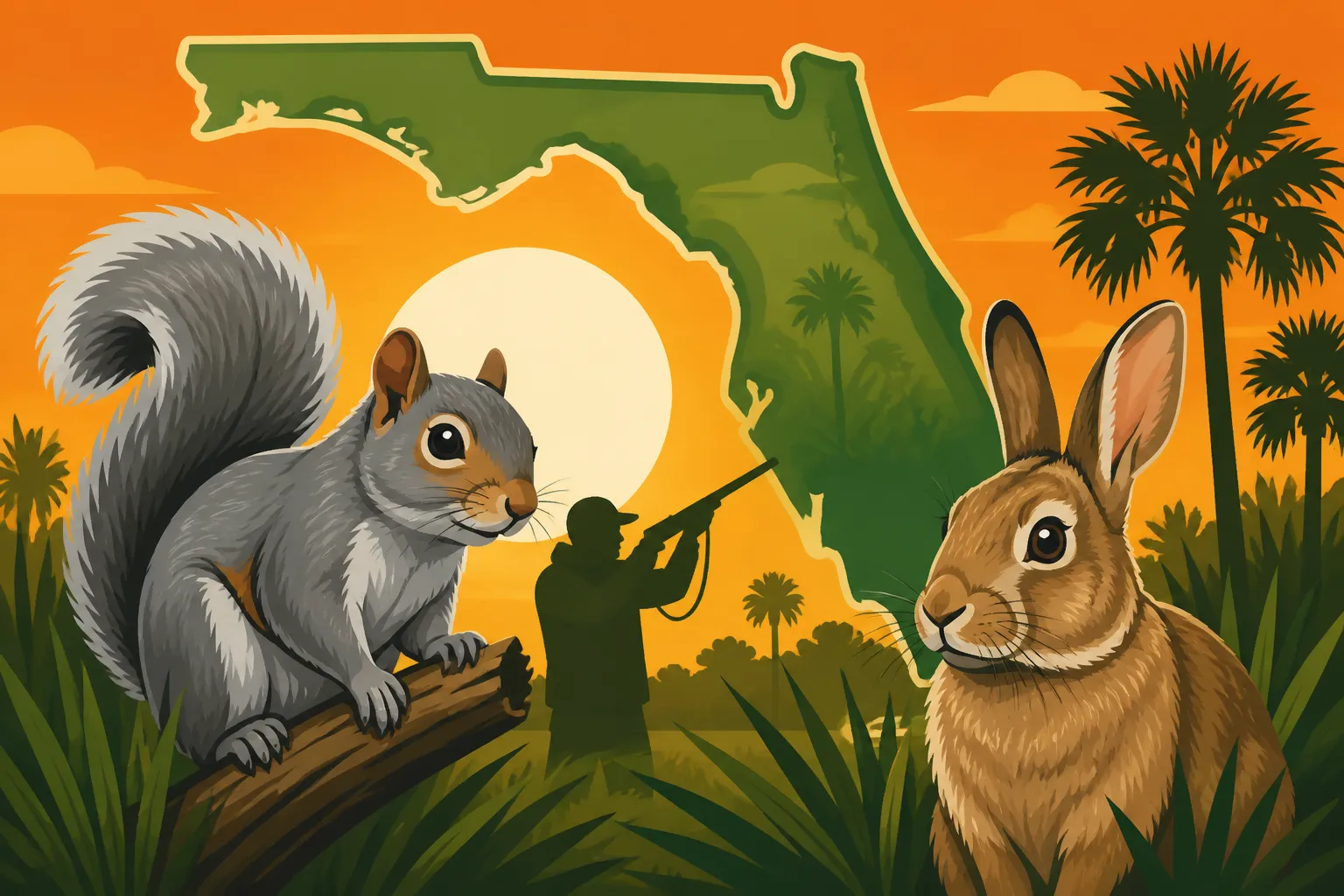
It’s easy for Florida hunters to get caught up in the allure of big game – the massive antlers of a rutting buck, the heart-stopping gobble of an Osceola, or the primal thrill of an alligator hunt. But for many of us, the true foundations of our hunting heritage were built in the pursuit of small game, like squirrels and rabbits. These humble creatures offer incredible opportunities for beginners to learn the ropes and for seasoned hunters to enjoy a more relaxed, yet still challenging, day afield. This guide will take a deep dive into the populations of Florida's most popular small game, offering insights into their habits, habitats, and how you can find success pursuing them across the Sunshine State.
Understanding Florida's Small Game Landscape
Florida, with its incredibly diverse ecosystems, offers a surprising abundance of small game. While the focus often shifts to deer and turkeys, the forests and fields hold thriving populations of squirrels and rabbits, providing consistent action and delicious table fare. These animals are more than just targets; they are integral parts of Florida's wild landscape and offer a unique hunting experience that’s often overlooked.
The Enduring Appeal of Small Game Hunting
There’s something wonderfully nostalgic about small game hunting. It’s often how many of us were introduced to the outdoors, with a .22 rifle or a trusty shotgun, walking through woods and fields with family or friends. The pressure is usually lower than on a big game hunt, allowing for more conversation, more teaching moments, and a slower pace to appreciate nature. It's a fantastic entry point for new hunters, teaching critical skills like tracking, stealth, patience, and firearm safety in a less intimidating environment. Plus, the rewards of a squirrel or rabbit stew after a crisp morning hunt are truly satisfying. The accessible nature of these hunts means more time spent in the woods, honing those crucial hunting instincts.
Why Small Game Matters for Ecosystem Health
Squirrels and rabbits play a vital role in Florida's ecosystems, far beyond just being quarry for hunters. Gray squirrels are instrumental in forest regeneration by inadvertently planting acorns and other seeds they bury and forget. Fox squirrels, with their larger size, also contribute to this process, though often in more open pine flatwoods. Rabbits, as a primary prey species, are a crucial food source for a wide array of predators, from bobcats and coyotes to eagles and owls, helping to maintain a healthy food chain. Monitoring their populations gives wildlife managers important clues about the overall health of certain habitats, predator-prey dynamics, and the impact of environmental changes. Their abundance or scarcity can be a bellwether for the local environment.
Florida's Squirrel Species: Gray and Fox Squirrels
When we talk about squirrels in Florida, we're primarily focusing on two distinct species: the Eastern gray squirrel and the various subspecies of fox squirrels. While both are tree-dwelling rodents, they have different preferred habitats, behaviors, and even appearances. Understanding these differences is key to successful squirrel hunting.
The Agile Eastern Gray Squirrel
The Eastern gray squirrel is likely the most common and recognizable squirrel across much of Florida, especially in suburban areas and deciduous forests. They're masters of agility, zipping up and down trees, leaping from limb to limb with incredible speed. These squirrels thrive in hardwood hammocks, oak ridges, and mixed forests where abundant mast crops like acorns, pecans, and hickory nuts are available. You'll often find them foraging on the forest floor, burying nuts for later, or chattering away from a high limb. They are generally smaller than their fox squirrel cousins, with a uniform gray coat, white belly, and a bushy tail often tipped with white. When hunting, listen for their distinct barks and scolding calls, or watch for the tell-tale flick of a tail on a tree trunk. If you're looking for prime squirrel habitat, consider Squirrel Hunting Florida Hardwood Hammocks.
The Distinctive Florida Fox Squirrel
Florida is home to several striking subspecies of fox squirrels, most notably the Sherman's fox squirrel and the Big Cypress fox squirrel. These are significantly larger than gray squirrels, often twice the size, and come in a dazzling array of color variations—from rusty red to black with white patches on the nose, ears, and feet. Their patterns can be quite variable, making each sighting a unique experience. Unlike the gray squirrel’s preference for dense hardwood canopies, fox squirrels often prefer more open pine flatwoods, pine-oak woodlands, and even sandhills, where they spend a good deal of time foraging on the ground for pine nuts, acorns, and fungi. They are typically less frenetic than gray squirrels, moving more deliberately and often relying on their camouflage when startled, rather than immediately fleeing up a tree. Learning the nuances between them is crucial, and you can delve deeper into Gray Versus Fox Squirrels in Florida.
Population Status and Regional Differences
Both gray and fox squirrel populations are generally stable and healthy across Florida, though local densities can vary greatly based on habitat quality and food availability. Gray squirrels are ubiquitous in well-wooded areas throughout the state. Fox squirrels, while present in many regions, tend to be more localized due to their specific habitat needs. The Panhandle and areas of Central Florida, particularly those with mature longleaf pine and turkey oak communities, are known for robust fox squirrel populations.
Annual mast crops, especially acorns, play a significant role in determining squirrel numbers from year to year. A banner acorn year often leads to higher overwinter survival and stronger breeding success, contributing to a noticeable increase in squirrel activity the following season. Conversely, a poor mast year can mean fewer squirrels the next fall. Hunters can usually find ample opportunities for either species, often encountering both in areas where their preferred habitats overlap, like a mixed pine and oak forest. Tracking Florida Squirrel Nest Counts and Mast Crops can give you an edge in finding productive hunting grounds.
Table: Florida Squirrel & Rabbit Species Comparison
| Species | Typical Size | Primary Habitat | Identifying Features | Behavior Notes |
|---|---|---|---|---|
| Eastern Gray Squirrel | 8-10 inches, 1-1.5 lbs | Hardwood hammocks, mixed forests, urban areas | Uniform gray, white belly, bushy tail often white-tipped | Highly agile, chatters, buries nuts, often seen in groups |
| Florida Fox Squirrel | 12-15 inches, 2-3 lbs | Open pine flatwoods, pine-oak woodlands, sandhills | Larger, variable colors (red, black, patchy white), smaller head relative to body | More deliberate, spends time on ground, often solitary |
| Eastern Cottontail | 14-17 inches, 2-3 lbs | Open fields, brushy edges, suburban gardens | Brownish-gray, white fluffy tail, large hind feet | Nocturnal, freezes when alarmed, zig-zag run |
| Marsh Rabbit | 16-18 inches, 3-4 lbs | Wetlands, marshes, cypress swamps, dense cover | Darker, smaller ears, no fluffy white tail, shorter legs | Semi-aquatic, excellent swimmer, stays in thick cover |
Florida's Rabbit Species: Cottontails and Marsh Rabbits
Just like squirrels, Florida is home to a couple of distinct rabbit species that offer different hunting challenges and experiences. Most hunters pursuing rabbits in Florida will encounter either the ubiquitous Eastern cottontail or the more specialized marsh rabbit. Both are fun to chase and provide a great opportunity for some active hunting.
The Ubiquitous Eastern Cottontail
The Eastern cottontail is likely the most familiar rabbit species to most Floridians. You'll find them in a wide variety of habitats, from suburban backyards and agricultural fields to open pinewoods and brushy clear-cuts. They thrive on the edges of cover—think fencerows, briar patches, palmetto thickets bordering pastures, and young pine plantations. Their diet consists of grasses, clover, forbs, and the bark of young trees during leaner times. They are easily identified by their brownish-gray fur, large hind feet, and, of course, that iconic fluffy white tail that bobs like a cotton ball when they run. Cottontails are primarily nocturnal but are often active at dawn and dusk. When flushed, they typically make a short, frantic dash before freezing or diving back into the thickest cover they can find.
The Elusive Marsh Rabbit
The marsh rabbit is a true specialist, perfectly adapted to Florida's wetland environments. Unlike the cottontail, you won't find marsh rabbits far from water. Their preferred habitats include cypress swamps, freshwater marshes, wet prairies, and the edges of canals and ponds, particularly areas with dense emergent vegetation. They are darker in color than cottontails, often a grizzled dark brown or blackish-brown, with smaller, rounded ears and no visible white "cotton" tail; instead, their tail is a dingy gray or brown on the underside. They also have shorter, more muscular legs, better suited for swimming and navigating mucky terrain than for long, fast sprints. Marsh rabbits are excellent swimmers and often use water as an escape route from predators. Hunting these rabbits means getting into some seriously wet and thick cover, a different challenge than chasing cottontails in a dry field. For more specific details, look into Florida Cottontail and Marsh Rabbit Populations.
Habitat Preferences and Local Abundance
Both rabbit species are found across Florida, but their local abundance is directly tied to the availability of their specific habitat. Cottontails are widespread and can be quite numerous in areas with fragmented habitats, such as agricultural lands interspersed with woodlots, or areas undergoing timber harvests that create young, brushy regrowth. Their ability to adapt to human-modified landscapes contributes to their general abundance.
Marsh rabbits, on the other hand, are restricted to wetland ecosystems. Areas like the Everglades, the St. Johns River basin, and other expansive marsh systems are their strongholds. You won't find them on a dry sandhill, just as you won't find cottontails willingly swimming through a cypress slough. Knowing these distinct habitat preferences is crucial for a rabbit hunter. If you're planning a trip to a specific WMA, studying aerial maps using tools like GoHunt can help you identify prime habitat for either species before you even set foot in the woods. This kind of insight can save you a lot of time and boot leather.
Habitat and Population Drivers for Small Game
Understanding what makes small game populations tick is crucial for hunters and conservationists alike. It's not just about having "woods" but having the right kind of woods, with the right combination of food, cover, and water, all influenced by environmental factors.
The Critical Role of Diverse Cover
For both squirrels and rabbits, cover is paramount for survival. It provides protection from predators, shelter from the elements, and nesting sites. For gray squirrels, mature trees with cavities are essential for denning and raising young. For fox squirrels, clumps of pines and oaks with thick undergrowth offer both concealment and food sources. Rabbits, especially cottontails, rely heavily on dense, brushy cover such as briar patches, palmetto thickets, and low-growing shrubs. This thick vegetation allows them to quickly disappear from sight when danger approaches. Marsh rabbits take this a step further, requiring dense aquatic vegetation that they can navigate and hide within, often right on the water's edge. Without adequate cover, small game populations simply cannot thrive, regardless of how much food is available. Habitat restoration efforts, like those described in Florida Rabbit Habitat Restoration Efforts, often focus heavily on creating and maintaining this crucial protective cover.
Food Sources: Nuts, Seeds, and Greens
The availability and quality of food sources directly impact small game populations. Squirrels are heavily dependent on mast crops. For gray squirrels, this means acorns from various oak species, hickory nuts, pecans, and even pine seeds. Fox squirrels also consume acorns and pine seeds, along with fungi and other plant matter found on the forest floor. The health of these tree populations is critical. Rabbits, being herbivores, rely on a constant supply of tender greens, grasses, clover, and young plant shoots. During winter months, when green forage is scarce, they may browse on bark or woody stems. Areas with diverse plant communities that offer a succession of food sources throughout the year will generally support higher populations of both squirrels and rabbits. This is why scouting for food plots or areas with natural, abundant forage is a key part of hunting strategy.
Predation, Weather, and Disease
Small game animals are a foundational part of the food web, meaning they are preyed upon by many species. Coyotes, bobcats, foxes, owls, hawks, and even snakes all take their toll on squirrel and rabbit populations. While predation is a natural and healthy part of ecosystem balance, abnormally high predator numbers can temporarily depress local small game populations.
Weather also plays a significant role. Severe droughts can reduce forage and water availability, stressing animals and making them more susceptible to disease. Conversely, prolonged heavy rains or flooding can displace marsh rabbits from their prime habitats and even drown young animals. Extremely cold snaps, though rare in much of Florida, can also impact survival rates, especially for young or weakened individuals. Disease outbreaks, while not as commonly discussed for small game as for deer, can also occur and impact local populations. Overall, healthy, diverse habitats tend to buffer populations against these challenges, demonstrating the importance of managing for resilience.
Small Game Hunting Opportunities and Conservation
Florida offers ample opportunities for small game hunting, making it a fantastic way to enjoy the outdoors during various seasons. The accessibility and widespread nature of these species mean that hunting experiences can range from a solo walk in the woods to a lively outing with friends and family.
Season Dates and Bag Limits
One of the great things about small game in Florida is the generally generous season dates and bag limits. Squirrel season typically opens in the fall and runs through the spring, offering a long window of opportunity. Rabbit season also has an extended run, often mirroring or overlapping with squirrel season. This flexibility means you can usually find time to fit in a small game hunt, even if your deer or turkey tags are filled. Daily bag limits are usually quite liberal, allowing hunters to take a good number of animals, especially when populations are thriving. It's always crucial to check the current Florida Fish and Wildlife Conservation Commission (FWC) regulations for the exact dates and limits, as these can change annually, and some specific Wildlife Management Areas (WMAs) might have different rules. Knowing when Florida Squirrel Season Dates and Florida rabbit season dates are helps you plan ahead.
Where to Find Squirrels and Rabbits in Florida
You can find excellent small game hunting opportunities on both private and public lands across Florida. For squirrels, particularly gray squirrels, focus on mature oak hammocks, river bottoms, and mixed pine-hardwood forests. National Forests like Ocala and Apalachicola, along with many WMAs, offer vast tracts of such habitat. For fox squirrels, scout for more open pine flatwoods with scattered oaks and a sparse understory.
Rabbits will be found in areas with dense cover. Eastern cottontails prefer brushy fields, fencerows, clear-cuts with new growth, and the edges of agricultural fields. Many WMAs manage for early successional habitat that benefits cottontails. Marsh rabbits, as their name suggests, require wetlands, so look to the edges of cypress swamps, extensive marshes, and areas with dense, low-lying aquatic vegetation. When hunting public land, remember to always check the WMA's specific rules and maps. Using a mapping app like GoHunt can be a game-changer for identifying these distinct habitats and finding public access points, helping you to pinpoint productive spots on Scouting Florida Public Land Before Season.
Conservation Efforts and Future Outlook
While small game populations in Florida are generally healthy, their continued abundance relies on ongoing habitat management and conservation. Efforts often focus on maintaining diverse forest structures, encouraging mast production, and creating early successional habitats that benefit rabbits. Prescribed burns, timber thinning, and planting native forage are all tools used to enhance small game habitat. For marsh rabbits, wetland preservation and restoration are key.
Hunters contribute directly to these conservation efforts through the purchase of licenses and permits, which fund wildlife management programs. The future outlook for small game in Florida is positive, provided that habitat degradation is prevented and management strategies continue to adapt to changing landscapes. Engaging in Florida Rabbit Habitat Restoration Efforts or supporting local conservation groups can make a real difference.
Tools and Tactics for Florida Small Game
Hunting small game in Florida is a wonderfully accessible pursuit, but having the right gear and a solid strategy can make all the difference between a frustrating day and a successful outing.
Essential Gear for a Small Game Hunter
You don't need a huge array of specialized equipment to hunt squirrels and rabbits, which is part of their appeal.
- Firearm: A .22 caliber rifle is a classic choice for squirrels, offering precision for headshots and quiet operation. A shotgun, usually a .410, 20-gauge, or 12-gauge with small shot (like #6 or #7.5), is excellent for rabbits when they bust from cover, and also works well for squirrels in dense canopy.
- Ammunition: Match your ammo to your firearm and target. Solid .22 rounds for squirrels, appropriate birdshot for rabbits.
- Comfortable Clothing: Florida weather can be unpredictable. Light, breathable clothing for warmer days and layers for cooler mornings are essential. Camouflage isn't strictly necessary but helps, especially for squirrels.
- Good Boots: You'll be doing a lot of walking, often through uneven or wet terrain. Waterproof, comfortable boots are a must.
- Game Vest or Bag: Something to carry your harvested game, along with water, snacks, and any small gear.
- Bug Spray: Don't forget this! Florida mosquitoes and gnats can turn a pleasant hunt into an itchy nightmare.
- Navigation Tools: A GPS device or a mapping app like GoHunt on your phone is invaluable for navigating public lands and marking productive spots. It can show you Finding Florida Property Lines and WMA boundaries, helping you stay legal and found.
Hunting Strategies for Bushytails and Bunnies
The tactics for squirrels and rabbits differ based on their behavior and habitat.
-
For Squirrels:
- Still-Hunting: This involves moving very slowly and quietly through the woods, stopping frequently to scan trees and the forest floor. Look for movement, listen for rustling leaves, and watch for nut shells or cuttings. This is a fantastic way to learn to read the woods, similar to Still-Hunting Florida Palmetto Flatwoods, just higher up!
- Sit-and-Wait: Find a productive oak or hickory flat, settle down against a tree, and wait. Squirrels are often most active at dawn and dusk. This is especially effective in a good mast crop year.
- Dog Hunting: Running squirrel dogs is a time-honored tradition and a highly effective way to locate and tree squirrels. The dogs do the hard work of sniffing them out, and you follow the barks.
-
For Rabbits:
- Beagling/Dog Hunting: Beagles are specifically bred for rabbit hunting. Their persistent baying as they chase rabbits through thickets is an exciting experience and often the most productive method.
- Walking/Flushing: Simply walking through dense cover, kicking brush piles, and scanning fencerows can flush rabbits. Be ready for a quick shot as they burst out.
- Still-Hunting: Much like deer or turkey hunting, moving slowly along habitat edges can sometimes reveal a rabbit hunkered down, allowing for a deliberate shot.
Remember, patience is key for both. Moving too fast or making too much noise will often send your quarry scrambling before you even see them.
Utilizing Technology like GoHunt for Scouting
In this modern age, technology has become an indispensable tool for hunters, even for small game. GoHunt, or similar robust mapping platforms, can significantly enhance your scouting and hunting efforts for squirrels and rabbits. Before you even leave the house, you can use these apps to:
- Identify Habitat: Look for areas with dense hardwood concentrations for gray squirrels, or open piney woods for fox squirrels. For rabbits, scout for brushy edges, clear-cuts, or wetland systems, helping you discern Hunting Florida Cypress Swamp Edges versus dry hammocks.
- Public Land Access: Pinpoint public land boundaries, access points, and parking areas on WMAs or National Forests. This is crucial for planning your entry and exit strategies, and for understanding the regulations of a particular area, especially for hunts that might overlap with Florida Deer Season Overlap With Small Game.
- Topography and Features: While Florida isn't known for mountains, even subtle changes in elevation, presence of creek bottoms, or specific tree stands can be identified. You can mark potential food sources like stands of oak trees or areas of dense briars.
- Mark Waypoints: Once you're in the field, use the app to mark where you saw game, found good sign, or located potential cover spots. This helps you build a detailed log for future hunts.
By leveraging these digital tools, you can approach your small game hunting with a much more informed and efficient strategy, maximizing your time in the field and improving your chances of success.
Disclaimer
This article is for general informational purposes only and does not constitute professional advice. Laws, prices and regulations vary by location and change over time. Consult a qualified professional for guidance on your specific situation.