Florida Deer Record Book
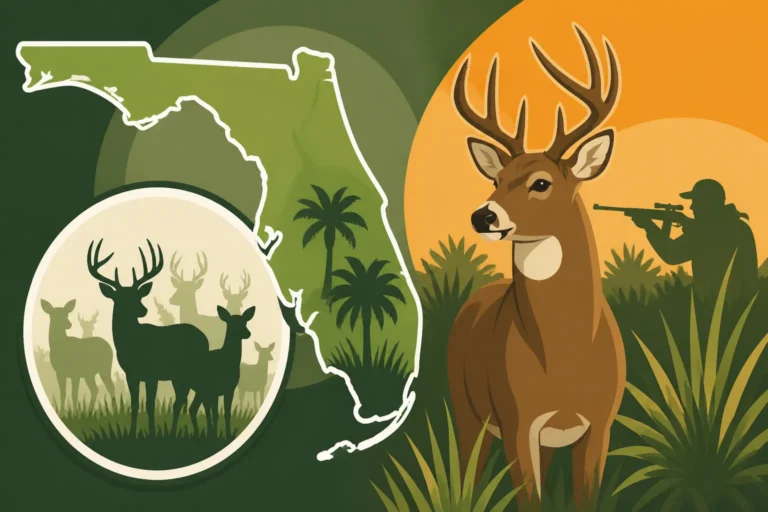
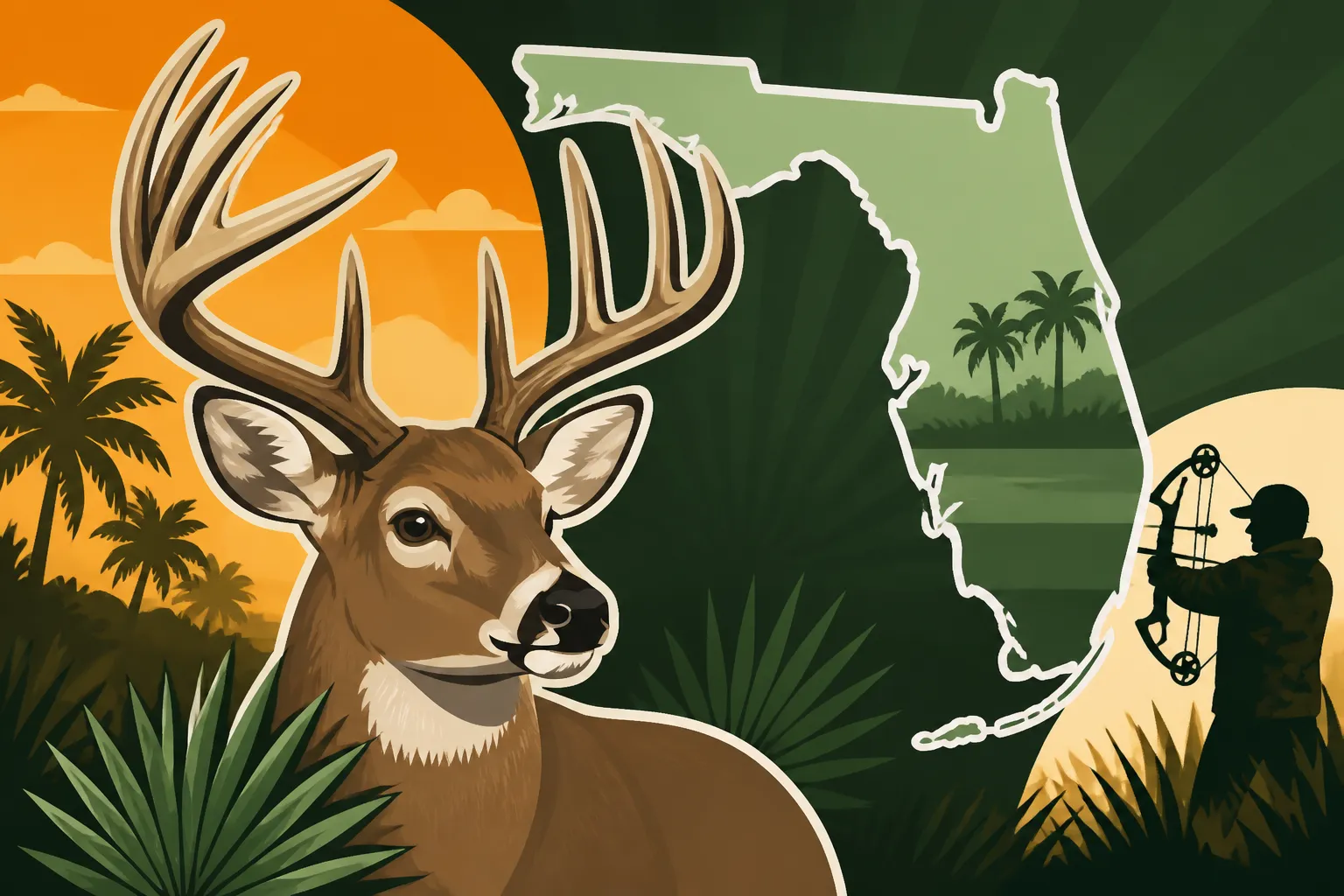
Every Florida deer hunter has likely experienced it: that moment you lay eyes on a buck that just looks different. It's not just a big deer; it carries a rack that makes your heart pound a little harder, sparking that age-old question, "Is this a record book buck?" For many, the dream of having a Florida whitetail officially recognized is a powerful motivator, and this guide will demystify the Florida deer record book, explaining what it takes to get your trophy antlers documented and celebrated.
Understanding Florida's Deer Records
The quest for a truly exceptional set of antlers is a driving force for many hunters, and in Florida, where our deer often get a reputation for being smaller than their northern cousins, a truly big buck is an even rarer and more celebrated achievement. The idea of entering a deer into a record book isn't just about bragging rights (though, let's be honest, that's part of the fun!); it's about preserving a moment, recognizing exceptional genetics, and contributing to the rich history of hunting in the Sunshine State.
Why a Record Book Matters to Hunters
For many, the chase itself is the reward, the quiet mornings in a stand, the challenge of reading the woods, and the deep connection to nature. But when a hunter harvests a deer with truly outstanding antlers, there's a natural inclination to measure it, to compare it, and to acknowledge its unique qualities. A record book provides that objective standard. It’s a testament to patience, skill, and often, a little bit of luck. Beyond personal pride, entering a deer into a record book creates a historical record, chronicling the quality of Florida's deer herd over time. It gives future generations a benchmark and a goal, keeping the spirit of trophy hunting alive and well.
It’s also a way to celebrate the animal itself. A truly impressive rack is a product of good genetics, ample nutrition, and sufficient age – all indicators of a healthy deer population and well-managed habitat. When you get a buck officially scored, you're not just acknowledging your own success, but the success of the local ecosystem. Many hunters find immense satisfaction in knowing their deer stands among the best harvested in the state, becoming a part of Florida's hunting legacy.
The Different Record Keeping Organizations
When we talk about "record books," several organizations typically come to mind, each with its own set of rules and minimum scores. Nationally, the Boone and Crockett Club is the gold standard for North American big game, focusing on fair chase ethics and long-term wildlife conservation. Their records are highly esteemed and represent the pinnacle of trophy hunting. Similarly, the Pope and Young Club holds records for animals taken with archery equipment, mirroring the Boone and Crockett scoring system but dedicated to bowhunting achievements.
In Florida, hunters will often find themselves consulting the official Florida Fish and Wildlife Conservation Commission (FWC) records, which track deer harvested within the state. While often adhering to the Boone and Crockett scoring methodology, FWC maintains its own database, celebrating state-specific trophies. These state records are particularly meaningful because they highlight the best of Florida's unique deer genetics and habitat. Understanding the specific minimums and categories for Florida's records is key, as they might differ slightly or have additional categories compared to national organizations. Knowing where your buck might fit, whether it's a national contender or a top-tier Florida trophy, adds another layer to the excitement of the hunt.
The Quest for a Florida Record Buck
Chasing a record buck in Florida is a unique challenge. Our landscape is distinct, and so are the factors that contribute to a deer's antler growth. It's not always about finding the biggest deer in the woods, but understanding why certain deer grow exceptional racks and then hunting smarter within those parameters. Tools like a good mapping app, such as GoHunt, can be instrumental in identifying potential areas where mature bucks might thrive, helping you understand terrain features that concentrate deer.
Scoring Methods and Criteria
Antler scoring might seem complicated at first glance, but it's built on a logical system designed to standardize measurements. The most widely accepted method, adopted by Boone and Crockett and widely used for state records, differentiates between "typical" and "non-typical" antlers. A typical rack is symmetrical, with points growing upward from the main beams in a clean, organized fashion. Non-typical racks, on the other hand, have abnormal points, drops, kickers, or other irregular formations that break the symmetrical mold.
The scoring process involves measuring several key components: the length of the main beams, the length of each point, the inside spread between the main beams, and four circumference measurements taken at specific points along the beams. For typical racks, deductions are made for any significant differences in symmetry between corresponding points on each side. For non-typical racks, all abnormal points are added to the score, often resulting in much higher overall numbers. Both gross (total measurements before deductions) and net (after deductions) scores are important. While the pursuit of a specific score can be intense, many hunters find joy in simply knowing the raw measurements of their trophy, regardless of where it lands in the official books.
Factors Influencing Antler Growth in Florida
Florida's unique environment plays a huge role in the antler development of our whitetails. Unlike the corn and soybean fields of the Midwest, much of Florida's deer habitat consists of palmetto flatwoods, pine forests, cypress swamps, and oak hammocks. The primary factors influencing antler growth are nutrition, age, and genetics.
Nutrition is paramount. Deer need a consistent supply of high-quality forage rich in protein and minerals, especially calcium and phosphorus, during the antler-growing period in spring and summer. In areas with abundant natural food sources like acorns, mushrooms, and various browse plants, deer tend to grow larger racks. However, nutrition can vary significantly across the state. For instance, deer in areas like the Apalachicola National Forest might have different forage availability than those found in the fertile river bottoms of the Panhandle or the sprawling ranch lands of Central Florida. This can impact why Panhandle deer grow bigger than South Florida deer on average.
Age is another critical factor. A buck doesn't reach its full antler potential until it's mature, typically between 4.5 and 7.5 years old. Younger bucks might show promise, but they need time to develop their body mass and divert sufficient nutrients to antler growth. Hunting regulations, such as the Florida buck bag limit, and management practices that allow bucks to age are vital for producing record-book caliber animals. Finally, genetics play an undeniable role. Some deer lineages simply have the genetic blueprint for larger, more impressive antlers, passed down through generations. While hunters can't control genetics in the wild, understanding the potential of a local herd can guide your hunting strategies and expectations. Scouting Florida public land before season using tools like topographical maps can help identify areas with prime habitat for mature deer.
How to Enter Your Florida Buck into the Record Book
So, you've harvested a magnificent Florida buck, and you believe it has the potential to make the record book. Congratulations! Now comes the official process of getting it measured and documented. This isn't something to rush; you want to ensure your trophy receives proper recognition. Patience is a virtue here, as antlers need a specific drying period before official measurement.
Official Measurers and the Scoring Process
The first and most crucial step is to find a certified measurer. For national records like Boone and Crockett or Pope and Young, you'll need to locate an official measurer certified by those organizations. The FWC also often has certified measurers who can score for state records. These individuals are trained to meticulously follow the scoring guidelines, ensuring accuracy and consistency. You can usually find a list of certified measurers through the FWC website or the national record book organizations' platforms.
Once you connect with a measurer, they will explain the process. Generally, antlers must undergo a minimum 60-day drying period from the date of harvest before they can be officially scored. This allows for any shrinkage to occur, providing a stable, final measurement. When you bring your buck's antlers (or skull plate, if you've done a European mount) to the measurer, they will take numerous measurements with specialized calipers and flexible tapes. They’ll carefully record main beam lengths, point lengths, circumferences, and spreads, all while meticulously noting any abnormal points or asymmetries. It's a precise process, and a good measurer will walk you through each step and explain the different scores, like the gross and net scores.
Documentation and Application
Beyond the physical measurements, there's paperwork involved. To officially enter your deer into the Florida record book, or any national book, you'll need to complete an application form provided by the respective organization. This form typically requires details about the hunt, such as the date and location of harvest, the weapon used, and information about the hunter. You'll also need to include clear photographs of the antlers, sometimes from specific angles, to verify the measurements and the characteristics of the rack.
It's also important to remember that ethical considerations are paramount. All record-keeping organizations strictly adhere to fair chase principles. This means the animal must have been taken legally, without the use of prohibited methods or unfair advantages. You'll typically be required to sign an affidavit confirming that the hunt adhered to all ethical standards and legal regulations. This is where understanding Florida's hunting licenses and what they cost and specific zone regulations for your area is vital. This thorough documentation ensures the integrity of the record book and celebrates not just a big deer, but an ethically harvested one. Remember to hold onto your hunting license and harvest details, as these are often requested as part of the application.
Beyond the Rack: The True Value of Florida Deer Hunting
While the pursuit of a record book buck is undeniably exciting and fulfilling, it's essential to remember that hunting in Florida offers so much more than just antler measurements. The true value often lies in the experiences, the memories, and the contributions we make to wildlife. Whether you're tracking a deer in sandy Florida soil or setting up in a cypress head at last light, every hunt holds its own reward.
Personal Achievement and Memories
For most hunters, the joy isn't solely in the score, but in the story behind the score. Every hunt is an adventure, a unique challenge that tests our skills, patience, and resolve. The early mornings, the unexpected encounters with other wildlife, the camaraderie with fellow hunters at deer camp, and the sheer beauty of Florida's diverse landscapes all contribute to a rich tapestry of memories that last a lifetime. Bagging a trophy-sized buck is certainly a highlight, a pinnacle of personal achievement, but the journey itself is often more impactful than the destination.
Think about the effort involved: the hours spent scouting, studying aerial photos for Florida deer, and understanding the local deer behavior. Perhaps you spent countless evenings on the range, perfecting your shot, or learned to read scrape lines along a sand road. Maybe you tried rattling and grunting Florida bucks to call in that wary old whitetail. These individual acts of dedication and skill culminate in the harvest, making it profoundly personal. Even if a buck doesn't make the official book, the memories of the chase, the respect for the animal, and the satisfaction of a successful hunt are immeasurable.
Contributing to Wildlife Management Data
Every deer harvested by a licensed hunter in Florida contributes valuable data to wildlife management efforts. When you report your deer, which is a requirement in Florida, you're not just checking a box; you're providing crucial information that helps the FWC monitor herd health, population trends, and overall deer management effectiveness. This data, including details like the sex and age of the deer, the zone it was harvested in, and whether it was antlered or antlerless, helps biologists make informed decisions about season structures, bag limits, and habitat projects.
The Florida Deer Harvest Records provide insights into the deer population estimate, helping managers understand how the herd is faring in different parts of the state. Your individual harvest report, even if it’s a small spike buck, becomes a small but important piece of a much larger puzzle. Hunters are, in essence, citizen scientists, directly contributing to the conservation of the very resources they cherish. The collective information from thousands of hunters helps ensure sustainable hunting opportunities for generations to come, allowing us to continue enjoying Florida's unique hunting heritage.
| Scoring Category | Typical Antlers | Non-Typical Antlers |
|---|---|---|
| Point Growth | Points grow upward from main beams. Clean, uniform. | Abnormal points, drop tines, kickers, irregulars. |
| Symmetry | Ideal is perfect symmetry between left and right sides. | Asymmetry is common; abnormal points are added. |
| Deductions | Significant deductions for asymmetry (net score). | Abnormal points are added to the score. |
| Measurement Focus | Length of main beams, points, spread, circumferences. | Same as typical, plus measurement of all abnormal points. |
| Minimum Score (B&C) | Varies by category, typically 170" for whitetail. | Varies by category, typically 195" for whitetail. |
| Spirit | Celebrates symmetrical perfection and classic form. | Celebrates unique, unusual, and massive antler growth. |
Disclaimer
This article is for general informational purposes only and does not constitute professional advice. Laws, prices and regulations vary by location and change over time. Consult a qualified professional for guidance on your specific situation.