Why CWD Testing Continues After Four Clean Years
It’s a valid question that many Florida hunters have asked, myself included: if we’ve only had one confirmed case of Chronic Wasting Disease (CWD) and that was years ago, why do we still have such strict testing requirements and surveillance efforts in place? The simple answer is that CWD isn't like a common cold that comes and goes; it's a deeply complex and persistent threat to our deer herds, and Florida's continued vigilance is a testament to how seriously the state takes the health of its wildlife and the future of our hunting traditions. This guide aims to shed some light on the crucial reasons why CWD testing remains an ongoing priority, even after those four clean years.
The Persistent Threat of CWD: Understanding the 'Why' Behind Continued Testing
Let's be honest, it feels a bit like overkill sometimes, right? You hear about a disease, a scare, then things go quiet. But with CWD, "quiet" doesn't mean "gone." It means we're in a crucial monitoring phase, protecting what we have. The disease's nature itself is why we can't just breathe a sigh of relief and forget about it.
What is Chronic Wasting Disease, Anyway?
Chronic Wasting Disease is a nasty, always-fatal neurological disease that affects cervids – that's deer, elk, moose, and caribou. It's caused by abnormal proteins called prions. Unlike bacteria or viruses, prions aren't living organisms, which makes them incredibly resilient and difficult to eradicate. These prions essentially cause the brain of an infected animal to degenerate, leading to symptoms like drastic weight loss (hence "wasting"), stumbling, listlessness, behavioral changes, and excessive salivation. There's no cure, no vaccine, and once an animal contracts it, its fate is sealed. It's a truly heartbreaking disease to witness, and thankfully, here in Florida, we want to keep it a rare occurrence.
The Silent Spread and Long Incubation Period
One of the most insidious aspects of CWD is its incredibly long incubation period. A deer can be infected with CWD for months, even years, before showing any visible signs of illness. During this time, they are still shedding prions into the environment through their saliva, urine, and feces. Imagine a deer looking perfectly healthy, interacting with other deer, feeding in food plots, drinking from water sources – all while unknowingly spreading these persistent prions. This "silent spread" is why a single detected case can mean the disease has actually been present in the area for much longer, making the initial four years without new detections a period of cautious optimism, not a declaration of victory. The prions are also notoriously tough, capable of surviving in soil and plants for extended periods, potentially infecting other cervids long after the original carrier is gone. This environmental persistence is a huge factor in why ongoing surveillance is non-negotiable.
Florida's Proactive Stance: Beyond the Initial Detection
When Florida had its first and only confirmed case of CWD, it was a wake-up call. The state's wildlife agencies didn't just react; they went into overdrive with a comprehensive plan designed to protect our precious deer population. This wasn't a short-term fix but a long-term commitment.
The Initial Case and Swift Response
The single CWD case found in a deer in Holmes County was a pivotal moment for Florida wildlife management. It immediately triggered a robust response. A CWD Management Zone was swiftly established around the detection site, implementing strict regulations on carcass movement, baiting, and supplemental feeding. These measures were put in place to contain any potential spread and reduce opportunities for deer to congregate and transmit the disease. You can learn more about Florida's Single Confirmed CWD Case and Florida's CWD Management Zone Boundaries. The rapid action showed how seriously the FWC takes this threat, understanding that a delay could have devastating consequences for the state's deer. It wasn't just about finding that one deer; it was about preventing further spread before it could take hold.
Sustaining Surveillance: A Long-Term Commitment
Even with no new cases identified in the years following that initial detection, the threat of CWD is ever-present. Consider the possibility of an undetected case in another part of the state, or the potential for prions to lie dormant in the environment from the original outbreak. Furthermore, deer can travel, and with interstate movement of hunters and deer carcasses (which is now heavily restricted), there's always a risk of CWD being reintroduced from states where the disease is more prevalent. Because of this, sustained surveillance isn't just about looking for active cases; it's about continuously monitoring the health of White-Tailed Deer Across Florida and maintaining a baseline of information. It's an investment in the long-term health of our wildlife. Just like you wouldn't stop checking your tires after one flat, we can't stop monitoring for CWD after one scare, especially given the catastrophic potential it holds.
How Hunters Contribute to CWD Monitoring
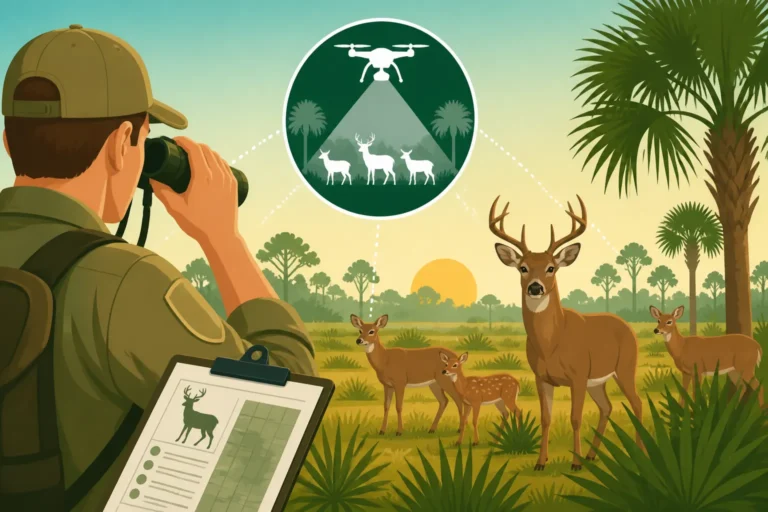
As hunters, we are often the first line of defense and critical partners in wildlife management. This holds especially true for CWD monitoring. Our participation isn't just encouraged; it's absolutely vital to the success of these ongoing efforts. Without the eyes and boots on the ground of the hunting community, tracking the health of Florida's Deer Herd Size would be incredibly difficult.
Hunter Check Stations and Sample Collection
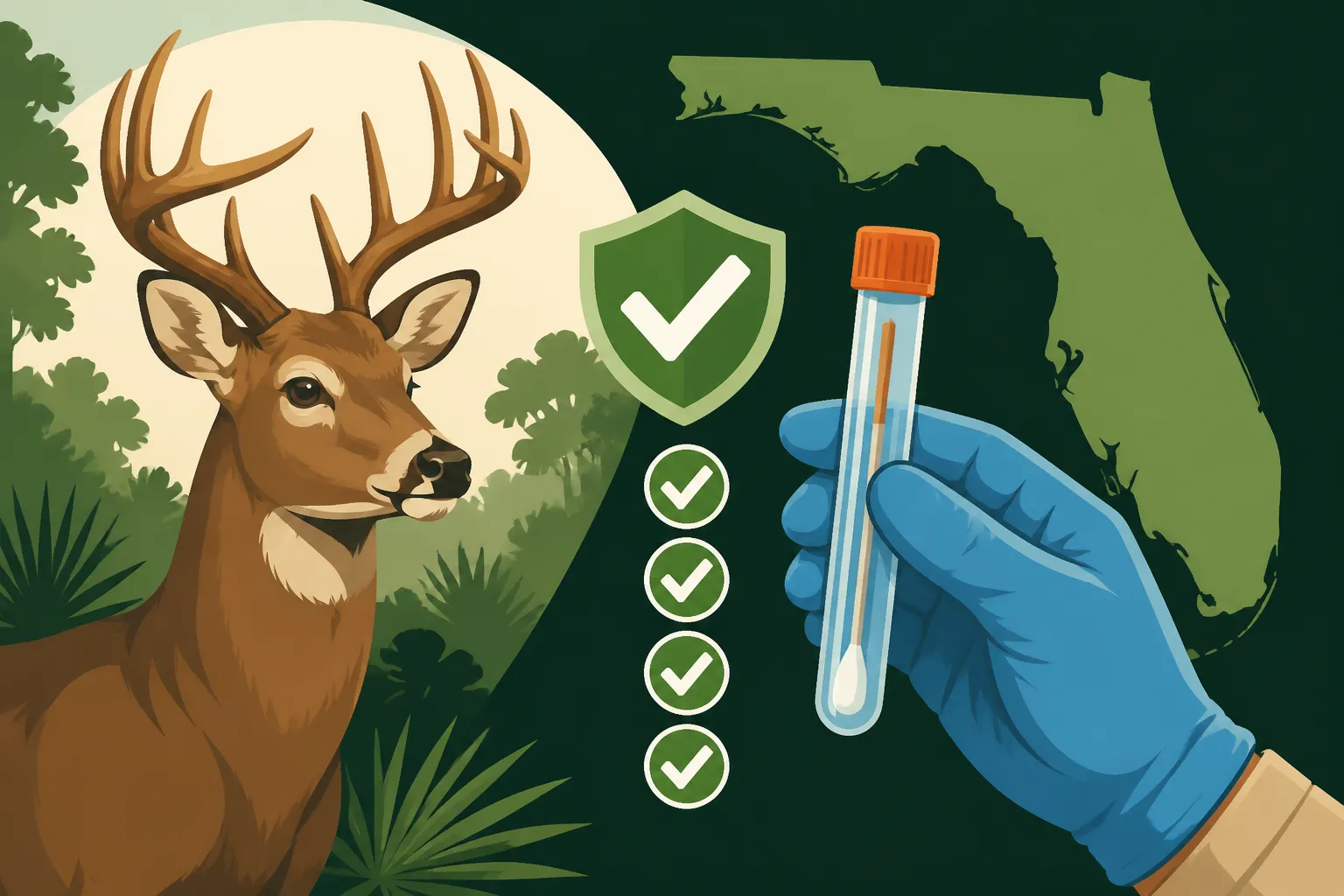
One of the most direct ways hunters contribute is through voluntary (and sometimes mandatory in specific zones) sample submission. During deer season, FWC often sets up check stations, or designates drop-off locations, where hunters can bring their harvested deer to be sampled for CWD. Typically, this involves collecting tissue samples from the brain stem or lymph nodes. It might seem like an extra step after a long hunt, but it's crucial data. Each sample contributes to a larger picture, helping biologists understand the health of the herd and detect any new outbreaks early. Remember, early detection is our best tool against widespread CWD. You can find more information about CWD Testing for Florida Hunters and specific guidelines for Moving a Deer Carcass Out of a Surveillance Zone. The data collected from thousands of these samples provides the scientific basis for our continued understanding and management of this disease.
Tools and Resources for Responsible Hunters
Staying informed is half the battle. The FWC provides numerous resources to help hunters be responsible partners in CWD prevention. Their website is a treasure trove of information, maps of management zones, and guidelines. The FWC App is also an excellent tool for hunters, offering quick access to regulations and even enabling deer reporting. When you're out in the field, tools like the GoHunt app can also provide land ownership data, helping you identify private versus public land and ensuring you're aware of any specific regulations tied to your hunting area, including CWD zones. Being aware of the rules is paramount, particularly when it comes to carcass disposal or transportation. Always check the latest FWC guidelines, especially if you plan to travel with a deer carcass, even within Florida. Knowing the lay of the land, whether through digital apps or old-fashioned map reading, allows you to operate within the specific framework of CWD prevention.
Implications for Florida's Deer Herd and Hunting Future
The ongoing commitment to CWD testing isn't just about bureaucracy; it's about safeguarding what we all cherish: healthy wildlife and the ability to continue our hunting traditions for generations to come.
Protecting Florida's Healthy Deer Population
Florida is fortunate to have a generally healthy and robust deer population. CWD, if allowed to spread unchecked, could decimate these herds. We've seen the devastating effects in other states where CWD is endemic, leading to reduced deer numbers, altered herd dynamics, and a significant impact on hunting opportunities. By continuing rigorous testing and maintaining Florida's Deer Disease Monitoring Program, we are actively working to prevent this scenario in our state. It's a long-term investment in ecological health and recreational opportunity. Think about it: every deer tested is a data point that helps protect the next generation of deer, ensuring that our cypress swamps and palmetto flats remain vibrant habitats.
The Role of Science and Adaptive Management
Wildlife management, especially concerning diseases like CWD, is a continuous process rooted in science. Every sample submitted, every piece of data gathered, contributes to a clearer understanding of the disease's prevalence, spread patterns, and potential risks. This scientific data then informs an "adaptive management" approach. This means that as new information becomes available, strategies and regulations can be adjusted to be more effective. We aren't stuck with one rigid plan; instead, we're constantly learning and evolving our response. This flexibility is key to staying ahead of a disease as cunning and persistent as CWD. It's about using the best available information to make smart decisions for our wildlife, ensuring that future generations of hunters will be able to enjoy the challenge and reward of pursuing deer in Florida.
| Reason for Continued Testing | Explanation | Hunter's Role |
|---|---|---|
| Long Incubation Period | Deer can carry CWD for years without symptoms, shedding prions. "Clean years" don't guarantee absence, only lack of detected symptoms. | Submit samples; report sick deer. |
| Environmental Persistence | CWD prions survive in soil, plants, and water for extended periods, potentially infecting new animals long after the original carrier is gone. | Proper carcass disposal; avoid baiting or feeding in CWD zones. |
| Risk of Reintroduction | Movement of infected deer (natural migration, illegal transport) from CWD-positive states can reintroduce the disease. | Adhere to carcass import/export restrictions; stay informed on regulations. |
| Baseline Health Monitoring | Consistent testing provides ongoing data to track overall herd health, identify emerging threats, and quickly detect any new CWD outbreaks. | Participate in check stations and voluntary sampling; use FWC app for Florida Deer Reporting Requirements. |
| Protecting Hunting Heritage | Preventing widespread CWD protects deer populations, ensuring continued hunting opportunities and healthy ecosystems for future generations. | Follow all CWD regulations; educate fellow hunters on best practices. |
Disclaimer
This article is for general informational purposes only and does not constitute professional advice. Laws, prices and regulations vary by location and change over time. Consult a qualified professional for guidance on your specific situation.