Florida Raccoon and Opossum Trapping
Living in Florida, it's not uncommon to find your backyard suddenly hosting some unwelcome guests: raccoons and opossums. These clever critters, while a part of our diverse ecosystem, can quickly become a nuisance, raiding trash cans, damaging gardens, and even posing health risks. This guide will walk you through the ins and outs of Florida raccoon and opossum trapping, helping you understand the regulations, effective techniques, and how to safely manage these common backyard visitors.
Understanding Raccoons and Opossums in Florida
Raccoons and opossums are incredibly adaptable animals, thriving in a variety of Florida habitats, from dense swamps and pine forests to suburban neighborhoods. Their opportunistic nature means they're always on the lookout for an easy meal or a cozy den, which often puts them in direct conflict with homeowners.
Common Behaviors and Habitats
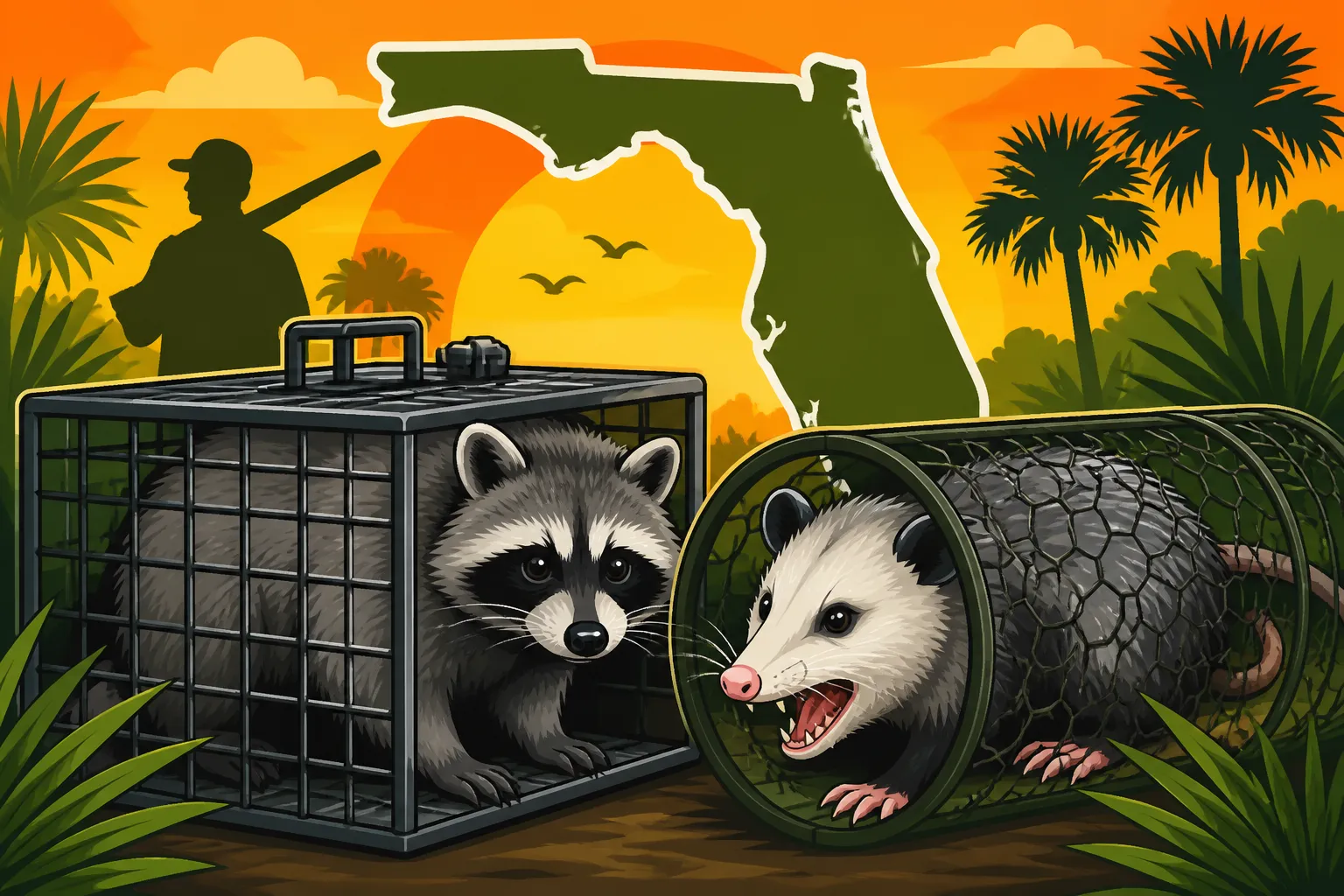
Raccoons (Procyon lotor) are easily recognized by their distinctive "bandit mask" and bushy, ringed tail. They are primarily nocturnal, meaning they are most active between dusk and dawn. These intelligent omnivores will eat almost anything: fruits, nuts, insects, small animals, bird eggs, and, of course, whatever they can find in your garbage can. They are excellent climbers and can often be found denning in hollow trees, abandoned buildings, culverts, or even attics and crawl spaces. Their dexterity allows them to open latches, overturn bins, and generally make a mess in their quest for food.
Opossums (Didelphis virginiana), on the other hand, are North America's only marsupial. They have a grayish-white coat, a long, hairless, prehensile tail, and a pointed snout. Like raccoons, they are mostly nocturnal and omnivorous, eating a wide range of items including carrion, insects, fruits, and garden produce. While they are not as destructive as raccoons, their foraging can still create problems. Opossums are less agile climbers than raccoons but can still access attics or sheds through openings. Their famous "playing possum" defense mechanism, where they feign death, is a common sight when they feel threatened. Both species are prolific breeders, and once they find a suitable environment with food and shelter, their populations can grow rapidly.
Why Trapping Becomes Necessary
While many Floridians appreciate wildlife, there comes a point where raccoons and opossums transition from interesting visitors to destructive pests. Property damage is a huge concern; raccoons can tear up sod looking for grubs, destroy vegetable gardens, pilfer pet food left outside, and even break into chicken coops. Opossums might root through flower beds or chew on irrigation lines. Beyond the mess, these animals can cause structural damage if they decide to den in your attic or under your porch, leading to insulation damage, foul odors, and potential electrical issues if they chew wires.
Disease transmission is another significant concern. Raccoons are known carriers of rabies, a deadly viral disease, and raccoon roundworm (Baylisascaris procyonis), which can be harmful, even fatal, to humans. Opossums can carry diseases like leptospirosis and salmonellosis, and both can host fleas, ticks, and other parasites that can be transferred to pets and humans. If you have pets that spend time outdoors, or children who play in the yard, the presence of these animals can pose a real health risk. Trapping offers a humane and effective way to remove these nuisance animals when other deterrents have failed, protecting your property and family.
Florida Regulations for Trapping These Species
Before you even think about setting a trap, it’s absolutely critical to understand the specific laws and regulations governing the trapping of raccoons and opossums in Florida. The Florida Fish and Wildlife Conservation Commission (FWC) sets these rules, and they are in place for both animal welfare and public safety. Ignoring them can lead to hefty fines and legal trouble.
License Requirements and Seasons
For most nuisance wildlife, including raccoons and opossums, there isn't a specific "season" for trapping when they are causing damage to personal property or posing a threat. If you are trapping these animals on your own property to remove a nuisance, a specific FWC trapping license might not be required for the landowner or their designee. However, if you are trapping commercially, or if you plan to take these animals for their fur, then you absolutely need to consult the latest FWC regulations regarding furbearer trapping licenses. Florida does have a designated furbearer trapping season, typically during the cooler months, for those interested in harvesting fur. This is a very different scenario than simply removing a nuisance animal from your yard.
It's always best practice to check the current FWC guidelines or their website for the most up-to-date information. They often have specific rules for different situations, such as whether you need a permit to trap an animal causing damage versus trapping for recreational purposes. For example, if you're trapping raccoons or opossums for fur, you'd be looking into the details for Florida Fox and Bobcat Trapping Season as well, as those species fall under similar furbearer regulations.
Legal Trapping Methods and Equipment
Florida law is quite specific about the types of traps you can use and how you must use them. The primary methods allowed for nuisance raccoons and opossums usually involve live traps (cage traps). These are generally considered the most humane option for nuisance animals because they capture the animal without injury, allowing for identification and safe release (if permitted) or euthanasia.
When using live traps, they must be checked regularly, typically at least once every 24 hours, to prevent undue stress or harm to the captured animal. You cannot simply set a trap and forget it. The FWC strongly discourages the use of leg-hold traps for nuisance animals unless you are a licensed Nuisance Wildlife Trapper (NWT) and operate under specific permits and conditions. Even then, there are strict regulations on the type, size, and jaw spread of foothold traps. Snare traps are generally prohibited for these species in most nuisance situations.
The location of your trap also matters. You should place traps in a way that minimizes the risk to non-target animals, pets, or children. For instance, avoid setting traps near public walkways or in areas where neighborhood cats or dogs frequently roam. Always ensure traps are secured so they can't be dragged away by a strong animal, and consider camouflaging them to reduce human interference. When you use a resource like GoHunt to scout your property lines, it helps ensure your traps are on your land and not inadvertently on a neighbor's.
Handling and Relocation Rules
This is perhaps the most critical, and often misunderstood, aspect of nuisance trapping in Florida. Generally, it is illegal to relocate raccoons and opossums to another location in Florida, especially public lands, without explicit FWC authorization. This rule is in place to prevent the spread of diseases, particularly rabies, and to avoid introducing potentially aggressive animals into new territories where they might cause problems for existing wildlife or human populations.
If you trap a raccoon or opossum, your options are typically limited to:
- Euthanasia: This is the most common and often recommended course of action for nuisance wildlife to prevent disease transmission and overpopulation. The method of euthanasia must be humane and comply with FWC guidelines. This is not a task to be taken lightly, and if you are uncomfortable, it's best to call a professional Nuisance Wildlife Trapper.
- Contacting a Licensed Nuisance Wildlife Trapper: These professionals are licensed by the FWC and are authorized to handle nuisance wildlife. They have the knowledge and equipment to trap, transport, and humanely dispatch animals according to state regulations.
- Release on site: In some rare instances, if the animal poses no threat and the source of attraction has been removed, an immediate release on the same property might be acceptable, but this is usually discouraged for animals that have already become a nuisance.
It's vital to never attempt to release a trapped animal on public land, such as a Florida Wildlife Management Areas or a state park, as this is illegal and can have serious consequences. For specific details on handling trapped furbearers or other game animals, you might reference the FWC's official publications or a resource like GoHunt. The rules are strict for a good reason, prioritizing public health and ecological balance.
Effective Trapping Techniques for Success
Trapping raccoons and opossums isn't just about setting a cage and hoping for the best. There's a method to the madness, involving careful planning, the right equipment, and a little bit of animal psychology. Being strategic can significantly increase your success rate and ensure a humane outcome.
Choosing the Right Trap and Setup Location
For nuisance raccoons and opossums, a sturdy, wire-mesh live trap (also known as a cage trap) is almost always the best choice. Look for traps that are at least 10"x12"x32" for raccoons and slightly smaller for opossums, though a larger trap will work for both. The trap should have a strong, reliable trigger mechanism and a secure door that won't easily be opened from the inside. Brands like Havahart or Tomahawk offer durable options.
Location is paramount. Think like the animal: Where are they traveling? What paths do they take to get to your trash, garden, or chicken coop?
- Travel Routes: Place traps along fence lines, under bushes, near shed foundations, or along the edges of buildings where you've seen tracks or droppings. These are natural travel corridors.
- Food Sources: Position traps near the source of the problem – next to an overturned garbage can, at the entry point of your garden, or near a damaged bird feeder.
- Den Sites: If you suspect an animal is denning in an attic or under a porch, place the trap directly at the entry point. You can even create "funnels" with chicken wire or lumber leading directly into the trap, increasing the likelihood of entry.
Always place traps on a flat, stable surface to prevent them from tipping over and potentially injuring the animal or allowing it to escape. Camouflage the trap with some natural vegetation if possible, but ensure the trigger mechanism and door are unobstructed. Using mapping tools available through platforms like GoHunt can help you identify property lines and potential animal travel corridors on your land, especially if your property abuts undeveloped areas or natural features like drainages or tree lines.
Best Baits and Lures for Raccoons and Opossums
Bait is your primary attractant, and different animals have different preferences. For raccoons and opossums, a variety of baits can be effective due to their omnivorous diets.
For Raccoons:
- Sweet and Smelly: Raccoons love sweet, strong-smelling foods. Marshmallows, honey-covered bread, ripe fruit (like bananas or apples), canned wet cat or dog food, and even fish-flavored cat food are excellent choices.
- Fishy Delights: Canned tuna or sardines, cheap hot dogs, or fried chicken scraps are also highly attractive.
- Commercial Lures: Many trapping supply stores sell commercial raccoon lures that often mimic sweet fruit or musky gland scents.
For Opossums:
- Carrion and Meat: Opossums are natural scavengers, so strong-smelling meat baits work well. Canned pet food, rotten fruit, and even a piece of slightly spoiled meat can be effective.
- Sweet Treats: Like raccoons, they won't turn down marshmallows or fruit.
- Peanut Butter: A dollop of peanut butter can be irresistible to an opossum.
Baiting Strategy:
- Pre-baiting: For particularly trap-shy animals, consider placing bait around an unset trap for a night or two. This allows the animal to get comfortable feeding near the trap without the fear of being caught.
- Placement within the trap: Place a small amount of bait just inside the trap entrance to draw them in, and then the main portion of the bait at the very back of the trap, behind the trigger plate. This ensures the animal has to fully enter and step on the trigger to reach the food.
- Scent control: Always wear gloves when handling traps and bait to avoid leaving human scent, which can deter cautious animals.
A varied approach might be best – try a combination of baits if one isn't working, or alternate between sweet and savory options.
Checking Traps and What to Do After a Catch
Florida regulations require traps to be checked frequently, ideally within a few hours, but certainly no less than once every 24 hours. The sooner you check a trap after a capture, the less stress the animal will endure, and the quicker you can address the situation.
Upon Catching an Animal:
- Approach Carefully: Always assume the animal is frightened, potentially injured, and will defend itself. Raccoons can be aggressive, and opossums, while less confrontational, can still bite.
- Wear Protective Gear: Thick leather gloves are a must. Consider wearing long sleeves and even eye protection.
- Identify the Animal: Confirm it's the target animal. If it's a non-target species, like a squirrel or an armadillo, and it appears unharmed, you may be able to release it on site. For larger non-target animals, contact FWC or a Nuisance Wildlife Trapper.
- Cover the Trap: Draping a blanket or tarp over the trap can help calm the animal by reducing visual stimulation.
- Follow Regulations for Disposal: As mentioned earlier, direct relocation is generally illegal. If you've determined that euthanasia is the appropriate and legal course of action, it must be done humanely. This is often best left to experienced individuals or licensed Nuisance Wildlife Trappers who have the proper equipment and knowledge to do so swiftly and without causing unnecessary suffering. If you are not comfortable or equipped for this, contact a professional. Florida Trapping License Requirements outlines specifics that professionals adhere to.
Record keeping can also be helpful. Note where and when you caught animals, what bait you used, and what time of day was most successful. This information can help you refine your trapping strategy in the future.
| Species | Preferred Baits | Habitat Cues | Activity Time | Trapping Best Practice |
|---|---|---|---|---|
| Raccoon | Marshmallows, canned cat food, fish, fruit | Trash cans, dens, waterways, dense brush | Nocturnal | Large live trap, secured, bait at back, check every 24 hours, handle with heavy gloves. |
| Opossum | Pet food, carrion, rotten fruit, peanut butter | Under decks, sheds, wood piles, hollow logs | Nocturnal | Live trap, strong-smelling bait, check every 24 hours, handle with heavy gloves. |
Troubleshooting Common Trapping Challenges
Even with the best intentions and techniques, trapping isn't always straightforward. Animals are unpredictable, and various factors can complicate the process. Knowing how to troubleshoot common issues can save you time, frustration, and ensure a more successful outcome.
Dealing with Non-Target Animals
It's almost inevitable that you'll catch something other than a raccoon or opossum eventually. Squirrels, skunks, armadillos, or even neighborhood cats and dogs can find their way into a baited trap.
- Prevention:
- Trap Placement: Avoid placing traps where domestic animals or known non-target wildlife frequently roam. If you have outdoor pets, keep them indoors or secured during trapping efforts.
- Bait Choice: While there's overlap, certain baits are less attractive to specific non-targets. For instance, strong meat baits might be less appealing to squirrels, but highly attractive to foxes or bobcats.
- Time of Day: Raccoons and opossums are primarily nocturnal. Setting traps at dusk and checking them at dawn can reduce the chance of catching diurnal animals like squirrels.
- Release Methods:
- Skunks: If you catch a skunk, approach very slowly and calmly with a large tarp or blanket. Gently drape it over the trap, covering it completely. Skunks generally spray what they can see. Once covered and calm, you can carefully carry the trap to an open area and gently lift the cover, allowing the skunk to waddle away. Do not make sudden movements.
- Other Wildlife/Pets: For other unharmed non-target animals, you can carefully open the trap door and allow them to exit. If it's a domestic animal, try to identify its owner. If the animal appears injured or sick, contact FWC or a local animal rescue.
Remember, releasing non-target wildlife caught in a trap is generally permitted on site, as long as they are unharmed and not an invasive species or a species that is otherwise prohibited from release. Always prioritize safety for both yourself and the animal.
When Traps Go Unsprung or Animals Avoid Them
There's nothing more frustrating than waking up to an untouched trap, especially when you know animals are present.
- Scent Control: Human scent is a major deterrent. Always wear gloves when handling traps, especially when baiting. Consider "aging" your trap by leaving it outdoors for a few days to let it weather and lose any metallic or human smells. You can even rub it down with natural dirt or leaves.
- Placement Adjustments: Re-evaluate your trap placement. Are you truly on a travel route? Is it in a sheltered, natural-looking spot? Animals are wary of new objects. Try moving the trap a few feet, or placing it under denser cover. Sometimes, just changing the angle can make a difference.
- Bait Variety: If your initial bait isn't working, switch it up. If you started with marshmallows, try canned tuna. Raccoons, in particular, can be finicky. Sometimes, a "smear" of bait on the outside of the trap, leading into the main bait, can tempt a hesitant animal.
- Stabilize the Trap: A wobbly trap can spook an animal. Ensure it's on level ground and won't rock or make noise when stepped on.
- Trap Malfunctions: Double-check the trigger mechanism. Is it too stiff? Too sensitive? Is the door catching? Ensure it's clean and functioning smoothly.
- Pre-Baiting Again: If animals are avoiding the set trap, try the pre-baiting method again: place bait outside the unset trap for a night or two until the animals are confidently feeding, then set the trap.
- Consider a Professional: If you're consistently having trouble, or if the animals are extremely trap-shy, it might be time to call a licensed Nuisance Wildlife Trapper. They have specialized knowledge and tools that can make a difference. This might be especially true if you are dealing with a larger scale problem, like those sometimes encountered when Trapping Feral Hogs on Florida Private Land, where a professional touch can be more efficient.
Safety Considerations for Trappers and Wildlife
Trapping inherently carries risks. Prioritizing safety is paramount for both yourself and the animals involved.
- Disease Risk: Raccoons are primary carriers of rabies. Opossums can carry other diseases. Never handle a trapped animal with bare hands. Wear thick gloves, and if possible, long sleeves. If you are bitten or scratched, seek medical attention immediately and contact your local health department.
- Animal Welfare: Trapping should always be done humanely. This means using appropriate trap types, checking traps frequently, and handling captured animals in a way that minimizes stress and injury. Never leave an animal in a trap exposed to extreme weather conditions for extended periods.
- Injury Risk: Trapped animals are scared and can become aggressive. Keep your fingers away from the trap doors and any gaps where the animal could bite or scratch. Be mindful of their sharp claws and teeth.
- Children and Pets: Keep children and pets away from active trap sites. Traps, even live traps, can cause injury if not handled correctly, and close contact with wild animals can lead to bites or disease transmission.
- Legal Compliance: Always operate within Florida's FWC regulations. Knowing Florida Wildlife Violation Penalties can underscore the importance of proper procedure. This protects you legally and ensures responsible wildlife management. For comprehensive information and guidance, always refer to the official FWC website or use reliable hunting and trapping resources like GoHunt, which can help you stay informed about local rules and regulations.
By understanding these common challenges and preparing for them, you can approach raccoon and opossum trapping with greater confidence and effectiveness, ultimately resolving your nuisance wildlife issues responsibly.
Disclaimer
This article is for general informational purposes only and does not constitute professional advice. Laws, prices and regulations vary by location and change over time. Consult a qualified professional for guidance on your specific situation.