Florida Turkey Brood Survey Results
One of the most persistent questions on every Florida turkey hunter's mind is, "What's the population looking like this year, and how will it affect my hunt?" The success, or sometimes the struggles, of past nesting seasons directly impact the birds we pursue. This guide will walk you through Florida's turkey brood survey results, explaining what these numbers truly signify, how they're collected, and what they can tell you about planning your next spring gobbler adventure in the Sunshine State.
Understanding Florida's Turkey Brood Surveys
For those of us who live for the sound of a gobble echoing through the palmetto flats or pine stands, understanding the health of the turkey population is paramount. It’s not just about the thrill of the hunt; it’s about responsible wildlife management and ensuring there are birds for generations to come. That’s where brood surveys come into play.
What is a Turkey Brood Survey and Why is it Conducted?
Imagine trying to count every wild turkey in Florida – it’s a near-impossible task. Instead, wildlife biologists and dedicated volunteers turn their attention to a critical period: the nesting and brooding season. A turkey brood survey is essentially a census focused on the reproductive success of wild turkey hens. Volunteers, often including hunters and landowners, are asked to observe and record sightings of hens, specifically noting whether they have poults (young turkeys) with them, and if so, how many. This data is typically collected from early summer through late summer, a crucial window when poults are most visible with their mothers.
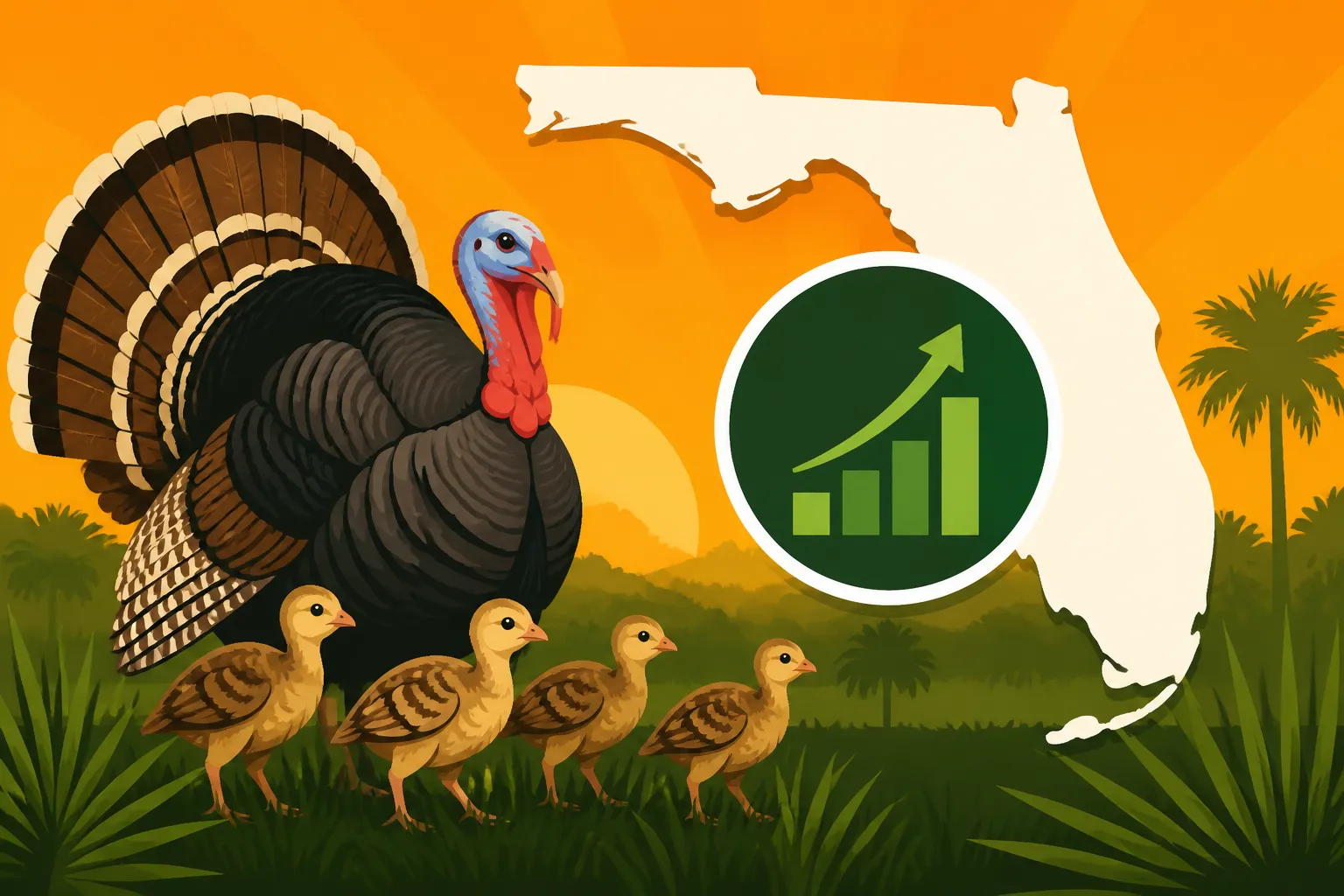
The "why" behind these surveys is deeply rooted in science and conservation. They provide vital insights into the annual reproductive success of the turkey population. By tracking how many poults survive to a certain age each year, wildlife managers can gauge the overall health of the flock. A year with high poult survival generally means a stronger, growing population, which bodes well for future hunting seasons. Conversely, a year with low poult numbers can indicate environmental challenges or other pressures, suggesting that future hunting opportunities might be more limited. It’s a snapshot that helps predict the future, guiding management decisions and giving hunters a heads-up on what to expect.
Key Metrics from the Surveys
When the FWC compiles these surveys, they aren't just looking for raw numbers of turkeys. They're analyzing specific metrics that tell a more detailed story about the population's vitality. The two most crucial figures are the "poults per hen" ratio and the "percentage of hens with poults."
The poults per hen ratio is perhaps the most telling statistic. This number represents the average number of young turkeys surviving per hen observed. A high ratio, say 3.0 or 4.0 poults per hen, indicates excellent nesting success and strong poult survival. This is what we love to see! It means hens are successfully hatching clutches, and the young birds are making it through their vulnerable early weeks. A low ratio, anything below 1.5 or 2.0, might suggest poor nesting conditions, high predation, or disease, all of which can severely impact the next year's hunt.
Equally important is the percentage of hens with poults. This metric tells us what proportion of the hen population actually participated in breeding and successfully raised at least one poult. If only a small percentage of hens are observed with young, it indicates that many hens either didn't nest, had their nests destroyed, or lost all their poults early on. Together, these two figures paint a comprehensive picture of annual recruitment, helping us understand the current status and predict Florida Turkey Population Trends for the seasons ahead. Tracking these trends over multiple years allows biologists to identify long-term patterns and make informed recommendations for hunting regulations.
Interpreting the Brood Survey Results
Understanding the raw numbers is one thing, but knowing what factors influence those numbers is key to interpreting the brood survey results. Florida's unique environment means that certain elements play a larger role here than they might elsewhere.
The Impact of Weather on Brood Success
If you've spent any time hunting or living in Florida, you know our weather can be a real rollercoaster. For wild turkeys, especially young poults, these weather patterns can be the difference between life and death. Wet, cold springs, while not as common as in more northern states, can be devastating if they occur. Young poults are incredibly vulnerable to hypothermia in their first few weeks of life, and prolonged periods of rain can chill them quickly. Furthermore, wet conditions can reduce the availability of insects, which are a critical food source for rapidly growing poults. Conversely, extremely dry springs, while preventing hypothermia, can lead to less lush undergrowth, reducing vital cover from predators.
Predation is another huge factor, and weather often plays a role in it. When poults are weak from cold or hunger, they become easier targets for everything from bobcats and raccoons to hawks and snakes. A spring with just the right amount of warmth and sunshine, coupled with timely, but not excessive, rainfall, creates optimal conditions for poult survival. The exact timing and intensity of Florida's wet and dry seasons can make or break a turkey brood, and these environmental conditions are heavily reflected in the annual survey data.
Habitat Quality and Brood Production
Beyond the weather, the quality of available habitat is absolutely non-negotiable for successful turkey broods. Turkeys need a mosaic of different habitat types throughout the year, but for nesting hens and vulnerable poults, specific conditions are crucial. Hens require dense, undisturbed nesting cover to lay their eggs safely, protecting them from predators and the elements. This often means thick patches of palmetto, saw palmetto, or tall grasses that provide concealment.
Once hatched, poults need brooding habitat that offers a delicate balance: open areas where they can forage for insects, but with immediate, accessible overhead cover for quick escape from aerial predators like hawks. Areas managed with prescribed burns, when timed correctly, can create ideal bugging grounds and new growth that poults thrive on. These burns clear out dense underbrush, allowing new, tender vegetation to emerge, which attracts insects. Healthy, diverse habitat acts as a buffer against some of the negative impacts of weather and predation, giving those tiny poults a fighting chance. When you're scouting for turkeys, keep an eye out for these varying habitat types, as they're often indicators of where a successful brood might have been raised. It also helps to remember that Hunting a Prescribed-Burn Unit for Turkeys can be a very effective strategy when these habitats are managed well.
How Brood Surveys Inform Hunting Strategies
As hunters, we're always looking for an edge, a way to better understand the game we pursue. Turkey brood survey results provide exactly that: a data-driven glimpse into the future that can help shape our hunting plans for the upcoming seasons.
Predicting Future Turkey Seasons
Think of brood surveys as a crystal ball, albeit one that's a few years out. The poults observed today will be the jakes of next year and the mature gobblers of two years from now. A season with exceptionally good brood success almost invariably translates into a strong population of 2-year-old gobblers in the future. These younger gobblers, often referred to as "jakes" or "second-year birds," tend to be less wary than older, more experienced birds. They might come to calls more aggressively and be more visible, potentially making for a more action-packed hunting season.
Conversely, a year with poor brood success means fewer young birds are entering the population. This can lead to tougher hunting conditions in subsequent years, with fewer jakes and, eventually, a smaller pool of mature gobblers. Hunters might need to work harder, employ more subtle tactics, or even travel to areas with better historical success. While it’s not a perfect predictor, understanding these long-term trends allows us to adjust our expectations and refine our strategies. If you know a particular area had a lean brood year two seasons ago, you might anticipate fewer gobblers and adjust your calling sequences or When Osceola Gobblers Go Quiet in April tactics accordingly.
Adjusting Tactics Based on Population Dynamics
Knowing the general population dynamics derived from brood surveys can certainly help you refine your approach in the field. If surveys indicate a booming population due to several good brood years, you might find birds more readily. This could mean more opportunities to run and gun, setting up on multiple birds, and experiencing less pressure on individual gobblers. You might be able to get away with more aggressive calling, as competition among gobblers could be higher.
However, if the surveys suggest a downturn in the population, indicating fewer birds and potentially more pressured gobblers, a more patient, subtle approach might be necessary. This means investing more time in Scouting Florida Public Land Before Season to locate individual birds, understanding their patterns, and using softer, more persuasive calling. You might focus more on finding isolated pockets of birds that haven't been as heavily hunted. No matter the survey results, consistent scouting remains critical, but knowing the broader population trends can give you a valuable framework for starting your hunt planning and choosing your tactics. Tools like GoHunt can be invaluable here, allowing you to cross-reference areas with good habitat against population trend data for a more informed strategy.
| Brood Success Level | Poults Per Hen Ratio (Avg.) | % Hens with Poults (Avg.) | Likely Impact on Future Hunting (2 years out) |
|---|---|---|---|
| Excellent | 3.5 – 4.5 | 70% + | Strong numbers of 2-year-old gobblers; active hunting. |
| Good | 2.5 – 3.4 | 50% – 69% | Good numbers of 2-year-old gobblers; solid hunting. |
| Average | 1.5 – 2.4 | 30% – 49% | Moderate numbers of 2-year-old gobblers; potentially tougher. |
| Poor | Below 1.5 | Below 30% | Fewer 2-year-old gobblers; challenging hunting. |
Participating in Turkey Brood Surveys
The strength of any widespread wildlife survey, especially one spanning an entire state like Florida, relies heavily on community involvement. As hunters and outdoor enthusiasts, we have a unique opportunity to contribute directly to the data that informs future turkey management.
How Hunters Can Contribute Data
Wildlife agencies across the country, including Florida, often rely on what's known as "citizen science" to gather broad-scale data that would be impossible for professional biologists to collect alone. For turkey brood surveys, this means enlisting volunteers – like you! – to be their eyes and ears in the field. Hunters, farmers, landowners, and anyone spending significant time outdoors during the summer months are perfectly positioned to provide invaluable observations.
Participating is usually straightforward. You'll typically be asked to record specific information: the date and time of your observation, the general location (often by county or specific management area), the number of adult hens you see, and crucially, the number of poults accompanying them. Sometimes, you'll also be asked to note the approximate size or age class of the poults, which can further refine the data. The value of accurate and consistent reporting cannot be overstated. Every single observation, whether it's a hen with a dozen poults or a lone hen, contributes to a larger dataset that paints a clearer picture of the population's health. It’s a direct way to give back to the resource we cherish.
Using Technology for Data Collection and Analysis
In today's digital age, participating in these surveys has become even easier thanks to modern technology. Many state wildlife agencies now offer user-friendly apps or online portals where volunteers can quickly and accurately submit their turkey observations. These platforms streamline the data collection process, allowing you to enter your sightings directly from your phone or computer, often with GPS tagging for precise location data. This real-time, georeferenced information is incredibly valuable for biologists trying to understand localized trends.
Beyond simple data entry, hunters can also leverage various mapping tools and outdoor apps, such as GoHunt, to identify potential brood-rearing habitats even before they head into the field. By studying aerial photos, identifying areas with good nesting cover adjacent to open, buggy spots, you can strategically focus your observations. These tools can help you track your own observations over time, overlaying them with past years' survey data (if available publicly) to draw your own conclusions about specific areas. Technology not only makes contributing easier but also enhances your ability to understand and analyze the data for your own hunting benefit.
Regional Differences in Florida Turkey Brood Success
Florida is a long, diverse state, stretching from the temperate panhandle to the subtropical south. This geographical variation means that turkey populations and their reproductive success can differ significantly from one region to another, even within the same year.
Osceola Zone Specifics
The Osceola turkey, a distinct subspecies found exclusively in peninsular Florida, faces its own set of environmental challenges that can influence brood success. The central and southern parts of the state are characterized by vast stretches of palmetto and pine flatwoods, often interspersed with cypress swamps and oak hammocks. The sheer density of vegetation, while offering incredible cover, can sometimes make observations difficult for surveyors. More importantly, the weather patterns here, particularly the intense summer rains, can be a double-edged sword. While the rain nourishes the habitat and promotes insect growth crucial for poults, excessively heavy or prolonged downpours can lead to flooding and chilled poults, especially during their first vulnerable weeks.
Predation pressure can also vary, with different predator communities in the more southerly ranges. Understanding the local climate anomalies – a particularly wet spring in one region or a prolonged dry spell in another – is vital for interpreting the brood survey results for Osceola Turkeys in Peninsular Florida. Hunters targeting this elusive bird need to pay close attention to the specific regional reports, as a good brood year in North Florida might not necessarily translate to the same success in the heart of the Osceola range.
Eastern Zone Considerations
Moving north into the Florida Panhandle, we enter the range of the Eastern turkey. This region often shares more habitat characteristics with neighboring Alabama and Georgia, featuring more rolling hills, hardwoods, and mixed pine timberlands. Here, the traditional four seasons are more distinct, though still milder than up north. Spring weather patterns can still include significant rainfall, but the dynamics might differ slightly from the central peninsula. Habitat management, particularly timber practices and prescribed fire regimes in the vast pine plantations, plays a huge role in creating optimal nesting and brooding conditions for Eastern turkeys.
When comparing brood success between the two zones, you might find variations driven by localized weather events or differing land management intensities. A strong acorn crop in the Panhandle, for instance, might indirectly support a more robust predator population, potentially impacting poult survival, whereas a dry spring might create more accessible insect forage in certain areas. Observing the brood survey results for Eastern Turkeys in the Florida Panhandle and cross-referencing them with local weather histories and land use practices can provide a much clearer picture for planning your Florida Fall Turkey Season Dates hunts or future spring trips. Tools like GoHunt can help visualize these habitat differences across zones and how they might relate to regional turkey success.
Disclaimer
This article is for general informational purposes only and does not constitute professional advice. Laws, prices and regulations vary by location and change over time. Consult a qualified professional for guidance on your specific situation.