Hunting Florida’s Green Swamp
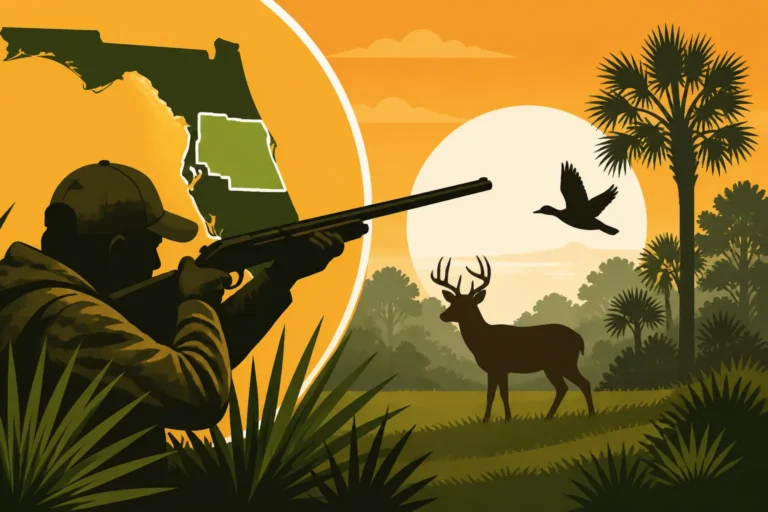
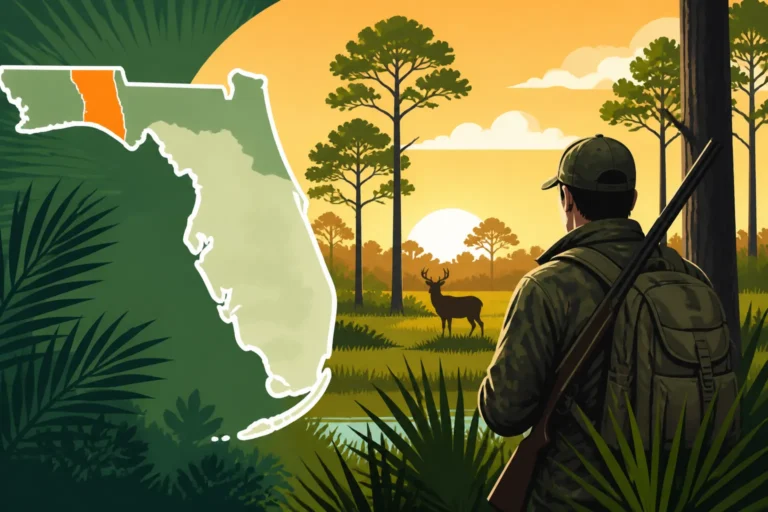
The Green Swamp Wilderness Preserve, a vast and often unforgiving landscape in the heart of Florida, presents a truly unique challenge for any hunter. It’s a place where the dense cypress sloughs meet sprawling pine flatwoods, and the sheer scale of the wilderness can feel overwhelming if you're not prepared. For many, the idea of navigating such a remote and challenging environment for deer, hogs, or turkeys is both daunting and exhilarating. This comprehensive guide will peel back the layers of this incredible area, helping you understand its unique ecosystem, navigate its complex regulations, and equip you with the knowledge needed to successfully pursue game in one of Florida's most iconic wild places.
Understanding the Green Swamp Wilderness Preserve
The Green Swamp Wilderness Preserve (GSWP), often simply called the Green Swamp, isn't just another patch of woods in Florida; it's a critical ecological treasure and a formidable hunting ground. Tucked away in parts of Polk, Lake, Sumter, and Pasco counties, this immense area serves as the headwaters for four major Florida rivers: the Withlacoochee, Hillsborough, Oklawaha, and Peace rivers. Its unique hydrology and diverse habitats make it a challenging but rewarding destination for those willing to learn its secrets.
What Makes the Green Swamp Unique
Imagine an ancient, untouched Florida, where water dictates the landscape and dense vegetation hides countless secrets. That's the Green Swamp. Its designation as a "wilderness preserve" isn't just a fancy title; it signifies its protected status and the deliberate effort to keep it wild and untamed. This means less infrastructure, fewer roads, and a greater reliance on your own two feet and navigational skills. The sheer scale of the Green Swamp is breathtaking, encompassing hundreds of thousands of acres. It's a land of seasonal flooding and drought, where cypress domes stand like sentinels in the low-lying areas, and islands of higher ground—often called "hammocks" or "heads"—become critical refuges for wildlife during wet periods. This constant interplay of water and dry land creates a dynamic environment that constantly challenges hunters to adapt. The swamp’s dense, almost impenetrable nature in many spots provides unparalleled cover for game, making encounters feel incredibly earned.
Management and Regulations Overview
Like many of Florida's public hunting lands, the Green Swamp Wilderness Preserve is managed by the Florida Fish and Wildlife Conservation Commission (FWC) as a Wildlife Management Area (WMA). However, its "wilderness preserve" status often means even stricter regulations and a strong emphasis on low-impact hunting. This isn't a place where you'll find extensive food plots or easily accessible hunt camps. Management objectives focus on preserving the natural ecosystem while still providing public hunting opportunities. Most big game hunting in the Green Swamp, including deer and turkey, operates under a quota hunt system. This means hunters must apply for and draw a permit to gain access during specific seasons. This quota system helps manage hunting pressure and ensures a quality experience, but it also means planning your hunt well in advance and being prepared for the possibility of not drawing a tag. Always check the current WMA regulations for the Green Swamp before making any plans, as rules can change seasonally.
Key Features and Habitat Types
The Green Swamp is a mosaic of distinct habitats, each offering different challenges and opportunities for hunters. The most iconic, of course, are the vast cypress swamps and sloughs. These are the lowest-lying areas, often holding standing water for much of the year, making travel arduous but providing crucial cover and refuge for wildlife. Deer will often use the edges of these sloughs or find isolated cypress heads to bed down. Interspersed with the wet areas are extensive pine flatwoods, characterized by longleaf or slash pines, wiregrass, and saw palmetto understory. These areas are often drier and can be excellent for still-hunting or finding travel corridors between bedding and feeding areas. Higher, drier ground gives rise to hardwood hammocks, islands of oak, hickory, and other deciduous trees. These hammocks are vital, offering mast crops (like acorns) and elevated bedding sites, particularly during high water. Finally, you'll encounter vast stretches of palmetto scrub, dense and nearly impenetrable, providing incredible thermal and escape cover for deer and hogs. Understanding how game utilizes each of these habitat types and how water levels influence their movement is key to successful hunting in the Green Swamp. Knowing the terrain allows you to focus your scouting efforts and anticipate where game will be.
Deer Hunting in the Green Swamp
Deer hunting in the Green Swamp is not for the faint of heart, but it offers a genuinely wild experience for those who embrace the challenge. The whitetails here are a testament to adaptation, thriving in an environment that would defeat many. Success often comes down to understanding their movements in relation to water and cover. The Green Swamp falls within Florida's Four Deer Management Zones Explained, primarily Zone C, which has its own unique season dates and rut timing.
Understanding Deer Behavior in Swamp Environments
Deer in the Green Swamp are masters of their domain. They don't just survive; they thrive by utilizing the swamp's intricate network of high ground, dense cover, and water features. During periods of high water, deer will naturally congregate on the highest available ground – whether that's a sprawling hardwood hammock, an elevated pine island, or even just a subtle rise in the terrain within a palmetto head. These "islands" become critical bedding and feeding areas. When water recedes, deer will expand their range, but they still prefer to move along the edges of sloughs, creek bottoms, and through the slightly more open pine flatwoods that connect the hammocks. They are incredibly adept at navigating water, often wading or even swimming to get from one dry spot to another. Look for subtle trails or worn paths at the edges of water features, or where they climb onto dry ground. Understanding that water levels dictate their movements more than almost any other factor is paramount. A fresh trail leading out of a slough onto a dry ridge could be your ticket to success.
Strategies for Green Swamp Deer
Hunting in the Green Swamp often demands a blend of still-hunting and careful stand placement. Given the dense vegetation, long-range shooting opportunities are rare. This is intimate, close-quarters hunting. Still-hunting Florida palmetto flatwoods and the edges of hammocks can be highly effective, moving slowly, pausing frequently, and using your binoculars to pick apart the dense cover. Look for slight changes in elevation or cover density that create natural pinch points or funnels. When water is high, identify those high-ground islands on your map and focus your efforts there, setting up stands or ground blinds overlooking trails leading into or out of them. A good map tool like onX Hunt, with its topographic and aerial imagery layers, can be invaluable for identifying these subtle elevation changes and potential travel corridors. Pay close attention to fresh tracks in the mud, rubs on small trees, and well-used scrapes along sand roads or hammock edges. For those brave enough to venture deep into the wet stuff, Hunting a Cypress Head at Last Light can be a productive, albeit challenging, strategy, focusing on deer emerging from deep cover. Patience is a virtue here, as deer often move slowly and deliberately through the thick stuff.
Season Dates and Quota System
Deer hunting in the Green Swamp Wilderness Preserve typically falls under Zone C regulations. Florida Zone C Archery Opening Day usually kicks off the season, followed by muzzleloader and then general gun seasons. However, the Green Swamp is almost entirely a quota hunt area for deer. This means you cannot simply walk in with a general hunting license; you must apply for and be awarded a specific quota permit for a designated hunt period. These permits are limited, and competition can be stiff. The application periods are usually months in advance of the season, so it’s crucial to check the FWC website early in the year for the exact dates and application windows. Once you draw a permit, adhere strictly to the season dates and bag limits specified on your permit and in the WMA regulations. Failure to do so can result in severe penalties. Always ensure you carry your physical or digital permit with you while hunting.
Wild Hog Hunting Opportunities
If there's one animal that truly thrives in the Green Swamp without restriction, it's the wild hog. These intelligent and resilient animals find everything they need in this vast wilderness: abundant food, endless cover, and plenty of water. For hunters, this translates into fantastic, Year-Round Hog Hunting in Florida opportunities, often with no bag limits and fewer regulatory hurdles than for other game species.
Why Hogs Thrive in the Green Swamp
The Green Swamp is practically a hog paradise. Its diverse habitats provide a constant buffet: acorns and other mast in the hardwood hammocks, roots and tubers in the damp soils, and a variety of green vegetation year-round. The dense palmetto and cypress thickets offer impenetrable cover, allowing hogs to evade pressure and reproduce prolifically. With consistent water sources available, they rarely have to travel far for a drink or a wallow to cool off in the brutal Florida heat. This combination of food, water, and cover ensures a healthy and constantly regenerating hog population. Their destructive rooting habits are evident throughout the swamp, tearing up vast stretches of ground in search of food. While this can be frustrating for land managers, it’s a clear sign of hog activity for the hunter. Because they are an invasive species, the FWC encourages their harvest, which is why Hunting Hogs Without a Bag Limit is often the rule in many areas, including the Green Swamp.
Effective Hog Hunting Tactics
Hunting hogs in the Green Swamp typically involves still-hunting or ambushing. Stalking slowly through pine flatwoods and along hammock edges, particularly in the early morning or late evening, can yield success. Look for fresh rooting, tracks, and wallows – these are clear indicators of recent activity. Hogs are creatures of habit, often using the same travel routes between bedding areas in dense cover and feeding grounds. Setting up an ambush along these trails or near a heavily rooted area can be effective. Keep the wind in your favor, as hogs have an incredible sense of smell. Thermal optics or night vision can be incredibly useful if regulations permit night hunting for hogs on specific parts of the WMA, which is usually not the case for most public lands, so always double-check the current Green Swamp WMA rules. For the most part, daylight hours, still-hunting, and reading the subtle signs of their destructive foraging are your best bets. Their keen senses mean you need to move slowly and quietly, blending into the environment.
Access and Regulations for Hogs
While hogs can often be hunted during any established hunting season for deer or turkey within the Green Swamp, it's crucial to consult the specific WMA regulations. Some seasons, especially archery or muzzleloader, might have specific weapon restrictions that apply to hogs as well. Generally, there is no bag limit on wild hogs, and often no size or sex restrictions. This provides incredible flexibility for hunters. However, all other WMA rules regarding vehicle access, scouting, and camping still apply. Always ensure your hunting license and any necessary WMA permits are valid. Given the challenges of the terrain, consider bringing a game cart or having a plan for extraction, as hogs can be surprisingly heavy, and dragging one through deep palmetto or cypress can be an exhausting endeavor.
Turkey Hunting in the Swamps
The Green Swamp is prime habitat for the elusive Osceola turkey, a subspecies found exclusively in Florida. Hunting these birds in their native, often watery, environment is considered by many to be the pinnacle of Florida turkey hunting. It demands patience, keen woodsmanship, and a deep understanding of turkey behavior in dense, challenging terrain.
The Elusive Osceola Gobbler
The Osceola Turkeys in Peninsular Florida are a magnificent game bird, known for their wariness and sharp eyesight. In the Green Swamp, their intelligence is amplified by the dense cover and often limited visibility. Unlike their Eastern counterparts, Osceolas in this region might not travel vast distances across open fields. Instead, they navigate intricate patterns through palmetto flats, cypress strands, and hardwood hammocks. Roosting often occurs over water in cypress trees or tall pines along creek beds, making a pre-dawn approach challenging but critical. Their calls can carry through the still, swampy air, but pinpointing their exact location and closing the distance without being detected is the real test. They often move silently through the thick undergrowth, making visual confirmation difficult until they are almost upon you.
Calling and Setup Strategies
Successful Osceola hunting in the Green Swamp demands stealth and strategic calling. Roosting birds the evening before can be incredibly valuable, allowing you to get close for a pre-dawn setup. However, actually closing the distance on a bird that might be roosted over water is a whole different ball game. When a gobbler sounds off, try to pinpoint his location and determine the most likely travel routes he might take once he flies down. Due to the limited visibility, calling aggressively can sometimes backfire; instead, soft, intermittent hen calls, paired with patient waiting, can often be more effective. Finding a natural setup against a large oak or palm that offers good concealment and a relatively clear shooting lane is crucial. Decoys can work, but their effectiveness can be limited in extremely dense cover where visual range is short. Sometimes, moving quietly and calling sparingly, mimicking a hen feeding through the woods, can draw in a curious gobbler. Calling an Osceola Off the Roost requires a calculated approach and often a bit of luck to set up in the right spot before he hits the ground.
Quota Hunts and Season Timing
Just like deer hunting, turkey hunting in the Green Swamp Wilderness Preserve is almost exclusively managed through a quota permit system. This means that to hunt Osceola gobblers during the spring season, you must apply for and draw a permit. Florida Osceola Spring Season Dates typically run from mid-March through late April, but the specific dates and hunt periods for the Green Swamp WMA will be outlined in the annual FWC regulations. It’s imperative to check the FWC website for application deadlines, which are usually in the fall or early winter preceding the spring hunt. These permits are highly sought after, and drawing one is often a matter of luck in the lottery system. Once you have a permit, make sure you understand the bag limits (typically one gobbler per day, two per season for the WMA), legal shooting hours, and any check station requirements. The intense competition for these permits speaks volumes about the quality of the Osceola hunting experience in the Green Swamp.
Small Game and Predator Hunting
While deer, hogs, and turkeys often take center stage, the Green Swamp also offers opportunities for small game and predator hunting. These pursuits can be a great way to extend your time in the woods, hone your tracking and stalking skills, and enjoy the diverse wildlife of this unique ecosystem. Regulations for small game are generally less restrictive than for big game, but always check the Green Swamp WMA-specific rules.
Squirrels and Rabbits in Green Swamp Hammocks
The hardwood hammocks scattered throughout the Green Swamp are vibrant hubs of activity for small game, particularly squirrels. Gray squirrels and fox squirrels thrive on the abundant mast crops, especially acorns from the various oak species found there. Squirrel Hunting Florida Hardwood Hammocks can be a fantastic way to spend a cool morning. Look for sign like cut nut shells, fresh diggings, and bark rubbings on trees. Hunting them often involves slow stalking, sitting quietly and waiting for movement, or using a squirrel dog (if permitted by WMA rules, which is less common). Rabbits, including cottontails and marsh rabbits, can also be found in the thicker brushy areas and along the edges of hammocks. Jump-shooting them in dense cover requires quick reflexes, but they offer a fun challenge and excellent table fare. Small game hunting provides a chance to explore parts of the swamp you might otherwise overlook, giving you valuable experience in reading the terrain and understanding animal movements.
Coyote Hunting in the Edges
Coyotes are a growing presence across Florida, and the Green Swamp is no exception. These adaptable predators can be found in a variety of habitats, often patrolling the edges of pine flatwoods, clear-cuts, and hammocks where they can ambush prey. While not typically a primary target for most hunters in the swamp, opportunistic coyote hunting can be a thrilling addition to your trip. Using distress calls or prey-in-distress sounds can be effective, particularly in areas with a bit more open visibility. Setting up along known travel corridors or where you've seen fresh tracks can increase your chances. Coyote Calling Florida Ranch Land offers insights that can be adapted to the more open edges of the Green Swamp. Be mindful of any specific WMA regulations regarding predator hunting, especially concerning weapon types or hunting hours, as some WMAs have restrictions. Coyotes are cunning, and successfully calling one in requires patience and good concealment.
Other Opportunistic Species
Beyond squirrels, rabbits, and coyotes, the Green Swamp harbors a variety of other small game and furbearers that can be harvested if allowed by regulations. Raccoons and opossums are common throughout the swamp, often found near water sources or in dense hardwood areas. While trapping is generally regulated separately, these animals can sometimes be taken opportunistically during established hunting seasons. Waterfowl, particularly wood ducks, can occasionally be found in the cypress sloughs and small ponds, though dedicated waterfowl hunting usually requires specific permits and is focused on different WMAs. Always consult the FWC regulations handbook for the Green Swamp Wilderness Preserve to confirm which species are legal to harvest, during which seasons, and with what methods. Understanding the full scope of hunting opportunities can enhance your overall experience in this incredible ecosystem.
Navigating the Terrain and Access Points
Hunting the Green Swamp is as much about navigating the landscape as it is about finding game. This isn't a place with neatly manicured trails or extensive road systems. It's wild, often wet, and demands thorough preparation to ensure a safe and successful trip. Getting in and out safely is half the battle.
Understanding Entry and Exit Points
Access to the Green Swamp Wilderness Preserve is generally limited to designated entry points, which are often unpaved roads or old logging trails. These are typically marked by FWC signage. Do not attempt to create your own access points or cross private land without explicit written permission. Vehicle access within the WMA itself is often highly restricted, usually limited to main graded roads. Many of the best hunting spots require significant hiking, often several miles, deep into the wilderness. Parking areas might be gravel lots off a main road, or simply wide spots on a dirt track. Before you head out, study a detailed map of the WMA (digital or paper) to identify all legal entry points, parking areas, and any roads that might be open to vehicles. Having a clear plan for where you will enter and, more importantly, where you expect to exit is critical, especially if you plan to hunt far from your vehicle.
Essential Gear for Swamp Hunting
The Green Swamp demands robust gear that can stand up to its challenging conditions. First and foremost, waterproof footwear is non-negotiable. Knee-high rubber boots or even chest waders might be necessary depending on the time of year and recent rainfall. A good quality GPS device or a reliable smartphone app like onX Hunt is absolutely essential for navigation. Standard phone maps won't cut it in areas without cell service, which is common here. Download offline maps and mark your vehicle, key landmarks, and potential game locations. Carry a compass and paper map as a backup – batteries die, and electronics fail. Hydration is key in Florida's heat, so a hydration pack or plenty of water bottles are a must. Insect repellent with a high DEET concentration will be your best friend against mosquitoes, ticks, and other biting insects. Other essentials include a reliable flashlight or headlamp, a first-aid kit, extra dry clothes, a rain suit, and bright blaze orange if required for the season you're hunting. Consider a small, lightweight game cart if you expect to be successful and need to haul game out over long distances.
Safety Considerations
Safety should always be your top priority when hunting in the Green Swamp. The combination of heat, dense vegetation, water, and wildlife presents several hazards.
- Heat and Hydration: Florida's heat and humidity can be relentless, even outside of summer. Drink plenty of water before, during, and after your hunt to prevent dehydration and heatstroke.
- Getting Lost: This is perhaps the biggest risk. The dense, monotonous landscape can disorient even experienced woodsmen. Always carry a reliable GPS, know how to use it, and check your location frequently. Inform someone of your hunting plans, including your exact location, expected return time, and a contingency plan.
- Wildlife Encounters: You'll share the swamp with alligators, venomous snakes (like cottonmouths and rattlesnakes), and even Florida black bears. Be aware of your surroundings, watch where you step, and give all wildlife a wide berth.
- Alligator Safety: While alligators are generally shy, they are present. Avoid walking near the water's edge at dawn or dusk, and never approach or feed an alligator.
- Water Crossings: Be extremely cautious when crossing water. Test the depth and bottom stability with a stick before wading in. Strong currents can be present in creeks.
- Firearms Safety: Always follow standard firearms safety rules, and be absolutely certain of your target and what is beyond it, especially in dense cover.
A hunting partner is highly recommended for trips into challenging areas like the Green Swamp. Share your location with them, and agree on a meeting point if you get separated.
Licenses, Permits, and Regulations
Navigating the rules and requirements for hunting in Florida, especially on WMAs like the Green Swamp, can feel like a labyrinth. However, understanding and adhering to these regulations is non-negotiable for a legal and ethical hunt. Always confirm the latest information directly from the Florida Fish and Wildlife Conservation Commission (FWC) before you head out.
Required Licenses and Permits
To legally hunt in the Green Swamp Wilderness Preserve, you'll need several key documents. First, you'll need a valid Florida hunting license. This is your base license, and options vary for residents and non-residents, as detailed in Florida Hunting Licenses and What They Cost. In addition to the base license, anyone hunting on a WMA like the Green Swamp will generally need a Wildlife Management Area (WMA) Permit. This permit grants you access to hunt on state-managed lands. Beyond these, for deer and turkey in the Green Swamp, you will almost certainly need a Quota Permit. As discussed, these are limited-entry permits that you must apply for and be awarded through a lottery system for specific hunt periods. Without a quota permit for deer or turkey, you cannot hunt those species in the Green Swamp. For migratory birds, additional federal and state migratory bird permits and stamps may be required. Always carry physical or digital proof of all your licenses and permits while in the field.
Specific Green Swamp WMA Regulations
Every WMA has its own set of specific regulations that often go beyond statewide rules. The Green Swamp Wilderness Preserve is no exception. These rules cover everything from legal weapons (e.g., specific archery equipment, muzzleloader types, or shotgun gauges allowed for certain species) to check station requirements, harvest reporting, vehicle access, camping rules, and even allowed scouting activities. For example, some WMAs require all harvested deer to be brought to a check station for biological data collection, or to be reported online via the FWC's app. Vehicle access might be limited to specific designated roads, and off-road vehicles like ATVs may be strictly prohibited. Tree stand rules can vary, including whether stands must be removed daily or can be left for the season. It is your responsibility to thoroughly review the current FWC hunting regulations handbook specifically for the Green Swamp Wilderness Preserve every single year before your hunt, as rules can and do change. This handbook is usually available online on the FWC website.
Staying Informed About Rule Changes
The Florida Fish and Wildlife Conservation Commission frequently updates its regulations to adapt to changing wildlife populations, environmental conditions, and management strategies. Relying on outdated information, or what you "heard" someone say last year, is a recipe for trouble. The absolute best way to stay informed is to regularly check the official FWC website, especially the section dedicated to WMAs and hunting regulations. They often publish news releases regarding rule changes, application period announcements, and important updates. Many hunters also download the FWC Fish and Wildlife mobile app, which can provide access to regulations, maps, and even allow for harvest reporting directly from the field. Consider signing up for FWC email newsletters if available. A quick call to your local FWC office or area biologist can also clarify any specific questions you might have. Being proactive in checking for current information ensures you remain compliant and avoid any unintended violations.
Planning Your Green Swamp Hunt
A successful hunt in the Green Swamp isn't just about showing up with a rifle or bow; it's about meticulous planning, physical preparation, and a deep respect for the challenging environment. The more you put into your planning, the more rewarding your experience will be.
Pre-Season Scouting and Mapping
Pre-season scouting is absolutely critical for hunting the Green Swamp, arguably more so than in many other, more accessible hunting areas. Since vehicle access is limited, much of this scouting might be done virtually or on foot during off-season periods if allowed. Start with detailed topographic maps and aerial imagery. Tools like onX Hunt or GoHunt are incredibly powerful, allowing you to identify potential high ground, water features, dense cover, and pinch points that funnel game. Look for the subtle changes in elevation that become critical deer or hog refuges during high water. Scouting Florida Public Land Before Season using these digital tools can save you countless hours of unproductive walking. Identify potential bedding areas in thick palmetto or cypress, and look for corridors that connect them to feeding areas in hammocks or pine flatwoods. Mark potential stand locations, historical sign, and likely travel routes on your map. If permitted, a pre-season walk-through (without carrying hunting equipment) can help you verify what you see on the map and get a feel for the actual terrain and vegetation density.
Physical and Mental Preparation
Hunting the Green Swamp will test your physical and mental fortitude. This is not a "drive-up-and-shoot" hunt. Expect to walk long distances through challenging terrain, often contending with heat, humidity, thick brush, and potentially deep water. Physical conditioning is paramount. Start a walking or hiking regimen well before your hunt, ideally carrying the kind of pack weight you'll have in the field. Work on your stamina and leg strength. Mentally, be prepared for solitude, discomfort, and the possibility of coming up empty-handed despite significant effort. The Green Swamp demands patience, resilience, and a stubborn refusal to give up. The rewards, however, are immense: the satisfaction of earning an animal in a truly wild setting, and the unique experience of immersing yourself in one of Florida's most untouched natural landscapes. Embrace the challenge, and remember that the experience itself is often the greatest trophy.
Respecting the Environment and Other Users
Hunting in the Green Swamp means being a steward of this precious wilderness. Practice Leave No Trace principles rigorously: pack out everything you pack in, including spent shell casings, food wrappers, and anything else. Avoid damaging vegetation or leaving behind any permanent markers. Recognize that you are sharing this public land with other hunters, hikers, birdwatchers, and nature enthusiasts. Be courteous and respectful of others' space and their enjoyment of the outdoors. Follow all WMA rules regarding camping, vehicle use, and fire. By respecting the environment and other users, you help ensure that the Green Swamp remains a pristine and accessible hunting ground for generations to come. Be a responsible hunter and ambassador for the sport.
| Game Species | Primary Habitat in Green Swamp | Common Hunting Methods | Special Considerations |
|---|---|---|---|
| White-tailed Deer | Hardwood hammocks, pine flatwoods edges, cypress slough edges, higher ground | Still-hunting, stand hunting on travel corridors/high ground | Quota hunts required, difficult tracking in dense cover, water levels dictate movement |
| Wild Hog | All habitats, especially dense palmetto, cypress, hammocks | Still-hunting, ambushing near rooting areas/wallows | No bag limit, year-round opportunity, excellent sense of smell |
| Osceola Turkey | Hardwood hammocks, pine flatwoods, cypress edges for roosting | Calling, roosting, patient setups | Quota hunts required, highly wary, dense cover limits visibility |
| Squirrels | Hardwood hammocks, oak stands | Still-hunting, stalking, sitting | Abundant, good for skill practice, less regulated |
| Coyotes | Pine flatwoods, hammock edges, clear-cuts | Calling, ambushing, opportunistic | Requires specialized calling gear, check WMA rules for night hunting/weapons |
Disclaimer
This article is for general informational purposes only and does not constitute professional advice. Laws, prices and regulations vary by location and change over time. Consult a qualified professional for guidance on your specific situation.