Florida Area Closures in Season
Few things are more disheartening than driving hours to a prime hunting spot in Florida, only to find a gate locked tight or a "Closed" sign flapping in the wind. Whether it's a last-minute prescribed burn, a sudden quota hunt closure, or unexpected flooding, encountering an area closure mid-season can derail your carefully laid plans and leave you feeling utterly frustrated. This comprehensive guide will walk you through the common reasons for these closures, how to stay informed, and most importantly, how to adapt your hunting strategy to ensure your time in the Florida outdoors is always productive, not disappointing.
The Reality of Hunting Season Closures in Florida
Florida's wild lands are incredibly diverse and dynamic, offering some fantastic hunting opportunities. But with that diversity comes a unique set of challenges, especially when it comes to consistent access. Unlike some states where seasons and access are more rigidly fixed, Florida's hunting landscape, particularly on public lands like Wildlife Management Areas (WMAs) and National Forests, can be a moving target. It’s easy to feel like you’re constantly playing catch-up, trying to figure out if your planned spot is actually open for business.
Why Closures Aren't Always Obvious
One of the biggest frustrations for Florida hunters is that closures aren't always glaringly obvious until you're practically at the boundary. Sometimes, signs are small, posted deep within the area, or they might not even be physical signs, but rather digital updates you missed. This isn't usually due to a lack of effort on the part of land managers, but rather the sheer scale and complexity of managing vast tracts of land for multiple uses and varying biological needs. You might have checked the general season dates for Hunting Florida's Four Deer Zones and assumed all was clear, only to discover a localized restriction.
For instance, a particular WMA might be open for general gun season, but specific sections within it could be temporarily closed for a youth hunt weekend, a special archery-only quota hunt, or even for non-hunting recreational events. These nuances are rarely communicated with large, highway-visible billboards. Instead, they require hunters to be proactive and dig into the details before loading up the truck. This layered complexity means relying solely on broad season dates is a recipe for disappointment.
The Frustration of Last-Minute Changes
It’s happened to the best of us: you've taken time off work, packed the truck, scouted your spot for weeks, and then, the day before your hunt, you hear whispers of a closure. Maybe it's a prescribed burn that got approved at the eleventh hour because the wind finally shifted right, or an unexpected tropical depression that dumped feet of rain, making roads impassable. These last-minute changes are incredibly frustrating because they often come after you’ve invested significant time and resources.
The feeling of wasted effort can be crushing. You might have just finished Scouting Florida Public Land Before Season, identified prime bedding areas, and found fresh sign, only to have the rug pulled out from under you. While these changes are usually for legitimate safety or ecological reasons, it doesn’t make the drive home any less bitter. Understanding that these situations are a part of hunting in Florida, and learning how to anticipate and react to them, is crucial for maintaining your sanity and success in the field.
Balancing Hunter Access with Wildlife Management
At the heart of many closures is a fundamental balancing act: providing public access for hunting while simultaneously managing wildlife populations and habitat effectively. The Florida Fish and Wildlife Conservation Commission (FWC) and other land management agencies work tirelessly to ensure healthy ecosystems and sustainable hunting opportunities. Sometimes, this means limiting access to certain areas or during specific times to achieve conservation goals.
For example, a sudden closure might be enacted if a particular game species is struggling in an area, or if a sensitive nesting site for an endangered species needs protection. Other times, it's about controlling hunting pressure, especially on public lands that see heavy use. Quota hunts, for instance, are designed to distribute hunters and manage harvest levels, and once those limited slots are filled, the area effectively closes to general access for that specific hunt type. It’s a complex system, and while it can feel restrictive at times, it’s ultimately for the long-term health of Florida's wildlife and hunting tradition.
Common Reasons Behind In-Season Hunting Area Closures
Understanding why areas close can help you anticipate potential issues and plan more effectively. Florida's environment and management strategies create several distinct categories of closures that hunters frequently encounter. These aren't arbitrary decisions; they are carefully considered actions aimed at protecting resources, ensuring public safety, or fulfilling specific management objectives.
Wildlife Management Objectives and Quota Hunts
One of the most common reasons for limited access or outright closures on Florida WMAs is related to wildlife management objectives, often implemented through quota hunt systems. Many of Florida's most sought-after public hunting lands operate under a quota permit system. This means that to hunt certain species (like deer or turkey) or during specific seasons, you must apply for and draw a special permit. Once the quota period for that specific hunt is over, or if you didn't draw a permit, that particular area might effectively be closed to you for that hunting type, even if the general season is still open elsewhere.
For example, a WMA might have an archery season that requires a quota permit, followed by a general gun season that also requires a separate quota. If you only drew the archery permit, you wouldn't be able to hunt during the general gun quota. It’s a system designed to regulate harvest, spread out hunter pressure, and prevent overcrowding. You can learn more about Florida WMA Quota Permit System by checking the FWC resources. Being aware of the Florida WMA quota permit application process well in advance is key to securing a spot in these popular areas.
Weather-Related Closures and Safety Concerns
Florida's weather is famously unpredictable and can drastically impact land access. Heavy rains, especially during hurricane season or strong cold fronts, can lead to widespread flooding, making roads impassable and creating dangerous hunting conditions. Many WMA and National Forest roads are unpaved, turning into muddy quagmires or completely washing out after significant rainfall. This isn't just an inconvenience; it's a safety issue. Vehicles can get stranded, and hunters can become disoriented in flooded swamps.
Beyond flooding, severe weather such as lightning storms or strong winds can also prompt temporary closures, particularly in areas with dense tree cover where falling limbs are a hazard. These closures are typically announced on short notice, as they are direct responses to immediate environmental threats. Always check local weather forecasts and any FWC alerts before heading out, especially if a strong storm system has moved through the area recently. What was an open road yesterday might be underwater today.
Prescribed Burns and Habitat Restoration Efforts
Prescribed fire is an essential tool for managing Florida's natural landscapes, especially the pine flatwoods, palmetto scrub, and prairies that dominate much of the state. These controlled burns mimic natural fire cycles, reduce fuel loads to prevent catastrophic wildfires, enhance wildlife habitat by stimulating new growth, and control invasive species. However, conducting a prescribed burn requires specific weather conditions (wind, humidity, temperature), and these windows can open and close quickly.
When a prescribed burn is underway or has just finished, the area will be closed to public access for safety reasons and to allow the area to cool and recover. Smoke can reduce visibility, and smoldering embers pose a risk. While land managers try to announce these burns in advance, the exact timing can shift dramatically based on conditions. Keep an eye out for burn notices, especially if your hunting area is in a fire-adapted ecosystem, like those found in Ocala National Forest Hunting or Apalachicola National Forest Hunting. A recently burned area might be fantastic for new growth later in the season, but it's completely off-limits during and immediately after the burn.
Military Operations and Special Use Areas
A lesser-known but equally critical reason for closures involves military operations or other special use designations. Certain large tracts of land in Florida, particularly in the Panhandle and some central areas, are adjacent to or contain military training ranges. While some of these lands might have cooperative agreements for public hunting, military exercises take precedence and can lead to sudden, unannounced closures for safety. Imagine stumbling into a live-fire zone – it’s a terrifying thought, and these closures are strictly enforced for obvious reasons.
Similarly, some areas might be temporarily closed for scientific research, specific conservation projects that require undisturbed conditions, or even major public events unrelated to hunting. These situations are less common than weather or quota-related closures but are nonetheless important to be aware of. Always cross-reference your hunting plans with any specific details or warnings issued for areas known to have these special designations.
Navigating the Labyrinth of Closure Information
With so many variables at play, staying informed about Florida's hunting area closures might feel like a full-time job. But thankfully, the FWC and various technological tools have made it much easier for hunters to get real-time information. The key is knowing where to look and checking consistently.
Official FWC Resources: Websites, Apps, and Hotlines
Your absolute first stop for any public land hunting information in Florida should always be the Florida Fish and Wildlife Conservation Commission (FWC). Their website is a treasure trove of information, housing detailed regulations, WMA brochures, and often, specific closure alerts.
- FWC Website: Navigate to the "Hunting" section, then drill down to "Wildlife Management Areas" or "Public Hunting Lands." Each WMA often has its own dedicated page with a PDF brochure containing maps, season dates, and specific rules. Crucially, many of these pages will also post current alerts or notices about temporary closures due to burns, flooding, or other events.
- FWC App: The official FWC hunting app is an invaluable tool. It allows you to access regulations, check harvest reporting, and often features a mapping function. Critically, it’s a quick way to check for alerts and specific WMA conditions while you're on the go, even if cell service is spotty once you get deeper into the woods.
- WMA Check Stations and Kiosks: Many WMAs have physical check stations or information kiosks at primary entry points. These often display maps and printed notices of current closures or conditions. While they might not be updated minute-by-minute, they are a good last-check point before heading into a specific area.
- Regional FWC Offices: If you have specific questions about an area, don't hesitate to call the FWC regional office responsible for that WMA. They can often provide the most up-to-date information directly.
Leveraging Mapping Tools Like onX Hunt
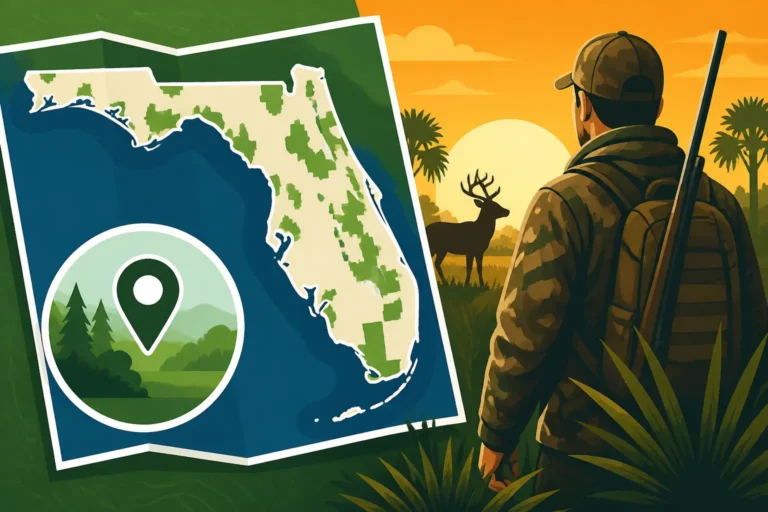
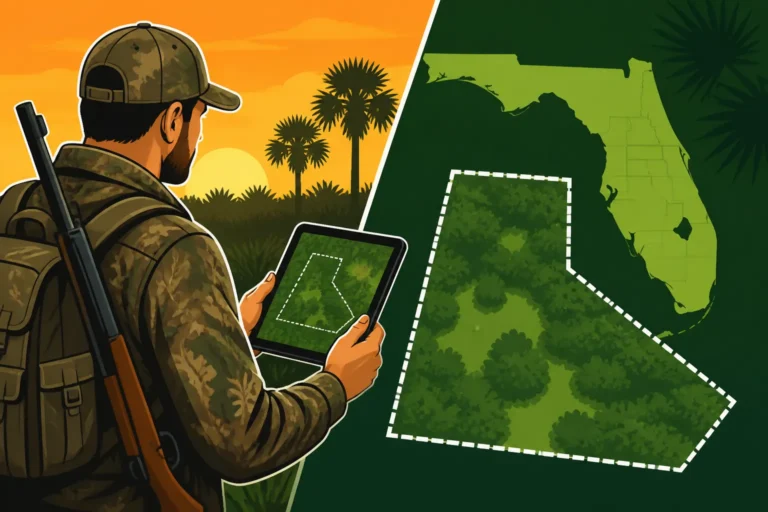
In today's digital age, advanced mapping applications have become indispensable for hunters, and they are particularly useful for navigating Florida's dynamic public lands. Services like onX Hunt (and others in that space) offer a powerful suite of tools that can significantly reduce the chances of encountering an unexpected closure.
These apps provide detailed satellite imagery, topographic maps, and crucially, property boundary lines. Many also include specific "public land" layers that denote WMAs, National Forests, and other state-managed lands. The real benefit comes when these apps integrate official data, sometimes showing specific zones or areas within a WMA that might have different rules or temporary closures. You can use these features to identify Finding Florida Property Lines and avoid accidental trespassing. When combined with official FWC data, mapping apps can help you:
- Visualize Closure Areas: If FWC announces a burn in "Sector 3" of a WMA, a good mapping app can help you quickly locate Sector 3 on a map and see if it impacts your planned hunting spot.
- Identify Backup Spots: Knowing your primary spot is closed, you can quickly scan adjacent public land or nearby WMAs for alternative access points and legal hunting zones, all from your phone.
- Monitor Road Conditions: While not real-time, reviewing satellite imagery can sometimes give clues about road conditions (e.g., heavily rutted roads that might flood easily) or potential access points that are less prone to closure. This helps in pre-scouting and identifying good Entry Routes Through a Florida Food Plot.
Brands like onX Hunt have revolutionized how hunters interact with land data, providing a visual layer of information that supplements the text-heavy FWC regulations. Remember, while these tools are fantastic, they are best used in conjunction with official sources, not as a replacement.
Local Knowledge and Community Forums
While official sources and mapping apps are paramount, don't underestimate the power of local knowledge and the hunting community. Fellow hunters who frequent specific WMAs often have real-time insights into conditions, recent closures, or management activities that might not yet be widely publicized.
- Local Bait Shops and Stores: These establishments are often hubs for local hunters. Strike up a conversation, and you might learn about a trail closure due to a fallen tree or a recent prescribed burn that will impact your hunt.
- Online Forums and Social Media Groups: Many Florida hunting groups on social media platforms or dedicated hunting forums are active with discussions about current conditions. While you should always verify information with official sources, these communities can provide early warnings or highlight issues you might have overlooked. Just be cautious of misinformation and always double-check.
- Campground Conversations: If you're camping on or near public hunting land, talking to other campers can be a great way to gain insights. They might have just come out of an area you're planning to go into and can tell you about recent changes or challenges.
| Information Source | Best For | Frequency of Updates | Ease of Use | Notes |
|---|---|---|---|---|
| FWC Website | Official regulations, WMA brochures, alerts | Varies, critical updates daily | Moderate | Definitive source, requires digging |
| FWC App | On-the-go alerts, regulations, harvest report | Daily for critical alerts | High | Essential for field use, even with limited service |
| Mapping Apps (e.g., onX Hunt) | Visualizing boundaries, identifying access | Varies by data layer | High | Supplements FWC data, excellent for planning and scouting |
| Local Check Stations | Last-minute physical notices | As needed | Moderate | Good for ground-level intel, but can be outdated |
| Hunting Forums/Social Media | Community insights, early warnings | Constant | Varies by platform | Verify info, but valuable for local chatter |
Developing a Proactive Strategy for Florida's Dynamic Hunting Landscape
Given the fluid nature of Florida's hunting areas, a reactive approach simply won't cut it. To minimize frustration and maximize your success, you need to be proactive in your planning and prepared to adapt. This involves more than just checking a calendar; it means embedding flexibility and awareness into your entire hunting process.
Pre-Season Scouting and Identifying Backup Spots
The best defense against an unexpected closure is a good offense. This means thorough pre-season scouting, and crucially, identifying multiple potential hunting locations. Don't put all your eggs in one basket, especially if you're hunting a popular WMA or an area prone to flooding or burns. When you're spending time in the woods before the season opener, you should not only be looking for prime deer sign or turkey roosts but also mentally noting alternative access points and escape routes.
As you’re out there reading the land, consider how different areas might be affected by typical Florida issues. Are there lower-lying areas that will flood easily? Are there large expanses of pine flatwoods that are candidates for prescribed burns? Use tools like onX Hunt or even Google Earth to scout multiple areas, identifying primary, secondary, and even tertiary spots. This way, if your go-to area is suddenly closed, you won’t be left scrambling. You’ll already have a plan B, and maybe even a plan C, minimizing lost hunting time. This is especially important for multi-day trips when you are travelling for Hunting Florida's Osceola Turkey or chasing deer.
Understanding Quota Hunt Application Windows
Many of Florida's most productive public hunting opportunities are tied to quota permits. If you're planning to hunt one of these areas, simply knowing the general season dates isn't enough. You absolutely must understand the quota permit system, including application windows, draw dates, and specific hunt period dates. Missing an application deadline means you forfeit the opportunity to hunt that specific area for that season, regardless of general open dates.
The FWC provides detailed schedules for quota hunt applications well in advance. Mark these dates on your calendar, set reminders, and apply for permits diligently. Consider applying for multiple areas or different hunt types to increase your chances of drawing at least one permit. Even if you don't draw for your top choice, having a permit for another quality area is far better than having no permit at all. This foresight is critical for planning a successful hunt on any of Florida's popular Florida Wildlife Management Areas.
Building Flexibility into Your Hunt Plans
True success in Florida hunting, especially on public land, often comes down to adaptability. Even with the best pre-season planning and diligent checks, unexpected closures can still happen. When they do, the ability to pivot quickly is invaluable.
- Diverse Skill Set: Don't limit yourself to just one type of hunting. If deer season is closed in your preferred spot due to a quota, but hog season is open and unaffected, having the gear and knowledge for Year-Round Hog Hunting in Florida can save the day.
- Gear for All Conditions: Florida weather swings wildly. Ensure your gear is ready for anything from sweltering heat to sudden downpours. A waterproof pack and extra layers can make a closed, flooded road less of a deterrent if you can still walk in.
- Time Buffer: If you're traveling a long distance for a hunt, consider arriving a day early. This gives you time to make final checks, scout if needed, and react to any last-minute closures without losing valuable hunting hours. It’s also wise to check for Florida Area Closures in Season one last time the night before you depart.
- Communication: Stay connected with hunting buddies or local contacts. They might have intel on openings or closures in other areas, or even private land opportunities if public options become limited. This kind of network can be invaluable when plans change.
The Serious Implications of Ignoring Posted Closures
It might be tempting, after a long drive and a burst of frustration, to disregard a "Closed" sign, especially if you feel the reason for the closure is unjustified or minor. However, ignoring area closures on public hunting lands in Florida carries significant risks, not just for your hunting privileges, but also for your wallet and, more importantly, your safety.
Legal Ramifications and Penalties
Florida's wildlife officers are dedicated to enforcing hunting regulations, and trespassing on closed areas is taken seriously. Ignorance of a closure is rarely an acceptable defense. If you're caught hunting in an area that is officially closed, you could face:
- Fines: Penalties can range from minor citations to substantial fines, depending on the severity of the violation and whether it's a first offense.
- Loss of Hunting Privileges: Wildlife officers have the authority to suspend or revoke your hunting license, meaning you could be barred from hunting in Florida for a period, or even permanently. This is a severe consequence for any avid hunter.
- Confiscation of Equipment: In some cases, your hunting equipment (firearm, bow, vehicle) could be confiscated.
- Criminal Charges: Depending on the specific circumstances and the type of closure (e.g., military operations area), you could face more serious criminal charges, especially if your actions put others at risk.
The few extra hours of hunting you might gain by ignoring a closure are simply not worth the potential legal and financial headaches, let alone the loss of your privilege to enjoy the great outdoors. It is critical to understand and respect Florida Trespass and Permission Law at all times.
Safety Risks to Yourself and Others
Closures are not arbitrary; they are put in place for specific reasons, and safety is often a paramount concern. Hunting in a closed area can put you and others in serious danger.
- Prescribed Burns: Entering an area during or immediately after a prescribed burn means dealing with active fire, smoke, and unstable trees that could fall without warning. The ground can also have hidden hot spots.
- Flooding: Hunting in flooded areas carries risks of drowning, hypothermia, encounters with displaced venomous snakes or alligators, and the danger of getting stranded far from help. It's easy to underestimate the depth or current of floodwaters.
- Military Operations: This is perhaps the most extreme danger. Accidentally entering a military training area during live operations could have catastrophic consequences, not just for you but for the personnel conducting the exercises.
- Hunter Overcrowding: Some closures are designed to prevent overcrowding and maintain a safe hunter density, particularly during quota hunts. Ignoring these can lead to unsafe shooting lanes and increased risk of accidents.
The consequences of ignoring these safety closures can be far more dire than a fine; they can be life-threatening. Always err on the side of caution and respect the posted warnings.
Undermining Conservation Efforts
Finally, ignoring closures can undermine the very conservation efforts that make hunting in Florida possible. When regulations are flaunted, it can create a perception that hunters are not responsible stewards of wildlife, which can lead to stricter rules, reduced access, or negative public sentiment towards hunting.
Conservation is a partnership between hunters and land managers. Closures, while sometimes inconvenient, are often a necessary component of sustainable wildlife management, habitat restoration, and ensuring the long-term health of Florida's ecosystems. By respecting these rules, you contribute to a positive image of hunters and help preserve hunting opportunities for future generations. Adhering to these rules is part of being a responsible participant in Florida Deer Camp Traditions and a true conservationist.
Disclaimer
This article is for general informational purposes only and does not constitute professional advice. Laws, prices and regulations vary by location and change over time. Consult a qualified professional for guidance on your specific situation.