Putnam County Public Land for Deer
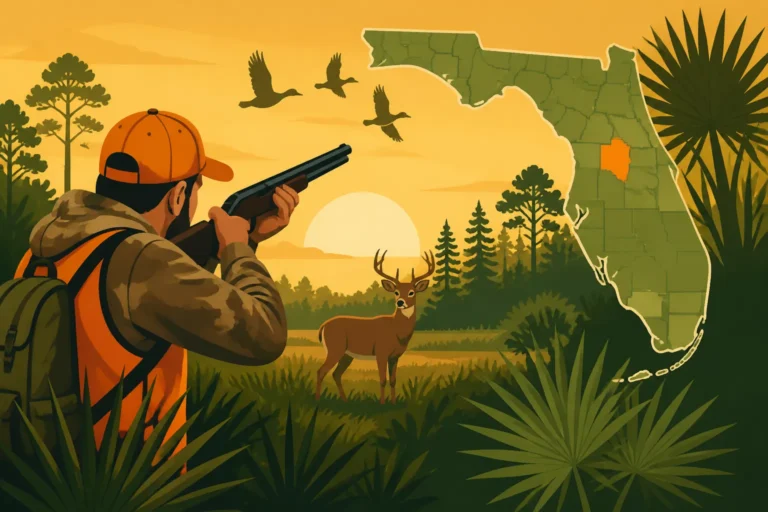
Finding good deer hunting spots on public land in Florida can feel like searching for a needle in a palmetto patch, especially when you're focusing on a specific area like Putnam County. It's easy to get overwhelmed by maps, regulations, and the sheer amount of undeveloped land that might or might not hold deer. This guide is designed to cut through that confusion, helping you understand Putnam County's public hunting opportunities for deer, navigate the rules, and develop strategies to put you on track for a successful hunt.
Understanding Putnam County's Public Hunting Landscape
Putnam County, nestled in the northeastern part of Florida, offers a diverse landscape that, while sometimes challenging, certainly holds the potential for whitetail deer. It's not the flat, open pine country some might imagine; instead, you'll find a mix of habitats that create unique hunting scenarios.
The Lay of the Land: General Characteristics and Habitat
When you look at Putnam County, you'll immediately notice the presence of the Ocala National Forest touching its southwestern edge, alongside other state-managed lands that contribute to the public hunting opportunities. The typical terrain here often includes sprawling pine flatwoods, which are interspersed with dense palmetto and gallberry thickets. These thickets, while a pain to walk through, offer incredible cover for deer seeking refuge from hunters and predators. You'll also encounter hardwood hammocks, often along creek bottoms or slightly higher ground, dominated by oaks that drop acorns – a primary food source for whitetails, especially in the fall. Cypress swamps and other wetlands are also common, providing water and additional dense cover.
Understanding this mosaic of habitats is crucial. Deer aren't just everywhere; they gravitate towards areas that provide a combination of food, water, and security. In Putnam, these often translate to edges where pine flatwoods meet a hardwood hammock, or where a dense swamp transitions into drier ground. These transition zones are natural travel corridors and feeding areas. The sheer variety means you'll need to adapt your approach, whether you're Still-Hunting Florida Palmetto Flatwoods or picking apart a swamp edge.
Identifying Key Deer Areas and Habitats
Deer sign is your best friend when trying to locate deer in Putnam County. Look for rubs on small trees, indicating where bucks have marked their territory, and fresh scrapes, especially during the pre-rut and rut phases. Tracks along sand roads or creek banks can tell you how often deer are using a particular travel route. But beyond just sign, you need to think about what the deer need.
During the early archery season, when temperatures are still high, deer will often be found near reliable water sources and areas with abundant green browse. As the season progresses into cooler months, acorns become incredibly important. Look for oak trees dropping acorns, especially live oaks and water oaks, within or adjacent to dense cover. Deer will spend significant time browsing in these areas. Tools like onX Hunt can be invaluable here. Its satellite imagery allows you to identify different habitat types from above – distinguishing dense cover from more open pine, or picking out those crucial hardwood hammocks. You can mark potential feeding areas, bedding thickets, and travel corridors right from your couch, giving you a massive head start on your Scouting Florida Public Land Before Season. This kind of detail can help you predict deer movement patterns and narrow down your search, especially when considering the Florida Deer Herd Size and density in the region.
Navigating Regulations and Access for Putnam Deer Hunting
Hunting public land in Florida means adhering to a specific set of rules that can vary slightly from one Wildlife Management Area (WMA) to another, even within the same county. It's not enough to simply have a license; you need to understand the nuances of the local regulations to avoid any unfortunate surprises.
Permits, Licenses, and Season Dates
Before you even step foot in the woods, you'll need the proper Florida hunting licenses. A basic Florida hunting license is a must, and if you plan to hunt on many of the WMAs, you'll also need to purchase The Florida WMA Management Area Permit. Some specific quota hunts might require additional applications and permits, so it's critical to check the Florida Fish and Wildlife Conservation Commission (FWC) regulations for the specific WMA you intend to hunt. These regulations will detail the exact season dates for deer in Putnam County's public lands, which can differ from statewide Zone C dates due to WMA-specific management plans.
Season dates themselves are broken down by weapon type – archery, crossbow, muzzleloader, and general gun. Archery season typically opens first, followed by muzzleloader, and then general gun. Understanding these distinct seasons is crucial, as is knowing the legal weapons allowed during each. For instance, while crossbows are often allowed during archery season, there might be specific rules on public land. Always double-check the current FWC regulations booklet or website for the most up-to-date information. Missing a small detail can quickly turn a great hunt into a frustrating encounter with a game warden.
Access Points and Public Land Rules
Access to public hunting areas in Putnam County can vary. Many WMAs have designated public entrances, parking areas, and a network of marked forest roads. However, some areas might be walk-in only, or have restrictions on vehicle types. It’s always a good idea to consult the WMA-specific map and regulations for the area you plan to hunt. These maps often detail legal access points, camping rules (if allowed), and any areas that might be closed to hunting or public entry.
Using mapping applications like GoHunt can provide essential intelligence regarding public versus private land boundaries, potential access roads, and even contour lines that might indicate subtle elevation changes where deer prefer to travel. While Putnam County is generally flat, even a slight ridge can serve as a travel corridor. Always be mindful of private land boundaries, even if they're not clearly marked on the ground. Florida's trespass laws are strict, and crossing onto private property without permission can lead to serious consequences. Check the rules regarding Vehicle Rules on Florida Public Land and if you plan on using any ground blinds, make sure you know the Ground Blind Rules on Florida WMAs. Remember, public land is a shared resource, and respecting rules ensures everyone can enjoy it.
Strategies for Successful Deer Hunting in Putnam County Public Land
Public land deer hunting in Florida is a different beast than private land. You're dealing with more pressure, and the deer are often warier. Success here hinges on smart scouting, adapting your tactics, and being persistent.
Scouting Techniques for Florida's Unique Terrain
Effective scouting is the bedrock of public land success, and it's especially critical in Putnam County's diverse habitat. Don't just drive around; get out and walk. Look for natural funnels where deer movement is concentrated. This could be a narrow strip of high ground between two swamps, a transition line between a pine plantation and a hardwood hammock, or a small break in dense palmetto that deer use as a highway. These choke points are prime locations for ambush. Hunting a Funnel Between Two Palmetto Heads can be incredibly effective when you identify these natural corridors.
Beyond obvious funnels, focus on finding natural food sources. As mentioned, acorns are huge. Spend time in oak hammocks looking for fresh droppings and disturbed leaves where deer have been feeding. In areas with less mast, deer will browse on green shoots and forbs. Look for browse lines and clipped vegetation. Water sources, even small ones, can also be magnets, especially during warmer periods.
Leverage technology. Before you ever hit the dirt, pull up aerial photos on an app like onX Hunt. Look for subtle changes in vegetation density, old logging roads that are now overgrown, and potential bedding areas – often dense, undisturbed thickets that offer maximum security. Reading Aerial Photos for Florida Deer can save you countless hours of unproductive walking. When you do find promising areas, resist the urge to over-scout them right before the season, as you could push deer out. Instead, make a note, back out, and plan your approach for opening day.
Adapting Hunting Methods to Public Pressure
Public land in Florida, especially easily accessible areas, can see significant hunting pressure. Deer on these lands are often conditioned to human activity and can become nocturnal or move into the thickest, nastiest cover available. Your strategies need to account for this.
One effective tactic is to hunt areas that others overlook or are unwilling to access. This might mean walking an extra mile or two into a thick swamp, or pushing into a dense palmetto flat. Many hunters stick to main roads and trails, so venturing deeper can put you in front of deer that rarely see humans. Consider Hunting Florida Cypress Swamp Edges, which are often overlooked due to difficult access but can hold mature deer.
Another crucial aspect is playing the wind and understanding thermals. Florida's terrain is generally flat, so thermals might not be as pronounced as in mountainous regions, but they still exist, especially along bodies of water or where elevation changes, however subtle. Early in the morning, air tends to flow downhill or towards open water, while in the evening, it rises. Always position yourself downwind of where you expect deer to approach. For detailed insights on this, check out Wind and Thermals in Flat Florida Terrain. Using a ground blind can be a great way to conceal your presence, especially when paired with natural cover. If you plan to use one, ensure it's brushed in well and set up in advance, if regulations allow, to let deer get accustomed to it. For more on this, read Brushing In a Blind on a Field Edge. Patience and stealth are paramount; move slowly, stop often, and use your eyes and ears to detect subtle movements or sounds.
Gear and Preparation for Putnam County Conditions
Hunting in Florida comes with its own unique set of environmental challenges. The heat, humidity, insects, and varied terrain demand specific gear and careful preparation to ensure both comfort and safety in Putnam County.
Essential Gear for Florida Public Land
Your gear choices can make or break a hunt in Florida. Forget the heavy wool and insulated boots of northern states; here, light, breathable clothing is king. Think moisture-wicking materials that will help manage sweat, even in cooler months. Layers are still important for temperature fluctuations, but prioritize ventilation. Insect repellent, especially products containing DEET or permethrin for treating clothing, is non-negotiable. Mosquitoes, ticks, and gnats can be relentless.
Navigation tools are also paramount. While modern cell phones offer GPS, service can be spotty in remote areas of public land. A dedicated handheld GPS unit or a fully downloaded mapping app like onX Hunt (which allows offline use) is vital. Always carry a compass and a physical map as a backup. Hydration is another critical factor. Even on seemingly cool days, the humidity can lead to dehydration faster than you think. Carry plenty of water, and consider a water filter or purification tablets for emergency situations. Your weapon choice will depend on the season, but ensure it's well-maintained and sighted in. Finally, a good quality headlamp or flashlight is essential for pre-dawn walks to your stand and post-sunset blood trailing. If you're successful, knowing the Florida Deer Reporting Requirements and having the right supplies for field dressing in potentially hot weather is crucial.
Safety Considerations and Emergency Planning
Safety should always be your top priority. In Florida, that means being prepared for specific hazards. Venomous snakes, particularly rattlesnakes and cottonmouths, are present in Putnam County. Always watch where you step and reach, especially around logs, palmetto clumps, and water sources. Wearing snake boots or gaiters is a wise precaution. Alligators are also common near water; maintain a respectful distance.
Heat exhaustion and heatstroke are real threats, particularly during early seasons. Drink plenty of water, take breaks, and recognize the symptoms of heat-related illness. Carry a basic first-aid kit with bandages, antiseptic wipes, pain relievers, and any personal medications. Always inform someone of your hunting plans, including your exact location and expected return time. Carrying a fully charged cell phone (even if service is poor, it can still call emergency services in some areas) and a whistle can be life-saving. Blaze orange requirements vary by season and WMA, but generally, wearing Florida Blaze Orange Requirements during general gun season is mandatory and always a good idea for visibility on public land. By planning ahead and being aware of your surroundings, you can ensure a safer and more enjoyable hunting experience in Putnam County.
| Habitat Type | Typical Location | Deer Usage | Hunting Strategy Focus |
|---|---|---|---|
| Pine Flatwoods (Dense) | Widespread, often interior areas | Heavy bedding cover, some browse, travel corridors through thickets | Still-hunting edges, stand placement on subtle trails, Hunting a Palmetto Flatwoods Edge |
| Hardwood Hammocks | Elevated areas, creek bottoms, islands in swamps | Primary food source (acorns), bedding cover, travel routes | Stand placement overlooking feeding areas, scouting for fresh sign |
| Cypress Swamps / Wetlands | Low-lying areas, near rivers and creeks | Dense security cover, water source, escape routes | Hunting Florida Cypress Swamp Edges, identifying dry crossings, deep pushes |
| Clear-cuts / Regenerating Pine | Recently harvested areas, replanted | Early season browse, dense young cover for bedding, transition zones | Hunting edges where clear-cuts meet mature timber, watching for fresh growth |
| Field Edges (if applicable) | Adjacent to private land, food plots | Evening feeding, travel routes between cover and food | Ground blinds or elevated stands overlooking field edges, Hunting a Standing Peanut Field |
Disclaimer
This article is for general informational purposes only and does not constitute professional advice. Laws, prices and regulations vary by location and change over time. Consult a qualified professional for guidance on your specific situation.