National Forest Camping Near Your Stand
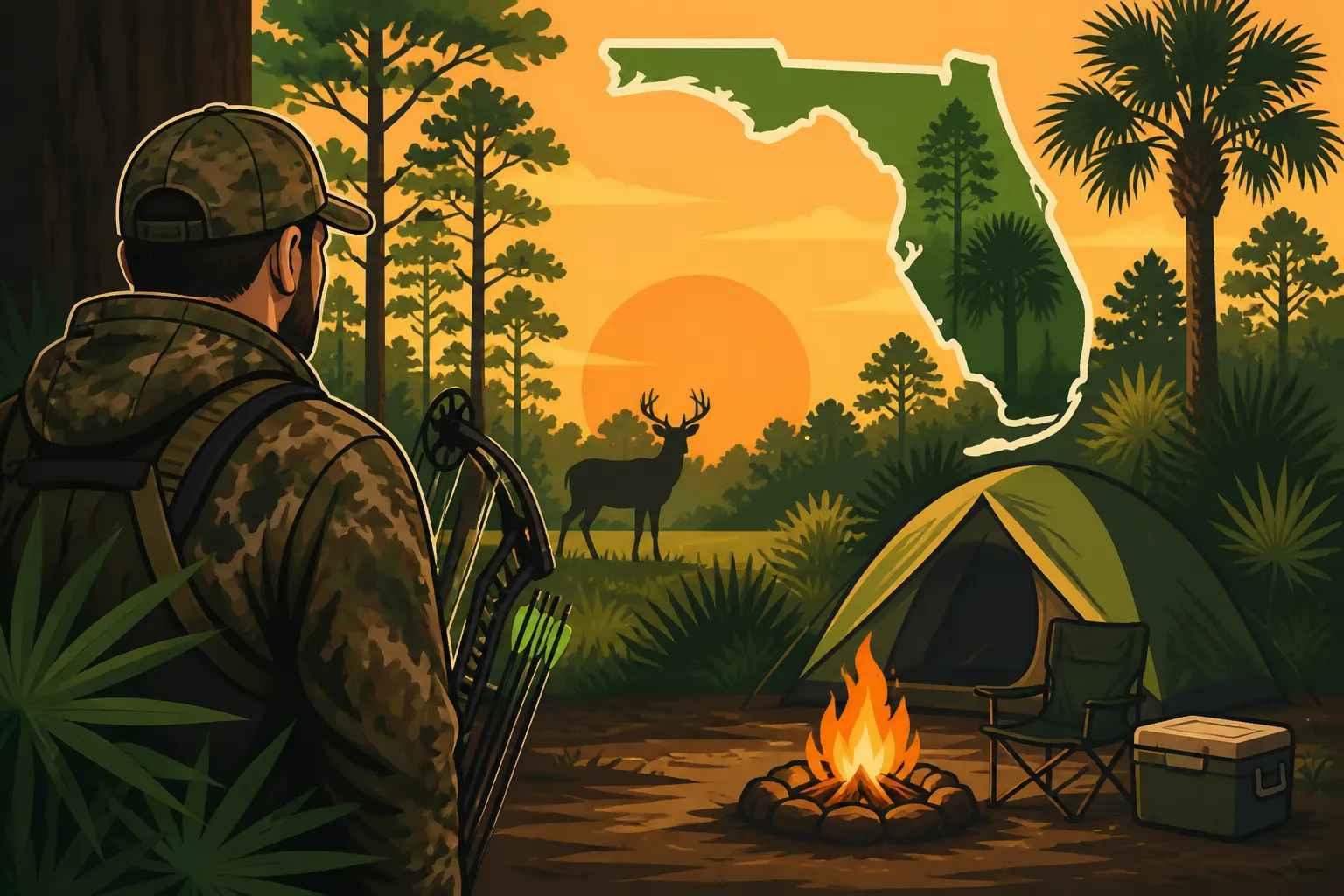
When you're chasing deer, hogs, or even turkeys in Florida's sprawling national forests, one of the biggest frustrations can be the sheer distance between your warm bed and your chosen hunting spot. The constant back-and-forth travel eats into precious hunting time, especially during those prime early morning and late evening hours. This comprehensive guide will walk you through everything you need to know about setting up camp right there in the national forest, often just a stone's throw from your stand, maximizing your time afield and immersing you in the true wild Florida experience.
The Allure of National Forest Camping for Florida Hunters
There's something uniquely satisfying about waking up to the sounds of the woods, boiling coffee over a small fire, and stepping directly out of your camp into the pre-dawn quiet, knowing your stand is just a short walk away. This isn't just about convenience; it's about deeply connecting with the hunting experience and gaining a distinct advantage over hunters who commute from afar.
The Freedom of Proximity and Early Starts
Imagine not having to set an alarm for 3 AM to drive an hour or two just to be in your stand before legal shooting light. When your camp is within walking distance, you can wake up a bit later, enjoy a calmer morning routine, and still be on stand well before the first hint of light paints the eastern sky. This proximity is a game-changer, especially during those chilly (for Florida, anyway!) mornings or when you're trying to sneak into a bedding area without spooking game. You're fresher, more focused, and ready to hunt the moment legal shooting light breaks. It also means you can stay later into the evening, capitalizing on those last crucial minutes of daylight, without worrying about a long, dark drive back to civilization. This freedom from the clock allows for a more relaxed, yet intensely focused, hunting approach.
Let's say you're hunting a remote pocket of the Ocala National Forest Hunting. Driving in and out daily could take two hours each way. That's four hours of potential hunting, scouting, or relaxing time lost every single day. By setting up a simple camp nearby, you transform those travel hours into productive time in the woods, allowing you to observe more, learn more, and ultimately increase your chances of success. You can spend those extra hours really digging into your maps, perhaps using tools like onX Hunt to review terrain features and potential game trails you might have missed during the day.
Minimizing Travel Time and Maximizing Hunting Time
The equation is simple: less time driving equals more time hunting. Florida's national forests, like the vast expanses of the Apalachicola National Forest Hunting, offer immense opportunities, but they also demand a commitment to covering ground. If you're staying in a hotel or a campground outside the forest boundaries, every sunrise and sunset involves a drive. This isn't just about the physical act of driving; it's about the psychological toll. The fatigue of long drives, especially after a taxing day of still-hunting through palmetto flats, can wear you down.
When your camp is your base within the hunting area, you eliminate this wasted time. You can slip out of your tent, grab your bow or rifle, and be in your stand as the forest awakens. After a morning sit, you can return to camp for a hot lunch, a nap, or to process game, all while remaining fully immersed in the hunting environment. This continuity keeps you dialed in, allowing you to react quickly to changes in weather or game movement without the interruption of a commute. It also allows for more flexibility – if a morning stand isn't producing, you can easily shift your focus to another area within walking distance of camp for the afternoon.
Understanding National Forest vs. WMA Camping Rules
It's crucial to understand that camping rules can differ significantly between Florida's national forests and its Wildlife Management Areas (WMAs). While some WMAs allow camping, they often have designated sites, permit requirements, and stricter regulations on duration and amenities. National forests, on the other hand, frequently offer more flexibility, particularly with dispersed camping.
- National Forests (e.g., Ocala, Apalachicola, Osceola): Generally allow "dispersed camping" outside of developed campgrounds, meaning you can often set up camp almost anywhere unless otherwise prohibited. This is usually free and offers the primitive experience many hunters seek. There are specific Camping Rules on Florida National Forest Land to adhere to, such as staying a certain distance from roads, water sources, and developed areas.
- Wildlife Management Areas (WMAs): Camping in WMAs is typically restricted to designated campsites or areas and may require a WMA stamp or a specific camping permit. These sites might have amenities like picnic tables, fire rings, or even restrooms, but they offer less freedom in terms of location. Always check the specific WMA regulations for the area you plan to hunt. The rules can be found on the FWC website or through their Scouting With the Florida FWC App.
Knowing these distinctions is vital to avoid fines or disrupting your hunt. Always double-check the regulations for the specific national forest or WMA you intend to hunt. Information is often posted at trailheads, forest ranger stations, or on the respective agency's website.
Planning Your Camp: Regulations and Realities
Before you even pack your cooler, a solid understanding of the regulations and the realities of camping in Florida's national forests is paramount. This isn't your backyard, and there are rules and practical considerations that need to be addressed for a safe and legal experience.
Dispersed Camping vs. Developed Campgrounds
The choice between dispersed camping and a developed campground really depends on your hunting style and comfort level.
-
Dispersed Camping: This is the ultimate "near your stand" experience. It means camping outside of a designated campground, often in more remote areas. The allure is the solitude and the ability to place your camp strategically close to your hunting grounds. However, it also means no amenities – no water, no restrooms, no trash disposal. You are completely self-sufficient. For example, if you're trying to access a hidden slough deep in the Green Swamp Wilderness Preserve Hunting that’s miles from any developed facility, dispersed camping might be your only viable option. When choosing a dispersed site, remember to follow the "Leave No Trace" principles, packing out everything you pack in. Always be sure your campsite is at least 100 feet from any water source and 50 feet from any road or trail. Using a tool like onX Hunt can help you identify these distances and potential spots on a topographical map.
-
Developed Campgrounds: These are easier, often have services like potable water, restrooms, and sometimes even showers. They're typically managed and maintained, providing a more comfortable base. The downside? You're usually farther from your prime hunting spots, and you'll have neighbors. If you're bringing a family along or prefer more comfort, a developed campground within the national forest might be a good compromise. These often require a fee, but they provide a sense of security and convenience. Consider these if you're hunting areas that aren't too remote, or if you plan to scout a wider area daily and return to a comfortable base each evening.
| Feature | Dispersed Camping | Developed Campgrounds |
|---|---|---|
| Location | Anywhere legal, often remote | Designated sites |
| Amenities | None (no water, restrooms) | Varies (water, restrooms, showers) |
| Cost | Generally free | Often requires a fee |
| Proximity to Hunt | Can be very close to stand | Usually farther from prime spots |
| Privacy/Crowds | High privacy, less crowded | Less private, can be crowded |
| Vehicle Access | Limited, often walk-in | Accessible by vehicle, designated parking |
| Experience | Primitive, self-sufficient | More comfortable, less rustic |
Firewood, Water, and Waste Management
These are critical concerns, especially with Florida's hot climate and sensitive ecosystems.
-
Firewood: While campfires are a cherished part of the outdoor experience, they're not always allowed, especially during dry seasons when fire danger is high. Always check current fire restrictions before assuming you can have one. If fires are permitted, it's often best to bring your own firewood or gather dead, downed wood sparingly, following forest regulations. Never cut live trees. Be mindful of invasive species; avoid transporting firewood from distant locations. A small, portable propane stove is often a safer and more convenient alternative for cooking, even if you plan for a campfire.
-
Water: This is non-negotiable. You need plenty of water for drinking, cooking, and basic hygiene. Florida's surface water, even in seemingly pristine areas, is rarely safe to drink without purification. Bring ample bottled water, or a reliable filter/purifier if you plan to source from natural bodies of water. Remember, hot weather hunting in Florida means you'll dehydrate faster than you think. Factor in extra water for game processing if you're successful.
-
Waste Management: This falls under "Leave No Trace." Pack out everything you pack in. Food scraps, wrappers, empty water bottles, spent casings – it all comes out with you. This is even more important in bear country, where tempting food odors can attract unwanted visitors. For human waste, learn how to dig a proper cathole away from water sources, trails, and campsites. Proper waste management protects the environment and ensures these areas remain open and enjoyable for future generations of hunters.
Navigating Access and Vehicle Restrictions
Florida's national forests have various access rules. Some areas allow vehicle access on designated forest roads, while others are strictly walk-in. This directly impacts how close you can get your camp to your stand.
-
Forest Roads: Many national forest roads are unpaved, sandy, and can be challenging, especially after rain. A 4×4 vehicle is often a wise choice. Stick to marked roads and trails to avoid damaging sensitive habitat and getting lost or stuck. Vehicle Rules on Florida Public Land specify where you can and cannot drive. Using a GPS with detailed maps, like GoHunt or onX Hunt, is invaluable for navigating these complex road systems and identifying potential access points or parking areas. Pay attention to gates and signage; roads may be seasonally closed or restricted.
-
Walk-in Access: If your ideal hunting spot is deep within a walk-in-only area, your camp will also need to be a walk-in affair. This means lighter gear, smaller tents, and a more minimalist approach. You'll need to assess how much gear you can comfortably carry to your desired campsite. This is where a good hiking pack and lightweight backpacking gear become essential. Remember, the deeper you go, the fewer other hunters you're likely to encounter, offering a more pristine hunting experience. But it also means a longer haul for that successful deer or hog you might harvest.
Setting Up Your Hunting Camp: Practical Considerations
Once you've navigated the rules and chosen your general area, it's time to set up your home away from home. This involves more than just pitching a tent; it requires forethought about safety, comfort, and dealing with Florida's unique environment.
Choosing the Right Spot Near Your Stand
The whole point of national forest camping is proximity, but "near" doesn't mean "on top of." You want your camp to be close enough for convenience but far enough not to spook game.
- Wind Direction: Always consider the prevailing wind. You don't want your camp smells (cooking, campfire smoke, human scent) drifting directly into your hunting area. Position your camp downwind from where you expect game to travel or bed.
- Visibility and Concealment: Your camp should be concealed from casual observation, both from other hunters and from game. Use natural cover like palmetto heads, oak hammocks, or cypress stands. You want to blend in, not stand out.
- Terrain and Drainage: Florida is flat, but it can get wet. Choose a slightly elevated spot to avoid water pooling around your tent, especially if rain is in the forecast. Look for high ground, even if it's just a subtle rise. Avoid setting up in low-lying areas or depressions that could become swamps after a heavy downpour.
- Distance from Roads/Trails: While you want proximity, avoid setting up directly on main trails or roads. This provides privacy, reduces disturbance from others, and minimizes the chance of your camp alerting game traveling these routes.
- Game Activity: Keep an eye out for fresh game sign around your proposed campsite. While you want to be near game, you don't want to set up camp in an active bedding area or on a major travel corridor, as this will only push game out. Look for good cover that also offers an easy, quiet walk to your stand. You might be camping in an area with a lot of Florida Deer Camp Traditions, so be respectful of any existing unspoken rules of the area.
Securing Your Camp and Gear
Leaving your camp unattended while you hunt means taking precautions.
- Critter-Proofing: Florida has more than just deer. Raccoons, opossums, and even bears (especially in certain zones where Florida's Reinstated Bear Hunting Season applies) are adept at getting into food. Store all food, toiletries, and scented items in sealed containers, preferably in a hard-sided cooler, or hoisted into a tree away from your tent if you're in bear country. Don't leave trash out, even for a moment.
- Security for Valuables: While theft in remote areas is less common, it's always a possibility. Lock what you can in your vehicle if it's nearby, or secure small valuables within your tent. Out of sight, out of mind is a good rule of thumb. Don't make your camp an obvious target.
- Weather Protection: Florida weather can be notoriously unpredictable. A pop-up thunderstorm can appear out of nowhere. Ensure your tent is properly staked, your rainfly is secure, and all your gear is protected from sudden downpours. A tarp over your cooking area or a hang-out spot can be a lifesaver. Even if it's hot during the day, nights can sometimes get surprisingly cool, so pack layers.
Dealing with Florida's Weather and Wildlife
Florida's environment presents unique challenges.
- Heat and Humidity: Even in "cooler" hunting seasons, Florida's heat and humidity can be intense. Choose breathable clothing, stay hydrated, and plan your most strenuous activities for the coolest parts of the day. A small, battery-operated fan in your tent can make a world of difference. Your Hot-Weather Sitting Strategy in Florida will be even more important when your camp is right there.
- Insects: Mosquitos, gnats, and ticks are a constant companion in Florida. Pack plenty of insect repellent (DEET or picaridin are highly effective) and consider permethrin treatment for your hunting clothes. A head net can be invaluable during peak bug hours. Check yourself thoroughly for ticks after every outing.
- Snakes and Alligators: These are part of the Florida landscape. Be aware of your surroundings, especially when walking through dense cover or near water. Watch where you step and where you put your hands. Most snakes will avoid you if given the chance. Alligators are typically found near water, so be extra cautious around ponds, creeks, and sloughs.
- General Wildlife Encounters: While deer and turkeys are your targets, you'll encounter other wildlife. Give animals their space. Make noise when walking to avoid surprising something. Remember, you're a visitor in their home.
Maximizing Your Hunt from a National Forest Camp
The primary reason for camping near your stand is to enhance your hunting experience. By leveraging your proximity, you can truly integrate yourself into the rhythm of the forest.
Early Morning and Late Evening Advantages
This is where national forest camping truly shines. The commute to your stand is measured in minutes, not miles.
- Pre-dawn Arrival: You can be in your stand an hour before legal shooting light, letting the woods settle around you. This allows any disturbed game to relax and resume natural movement patterns. You become part of the environment, not an intrusion. This quiet, unhurried arrival can be the difference between seeing a mature buck and simply hearing it bust out of a thicket as you approach.
- Extended Evening Hunts: You can stay in your stand until the very last sliver of legal shooting light fades, knowing your camp is just a short, safe walk away. This is often when the biggest bucks move, especially during the rut. There’s no pressure to pack up early to make a long drive, allowing you to maximize those critical minutes. You can focus entirely on the hunt, rather than worrying about the logistics of getting home. For hunters focusing on Hunting the Zone B Rut in November, this extended time in the stand can be invaluable.
Scouting and Staying Mobile from Camp
Your camp becomes a strategic hub for deeper immersion and dynamic hunting.
- Mid-day Scouting: Instead of driving back to a distant base, you can return to camp for a quick bite, then spend the mid-day lull actively scouting new areas near your camp. This could involve looking for fresh tracks, rub lines, or new food sources. You can use your detailed mapping apps like onX Hunt or GoHunt right from your camp to analyze satellite imagery, mark waypoints, and plan your next move. This continuous scouting during your hunt dramatically increases your knowledge of the area.
- Quick Relocation: If a particular stand isn't producing, or if wind conditions change unexpectedly, you can quickly move to another pre-scouted location or even set up a new ground blind. Your proximity to camp means you don't waste hours traveling, allowing for immediate tactical adjustments. This agility is a huge benefit on public land, where game movement can be unpredictable due to pressure or changing food availability. This is especially useful if you are trying tactics like Finding Ground Others Walk Past by constantly adapting your position.
Emergency Preparedness and Communication
Even when enjoying the solitude, safety must be a top priority.
- First Aid and Emergency Gear: Always have a well-stocked first aid kit, fire-starting materials, a good knife, and a headlamp. A personal locator beacon (PLB) or satellite messenger is a wise investment, especially if you're hunting alone in areas with no cell service. Even if your Using the FWC App Without Cell Service strategy works for maps, communication can still be an issue.
- Communication Plan: Let someone know your exact location and your expected return time. If you're hunting with a buddy, have a communication plan (e.g., walkie-talkies, pre-arranged signals) if you separate.
- Game Recovery: If you harvest an animal, your camp's proximity means you can immediately begin Field Dressing a Deer in Hot Weather and cooling the meat, which is vital in Florida's climate. You won't have to worry about long hauls back to a distant vehicle. Having your processing gear (knives, game bags, cooler with ice) ready at camp will save valuable time and ensure your harvest is handled properly. Don't forget that dragging a deer out of a palmetto head can be exhausting, so the shorter the distance, the better!
Camping near your stand in Florida's national forests offers an unparalleled hunting experience, transforming a simple outing into a deeper immersion with the wild. With careful planning, respect for the rules, and a good dose of self-sufficiency, you'll discover a more rewarding way to hunt the Sunshine State.
Disclaimer
This article is for general informational purposes only and does not constitute professional advice. Laws, prices and regulations vary by location and change over time. Consult a qualified professional for guidance on your specific situation.