Best Florida Ground for Public Land Deer
Finding good deer hunting on public land in Florida can feel like searching for a needle in a palmetto patch – frustrating, time-consuming, and often leading to disappointment if you don't know where to start. Many hunters arrive with high hopes only to be met with thick, impenetrable scrub, high pressure, or confusing regulations. This guide is here to cut through the confusion and highlight some of the best public ground across the Sunshine State where you can realistically pursue a Florida whitetail, offering insights into what makes these areas stand out and how to tackle them effectively.
Understanding Florida's Public Land Landscape for Deer
Florida's public lands offer a diverse array of hunting opportunities, but they also come with their own set of challenges. It's not like hunting vast tracts of timber company land up North; here, every acre feels hard-won, and understanding the nuances of these areas is key to putting deer in the truck.
The Sheer Volume and Variety of WMAs and National Forests
Florida boasts an impressive amount of public land managed for wildlife, including numerous Wildlife Management Areas (WMAs), State Forests, and two massive National Forests. This might sound fantastic on paper, a hunter's paradise, but the reality is that not all these acres are created equal for deer hunting. Some areas are incredibly thick, designed more for wetland conservation or recreational hiking, while others are meticulously managed for various game species, including our elusive whitetails. The sheer variety means that a strategy that works wonders in one WMA might completely fail in another. You might have areas dominated by pine plantations, others by vast cypress swamps, and some by dry, scrubby oak hammocks. Each habitat dictates different deer behavior and requires a unique approach. For instance, deer behavior and density can vary significantly depending on whether you're in the deep swamps of the Everglades or the rolling hills of the Panhandle. It’s crucial to understand these distinctions before you even load your rifle. We've got a lot of ground, but you need to know which ground holds deer. For a deeper dive into how these areas are structured, check out Florida Wildlife Management Areas.
Navigating Hunting Pressure and Accessibility Challenges
Let's be real: Florida is a popular state, and with a growing population comes more hunters. Public land, by its very nature, means shared access, and that often translates to hunting pressure. You'll find that the most accessible areas – those with easy road frontage or well-maintained trail systems – tend to see the heaviest traffic, especially on opening day or during peak weekends. It's a common frustration, pulling up to a trailhead at dark-thirty only to find half a dozen trucks already there.
Beyond just other hunters, accessibility itself can be a major hurdle. Many of Florida's prime deer habitats are dense, wet, and can be downright grueling to navigate. We're talking about slogging through knee-deep water, pushing through seemingly endless palmetto thickets, or traversing buggy cypress heads. This isn't just about physical endurance; it's about having the right gear and the mental fortitude to push past where most others won't. If you're willing to go where the airboats can't reach and the ATV trails don't lead, your odds of finding undisturbed deer dramatically increase. This is where a lot of hunters get discouraged and throw in the towel, but it's also where the real opportunities lie.
The Importance of Scouting Beyond the Obvious
In Florida, scouting is not just about finding fresh tracks near a food plot. On public land, it's about deciphering patterns in a complex and often featureless landscape. You can't just rely on obvious funnels or old logging roads, because everyone else is looking there too. The deer here are smart; they use the thickest cover and the most challenging terrain to their advantage, particularly in the face of pressure. This means you need to be thinking like a deer, not just a hunter looking for a shortcut.
Pre-season scouting involves walking those frustratingly dense areas, looking for subtle transitions, identifying bedding cover that looks uninviting to humans, and understanding how water levels might change over the course of the season. Don't just drive the main roads; get out on foot and push into those dark, wet spots you'd rather avoid. That's often exactly where the deer are hiding. Using aerial imagery is a great start, but ground-truthing those insights is absolutely vital. For more in-depth scouting techniques, consider reading Scouting Florida Public Land Before Season.
Top Public Land Contenders for Florida Deer Hunting
Now that we've established the playing field, let's talk about some specific areas that consistently show up on the radar for public land deer hunting in Florida. Remember, "best" is subjective and often means "most challenging with the biggest payoff," but these spots offer solid opportunities for dedicated hunters.
North Florida's Big Woods: Apalachicola and Osceola National Forests
When many hunters think of public land deer hunting in Florida, their minds often drift north to the vast expanses of the Apalachicola and Osceola National Forests. These areas offer some of the largest contiguous tracts of public land in the state, giving deer plenty of room to roam and hide.
Apalachicola National Forest: A Diverse Ecosystem with Hidden Gems
The Apalachicola National Forest, stretching across multiple counties in the Panhandle, is a beast of an area. It’s known for its diverse habitat, ranging from vast pine flatwoods to expansive cypress-tupelo swamps and oak hammocks. This diversity can be a blessing and a curse. On one hand, it offers a variety of terrain to explore; on the other, it means deer can be scattered. Historically, the Panhandle region, which includes Apalachicola, is known for producing some of the larger-bodied deer in Florida, especially compared to their Southern counterparts. This is partly due to better soils and mast crops like acorns.
Hunting here often requires a more traditional "big woods" approach. Think long walks, still-hunting through diverse timber, and focusing on areas with good mast production, especially after a strong acorn year. Deer here will key into those food sources heavily. While pressure can be high on roads and easily accessible areas, the sheer size of Apalachicola means that if you're willing to hike a few miles in, you can often find solitude and undisturbed deer. Access can be tricky, with many old logging roads and seasonal closures, so using a good mapping app like onX Hunt is almost mandatory to avoid frustration and know exactly where you stand. You'll find more detailed information on this area in Apalachicola National Forest Hunting.
Osceola National Forest: Piney Woods and Swamps
To the east, near the Georgia border, lies the Osceola National Forest. This area is predominantly pine flatwoods and cypress swamps, making for a different kind of challenge. Deer here are masters of navigating dense, wet cover. Unlike Apalachicola, which has more varied terrain, Osceola is flatter and often wetter, making footwear and bug spray your best friends.
Deer in Osceola often utilize the edges of swamps and the slight rises in elevation within the piney woods. Scouting for subtle changes in elevation, even just a few inches, can reveal key travel corridors. During drier periods, deer might venture further into the swamps for food and cover, only to retreat to higher ground when water levels rise. The rut in this region can be intense, offering exciting opportunities for calling and stand hunting. Just like Apalachicola, hunters who put in the effort to get away from the easy access points are usually the ones who find success. The deer are there, but they demand a commitment to truly get after them.
Central Florida's Unique Habitats: Ocala National Forest and Green Swamp
Moving south into Central Florida, the landscape shifts again, offering distinct challenges and rewards for public land deer hunters. These areas, while often closer to population centers, can still provide excellent hunting if you know how to work them.
Ocala National Forest: Sandhills, Scrub, and Seclusion
The Ocala National Forest is perhaps Florida's most iconic national forest, famous for its crystal-clear springs and expansive scrub habitats. For deer hunting, Ocala offers a mix of dry sandhills and deeper, wetter areas. The deer here are often smaller-bodied than their Panhandle cousins, but they are tough and incredibly well-adapted to the scrub environment.
Hunting Ocala often involves covering a lot of ground, either still-hunting the edges of palmetto thickets or finding those isolated oak hammocks that provide crucial food sources. Look for areas where the habitat transitions from dense scrub to more open pine stands, as these edges can be natural travel corridors. Water sources, even small ones, can be magnets for deer in Ocala's drier sections. One of the biggest advantages of Ocala is its sheer size; even with its popularity, you can find seclusion if you're willing to penetrate deeper into the forest, away from the hiking trails and recreational areas. For a comprehensive look, see Ocala National Forest Hunting.
Green Swamp Wilderness Preserve: A True Wilderness Challenge
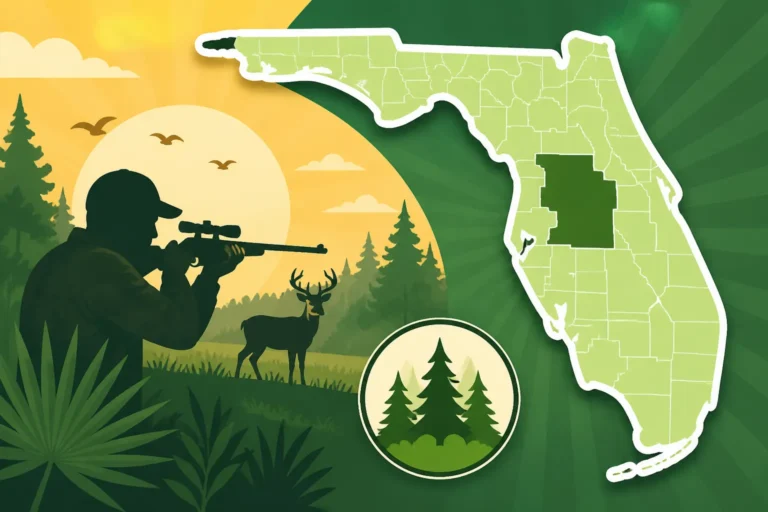
The Green Swamp Wilderness Preserve, straddling several counties in Central Florida, lives up to its name. This is a vast, wild, and often wet area that truly tests a hunter's mettle. It's a mosaic of cypress swamps, pine flatwoods, and scattered uplands, and deer here are as wild as the country they inhabit.
Hunting the Green Swamp isn't for the faint of heart. Expect to get wet, battle thick vegetation, and deal with all the wonderful critters Florida's swamps have to offer. However, for those who embrace the challenge, the rewards can be significant. The deer population here is healthy, and due to the difficult access, pressure can be localized. Focus your efforts on the higher ground within the swamp, identifying islands of oak and pine that provide bedding and food. Knowing Hunting Florida's Green Swamp is essential before venturing into this challenging but rewarding public land.
South Florida's Everglades and Remote WMA Opportunities
Heading further south, deer hunting public land becomes a different ballgame altogether. Here, water rules, and the deer are uniquely adapted to their watery world.
Everglades Wildlife Management Area: Airboats and Adventure
The Everglades is an experience unto itself, and deer hunting here is no exception. It's not just about hunting; it's about navigating one of the most unique ecosystems on the planet. Access is often by airboat, buggy, or canoe, making it a truly immersive wilderness hunt. The deer, often smaller in stature, are incredibly hardy and accustomed to moving through water.
Hunting the Everglades WMAs like the Big Cypress National Preserve or Everglades WMA means adapting your entire strategy. Look for tree islands (called hammocks or strands) that provide dry ground for bedding and feeding. These islands become crucial hubs of deer activity, especially during higher water periods. The challenges of weather, insects, and navigation are immense, but the sense of adventure and the potential for a truly wild harvest are unparalleled. This is where a good mapping device, perhaps running onX Hunt, becomes more than just a convenience; it's a lifeline to safely navigating the vastness. If you're considering this unique hunt, our article on Hunting the Everglades and Big Cypress will be invaluable.
Remote Southern WMAs: Hidden Gems for the Persistent Hunter
Beyond the Everglades, various other WMAs in South Florida, though sometimes smaller, can offer excellent deer hunting if you're willing to put in the legwork. Many of these areas are characterized by palmetto-oak scrub, pine flatwoods, and seasonal wetlands. The deer densities might not be as high as in the Panhandle, but consistent effort often yields results.
The key to these areas is often finding pockets of relatively undisturbed habitat. This means hiking further from vehicle access points, slogging through the thickest stuff, and looking for subtle changes in elevation or vegetation that create natural funnels or bedding areas. These WMAs often have strict regulations and sometimes require quota permits, so always check the specific rules for the area you plan to hunt. While they might not get the same headlines as the national forests, these smaller, more remote WMAs can be incredibly rewarding for the persistent public land hunter.
Strategies for Success on Public Deer Land
Success on Florida's public deer land isn't just about showing up; it's about preparation, smart strategy, and adapting to the unique challenges of each area.
Leveraging Technology for Effective Public Land Scouting
In today's hunting world, technology is your best friend, especially on public land where every advantage counts. Modern mapping applications have revolutionized how we approach these areas.
Understanding Satellite Imagery and Property Boundaries
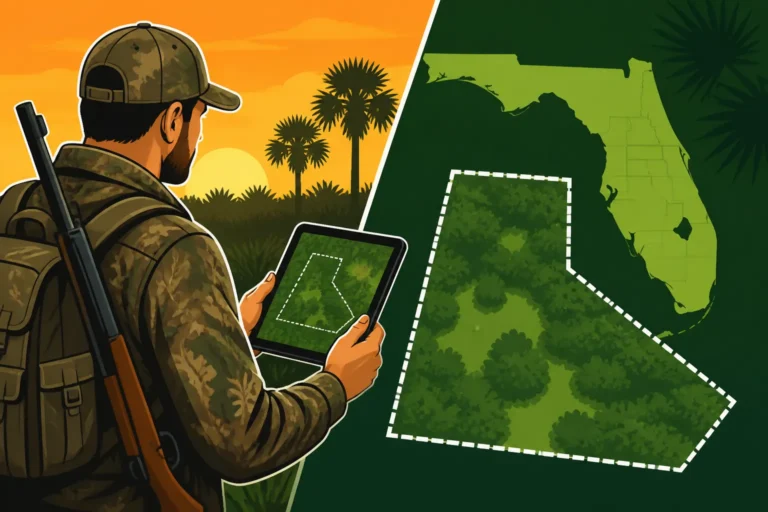
Tools like onX Hunt have become indispensable for public land hunters in Florida. Before you even set foot in the woods, you can spend hours poring over satellite imagery, identifying potential bedding areas, travel corridors, and subtle terrain features that might concentrate deer. Look for changes in vegetation density, swamp edges, creek bottoms, and any patches of mast-producing trees. You can mark waypoints for potential stand locations, historical sign, or tricky access routes. GoHunt is another excellent resource for overlaying public land boundaries, ensuring you know exactly where you're allowed to be and, just as importantly, where you're not. This isn't just about staying legal; it's about confidently navigating complex property lines that might not be clearly marked on the ground.
Using GPS and Offline Maps in the Field
Once you're in the field, these apps allow you to track your movements, mark fresh sign, and confidently navigate back to your vehicle, especially when pushing deep into unfamiliar territory. Many public land areas in Florida have spotty to non-existent cell service, so making sure you download offline maps for your hunting area is a critical step. Imagine being miles deep in a palmetto head, disoriented, and realizing your phone has no signal – that's a nightmare scenario that can be avoided with proper preparation. These tools are powerful, but they require you to put in the time to learn them and truly understand the maps they provide. It's not just a fancy gadget; it's a navigational and scouting powerhouse. When you're Reading Aerial Photos for Florida Deer, combine that with ground scouting to verify your findings.
Adapting Your Hunting Style to Public Land Conditions
Public land hunting in Florida often demands a different approach than what you might use on private, managed ground. You need to be more adaptable, more patient, and sometimes, more aggressive.
Still-Hunting and Scouting on the Go
Still-hunting is often incredibly effective on public land, especially in thick Florida cover. Instead of sitting in one spot all day, you slowly move through the woods, taking a few steps, then pausing for several minutes to observe and listen. This allows you to cover more ground, find deer in unexpected places, and react to their movements. On these heavily pressured areas, deer are constantly on the move, seeking out pockets of security. By moving slowly and deliberately, you're essentially scouting and hunting simultaneously. Focus on areas with good visibility (even if that's just 20-30 yards) and utilize natural cover to break up your outline. This is particularly useful in habitats like palmetto flatwoods or dense hammocks. For strategies on this technique, check out Still-Hunting Florida Palmetto Flatwoods.
The Art of the Ground Blind and Minimalist Stands
On public land, especially if you're hunting in areas where permanent stands aren't allowed or are too much of a hassle to set up, ground blinds can be a game-changer. They offer excellent concealment, break up your human silhouette, and can be quickly deployed in high-traffic areas or spots where deer feel secure in thick cover. Brushing in a pop-up blind effectively can make it virtually disappear into the Florida landscape. Alternatively, if stands are permitted, a lightweight climber or saddle hunting setup allows for ultimate mobility and adaptability, letting you quickly move to where the deer sign is freshest or where pressure dictates a shift in location. The key is to be low-impact, leaving minimal trace, and staying mobile. Don't underestimate the effectiveness of Using a Ground Blind on Florida Public Land.
Understanding Quota Hunts and General Gun Areas
Florida's public land system is a mix of general gun areas, where anyone with the proper licenses can hunt, and quota hunts, which require an application and a drawn permit. Navigating this system is crucial for planning your season.
The Quota System: Application Windows and Lottery Odds
Quota hunts are designed to limit hunter numbers in specific areas, often those with higher deer densities or more sensitive habitats. This can mean a less pressured hunting experience and potentially better success rates. However, getting a quota permit can be challenging. You need to pay close attention to application windows, which are typically well in advance of the hunting season, and understand the lottery system. Some popular quota hunts have incredibly low draw odds, while others are more attainable. It's often worth applying for multiple areas and being flexible with your dates. A good strategy is to also research less popular quota hunts that might offer better odds but still provide quality hunting. Details on the system can be found in Florida WMA Quota Permit System.
General Gun Areas: The "Walk-In" Opportunity
General gun areas are the "first-come, first-served" public lands. While they don't require a quota permit, they often experience much higher hunting pressure, especially on weekends and opening days. Success in these areas hinges on the strategies mentioned earlier: getting off the beaten path, extensive scouting, and often hunting during weekdays when pressure subsides. Don't dismiss general gun areas entirely; sometimes, the sheer amount of pressure pushes deer into unexpected, overlooked pockets of cover. If you can find these sanctuaries, even small ones, you might find a hidden gem. Always remember that regardless of the area type, reporting your harvest is a must, as outlined in Florida Deer Reporting Requirements.
| Public Land Type | Typical Habitat | Hunting Pressure | Access Type | Deer Density Potential |
|---|---|---|---|---|
| National Forests | Pine flatwoods, cypress swamps, oak hammocks, sandhills | Moderate to High (near roads), Low (deep interior) | Vehicle, Hiking, Airboat (certain areas) | Moderate to High |
| Wildlife Management Areas (WMAs) | Varied: from cypress swamps to scrub to managed pine | High (general gun), Low to Moderate (quota) | Vehicle, Hiking, Airboat/Buggy (some WMAs) | Moderate to High (especially on quota hunts) |
| State Forests | Pine plantations, scrub, some wetlands | Moderate | Vehicle, Hiking | Moderate |
| Wilderness Preserves | Deep swamps, dense scrub, remote | Low (due to difficult access) | Hiking, Airboat, Canoeing | Moderate to High (if you can get there) |
Successfully hunting deer on Florida's public lands is a challenging but incredibly rewarding endeavor. It demands preparation, resilience, and a deep understanding of the unique environments Florida offers. While finding that perfect, unpressured spot might take time and effort, the opportunities are absolutely there for the hunter willing to put in the work. Don't be discouraged by the initial hurdles; embrace the journey, learn from every outing, and you'll soon be celebrating success in the wild heart of Florida.
Disclaimer
This article is for general informational purposes only and does not constitute professional advice. Laws, prices and regulations vary by location and change over time. Consult a qualified professional for guidance on your specific situation.