Booking an Eastern Turkey Hunt in the Panhandle
The thrill of chasing a wild turkey gobbler is something every hunter cherishes, but pursuing an Eastern in Florida's Panhandle brings a unique set of challenges and rewards. It's not the flat woods of the Osceola country; here, you're often dealing with rolling pines, creek bottoms, and dense swamps that make these birds a truly formidable quarry. This guide will walk you through everything you need to know about booking an Eastern turkey hunt in this distinct part of Florida, whether you're looking for a seasoned outfitter or planning a self-guided adventure.
Why the Florida Panhandle for Eastern Turkeys?
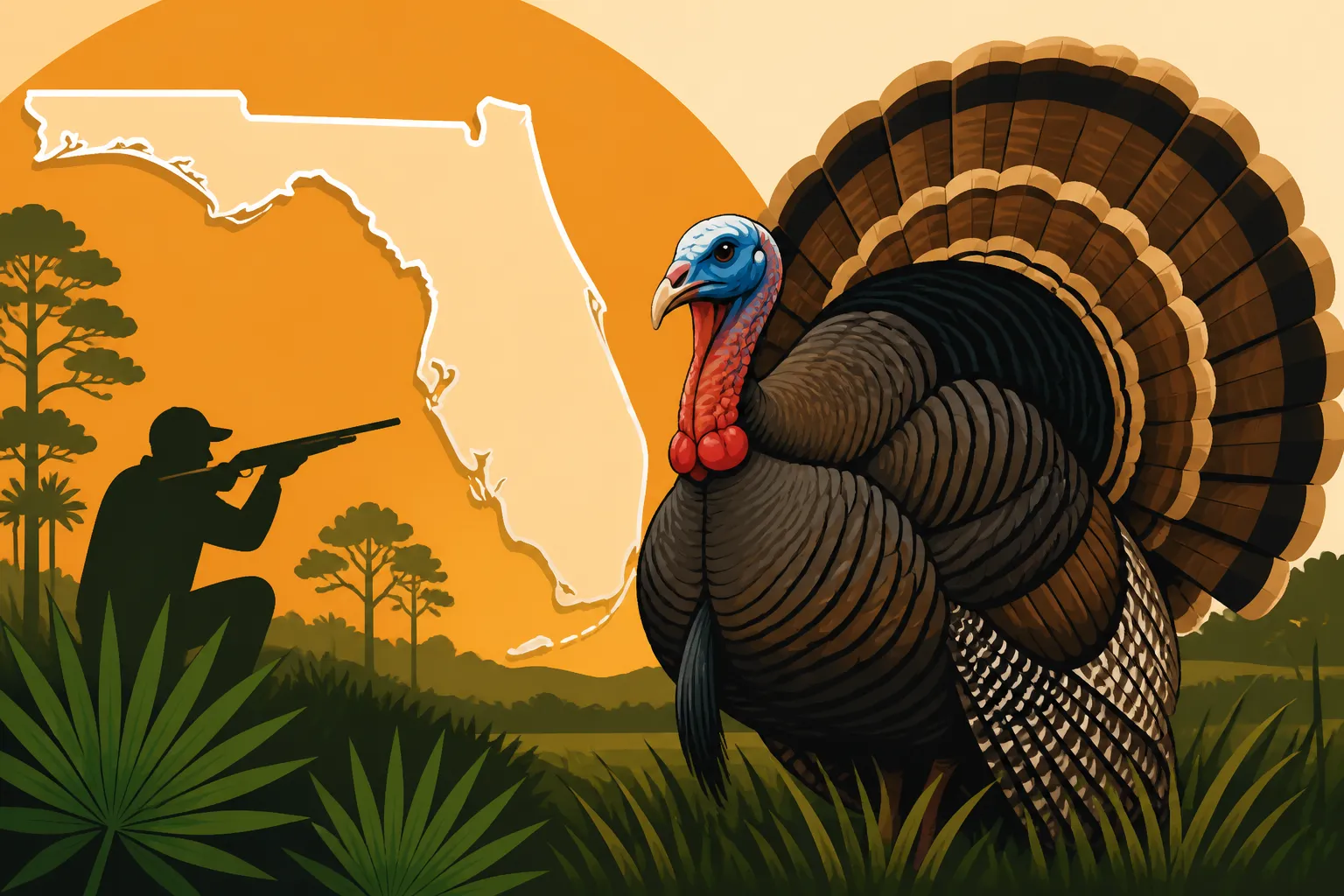
When most folks think of Florida turkey hunting, their minds immediately jump to the elusive Osceola, found south of the Panhandle. However, the Panhandle is prime territory for a different kind of challenge: the Eastern wild turkey. These birds, genetically distinct from their Osceola cousins, inhabit the sprawling pine forests and mixed hardwood bottoms that characterize Florida's northernmost region. They offer a legitimate Eastern hunt experience, complete with big woods tactics and vocal birds, often overlooked by hunters focused solely on the "Florida Grand Slam."
Unique Panhandle Habitat and Challenges
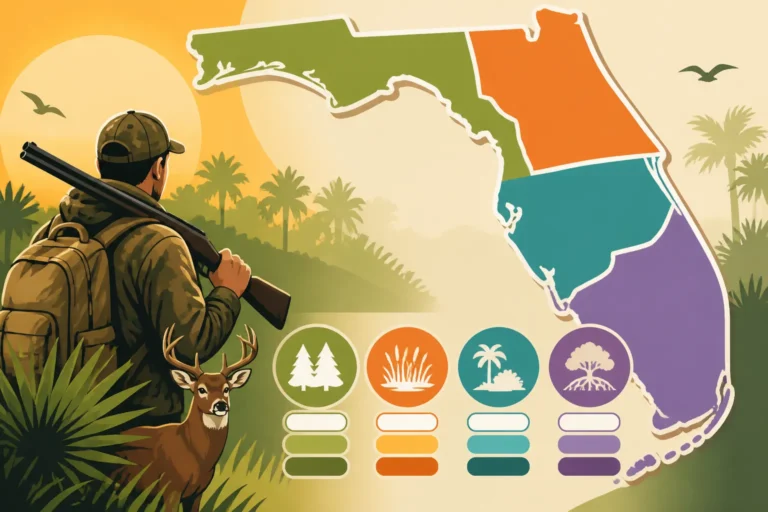
The Panhandle is a diverse landscape, far removed from the palm and saw palmetto scrub of central and south Florida. You'll find vast tracts of longleaf pine, often managed with controlled burns, interspersed with creek drainages, cypress swamps, and significant hardwood hammocks. This varied terrain means Eastern turkeys have plenty of cover, food sources like acorns and pine mast, and ideal roosting trees. The challenge comes from the sheer scale of some of these areas, particularly on public land, and the density of the vegetation, which can make spotting birds and calling them in quite difficult. It's a hunt that demands patience, good woodsmanship, and a keen ear for distant gobblers. These birds are often less patterned than their Osceola counterparts, moving through larger territories and relying on subtle calls and keen eyesight.
Navigating these diverse habitats requires a different approach than hunting the open prairies or citrus groves further south. Hunters need to be prepared for everything from muddy creek crossings to thick palmetto thickets that can swallow a turkey whole. Understanding the subtle shifts in terrain and how it influences turkey movement is key to success here.
Population and Pressure Dynamics
While the Osceola might get more headlines, the Panhandle boasts a healthy population of Eastern turkeys. The dense cover and large tracts of public and private timberland provide ample habitat for these birds to thrive. However, like any popular game species, hunting pressure can vary significantly. Public lands, especially smaller Wildlife Management Areas (WMAs), tend to see more hunters, particularly on opening weekend. Larger areas, like the Apalachicola National Forest, can spread hunters out more effectively, but also require more effort to find unpressured birds.
Private land, of course, offers the benefit of reduced pressure, but comes with its own access challenges and costs. Many outfitters operate on large private timber leases, which can provide a more consistent hunting experience with less competition. Understanding these dynamics is crucial for planning your hunt; an early morning gobble might be less common on highly pressured public land, requiring more aggressive calling or silent stalking techniques. The Florida Fish and Wildlife Conservation Commission (FWC) manages Eastern Turkeys in the Florida Panhandle to ensure sustainable populations, and hunters should always be aware of local regulations and quotas.
Understanding Eastern Turkey Behavior in the Panhandle
Eastern turkeys in the Panhandle behave similarly to their brethren across the Southeast, but the Florida environment adds a twist. The lack of extreme cold means they might not "bunch up" in the same way winter birds do further north, and their rutting behavior can be influenced by the earlier spring warm-ups. Knowing their patterns, especially around roosting, feeding, and breeding, is vital for a successful hunt.
Roosting and Fly-Down Tactics
Panhandle Easterns love to roost in tall pines and cypress trees, especially those overlooking creek bottoms or open areas. Identifying potential roost sites before dawn is paramount. This often means getting into the woods well before first light, listening intently for those tell-tale pre-dawn gobbles that reveal a bird's location. Once you pinpoint a roost, the strategy shifts. You want to get as close as possible without alerting the bird, setting up against a large tree with good visibility. A soft tree call or a series of clucks and purrs can be effective as the bird starts to stir.
As the bird flies down, the real chess match begins. Some birds will pitch down and come straight in, while others might fly down in the opposite direction and walk off. Aggressive calling right at fly-down can sometimes spook a bird that's looking for the hen it heard. Often, a subtle approach, letting the bird hit the ground and begin to strut or feed, before offering a few soft calls, can be more effective. The goal is to make him believe you are a hen waiting for him. Hunters often debate the best approach for Calling an Osceola Off the Roost, but many of the same principles apply to Easterns.
Calling Strategies for Panhandle Birds
Eastern turkeys are notoriously vocal, and that's often what makes them so captivating to hunt. However, Panhandle birds, especially those on pressured public land, can be call-shy. Learning to read the bird and adapt your calling style is key. Early in the season, before the birds have been pressured, aggressive calling can work wonders. Sharp cutts, loud yelps, and excited clucks can pique a gobbler's interest. As the season progresses, or if you're hunting in areas with heavy competition, a more subtle approach might be necessary. Soft tree yelps, purrs, and clucks, mimicking a contented hen, can be just enough to draw in a wary longbeard.
Using a variety of calls—slate calls, box calls, diaphragms—allows you to change pitch and tone, keeping the bird interested. Don't be afraid to try different sequences. Sometimes silence is the best call. After a series of yelps, wait. Let the woods breathe. If the gobbler is interested, he'll often let you know with another gobble or by closing the distance. Remember, the goal is to make him come to you, not the other way around. Consider Rattling and Grunting Florida Bucks for deer, and similar principles of strategic sound apply to turkeys.
Mid-Day Lulls and Afternoon Movement
Just because the morning fly-down action dies doesn down't mean your hunt is over. Mid-day can be incredibly productive, especially if you know where to look. After breeding and feeding in the mornings, gobblers will often seek out cooler, shadier areas to loaf, dust, and strut. Creek bottoms, dense pine plantations, or the edges of swamps can be prime locations. This is a great time for "run and gun" tactics, covering ground and stopping frequently to call, listening for a shock gobble. Sometimes a lone hen will pop out, attracting a gobbler in tow.
Afternoon movement can also pick up as birds start to think about roosting again. Focusing on known travel corridors, food sources, or roosting areas can pay off big in the late hours. A well-placed blind near a feeding area or a water source can offer a strategic advantage as birds make their final movements of the day. Persistence is paramount when hunting Easterns; a bird that was silent all morning might suddenly gobble on his way to the roost. Hunting an Eastern Gobbler in Panhandle Pines often involves these varied tactics.
Finding the Right Panhandle Outfitter
For many, especially those traveling from out of state or new to the area, booking a guided hunt is the best way to experience Eastern turkey hunting in the Panhandle. A good outfitter brings local knowledge, access to private land, and years of experience to the table, significantly increasing your chances of success. However, finding the right outfitter requires some homework.
Researching Potential Guides
The first step is thorough research. Start by looking for outfitters specifically advertising Eastern turkey hunts in the Florida Panhandle. Websites like BookYourHunt and GoHunt can be great resources for finding reputable guides and reading reviews from past clients. Don't just look at success rates; look for consistency in client testimonials. Are hunters happy with the experience, even if they didn't harvest a bird? Does the outfitter communicate well? What kind of land do they hunt? Look for details about their hunting areas, whether it's vast timberland, large ranch properties, or managed habitat.
Reach out to several different outfitters. Pay attention to how quickly they respond, the detail in their answers, and their willingness to discuss your specific needs and expectations. A good outfitter will be transparent about their operations, pricing, and what you can realistically expect during your hunt. This is a significant investment, so don't rush the decision.
Key Questions to Ask Before Booking
Once you have a shortlist of potential outfitters, it's time to dig deeper. Here are some critical questions to ask:
- What type of land do you hunt (private, leased, WMA)? Private land generally offers less pressure and higher success rates.
- What is included in the hunt package? This can vary widely. Does it include lodging, meals, transportation during the hunt, bird cleaning, or taxidermy prep?
- What is the typical guide-to-hunter ratio? A 1:1 ratio is ideal for turkey hunting, ensuring dedicated attention.
- What is your success rate for Eastern turkeys in the Panhandle? Ask for recent season statistics if possible, not just lifetime averages.
- What kind of calls and tactics do you primarily use? This helps align expectations with your hunting style.
- What gear should I bring? Guides often have specific recommendations based on their hunting areas.
- What happens if I don't harvest a bird? Are there opportunities for a follow-up hunt or a discount on future trips?
- Can you provide references from past hunters? Speaking to previous clients is one of the best ways to vet an outfitter.
These questions, similar to those for Questions to Ask a Florida Outfitter for other species, ensure you have a clear picture of what you're signing up for.
What's Included in a Standard Package
Outfitter packages for Eastern turkey hunts in the Panhandle typically bundle several services. A basic package might include daily guided hunting, access to prime private land, and field transportation. More comprehensive packages, often referred to as What an Outfitted Package Hunt Includes, could also cover comfortable lodging, home-cooked meals, and even assistance with game processing and trophy care. Some outfitters might offer combo hunts, allowing you to pursue hogs or even deer if seasons overlap and permits are available.
The cost will fluctuate based on these inclusions, the duration of the hunt (e.g., two-day, three-day), and the guide's reputation and success rate. It's important to understand what's not included as well. Typically, your Florida hunting license, turkey stamp, and any necessary permits (like the Florida Eastern Zone Turkey Permit Rules) are your responsibility. Travel to and from the hunting area, gratuities for your guide, and personal gear are also usually extra. Be sure to get a detailed breakdown in writing before you commit.
What to Expect from a Guided Panhandle Hunt
A guided hunt is an immersive experience designed to put you in the best position for success. While every outfitter has their own rhythm, there's a general flow to what you can expect on an Eastern turkey hunt in the Florida Panhandle. Knowing this can help you prepare mentally and physically for the adventure ahead.
A Typical Day in the Field
Your day will start early, often well before dawn. You'll likely meet your guide over coffee and a quick breakfast, discussing the plan for the morning. Then it's off to a pre-selected spot, often near a known roost, to listen for those first gobbles. Your guide will handle the calling, set up decoys if used, and position you for the best shot opportunity. Mornings are typically the most active for gobblers, so expect intense focus during the first few hours.
If a bird isn't harvested by mid-morning, the tactics might shift. You could move to another area, try some "run and gun" calling through different habitats, or sit over a food plot or travel corridor. Lunch might be a packed meal in the field or a quick trip back to camp. Afternoons often involve scouting for fresh sign, trying different calling setups, or even just sitting quietly and waiting for a wary bird. The day will usually conclude at last light, often trying to roost a bird for the next morning. Each day is a dynamic interplay of strategy, patience, and adapting to the birds' behavior.
Gear Recommendations from Guides
Your guide will provide specific gear recommendations, but generally, you'll need quiet, camouflage clothing suitable for warm, humid Florida weather (even in spring). Temperatures can fluctuate, so layers are always a good idea. Comfortable, waterproof boots are essential for traversing wet terrain. A good shotgun (12-gauge or 20-gauge with appropriate turkey loads) is standard. Don't forget your calls (if you plan to do any calling yourself), a comfortable turkey vest, a rangefinder, binoculars, and insect repellent. A headlamp for pre-dawn and post-dusk movements is also critical.
Many guides will provide decoys, but if you have a favorite, ask if you can bring it. Hydration is key in Florida, so a good water bottle or hydration pack is a must. Remember to pack any necessary medications and personal items. Often, guides can also advise on specific ammunition preferences for the birds they hunt, as different loads can perform differently.
Managing Expectations and Success Rates
It's important to go into any wild turkey hunt, especially for Easterns, with realistic expectations. While outfitters often boast high success rates, "success" can be defined differently, and wild turkeys are unpredictable animals. Weather, hunting pressure, and the birds' mood can all play a role. A "successful" hunt isn't always about harvesting a bird; it's also about the experience, the challenge, and the time spent in nature.
A good outfitter will manage your expectations, emphasizing the hunt aspect rather than guaranteeing a harvest. They should focus on providing a quality experience, teaching you about the local environment, and doing everything in their power to put you on birds. Inquire about Florida Eastern Spring Season Dates to understand prime hunting windows, but remember even peak season doesn't guarantee a bird on the ground. Be prepared for early mornings, long walks, periods of silence, and the occasional heartbreak of a bird that just won't commit. That's the beauty and the frustration of wild turkey hunting.
Self-Guided vs. Outfitted: Weighing Your Options
Deciding between a self-guided hunt and booking with an outfitter is a big decision, especially for a target like the Panhandle Eastern. Both options have their merits and drawbacks, largely depending on your budget, experience, and tolerance for adventure.
The Public Land Approach: Pros and Cons
Florida has a significant amount of public hunting land, including national forests and Wildlife Management Areas, where Eastern turkeys can be pursued. A self-guided public land hunt offers the ultimate freedom and significantly lower costs, requiring only your hunting license and any necessary permits (like The Florida WMA Management Area Permit). This is where you truly earn your bird, relying on your scouting, woodsmanship, and calling skills. However, it comes with considerable challenges.
Pros:
- Cost-Effective: Only requires license and permits.
- Independence: Hunt on your own terms, explore new areas.
- Rewarding: The satisfaction of finding and harvesting a bird completely on your own is immense.
Cons:
- Hunting Pressure: Public lands often see more hunters, especially during peak times.
- Scouting Intensive: Requires extensive pre-season scouting, often in unfamiliar terrain, to find birds and understand their patterns.
- Logistics: You're responsible for all logistics, from finding lodging to field dressing your bird.
- Access: Some areas can be difficult to access, requiring long walks or specialized vehicles.
Exploring options for Public Hunting Land in Florida like Apalachicola National Forest Hunting can be a great way to start researching potential DIY spots.
Navigating Private Land Access
If you're opting for a self-guided hunt but want to avoid public land pressure, securing private land permission is another avenue. This can be challenging but highly rewarding. Networking, joining local hunting clubs, or even knocking on doors (respectfully, of course) can sometimes yield access. Farmers dealing with nuisance turkeys might be open to granting permission, especially if you offer to help manage the population.
Pros:
- Reduced Pressure: Typically fewer hunters, leading to more natural turkey behavior.
- Known Quantity: Often, landowners can provide insights into turkey movements on their property.
- Potentially Higher Success: Less pressure generally correlates with better hunting.
Cons:
- Difficult to Secure: Many private landowners are hesitant to allow hunting, or already have leases in place.
- Cost: Leasing private land can be very expensive, though sometimes free access is granted for nuisance birds.
- Liability: Landowners may be concerned about liability, making it harder to get permission.
Cost Comparison
When weighing self-guided versus outfitted, cost is often a primary factor. Here’s a general comparison:
| Feature | Self-Guided Public Land Hunt | Guided Private Land Hunt |
|---|---|---|
| Licenses/Permits | Required (base license, turkey stamp, WMA permit) | Required (base license, turkey stamp) |
| Guide Fees | None | Significant (varies by outfitter, package, and duration) |
| Lodging | Camping, budget hotels, or cabins (self-arranged) | Often included in package or discounted rates with lodge |
| Meals | Self-provided | Often included in package |
| Transportation | Your own vehicle, often 4×4 for remote access | Provided by outfitter during hunt |
| Scouting | Extensive pre-season effort required | Handled by outfitter/guide |
| Success Rate | Highly variable, depends on skill, effort, luck | Generally higher due to expertise and private land access |
| Experience Level | Moderate to Expert | Beginner to Expert |
| Overall Cost | Lower initial outlay, but more time/effort investment | Higher initial outlay, less time/effort investment |
Keep in mind that while a self-guided hunt has a lower upfront cost, the investment in gear, fuel for scouting, and potentially lost work days can add up. For some, the value of an experienced guide and access to prime private land outweighs the higher cost of an outfitted trip. Comparing this to something like Booking a Guided Florida Deer Hunt or Booking a Multi-Day Hog Hunting Package can help put the specific turkey hunt costs into perspective.
Preparing for Your Panhandle Turkey Hunt
Whether you're going guided or self-guided, proper preparation is crucial for a successful and enjoyable Eastern turkey hunt in the Florida Panhandle. This isn't a casual stroll in the park; it's an active hunt that demands physical and mental readiness, along with the right gear.
Physical and Mental Preparation
Eastern turkey hunting in the Panhandle can be physically demanding. You'll likely be walking miles through varied terrain, often carrying a shotgun, calls, and other gear. This might involve navigating thick underbrush, climbing steep creek banks, or slogging through muddy bottoms. Getting in shape with regular cardio and strength training (especially for your legs and core) will pay dividends. Practice hiking with your loaded vest and shotgun to simulate actual hunting conditions.
Mentally, be prepared for long periods of sitting still, intense moments of adrenaline, and potential setbacks. Turkeys are smart, wary birds, and they don't always cooperate. Patience is a virtue in turkey hunting. Expect early mornings and late evenings. The satisfaction of a hard-earned bird is amplified by the effort you put in. Embrace the challenge, enjoy the solitude, and focus on the overall experience, not just the harvest.
Essential Gear Checklist
A well-organized gear list can make or break your hunt. Here are some essentials:
- Shotgun: 12 or 20 gauge, choked for turkey, with appropriate loads.
- Ammunition: Enough for patterning and hunting.
- Hunting License & Permits: Make sure they are current and you have physical or digital proof.
- Camouflage Clothing: Lightweight, breathable, and quiet. Long sleeves and pants are recommended to protect against insects and brush. Consider insect-resistant clothing.
- Waterproof Boots: Comfortable, broken-in, and appropriate for wet conditions.
- Turkey Vest: To carry calls, shells, snacks, water, and emergency items.
- Calls: Diaphragm, slate, box call – practice before the hunt!
- Decoys: (Optional, but often useful) Hen and/or gobbler decoys.
- Binoculars: For spotting birds from a distance.
- Rangefinder: To confirm distances before the shot.
- Headlamp/Flashlight: With extra batteries.
- Bug Repellent: Essential in Florida, especially in spring. Thermacell devices are popular.
- First-Aid Kit: Basic supplies for cuts, scrapes, and blisters.
- Snacks & Water: Enough for a full day in the field.
- Knife: For field dressing.
- Gloves & Face Mask/Net: Crucial for concealment.
- Seat Cushion/Portable Chair: For comfortable sitting.
- Orange Blaze: Required in some situations or on certain public lands when moving. Check regulations for Florida Blaze Orange Requirements.
Pre-Hunt Scouting (Even with a Guide)
Even if you've booked a guided hunt, a little pre-hunt "homework" can enhance your experience. While your guide will have done the heavy lifting, familiarizing yourself with the general geography of the Florida Panhandle and the type of habitat you'll be hunting can be beneficial. Look at satellite maps (like those on GoHunt or readily available online) to understand the lay of the land—where pine ridges transition to hardwood bottoms, where creek drainages run, and potential food sources.
If you're self-guided, pre-season scouting is non-negotiable. Spend time in the woods looking for sign: droppings, tracks, scratch marks, dusting bowls, and shed feathers. Identify potential roosting areas, strut zones, and travel corridors. Learn the access points and boundaries of your chosen hunting area. The more time you spend scouting, the better your chances of encountering a Panhandle Eastern gobbler. Consider looking at Scouting Florida Public Land Before Season for more detailed tips.
Disclaimer
This article is for general informational purposes only and does not constitute professional advice. Laws, prices and regulations vary by location and change over time. Consult a qualified professional for guidance on your specific situation.