Hunting the Zone C Early Archery Opener
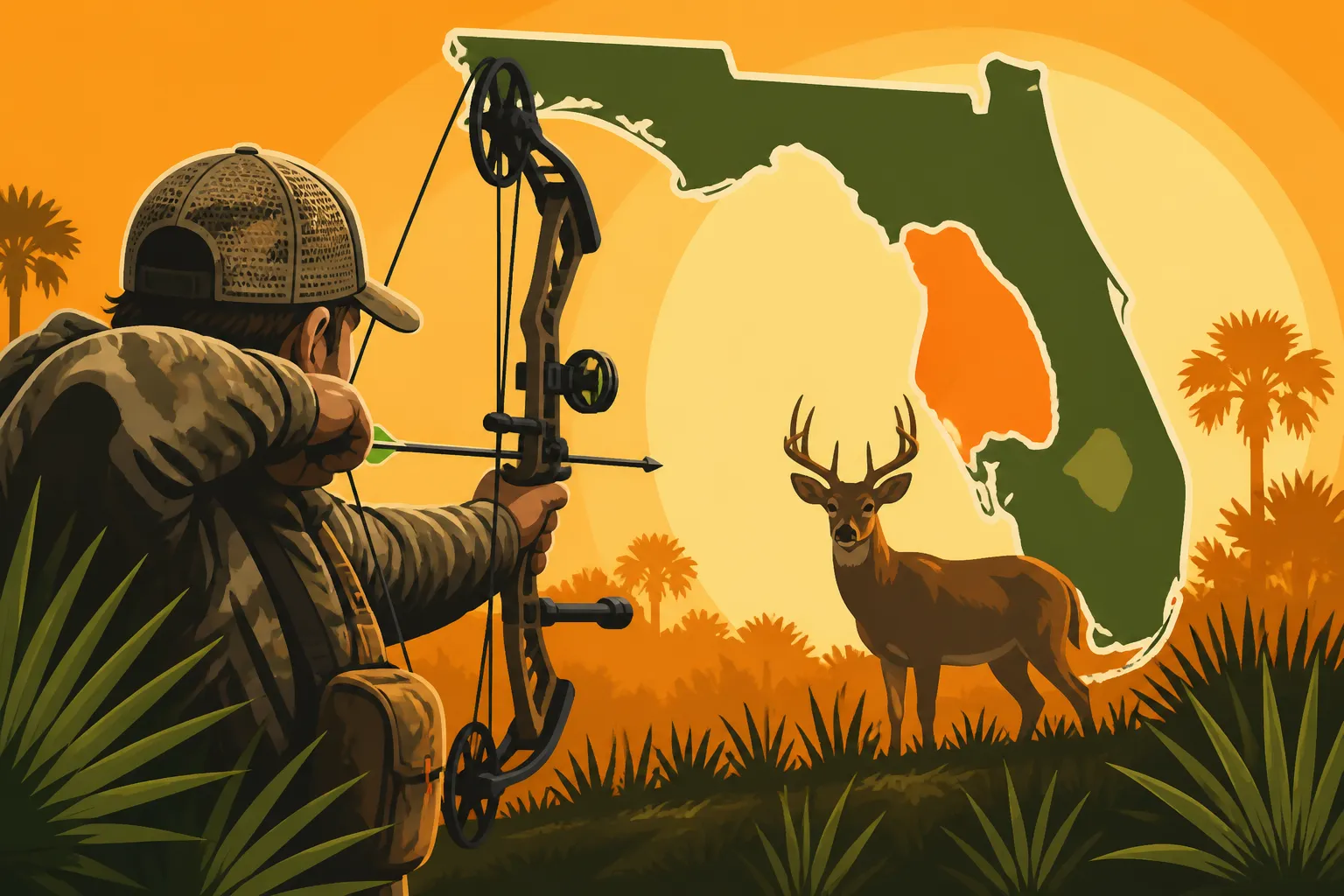
There's nothing quite like the unique blend of excitement and trepidation that comes with the early archery opener in Florida's Zone C. You've been dreaming of this moment for months, envisioning that perfect shot at a mature buck, only to be met with sweltering heat, stubborn mosquitoes, and deer that seem to vanish into thin air. This guide is dedicated to helping you navigate the distinct challenges of Hunting the Zone C Early Archery Opener, providing practical, real-world strategies to make your efforts pay off when the mercury is still climbing.
Understanding Zone C's Unique Early Season Environment
Zone C covers a significant portion of Florida's central peninsula, and its early archery opener in late July or early August presents a set of conditions unlike almost anywhere else in the country. Forget crisp autumn mornings; here, you're dealing with summer in full swing. This impacts everything from deer behavior to your personal comfort and the strategies you need to employ.
The Reality of Summer Weather Conditions
When that bow season kicks off in Zone C, you're looking at daily temperatures often soaring into the low 90s, coupled with oppressive humidity that can make simply sitting still feel like a marathon. Thunderstorms are a daily occurrence, often popping up in the afternoon, bringing torrential downpours and lightning. These conditions drastically influence when and where deer move. They're primarily nocturnal during this period, seeking cooler temperatures and moving mostly under the cover of darkness. This means those prime daylight hours you hope for are often limited to the first hour after dawn and the last hour before dusk, if that. You'll need to prepare not just for the hunt, but for the elements, with lightweight, breathable clothing, plenty of hydration, and reliable insect repellent.
Early Season Deer Behavior and Food Source Patterns
Deer in Zone C during the early archery opener are typically still on their summer patterns. Bucks are often still in velvet or have only recently shed it, and their primary focus is on feeding to finish antler growth and recover from the summer's heat. Unlike later in the season when acorns are abundant, or during the rut, they're not thinking about breeding. Their movements are dictated by food, water, and shade. Look for early-dropping acorns from species like water oaks or willow oaks, wild persimmons, muscadine grapes, and any green browse that's still palatable. Agricultural fields, particularly those with peanuts or soybeans, can be absolute magnets, especially at night. Understanding these localized food sources is paramount. Scouting before the season starts, even for just a few hours, can reveal crucial patterns. You might be surprised to find deer hitting a particular type of browse or fruit that isn't typically on your radar.
Navigating Increased Hunting Pressure on Public Lands
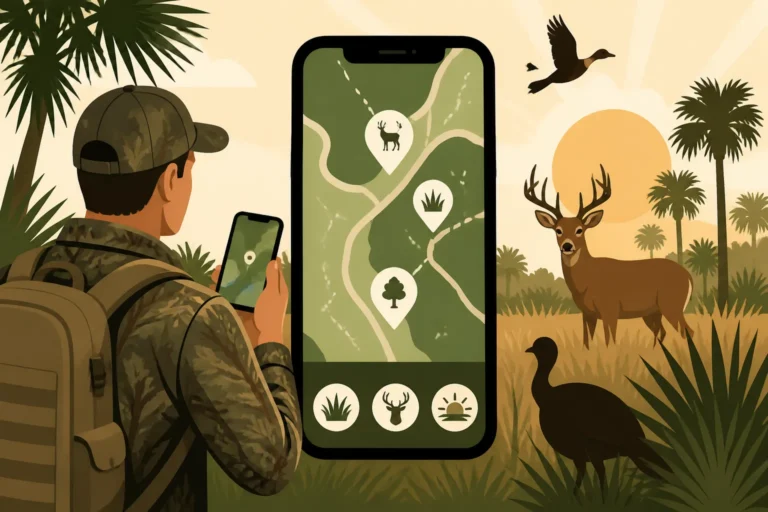
Let's be real, Florida's public lands, while vast, can feel pretty crowded on opening day. Everyone else has been chomping at the bit too, and a lot of hunters head to the same easily accessible spots. This pressure pushes deer into thicker, less accessible areas. If you plan on Scouting Florida Public Land Before Season, use mapping applications like GoHunt to identify potential sanctuaries that are a bit harder to reach. These are often cypress sloughs, dense palmetto thickets, or areas with standing water that most hunters avoid. Walking an extra mile or two, or even finding alternative access points, can make all the difference in finding undisturbed deer. The key is to be willing to put in the effort to get away from the crowds, especially if you're hoping to encounter an older buck.
Strategic Archery Tactics for Early Season Success
Success during the Zone C early archery opener hinges on executing a strategic approach that accounts for the challenging conditions and deer behavior. It's not about being aggressive; it's about being smart, stealthy, and patient.
Intelligent Scouting and Stand Placement
Pre-season scouting is your best friend. Days, weeks, or even months before the opener, spend time in your chosen area. Look for trails leading to early season food sources, water, and bedding cover. Pay close attention to subtle funnels, pinch points, and cover transitions. During summer, deer often create discernible trails that connect these vital areas. Using trail cameras strategically on these trails, near water sources, or on the edges of food plots can provide invaluable intel on deer movement patterns, especially their nocturnal habits. You might find that the big buck you're after is only moving past a certain spot an hour before sunrise or an hour after sunset.
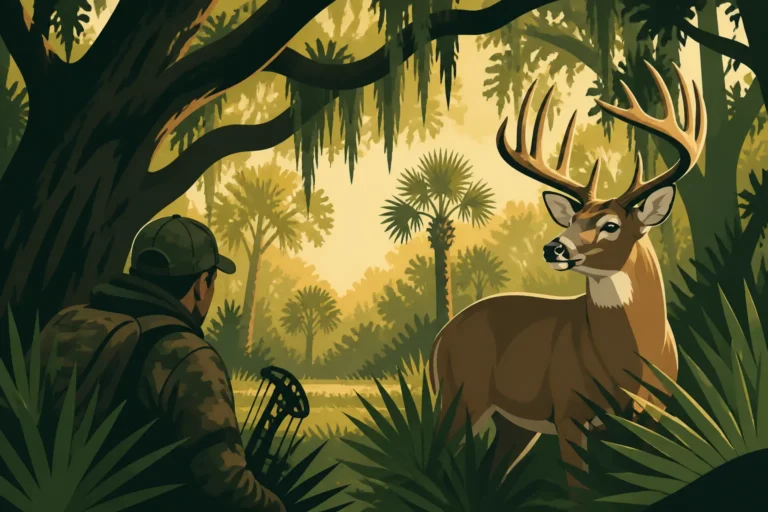
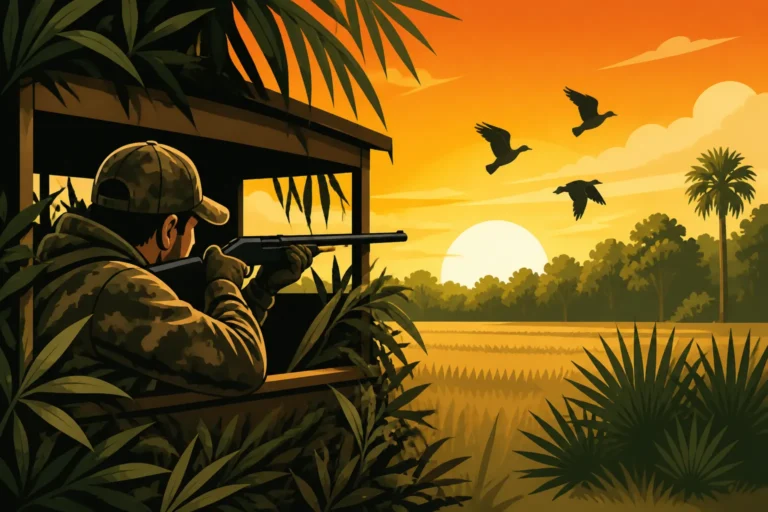
When it comes to stand placement, think shade, wind, and water. A stand overlooking a shaded travel corridor between bedding and an early acorn drop, with a reliable water source nearby, is ideal. Consider setting up on the leeward side of prevailing winds, which often shift in Florida throughout the day. Using an app like GoHunt can help you predict Wind and Thermals in Flat Florida Terrain, ensuring your scent doesn't betray you. Remember, in hot weather, human scent lingers longer and spreads further. A ground blind brushed into natural cover can also be highly effective, offering better concealment and relief from direct sun, just be sure to check the rules for Using a Ground Blind on Florida Public Land on your specific WMA.
Employing the Right Calling and Decoying Strategies
Unlike the frantic activity of the rut, early archery season in Zone C isn't typically a time for aggressive calling or elaborate decoy setups. Deer are still mostly in their bachelor groups or doe family units and aren't focused on breeding. However, subtle tactics can sometimes work. Soft doe bleats or light fawn bawls can sometimes pique the curiosity of does and younger bucks. A very light, short grunt might get a buck to stop for a shot if he's already within range, but don't expect him to come charging in.
Decoys are generally less effective during this time. A single doe decoy might work if you're trying to attract a passing doe family, but a buck decoy is largely unnecessary as rutting behavior hasn't begun. If you choose to use one, ensure it's easily visible but not in direct sunlight, which can make it look unnatural. The key is subtlety; you're trying to blend in and be as non-threatening as possible, not to draw attention from afar.
The Importance of Scent Control and Thermoregulation
Scent control is absolutely crucial in Florida's hot, humid early season. The moment you start to sweat, your scent profile explodes. Invest in high-quality scent-eliminating sprays, carbon-lined clothing, and store your hunting clothes in airtight containers with natural scent neutralizers like pine needles or cedar. Showering with scent-free soap before the hunt and dressing at your hunting location can minimize contamination.
Thermoregulation is equally important for your comfort and ability to stay on stand. Lightweight, moisture-wicking clothing designed for hot weather is a must. Many brands offer excellent options that breathe well and dry quickly. A quality hydration pack is non-negotiable – dehydration can set in quickly in the Florida heat, impacting your focus and safety. Consider a Thermacell to keep mosquitoes at bay; the buzzing alone can be maddening, let alone the bites. Staying hydrated and comfortable will allow you to remain focused and still for longer periods, increasing your chances of success.
| Factor | Early Archery (Zone C Opener) | Peak Rut (Later Season) |
|---|---|---|
| Weather | Hot, humid, frequent thunderstorms | Cooler, potentially drier, more stable |
| Deer Behavior | Nocturnal, focused on food/water/shade, bachelor groups | More daylight movement, buck cruising for does, scrapes/rubs |
| Food Sources | Early acorns (water/willow oak), wild persimmons, browse | Hard mast (live oak, laurel oak), planted food plots |
| Calling | Subtle doe bleats, soft grunts (if any) | Aggressive grunts, rattling, snort-wheezes |
| Decoys | Generally less effective, subtle doe if used | Buck and/or doe decoys can be highly effective |
| Hunter Scent | Critical due to heat/humidity, constant sweat | Still important, but less extreme challenge |
Essential Gear and Preparation for Zone C Archery
Being prepared goes beyond just your bow. The right gear and a solid pre-hunt routine can make or break your early season experience, ensuring you're safe, comfortable, and ready when that opportunity arises.
Archery Equipment Setup and Broadhead Selection
Your bow should be meticulously tuned and sighted in well before opening day. Florida's thick cover means shot opportunities can be fleeting, so confidence in your equipment is key. Practice shooting from elevated positions if you hunt from a tree stand, and from a seated position if you'll be in a ground blind. A reliable rangefinder is non-negotiable; judging distances accurately in dense woods is tough, and an exact range can be the difference between a clean kill and a missed opportunity.
Broadhead selection is paramount. Given the potential for less-than-ideal shot angles in thick cover and the need for maximum penetration on a hot deer, fixed-blade broadheads or robust mechanicals with a wide cutting diameter are generally preferred. Make sure they are razor-sharp. If you're considering Crossbow Hunting During Florida's Archery Season, ensure your crossbow is sighted in and you've practiced from various positions as well. Always carry a spare string or cables if possible, and a small field repair kit, because things always seem to break at the worst possible time.
Personal Gear for Hot Weather and Navigation
Beyond your bow, several items are crucial for comfort and success in the Florida heat. A high-quality backpack capable of carrying water, snacks, extra layers (for rain, believe it or not), and your immediate recovery gear is a must. A headlamp or flashlight is essential for walking in and out in the dark, and for tracking. Remember that Florida is home to a variety of wildlife, so having a snakebite kit on hand isn't a bad idea, especially if you're pushing into heavy cover.
Navigational tools are critical, especially on unfamiliar public land or deep in the woods. While your phone's GPS is helpful, always have a backup. A dedicated GPS unit or a fully charged power bank for your phone (running an app like GoHunt for your maps) is a lifesaver. Familiarize yourself with the area beforehand, marking your stand locations, access routes, and potential tracking paths. Knowing Where Florida Bucks Bed in Thick Palmetto can help you visualize your approach and exit strategy, minimizing disturbance.
Post-Shot and Recovery Considerations
When you finally release that arrow and connect, the work is far from over. In Zone C's early archery season, recovery is often the most challenging part of the hunt, demanding patience, vigilance, and quick action.
The Critical Importance of a Patient Wait
This is perhaps the single most important rule for early season archery in Florida: wait, and then wait some more. Deer are already stressed by the heat, and a marginally hit deer will expire much faster if left undisturbed. If you make what you believe is a good shot, resist the urge to immediately follow. Wait at least 30 minutes for a solid hit, and upwards of 4-6 hours (or even overnight if conditions allow) for questionable hits. In extreme heat, you might worry about meat spoilage, but pushing a wounded deer almost guarantees it will travel further and be harder to recover. Use this time to calm your nerves, replay the shot in your mind, and plan your tracking approach. This discipline is what separates a successful recovery from a lost animal.
Effective Tracking and Recovery in Challenging Terrain
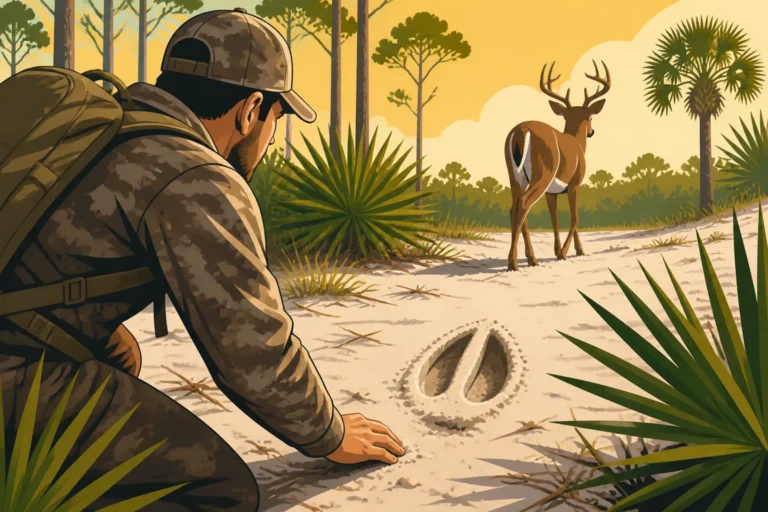
Once you start tracking, move slowly and deliberately. Look for blood, but also for disturbed leaves, broken twigs, and scuff marks that indicate a deer's path. In Florida's sandy soil, blood trails can be sparse, so every sign counts. Use brightly colored flagging tape to mark the last known blood or sign. If you lose the trail, spread out and grid search, always returning to the last marked spot. Having a hunting buddy to help is invaluable. They can also assist with Blood Trailing After Dark in Florida, which is often necessary when deer move so late in the day. Be prepared for thick palmetto, cypress swamps, and dense briar patches. These are the places a wounded deer will often seek refuge.
Immediate Field Dressing and Meat Care in Hot Conditions
As soon as you recover your deer, swift field dressing is crucial to prevent meat spoilage. The hot, humid air means bacteria will multiply rapidly. Get the entrails out immediately to allow the carcass to cool internally. If you have to drag the deer a significant distance, consider quartering it in the field to lighten the load and further aid cooling. Many hunters will bring large game bags to protect the meat from flies and debris. Once out of the woods, get the carcass on ice as quickly as possible, either in a cooler or by hanging it in a walk-in cooler. A cold shower or hose-down for the carcass can also help bring down the core temperature. For more detailed advice, check out Field Dressing a Deer in Hot Weather. Don't let all your hard work go to waste by neglecting proper meat care.
Disclaimer
Hunting is an inherently dangerous activity. Always prioritize safety, adhere to all Florida Fish and Wildlife Conservation Commission (FWC) regulations, and obtain the necessary licenses and permits before heading into the field. This guide provides general information and should not replace proper hunter education or professional guidance. Conditions and regulations can change, so always consult the latest FWC handbooks and local ordinances.