Hunting the Zone D Late Fall Archery Opener
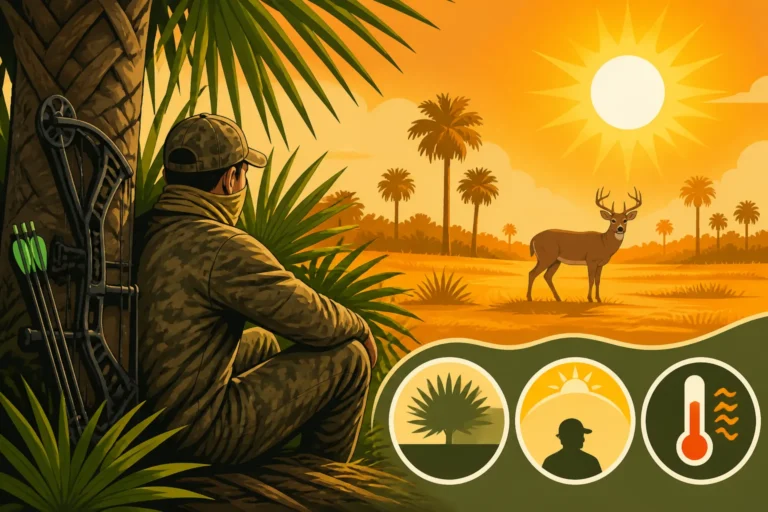
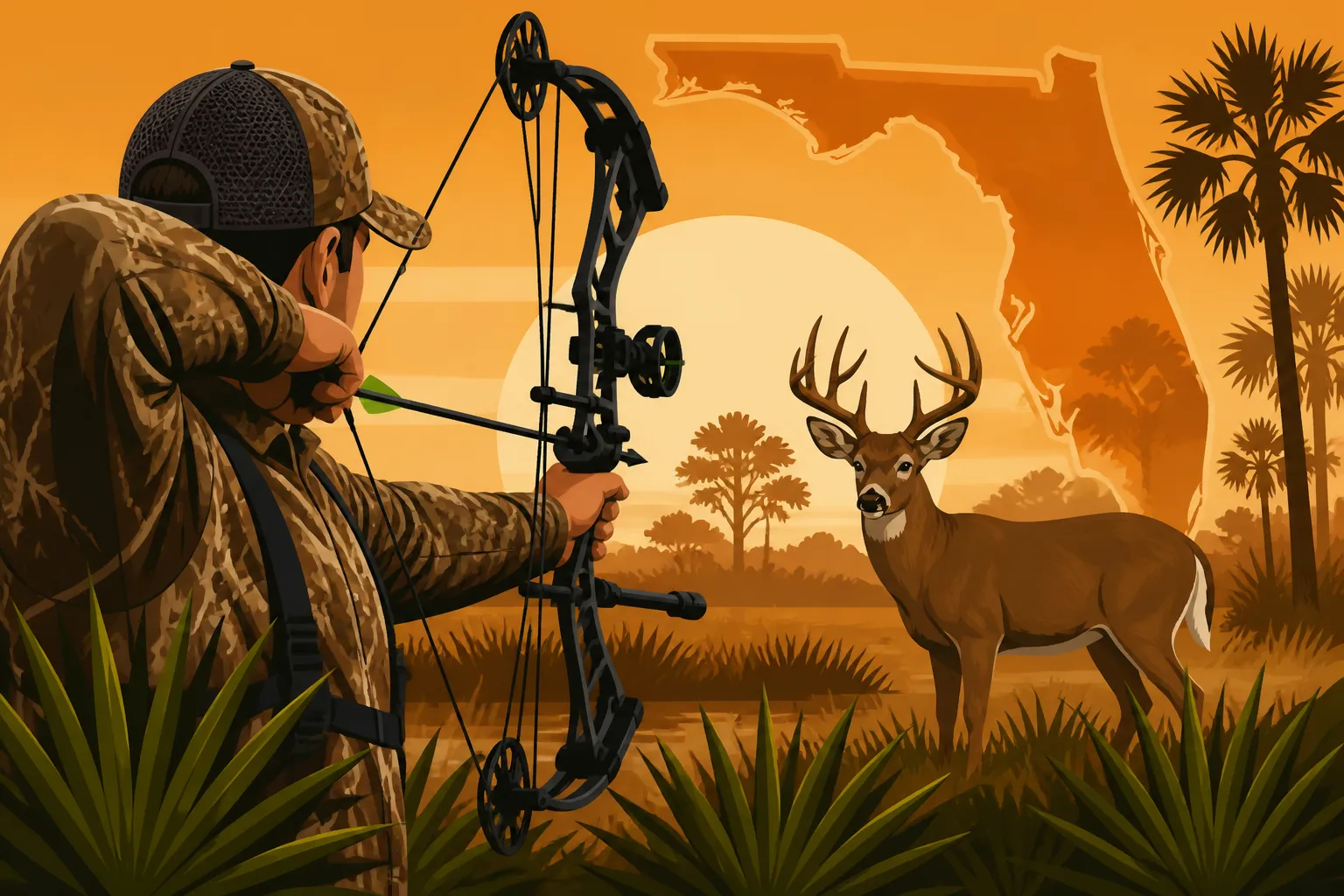
The late fall archery opener in Florida's Zone D can feel like a riddle wrapped in an enigma, especially when you're used to the cooler, more defined fall hunting of other states or even other Florida zones. Trying to dial in deer movement when the weather might still feel like summer and the rut is either winding down or has already passed can be incredibly frustrating, leaving many hunters feeling like they’re just wandering aimlessly. This guide aims to pull back the curtain on this unique season, offering a deep dive into tactics, scouting, and gear to help you confidently navigate the challenges and find success when the Zone D archery season arrives.
Understanding Florida's Zone D and its Unique Timing
Florida's deer management zones are designed to account for the vastly different climates and ecological systems across our long state, and Zone D is a perfect example of this. Located primarily in the panhandle region, it experiences a more traditional "fall" compared to the subtropical south. However, even with cooler temperatures starting to creep in, the late fall archery opener presents a distinct set of circumstances that require a tailored approach.
Geographic and Habitat Characteristics of Zone D
Zone D generally encompasses the westernmost counties of the Florida Panhandle, stretching from Escambia County eastwards, often bordering Alabama and Georgia. This region is characterized by extensive pine plantations, mixed pine-hardwood forests, large river bottoms, and agricultural fields. You'll find a different feel here than the palmetto flatwoods or cypress swamps of central and south Florida. The terrain can be gently rolling, with more defined elevation changes than other parts of the state.
The habitat diversity means deer have a wide range of food and cover options. During the late fall, as natural mast crops like acorns might be dwindling in some areas, deer shift their focus. Knowing your specific hunting area within Zone D is paramount. Is it primarily pine timberland? Are there significant oak bottoms? Is it adjacent to row crops like peanuts or soybeans? Each of these scenarios dictates different deer behavior, especially concerning food sources and travel corridors. Understanding the lay of the land, whether through on-the-ground scouting or using detailed mapping tools, will set you apart. For those looking to dive deeper into the state's management strategies, a thorough read on Florida's Four Deer Management Zones Explained can offer valuable context.
The Calendar for Zone D Archery
Unlike the early August or September archery openers in Zones A, B, and C, Zone D’s archery season kicks off much later in the fall. This typically places it in October, often extending into November. This timing means you’re often hitting deer behavior that is either post-rut or during a secondary rut phase, depending on the exact timing of the peak rut in your specific area within Zone D. The weather is usually more agreeable, with lower humidity and cooler mornings, but don't be fooled – Florida can still surprise you with a warm spell even in late October.
The later start also means that bucks have likely been pressured minimally by bowhunters up until this point, which can be a double-edged sword. They might be less wary of archery gear initially but also less susceptible to early season tactics. The challenge becomes anticipating their movement patterns as they transition from rut-driven behavior to late-season feeding and bedding routines. The later archery opener in Zone D often runs concurrently with significant shifts in food availability and temperature, forcing you to adapt quickly.
Navigating the Late Fall Archery Opener Challenges
Hunting the late fall archery opener in Zone D comes with its own unique set of hurdles. It's not just about drawing your bow; it's about outsmarting deer that have already weathered some degree of hunting pressure or are transitioning between seasonal behaviors. For archery hunters, getting close enough for an ethical shot adds another layer of complexity.
Shifting Deer Behavior and Food Sources
By late fall, many deer have already experienced the primary rut in Zone D, which typically peaks earlier in the fall for this region. This means bucks aren't frantically chasing does as much as they might have been. Instead, their focus shifts heavily towards recovery and caloric intake in preparation for winter. If the primary rut is still in full swing or a secondary rut is kicking off, you might see some chasing activity, but it's generally more subdued.
Prime food sources become the undeniable magnets. While acorns are a critical draw earlier in the fall, their availability can become patchy by late October or early November. Deer will move to whatever is providing consistent nutrition. This could be remaining acorns, soft mast like persimmons, or more commonly, agricultural fields. Cut corn, peanut fields, and even green winter food plots become high-traffic areas. Identifying these key feeding locations is paramount, and it requires diligent scouting. A related read on Late-Season Food Sources for Florida Whitetails offers excellent insights into what deer are looking for.
Overcoming Pressure and Thick Cover
Even if the archery pressure is minimal on opening weekend, deer in Zone D have likely been aware of human presence. Many public lands and private tracts see year-round activity from landowners, hikers, or even early small game hunters. Florida's thick cover, from palmetto scrub to dense pine regeneration, means deer don't have to travel far to feel safe. This makes getting into position for an archery shot incredibly difficult. You need to be stealthy, patient, and precise.
Public lands, especially larger ones like the Apalachicola National Forest or specific WMAs, can hold impressive deer, but they often come with more hunting pressure as the season progresses. Using mapping tools like GoHunt to identify overlooked pockets of habitat, areas with limited access, or thick bedding cover far from main roads can give you an edge. Deer that survive early pressure learn to use the thickest, nastiest cover available to them, often bedding just out of sight of common travel lanes. Your strategy needs to involve deep penetration into these areas or intercepting deer as they move between them and food sources under the cover of darkness or low light.
Effective Archery Tactics for Zone D Whitetails
Success in the late fall Zone D archery opener hinges on understanding deer movement patterns, diligent scouting, and precise execution with your bow. It’s a time for smart, patient hunting rather than aggressive, high-risk tactics.
Strategic Stand Placement and Entry Routes
Given the deer's focus on food and cover, your stand placement should reflect these priorities. Look for pinch points, funnels, or natural travel corridors that connect bedding areas to feeding areas. These might be subtle rises in elevation within a flat pine plantation, hard edges between different timber types, or even old logging roads that offer a slightly easier path through dense woods. Consider the prevailing wind direction carefully, especially with the cooler temperatures which can create thermals that shift as the day warms. For an in-depth look at this, check out Wind and Thermals in Flat Florida Terrain.
Entry and exit routes are just as critical as the stand itself. The goal is to get to and from your stand without alerting deer. This might mean wading a creek, skirting a field edge under the cover of darkness, or even using a bike on designated trails. Minimizing your scent signature is always important, but particularly for archery hunting where deer need to be close. Ensure your route doesn't cross known deer trails or feeding areas where deer might linger.
| Factor | Early Fall Archery | Late Fall Archery (Zone D) |
|---|---|---|
| Deer Focus | Food, Pre-Rut | Food, Post-Rut Recovery |
| Primary Food | Early Mast, Forbs | Remaining Mast, Ag Fields, Green Plots |
| Buck Behavior | Establishing dominance, limited chasing | Caloric recovery, secondary rut activity |
| Cover Use | Moderate | Increased use of thick, dense cover |
| Hunting Pressure | Low to Moderate | Moderate to High (post-opener) |
| Temperature | Hot, Humid | Cooler, less humid |
Calling and Scent Strategies
By late fall, the intensity of calling often needs to be adjusted. Aggressive grunting or rattling might not be as effective as it would be during the peak rut. Instead, subtler doe bleats, tending grunts, or even fawn distress calls can be more productive. If a secondary rut is occurring, light rattling or a few soft grunts could pique a buck's curiosity, especially if he's cruising for receptive does. The key is to read the deer and the situation. If you're seeing signs of recent chasing, a more aggressive approach might work, but in general, err on the side of caution. Learn more about effective vocalizations in Grunt Calls in a Florida Oak Hammock.
Scent control is non-negotiable for archery hunters. The closer you need to get, the more critical it becomes. Use scent-eliminating sprays, wash your clothes in scent-free detergent, and store them in airtight containers. Play the wind religiously. Even with the best scent control, a shifting breeze can betray you. Consider using natural cover scents like pine or cedar if they match your environment, but don't rely on them to overcome poor wind discipline. Attractant scents can sometimes work near food sources, but use them sparingly and strategically, as some can also alert deer to your presence if not used correctly.
Public Land Considerations for Archery Hunters
Hunting public land in Zone D during the late fall archery opener presents unique opportunities but also demands careful planning. These areas, while vast, can concentrate deer in specific pockets of preferred habitat. Utilizing tools like GoHunt can help you identify remote sections of National Forests or Wildlife Management Areas (WMAs) that receive less pressure. Look for areas with difficult access – the further you're willing to walk, the better your chances of finding undisturbed deer.
Scouting is even more critical on public land. Look for fresh tracks, rub lines, and scrapes. While scrapes might be less active than during the peak rut, they still indicate deer travel corridors. Focus on transitions between different habitat types: where a pine plantation meets a hardwood bottom, or the edge of a cypress slough. Remember, deer will use the path of least resistance when it's available, but also the path of most cover when pressured. This often means Finding Ground Others Walk Past. Be prepared for long walks, challenging retrieves, and the solitude that often comes with successfully hunting deep in public land.
Essential Gear and Pre-Season Scouting
Going into the Zone D late fall archery opener unprepared is a recipe for frustration. The right gear and thorough pre-season scouting are your best allies.
Archery Setup and Clothing
Your archery setup should be meticulously tuned and sighted in well before opening day. Florida's dense cover means shots can often be at closer ranges, requiring excellent shooting form and confidence. Broadhead selection is critical for quick, humane kills. Fixed-blade broadheads are generally reliable, while mechanical broadheads offer a larger cutting diameter but require precise deployment. Practice with your chosen broadheads to ensure they fly true with your field points.
Clothing choices for late fall in Zone D should focus on layering. While the mornings might be cool, the midday sun can still heat things up quickly, especially when you're hiking into your stand. Moisture-wicking base layers are a must, followed by insulating layers that can be easily added or removed. Outer layers should be durable, quiet, and offer good camouflage patterns that blend with the local vegetation, whether that's pine straw, palmetto, or oak leaves. Don't forget bug spray, even in cooler weather, as mosquitoes and other biting insects can still be active.
Pre-Season Scouting and Trail Camera Strategies
Pre-season scouting is arguably the most crucial component of success. Starting several weeks or even months before the opener allows you to identify primary food sources, bedding areas, and travel corridors before deer behavior changes under hunting pressure. Walk potential hunting areas, looking for rubs, scrapes, tracks, and droppings. Use mapping apps to mark key sign and potential stand locations. For more details, explore Scouting Florida Public Land Before Season.
Trail cameras are invaluable tools, especially for targeting specific bucks or understanding deer movement timing. Place cameras on active trails leading to food sources, pinch points, or near scrapes. In the late fall, focus on areas with consistent food or subtle funnels. Check cameras discreetly, preferably midday or on days you're not hunting, to minimize disturbance. Pay attention to the time stamps on photos to identify peak movement hours, which can help you fine-tune your hunt times. While onX is a popular choice, other platforms and apps can also be incredibly useful for digital scouting, helping you analyze terrain features and identify potential spots without having to physically put boots on the ground every time. For instance, using digital mapping tools like GoHunt can give you a significant advantage in identifying subtle changes in elevation or cover that might indicate a prime travel corridor.
Overlooked Opportunities and Common Mistakes
Even seasoned hunters can overlook subtle details or fall into common traps during a unique season like the Zone D late fall archery opener. Paying attention to these often-missed aspects can make all the difference.
Hunting the "In-Between" Hours and Weather Shifts
Many hunters focus their efforts on first and last light, and for good reason—deer are most active during these periods. However, the late fall can offer overlooked opportunities during the "in-between" hours, especially on cooler, overcast days or during a drizzly rain. Deer might move more throughout the day, especially if pressured at dawn and dusk. Consider an all-day sit if conditions are favorable, focusing on bedding area edges or thick cover where deer might browse and move slowly.
Weather shifts, particularly cold fronts, can dramatically impact deer activity. Even a drop of 10-15 degrees in Florida can trigger increased movement as deer seek to fuel their bodies. Pay close attention to weather forecasts and plan your hunts around these shifts. The day after a cold front often presents some of the best hunting, as deer respond to the more comfortable temperatures. Conversely, a sudden warm spell can slow activity, requiring you to hunt tighter to bedding areas or shift your focus to water sources.
Avoiding Common Archery Pitfalls
One of the biggest mistakes archery hunters make is failing to practice enough, especially with broadheads. A clean, ethical kill demands precision, and that only comes with consistent practice. Don't wait until a week before the season to pull your bow out of the case. Practice from your stand or ground blind at various angles and distances you expect to shoot in the field.
Another common pitfall is giving up too soon on a "dead" area. Deer patterns can change overnight, especially with shifting food sources or increased pressure. What was quiet last week could be teeming with activity this week. Conversely, don't overhunt a productive spot. If you get too much pressure on a single area, deer will quickly adjust. Rotate your stands and have multiple options. Lastly, rushing the shot is a mistake that leads to lost game and heartbreak. Be patient, wait for the deer to be broadside or quartering away, and ensure you have a clear shot lane. If the shot isn't perfect, let it walk away if necessary. Sometimes, the best shot is the one you don't take.
Disclaimer
Hunting involves inherent risks, and conditions can change rapidly. Always consult the most current Florida Fish and Wildlife Conservation Commission (FWC) regulations for Zone D archery season dates, license requirements, and legal hunting methods before heading afield. This guide is for informational purposes only and should not replace official FWC guidelines or professional instruction. Stay safe, hunt ethically, and respect the land and wildlife.