Late-Season Food Sources for Florida Whitetails
As the calendar flips towards the end of deer season in Florida, many hunters find themselves scratching their heads, wondering where the deer have gone. The early season excitement of active scrapes and lush browse has long faded, replaced by sparser woods and deer that seem to have vanished into thin air. If you're struggling to locate whitetails when the temperatures dip (even just a little!) and hunting pressure is at its peak, this guide is here to help you pinpoint those crucial late-season food sources that keep Florida's deer fed and focused, even when everything else seems to have dried up.
The Late Season Reality: Why Deer Patterns Shift
Hunting Florida's late season is a different beast entirely. The deer you patterned during the early archery weeks or even the peak of gun season have likely changed their routine, and it’s not just because they’ve become more nocturnal. The environment itself transforms, forcing deer to adapt, and we as hunters need to adapt with them.
Declining Natural Forage Availability
When you think about the lushness of a Florida summer and early fall, it's easy to forget how quickly the landscape can change, especially after a few mild cold fronts or prolonged dry spells. Many of the soft mast crops, like persimmons and some wild berries, are long gone, either eaten by wildlife or simply dropped and decayed. The green, succulent leaves of many plants have hardened, lost their nutritional value, or been browsed down. This decline in readily available, high-quality natural forage is one of the biggest drivers of late-season deer movement. They're spending more time searching, and their focus shifts to less palatable, but more persistent, food sources. Understanding this ecological shift is paramount for success, and it’s why just sitting in your old stand from October often yields nothing but a quiet morning.
Deer are creatures of habit, but those habits are dictated by survival. When their preferred food is gone, they will find alternatives. This might mean traveling further, hitting different types of habitat, or even accepting lower-quality forage. As hunters, our job is to anticipate these shifts. It's not enough to know what they ate last month; you need to know what's still viable now. This often involves more intensive scouting, paying close attention to what's still green and browsed, and using tools like the FWC Public Hunting Map to identify diverse habitat types where varied food sources might persist.
Increased Hunting Pressure and Security
Another undeniable factor in late-season deer behavior is hunting pressure. By January and February, most deer in areas accessible to hunters have had multiple encounters with humans. They've heard gunshots, smelled human scent, and likely seen other deer harvested. This makes them incredibly wary, pushing them into thicker cover during daylight hours. Consequently, their feeding patterns often shift to occur mostly at night, or they only venture out during legal shooting light in areas where they feel secure.
This heightened security need directly impacts their choice of food sources. Deer will prioritize food that is close to heavy cover, or that can be accessed quickly and safely. A wide-open food plot might have been a magnet in November, but in late January, it could be a death trap in a deer's eyes. They'll hug the edges, pop out briefly, or only use it under the cover of darkness. This is where scouting the fringes, looking for subtle entry and exit points, and understanding how deer use terrain to their advantage becomes crucial. Tools from companies like GoHunt, which offer detailed satellite imagery and topographical maps, can be invaluable for identifying these subtle security corridors and finding those hidden pockets of food deer are willing to risk for. This understanding of pressure and security is key to successfully Hunting into a Zone B February Close or any other late-season opportunity.
Reliable Natural Food Sources in Florida's Late Season
Even in the dog days of Florida's hunting season, nature still provides. It might not be as abundant or obvious as early-season acorns, but certain native plants consistently offer sustenance when other options have dried up. Knowing what to look for and where to find it can turn a slow hunt into a memorable one.
Evergreen Browse and Forbs
Florida's unique subtropical climate means that many plants retain their leaves and some nutritional value well into the cooler months, providing vital browse for deer. Unlike northern states where everything goes dormant, here you can still find pockets of green. Live oaks, for example, might not be dropping acorns in late season, but their leaves can still be browsed, especially by younger deer or when other options are scarce. Other evergreen shrubs and small trees also offer persistent browse. Deer will also seek out evergreen forbs, which are broadleaf herbaceous plants that stay green year-round. These are often found in shaded, moist areas where they are protected from harsher conditions.
Think about areas of thick palmetto scrub and oak hammocks. While you might not consider palmetto leaves "food" in the prime of the season, deer will absolutely browse the tender new growth or even older fronds when desperate. These areas also hold other understory plants that maintain some palatability. I've found success by focusing on transitional zones—the edges of dense cover bordering slightly more open woods. Deer feel safe in the thick stuff but can quickly step out to grab a bite. When you're Hunting a Palmetto Flatwoods Edge, look for subtle browse lines on these evergreens. Even if it doesn't look like much to you, it could be a consistent food source for a deer that knows exactly what it's looking for.
Hard Mast Leftovers
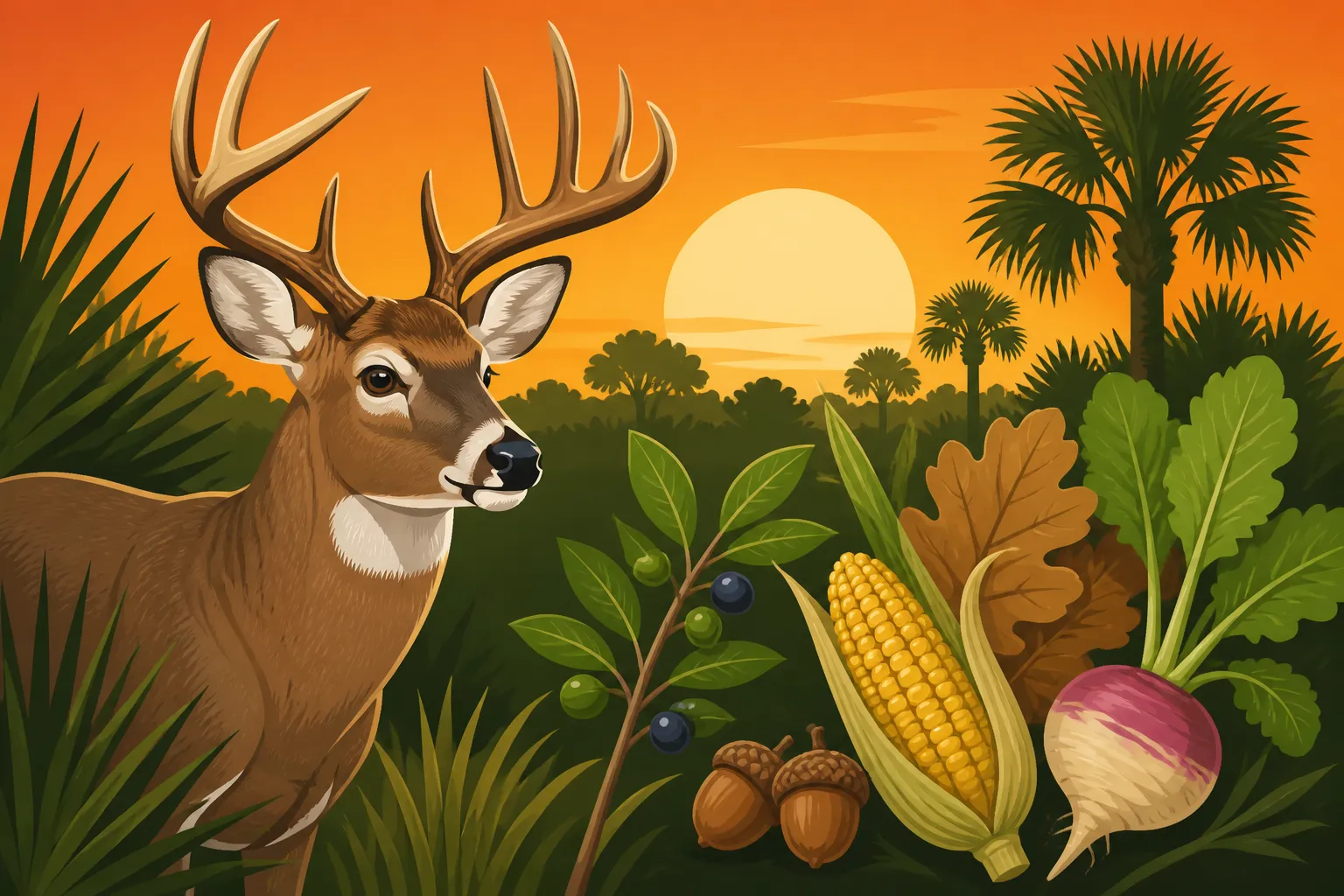
While the major acorn drop usually occurs in fall, it’s a myth that all acorns are gone by late season. Certain species of oaks, particularly those in the white oak family (like live oaks and white oaks if you're in the Panhandle), can have acorns that persist on the ground well into December and even January, especially in areas with deep leaf litter or where deer density is lower. These aren't just easy pickings; they're incredibly nutritious, packed with fats and carbohydrates that deer need to maintain energy through what little "cold" we get and to prepare for the upcoming spring fawning season.
The key to finding late-season acorns is scouting. Don't just look for mature oaks; focus on areas where the ground is less disturbed, perhaps along creek bottoms or in dense hammocks that don't see as much traffic. Deer will actively root through leaves and duff to find these hidden treasures. A tool like GoHunt's mapping software can help you identify different timber types, allowing you to narrow down areas with a higher concentration of oak species. Remember, even a small patch of forgotten acorns can be a powerful magnet, especially if it's nestled in a secure, overlooked spot. I've seen deer absolutely clean out a specific area under a live oak in January, long after I thought all the nuts were gone.
Cypress Swamp Edges and Associated Aquatic Plants
Many parts of Florida are defined by their wetlands, and these areas can become crucial food sources as the uplands dry out or get heavily pressured. Cypress swamps, sloughs, and marsh edges often retain moisture, which means vegetation there remains greener and more palatable later into the season. Deer will browse on aquatic grasses, sedges, and the new growth of certain woody plants found along the margins of these wet areas.
Consider hunting the transition zones where a cypress swamp meets drier ground. Deer will often bed in the security of the water and thick vegetation, only venturing out a short distance to feed. These are often less-pressured spots because they're harder for hunters to access. Look for tracks and browse lines where deer are entering and exiting the water. Even submerged vegetation can be an attraction, with deer wading in to access tender shoots. Learning to read the mud for fresh deer movement along these watery edges can tell you a lot about when and where deer are coming out to feed. Sometimes, the only thing keeping a deer fed in the late season is the sparse but consistent forage found right where the water meets the land. For more on navigating these areas, check out Hunting Florida Cypress Swamp Edges.
Cultivated and Managed Food Sources
While natural forage is the backbone of a deer's diet, certain cultivated crops and managed food plots can be absolute magnets in the late season, especially on private lands or some wildlife management areas that allow such practices. These offer a concentrated, high-quality food source that deer will travel for.
Green Fields and Winter Forages
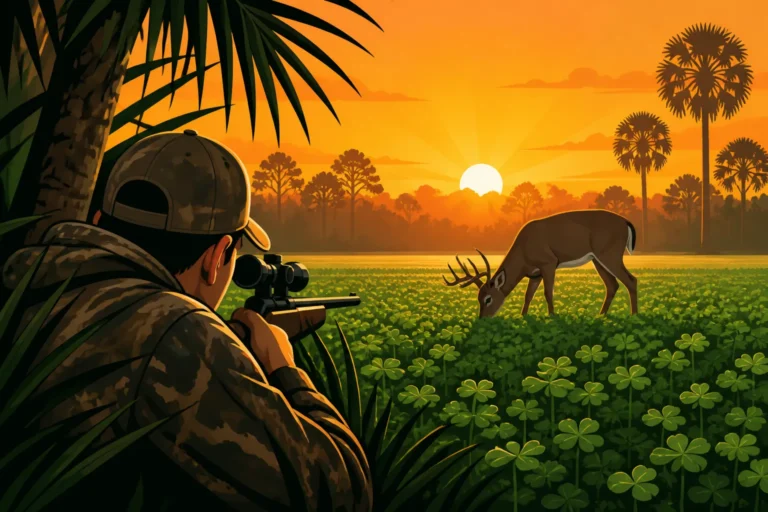
For those with access to private land or certain WMAs, planted food plots are designed to provide forage during these lean times. Popular choices in Florida for winter green fields include cool-season annuals like oats, wheat, rye, clover, and chicory. These plants thrive in cooler temperatures and offer highly nutritious, digestible browse when natural options are scarce. Deer are drawn to these plots like a moth to a flame, especially if they are well-maintained and offer a consistent food supply.
The key to successful late-season hunting over green fields is understanding deer movement to and from the plot, rather than just focusing on the plot itself. Deer will often wait until low light to enter, or they might feed heavily under the cover of night. Scouting the trails leading into and out of these plots, finding pinch points, and identifying bedding areas nearby is crucial. Using trail cameras on these plots can provide invaluable intel on deer activity times and travel routes. If you're Sitting a Food Plot in Late Season, consider an evening hunt, setting up downwind from the main travel corridor, not necessarily directly over the plot.
Agricultural Residues and Waste Grain
Florida, despite its image, has significant agricultural areas. Plantations of peanuts, soybeans, corn, and even some vegetable crops can leave behind considerable waste grain or plant material after harvest. For deer, these fields become a late-season buffet. Peanuts, in particular, are incredibly attractive due to their high fat and protein content. Deer will spend hours pawing through the soil to uncover leftover nuts.
These fields offer a huge caloric boost for deer, making them prime locations. If you have permission to hunt near active agricultural operations, scouting these fields after harvest is a must. Look for deer tracks, droppings, and areas where the ground has been disturbed by deer digging. Like green fields, these locations are often hunted under cover of darkness due to their open nature and the general wariness of late-season deer. However, during periods of overcast weather or just before dark, a mature buck might risk a quick meal. When Hunting a Standing Peanut Field, identifying the most heavily utilized sections and setting up on a downwind entry point can be highly effective.
| Food Source Type | Examples | Peak Availability | Late-Season Value | Hunting Strategy Considerations |
|---|---|---|---|---|
| Evergreen Browse | Live Oak, Palmetto, Wax Myrtle | Year-Round | Consistent, if lower quality | Hunt near thick cover, transition zones |
| Hard Mast (Leftover) | White Oak, Live Oak acorns | Fall-Early Winter | High energy, often hidden | Scout dense hammocks, undisturbed areas, creek bottoms |
| Wetland Forage | Aquatic grasses, sedges, cypress browse | Year-Round, more critical in dry periods | Persistent moisture, security cover | Focus on swamp edges, slough crossings, thickest cover |
| Green Fields | Oats, Wheat, Rye, Clover, Chicory | Late Fall-Winter | High nutrition, concentrated | Hunt entry/exit trails, evening, low light, downwind |
| Agricultural Residue | Peanuts, Corn, Soybeans | Post-Harvest-Winter | High calories, scattered | Scout heavily, identify travel routes to security cover |
The Critical Role of Water and Cover
While not strictly "food sources," water and security cover are inextricably linked to where deer will feed in the late season. A deer might find a patch of desirable forage, but if it's too far from water or too exposed to pressure, it won't be utilized during daylight hours. In Florida's typically mild winters, hydration is still paramount, and safety is always on a deer's mind.
Persistent Water Sources
Even in Florida, periods of dry weather can occur, especially in the late season. When natural depressions and temporary ponds dry up, deer become even more reliant on permanent water sources like creeks, rivers, and permanent ponds. These areas aren't just for drinking; they often hold greener vegetation along their banks, and the moisture itself can provide a thermal refuge on a surprisingly warm January afternoon.
Hunting near these reliable water sources can be incredibly effective. Deer will often travel along creek bottoms or follow the edges of ponds as they move between bedding and feeding areas. Look for well-worn trails leading to and from these spots. These are natural funnels. You might find a small patch of green browse or a few lingering acorns right near a water source, making it a double threat. For more on reading the land, consider how Reading Aerial Photos for Florida Deer can help you pinpoint these critical water features and potential travel corridors.
Dense Security Cover
As mentioned earlier, hunting pressure pushes deer into the thickest, nastiest cover they can find. This could be a dense palmetto head, a nearly impenetrable cypress swamp, a young pine plantation, or even a deep, brushy creek bottom. In the late season, deer will often bed down in these areas and only venture out a short distance to feed when they feel absolutely secure. Their late-season food sources, therefore, are often located either within this cover or immediately adjacent to it.
Successful late-season hunting means respecting this need for security. Instead of focusing solely on food plots, start thinking about the dense cover where deer spend their day, and then identify the closest available food source. Sometimes, the best strategy is to penetrate the edges of this cover, or to find a subtle travel corridor that offers a shot at a deer moving just shy of the open. Using a detailed mapping tool like GoHunt can help you identify these pockets of dense vegetation and plan your approach carefully, minimizing disturbance. Understanding Hunting Pressure on Florida Public Land is key to recognizing why deer prioritize these safe havens.
Disclaimer
Please note: Hunting regulations and seasons can change. Always consult the latest Florida Fish and Wildlife Conservation Commission (FWC) regulations before planning any hunting trip.