Sitting a Food Plot in Late Season
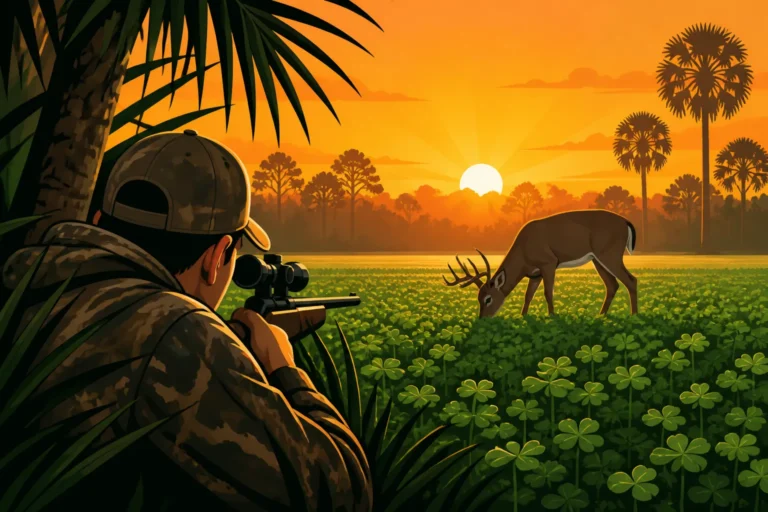
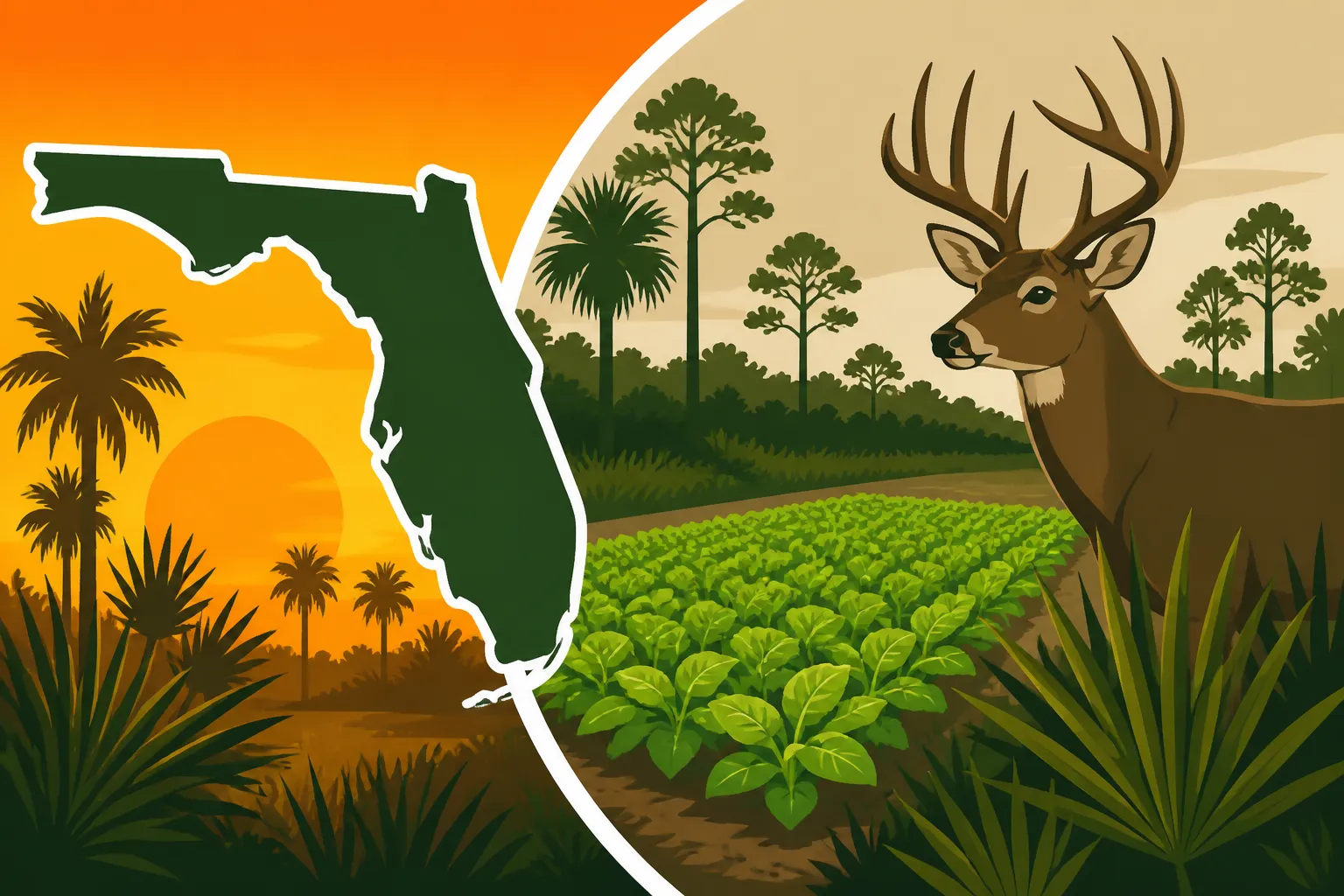
You've been grinding it out all season, haven't you? From the early archery days to the thick of rifle season, you've put in the time. Now, as the calendar inches towards those final weeks of deer season here in Florida, you might be noticing things have changed. Deer aren't as predictable, they've wised up to the pressure, and those once-hot food plots might seem pretty quiet. This guide is all about tackling those late-season challenges head-on, giving you the real-world strategies to make your food plot sits count when every opportunity feels precious.
Understanding Late Season Deer Behavior in Florida Food Plots
The late season in Florida is a different beast compared to the early weeks. Deer aren't just thinking about filling their bellies anymore; survival is paramount, and they've learned a lot about human patterns. What worked in October or November might just send them packing in December or January. To succeed, you have to think like them, adapting your strategy to their evolving needs and heightened wariness.
Impact of Hunting Pressure and Changing Food Sources
By late season, the deer have felt the pressure. They've dodged arrows, sidestepped bullets, and heard enough truck doors slam to know that humans mean trouble. This means they become largely nocturnal, moving under the cover of darkness and avoiding wide-open spaces during daylight hours. Food plots that were a magnet early on often see less daytime activity. They're still using them, for sure, but their visits are typically relegated to the dead of night, or during very specific, short windows at dawn and dusk, and often only when weather conditions are just right.
Furthermore, food sources change drastically. Early-season favorites like acorns, if they were abundant, are long gone. Lush green fields planted with oats, rye, or clover might be browsed down, or perhaps some of the more palatable brassicas are all that's left. The deer are focused on high-energy foods that help them recover from the rut and build up reserves, especially if a rare cold snap hits. This is where understanding Late-Season Food Sources for Florida Whitetails becomes incredibly important. They'll gravitate towards whatever offers the best nutrition with the least amount of perceived risk. Sometimes, it's not even the food plot itself, but the edges of it, or a secluded pocket of natural browse nearby, that gets the most daytime action. You might even find them hitting standing crops adjacent to plots if those are available.
Thermal Cover and Escape Routes Near Plots
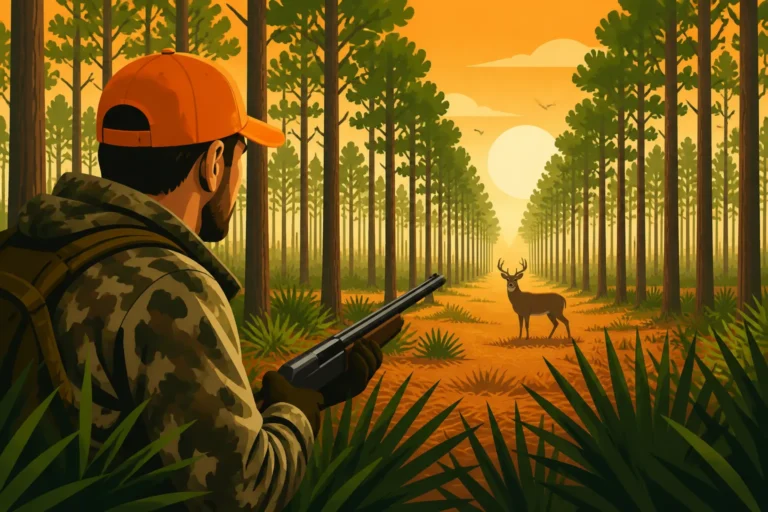
With increased pressure, deer aren't just looking for food; they're looking for security. They want to know that when they step into that food plot, there’s a quick escape route to thick cover. This means the prime spots in late season are often the plots, or sections of plots, that butt right up against dense palmetto thickets, cypress swamps, or heavy pine plantations. These areas provide both thermal cover from any colder weather and, more importantly, a sanctuary to bolt into at the first sign of danger.
When scouting for a late-season food plot setup, don't just look at the plot itself. Spend time studying the surrounding cover. Where are the bedding areas? Where are the natural funnels that lead from that bedding area to the food plot? Deer will often stage in these thick edges, browsing subtly for a while before committing to the open plot, especially during daylight. They'll also use these covers as strategic escape routes. If you push a deer off the plot, where does it go? Understanding these patterns is key to positioning yourself for a shot. Even small, overlooked thickets adjacent to a major food plot can become a late-season goldmine if they offer the deer the security they crave.
The Importance of Water Sources as the Season Dries
Florida's late season, particularly as you get into late December and January, can often be characterized by drier conditions. This means natural water sources that were plentiful earlier in the year might start to dry up. While food is still a primary driver, water becomes an increasingly important factor, especially for deer that are working to recover body condition after the rigors of the rut. A food plot located near a reliable water source – be it a pond, a creek, a seep, or even a low-lying area that holds moisture longer – can become a major attractant.
Deer need water daily, and if they can get food and water in the same general area, they’re far more likely to linger. This is particularly true if the journey to water is also buffered by good cover. When you're glassing a food plot or reviewing trail camera footage, keep an eye on how deer approach and depart, especially in relation to water. You might find a subtle trail leading from the back of your Hunting a Green Field Planted for Deer directly to a small pond or a slough that consistently holds water. These combined resources create an irresistible draw, potentially increasing the odds of seeing deer during legal shooting hours. Even if it's just a damp depression in the ground, in a dry spell, deer will utilize it.
Optimizing Your Setup for Late Season Food Plot Hunts
So, you've got a food plot, and you know deer are using it, even if it's mostly at night. The challenge now is to intercept them during legal hunting hours. This means your setup needs to be absolutely flawless. Every detail, from where you place your stand to how you walk into it, matters immensely when deer are on high alert.
Strategic Stand Placement and Concealment
Forget where you set your stand in October; late season demands a critical re-evaluation. With deer moving less freely in daylight and being extremely wary, your stand placement needs to be tighter, often closer to the expected entry points from cover. Look for those pinch points, funnels, or narrow strips of woods that separate bedding from the plot. Deer often skirt the edges of plots, especially the denser, more secluded sides, rather than parading through the middle.
Consider the sun's angle. In late season, the sun sits lower in the sky. If you're hunting an evening plot, you want to ensure the sun isn't at your back, silhouetting you for every deer entering the field. Conversely, a morning hunt might benefit from the sun in the deer's eyes as they approach. Think about your backdrop – is there enough cover behind you to break up your outline? A lone tree in a sparse patch of woods won't cut it. You need dense foliage or a dark background to disappear into. This is where a ground blind can really shine if you can effectively brush it in along a field edge. Remember to consider Using a Ground Blind on Florida Public Land or even on private land, as it offers unparalleled concealment, especially if it's been in place for a while and deer are accustomed to it. The key is to minimize your profile and blend seamlessly into the environment.
Mastering Entry and Exit Routes
This is arguably the most critical component of successful late-season food plot hunting. If your entry or exit spooks deer, you've not only ruined that hunt but potentially educated those deer about that specific food plot for weeks to come. Deer are on high alert, and any disturbance, scent, or sound will send them packing. Your goal is to approach and depart undetected.
- Entry: Plan your route to avoid walking through or directly across areas where deer might be bedding or staging. Use natural terrain features like ditches, creek beds, or dense tree lines for cover. Walk away from the plot initially, if necessary, to circle around and approach from a less intrusive angle. Always approach with the wind in your favor, ideally with the wind blowing your scent away from the plot and any likely deer activity. Move slowly and deliberately, minimizing noise. Early morning hunts mean getting in well before first light, so you're settled and quiet before deer start moving.
- Exit: This is often where hunters make mistakes. Don't simply bail out of your stand at dark if deer are in the plot. If you do, you'll spook them, and they'll associate that plot with danger. If deer are feeding, you might need to wait an extra 30 minutes to an hour after legal shooting light, letting them clear out before you make your move. Sometimes, it's better to stay put, accept you might not get a shot, and ensure your presence doesn't compromise future hunts. A stealthy exit is just as important as a stealthy entry. Thinking about Wind and Thermals in Flat Florida Terrain is absolutely crucial here, as even a subtle shift can betray your presence.
Scent Control and Wind Awareness
In Florida's often warmer late-season conditions, scent control is paramount. Deer's noses are their primary defense, and they will bust you every single time if your scent drifts into their zone. This isn't just about scent-eliminating sprays, though they can help. It's about a comprehensive approach:
- Cleanliness: Wash your hunting clothes in scent-free detergent, and store them in airtight containers or bags away from household odors. Shower with scent-free soap before a hunt.
- Gear: Clean your boots, stand, and other gear. Even the oil from your hands on your bow or rifle can leave a detectable scent.
- Wind Direction: This is your number one tool. Always, always, always hunt with the wind in your favor. If the wind isn't right for your chosen stand, don't hunt it. It's that simple in late season. Deer will inevitably try to circle downwind before entering a plot, so anticipate this. Use tools like
GoHunt(or other mapping apps) to predict wind direction and plan your approach accordingly. A mapping application can show terrain features that might influence local air currents, giving you an edge. - Thermals: In flat Florida terrain, thermals might not be as pronounced as in mountainous regions, but they still exist, especially around cypress sloughs or changes in elevation, no matter how subtle. In the mornings, air tends to flow downhill or into lower areas, while in the evenings, it rises. Understand how these subtle air currents might carry your scent, even on a seemingly calm day.
Advanced Tactics for Pressured Deer on Food Plots
Just sitting and waiting might not be enough when deer are heavily pressured. Sometimes you need to give them a little extra nudge to bring them into range or to encourage them to show themselves during daylight. These advanced tactics, when used correctly, can make all the difference.
Decoy Usage and Calling Strategies
While not always conventional for food plot hunting, carefully employed decoys and calling can sometimes tip the scales in your favor, especially with late-season deer.
- Decoys: A single doe decoy, positioned at the edge of the food plot where deer are likely to enter, can sometimes calm wary deer. They see another deer already feeding, which can reassure them that the area is safe. During the late pre-rut or secondary rut phases (which can sometimes occur in Florida's late season), a small buck decoy might also draw in a curious or dominant buck looking for competition. Place decoys facing away from your likely shot direction; deer often approach a decoy from the front or side to assess it. Make sure your decoy is well-camouflaged and not shimmering in the sun, which can look unnatural.
- Calling: Late season isn't typically prime time for aggressive calling, but subtle vocalizations can still be effective. Soft doe bleats or fawn bleats can pique curiosity, especially if a doe is bringing yearlings to the plot. If you know there's a buck in the area that's still chasing, a very light rattling sequence or a soft grunt might draw him in, especially during those rare moments when
The Florida Rut Peaks by Zonefor a secondary cycle. Always start subtle and gauge the deer's reaction. Overcalling will likely scare off wary late-season animals. Remember, the goal is to sound natural and non-threatening. When you're in anOak Hammock, the sound carries differently than in wide-open pine flatwoods, so adjust your volume accordingly.
Timing Your Hunts for Peak Activity
You can't just hunt all day, every day in late season and expect success. It's often about picking your moments. Deer movement, especially in daylight, becomes highly sensitive to external factors.
- Weather Fronts: Pay close attention to weather forecasts. A sudden cold front pushing through, even a mild one by northern standards, can ignite deer movement in Florida. The day before a front, or right as one is moving in, often sees increased activity as deer feed heavily in anticipation of changes. The first morning after a cold front can also be excellent, as deer stretch their legs and seek out calories. These are the days you absolutely must be in your stand. Thinking about Hunting Deer After a Cold Front is crucial for maximizing your late-season efforts.
- Barometric Pressure: A rising or stable high-pressure system, often associated with clear skies and cooler temperatures, can be ideal. Dropping pressure often corresponds with decreased movement. Monitor this closely.
- Moon Phases: While debated, some hunters swear by certain moon phases influencing deer movement. Pay attention to your own observations with Trail Camera Rules on Florida Public Land or private land to see if there are patterns in your specific area.
- Mid-Day Movement: Don't automatically write off mid-day. While deer are largely nocturnal, if a good food plot is close to dense bedding cover, a mature buck might occasionally slip out for a quick, cautious bite between 10 AM and 2 PM, especially on a dreary, overcast day or following a period of intense cold. These brief windows can be your best chance for a truly mature, pressured buck. This requires a dedicated Hot-Weather Sitting Strategy in Florida because even in winter, Florida can be warm.
Utilizing Trail Camera Data Effectively
Trail cameras are invaluable tools for late-season hunting, providing crucial intelligence without putting pressure on the deer. However, you need to use them smartly.
- Intel Gathering: Don't just check cameras randomly. Use them to identify when deer are using the food plot, how they are entering and exiting, and which deer are still showing up. Look for patterns related to weather, time of day, and specific travel corridors. Wireless cameras can be a game-changer, allowing you to get real-time intel without having to physically visit the camera site and spread your scent.
- Placement: In late season, consider placing cameras deeper into the cover, on trails leading to the food plot, rather than directly on the plot itself. This can reveal staging areas or the exact moment deer emerge. Focus on pinch points and funnels that deer have to use to get to the food.
- Minimizing Disturbance: When you do check cameras, treat it like a mini-hunt. Go in during the middle of the day, when deer activity is at its lowest. Use full scent control. Get in, get the cards (or check wirelessly), and get out as quickly and quietly as possible. Every visit is a potential disturbance that could educate your target deer. This is where tools for Reading Aerial Photos for Florida Deer come in handy, allowing you to plan the least intrusive route to your camera. Programs like GoHunt's mapping features can help you identify these subtle access points and understand property lines without stepping foot on the ground unnecessarily, reducing your footprint.
Common Mistakes and How to Avoid Them
Even the most seasoned hunters can fall into traps when hunting late season food plots. Recognizing these common pitfalls and actively working to avoid them will drastically improve your success rate.
Overhunting and Educating Deer
The single biggest mistake hunters make in late season is overhunting a spot. When you've only got a few weeks left, and you know a big buck is using a particular food plot, the temptation to hunt it every single day, or for every possible sit, is enormous. Resist it! Every time you walk into that stand, every time your scent gets blown, every time you make a noise, you're educating those already wary deer.
- Rest Periods: Implement a strict rest period for your prime late-season food plot spots. If you hunt a morning, consider letting it sit for at least 2-3 days, or even a week, especially if you had any close calls or felt like you pressured deer. This allows the deer to settle back into their routines and regain a sense of security.
- Multiple Setups: The best strategy is to have multiple stand or blind locations around a single food plot, or even on different food plots, that can be hunted effectively with varying wind directions. This allows you to choose the perfect setup for the prevailing conditions without putting pressure on a less-than-ideal spot. If the wind isn't right for your primary spot, go to a secondary location or don't hunt at all.
Ignoring Weather and Barometric Pressure
Florida's weather is notoriously unpredictable, even in "winter." One day it's 75 degrees and humid, the next it's a "cold front" with temps in the 40s. Ignoring these shifts and their impact on deer movement is a recipe for frustration. As discussed earlier, sudden drops in temperature, especially coupled with a rising barometer, can trigger intense feeding activity. The day before a storm front, as pressure is dropping, can also be surprisingly good.
- Daily Monitoring: Don't just check the forecast once a week. Check it daily, even hourly. Look for shifts in wind, temperature, and especially barometric pressure trends. Use hunting apps that integrate this data to help predict peak movement times.
- Adaptability: Be ready to adapt your plans on the fly. If an unexpected cold snap hits mid-week, drop everything (if possible) and get out there. These are often the brief, golden windows of opportunity that late season offers. Similarly, if the forecast calls for a sustained warm spell, be realistic about daytime movement and perhaps focus on those very short, low-light periods. Hunting a Florida Green Swamp Slough can be particularly productive after a cold snap, as deer will often move to higher, drier ground around the edges.
Neglecting Secondary Food Sources
While food plots are designed to be major attractants, putting all your eggs in one basket can be a mistake in late season. Pressured deer, especially mature bucks, might avoid the main plot entirely during daylight, preferring safer, less exposed natural food sources nearby.
- Scout Natural Browse: Spend time scouting the edges of your food plot, the surrounding timber, and even nearby swamps or hammocks for natural browse that deer might be hitting. This could be green briar, muscadine vines, certain fungi, or even late-dropping acorns (though rare by late season). Sometimes, a small, overlooked natural food source provides just enough to attract a buck who feels too exposed on the main plot. Finding Sign in a Florida Oak Hammock can reveal these subtle feeding patterns.
- Transition Areas: Look for transition areas between thick bedding cover and your food plot. Deer will often utilize these "staging areas" to browse cautiously before committing to the open. Setting a stand in one of these transition zones, even if it's 50-100 yards off the main plot, might offer a better chance at a daylight encounter with a wary buck than sitting directly on the wide-open food plot itself. Remember, these deer are trying to survive, and security often trumps convenience.
By focusing on these detailed strategies and avoiding common missteps, you can turn those challenging late-season food plot hunts into genuine opportunities. It requires patience, meticulous planning, and a deep understanding of Florida's whitetails, but the reward of a late-season buck is truly special.
Disclaimer
Please note that hunting regulations, license requirements, and season dates can change. Always consult the latest Florida Fish and Wildlife Conservation Commission (FWC) regulations before planning any hunting activity. This guide is for informational purposes only and does not supersede official FWC guidelines.