Handling Venison From a CWD Surveillance Zone
It’s a tough reality to face when you’ve successfully harvested a beautiful Florida deer, only to realize you might be operating within a Chronic Wasting Disease (CWD) surveillance zone. The excitement of the hunt can quickly turn to anxiety and confusion about what you’re allowed to do with your venison. This guide is here to cut through the noise, offering clear, actionable steps on how to responsibly handle your deer and its meat, ensuring you comply with all Florida Fish and Wildlife Conservation Commission (FWC) regulations and keep both wildlife and human health in mind.
Understanding Chronic Wasting Disease and Florida's Response
Chronic Wasting Disease (CWD) is one of those topics that can send shivers down a hunter's spine, and for good reason. It’s a serious issue that demands our attention and adherence to guidelines to protect Florida's wild deer population.
What is Chronic Wasting Disease?
Chronic Wasting Disease is a progressive, fatal neurological disease affecting cervids, which include deer, elk, and moose. It's caused by abnormal proteins called prions, not bacteria or viruses, which makes it particularly challenging. These prions accumulate in the brain and other tissues, causing characteristic symptoms like drastic weight loss (wasting), stumbling, listlessness, and other neurological signs. Infected animals might also appear droopy, walk in repetitive patterns, or show excessive salivation. The disease is highly contagious and can be transmitted directly through animal-to-animal contact or indirectly through environmental contamination from urine, feces, or saliva of infected animals. The really tricky part about CWD is that it can lie dormant for a long time before symptoms appear, making early detection and containment incredibly difficult. While there's no known evidence of CWD infecting humans, health agencies like the CDC and WHO recommend not consuming meat from animals confirmed to have CWD, as a precautionary measure.
Florida's CWD Surveillance Zones and Regulations
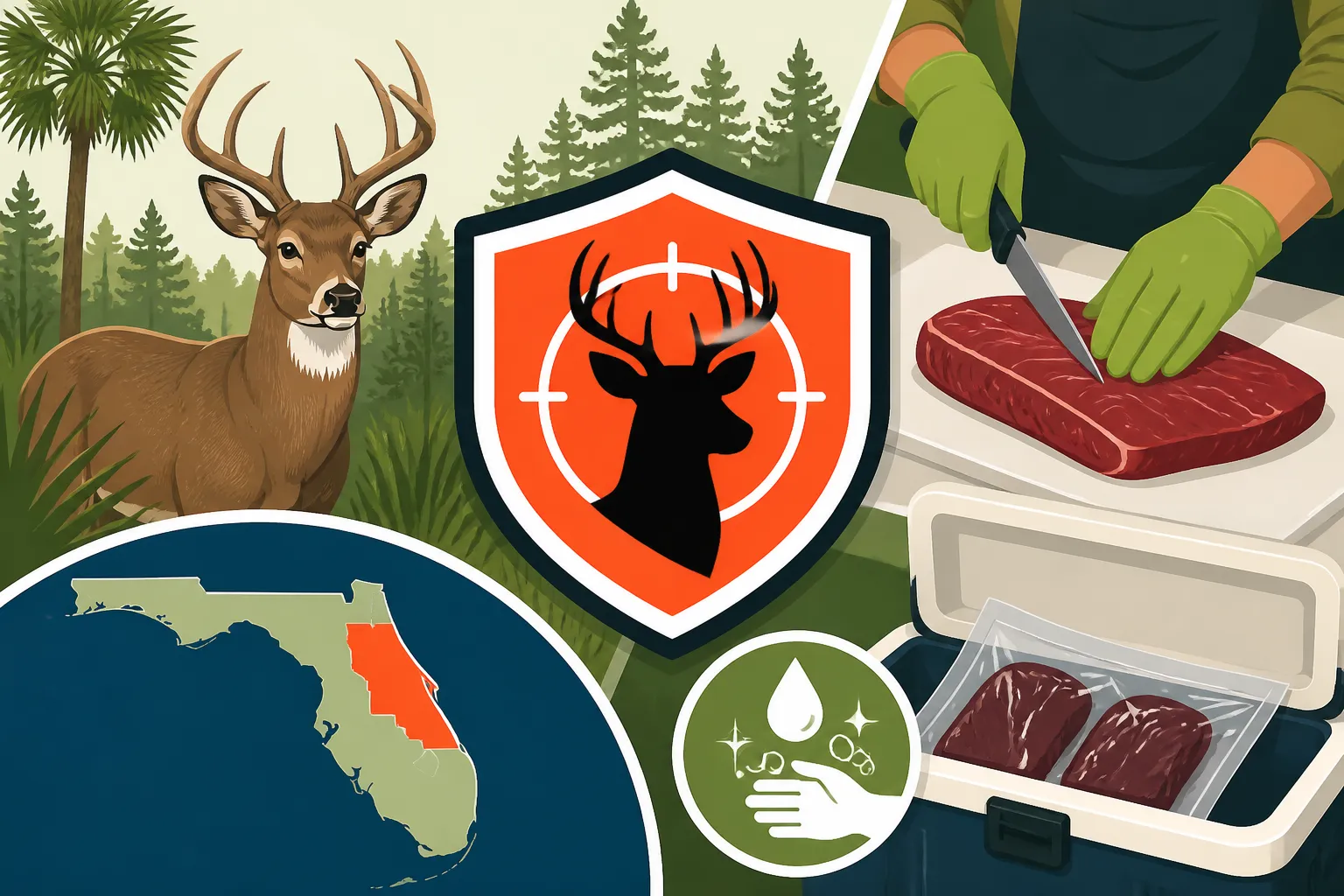
Florida has been incredibly proactive in its CWD surveillance efforts for years, but the game changed with the unfortunate discovery of a single confirmed CWD case in Holmes County in 2023. This discovery immediately triggered the establishment of a CWD Management Zone (CMZ), which includes parts of Holmes, Washington, and Jackson counties. This wasn't a knee-jerk reaction; it's part of a robust, long-standing Florida's Deer Disease Monitoring Program designed to protect our precious deer herd.
The FWC swiftly implemented specific regulations within this zone to prevent further spread. These rules are crucial for hunters to understand, as they dictate everything from how you can process your deer to what parts you can legally transport. It’s not just about compliance; it’s about being a responsible steward of our wildlife. Knowing Florida's CWD Management Zone Boundaries is your first critical step before even heading into the woods. These zones are regularly reviewed and updated by the FWC, so staying current with the latest information is paramount, and resources like the official FWC website or even hunting apps like GoHunt can be invaluable for real-time updates on regulations and zone changes.
Best Practices for Field Dressing in a CWD Zone
Field dressing your deer is often a celebrated, almost ritualistic part of the hunt. But when you’re in a CWD surveillance zone, it suddenly carries a lot more responsibility. It's not just about getting the meat cooled quickly; it's about meticulous care to prevent potential spread.
Minimizing Risk During Field Dressing
The key to field dressing in a CWD zone is minimizing the potential for spreading infectious prions. This starts with preparation. Always bring and wear disposable gloves, and if possible, change them after handling internal organs. The most critical tissues known to harbor CWD prions are the brain, spinal cord, lymph nodes, eyes, spleen, and tonsils. When field dressing, exercise extreme caution to avoid cutting into these areas.
Focus on a clean evisceration, removing only the digestive and respiratory organs. Try not to sever the spinal column, and avoid any unnecessary contact with brain tissue if the skull is damaged. Once you’ve removed the entrails, they should be left at the kill site within the CWD zone. This is a primary FWC directive: do not transport these high-risk parts out of the designated zone. If you need to refer to more general advice on Field Dressing a Deer in Hot Weather, remember to also layer in these CWD-specific precautions.
Transporting Carcasses Out of the Zone
This is where many hunters face confusion, and rightly so. The FWC has very specific rules about what parts of a deer harvested within a CWD zone can leave that zone. These regulations are designed to prevent the physical movement of potentially infected tissues to unaffected areas.
Generally, only the following parts are permitted to be transported out of a CWD Management Zone:
- Deboned Meat: This is the safest and most widely accepted form. All muscle tissue completely free of bone, brain, spinal cord, and other nervous system tissue.
- Clean Hides: Hides are generally allowed, but they must be free of any head or spinal column material.
- Skull Plates: If you want to keep the antlers, the skull plate (the part of the skull the antlers are attached to) is usually allowed, but it must be completely cleaned of all brain tissue, eyes, and other soft tissues.
- Finished Taxidermy Products: Once a taxidermist has fully processed and cleaned a mount, it's generally safe to transport.
- Teeth: Individual teeth, often taken for aging purposes, are usually fine.
What this means for the average hunter is that if you harvest a deer in a CWD zone and plan to take it home outside that zone, you're going to be doing some serious butchering in the field or at a temporary processing station within the zone. You can't just throw the whole deer in the back of your truck and drive off. This rule about Moving a Deer Carcass Out of a Surveillance Zone is non-negotiable and crucial for preventing CWD spread.
Processing and Consuming Your Venison Safely
Once you’ve successfully navigated the field dressing and transport rules, the next step is processing your venison. Even if you've followed all the CWD protocols, there are still best practices to ensure your meat is handled safely and responsibly.
Home Processing and Butcher Shop Considerations
Whether you're a seasoned home butcher or prefer to take your deer to a professional, CWD zones add another layer of consideration. If you're processing at home, set up a dedicated workspace that can be thoroughly cleaned and disinfected afterward. Use separate knives, cutting boards, and gloves for game meat if you also process other foods. Focus on deboning the meat entirely, removing all lymph nodes and nervous system tissues that might remain. Be meticulous with your cuts. Afterwards, all surfaces and tools should be cleaned with a bleach solution (1 part bleach to 9 parts water) or a strong commercial disinfectant that has been proven to deactivate prions.
If you choose to use a professional butcher, it’s absolutely vital to inform them that your deer was harvested from a CWD Management Zone. Ask about their protocols for handling game from these areas. Do they have dedicated equipment or separate processing lines? How do they handle and dispose of remaining carcass parts? Many reputable butchers will be upfront about their capabilities and may even offer specific services or refuse deer from CWD zones to protect their other clients and their business. Companies that operate mapping services like GoHunt might also provide information on local processors and their specific CWD policies, which can be incredibly helpful when planning your hunt. Remember, effective Butchering a Deer at Camp requires thinking through these steps well in advance.
When and How to Get Your Deer Tested
The FWC actively encourages or, in some cases, mandates CWD testing for deer harvested within or near a CWD Management Zone. This is a key part of their CWD Testing for Florida Hunters strategy. Testing involves taking specific samples, usually from the brainstem or lymph nodes, and submitting them to an FWC collection station.
You can find official Finding a Florida CWD Sampling Location by checking the FWC website or using their mobile app. These stations are typically staffed during peak hunting seasons, and you’ll need to provide information about where and when the deer was harvested. The FWC laboratory then processes these samples.
While waiting for test results, which can take several weeks, it’s strongly recommended that you hold off on consuming the venison, especially if the deer appeared sick or was harvested from the core CWD area. Store the meat properly frozen. If the test comes back positive, the FWC will provide guidance on safe disposal. If it's negative, you can enjoy your venison with peace of mind. Participation in these testing programs is critical for understanding the prevalence and spread of CWD in Florida and helps the FWC refine its management strategies, contributing to the long-term health of the Florida Deer Herd Size.
Responsible Disposal of Carcass Parts
After all the processing is done, you’re left with bones, hide, and other non-meat parts. Proper disposal is just as crucial as proper processing, especially when dealing with a CWD surveillance zone harvest. Incorrect disposal can inadvertently spread prions into the environment, where they can persist for years and infect other deer.
Proper Disposal Within the CWD Zone
If you’ve done your initial field dressing or even more extensive butchering within the CWD Management Zone, the FWC's guidance is clear: all high-risk carcass parts must remain within the CWD zone. This includes brains, spinal columns, lymph nodes, eyes, spleen, and tonsils. The best practice is to leave these parts at the harvest site, allowing natural decomposition. If leaving them at the kill site isn't feasible or appropriate (e.g., near public trails or residential areas), deep burial within the CWD zone is another option, ensuring they are not accessible to scavengers or other deer. Never dispose of these parts in public landfills outside the zone or simply toss them along a roadside.
Disposing of Parts Outside the Zone
Let's say you transported deboned meat out of the CWD zone, and you’ve finished your home processing elsewhere. You might still have bones, hide, or other low-risk parts that were brought out. Even these parts, while not considered high-risk for prions, should be disposed of responsibly. The FWC generally recommends double-bagging these materials and disposing of them in a lined landfill or by incineration if allowed. The goal is to prevent any potential environmental contamination, however small the risk. Remember, the collective effort of every hunter in adhering to these guidelines is what ultimately protects Florida's cherished wildlife resources. For general information on hunter obligations, topics like The Florida Deer Reporting Deadline can offer insight into the broader regulatory framework.
Here's a quick reference for venison transport:
| Carcass Part | Allowed for Transport Out of CWD Zone? | Notes |
|---|---|---|
| Deboned Meat | Yes | Must be completely free of bone, brain, spinal cord, or other nervous system tissue. |
| Clean Hides | Yes | Must be free of any head or spinal column material. |
| Skull Plates with Antlers | Yes | Must be completely cleaned of all brain tissue, eyes, and other soft tissues. |
| Finished Taxidermy Products | Yes | Once fully processed and cleaned by a taxidermist. |
| Teeth | Yes | Individual teeth. |
| Whole Carcasses (unprocessed) | No | Absolutely prohibited. |
| Brain, Spinal Cord, Lymph Nodes, Spleen | No | High-risk tissues; must remain within the CWD zone of harvest. |
| Head (uncleaned) | No | No brain or eye tissue allowed to leave the zone. |
This table provides a concise overview of what you can and cannot transport. Always cross-reference with the latest FWC regulations, which are subject to change based on new scientific information or CWD detections. Staying informed is your best defense against inadvertently contributing to CWD spread.
Disclaimer
This article is intended for informational purposes only and does not constitute legal advice. Hunting regulations, especially concerning Chronic Wasting Disease (CWD) surveillance zones, are subject to change. Always consult the most current regulations published by the Florida Fish and Wildlife Conservation Commission (FWC) or other relevant state agencies before engaging in any hunting activities or making decisions about venison handling. Adherence to official guidelines is crucial for legal compliance and wildlife conservation.