Hunting a CRP Field Edge at First Light
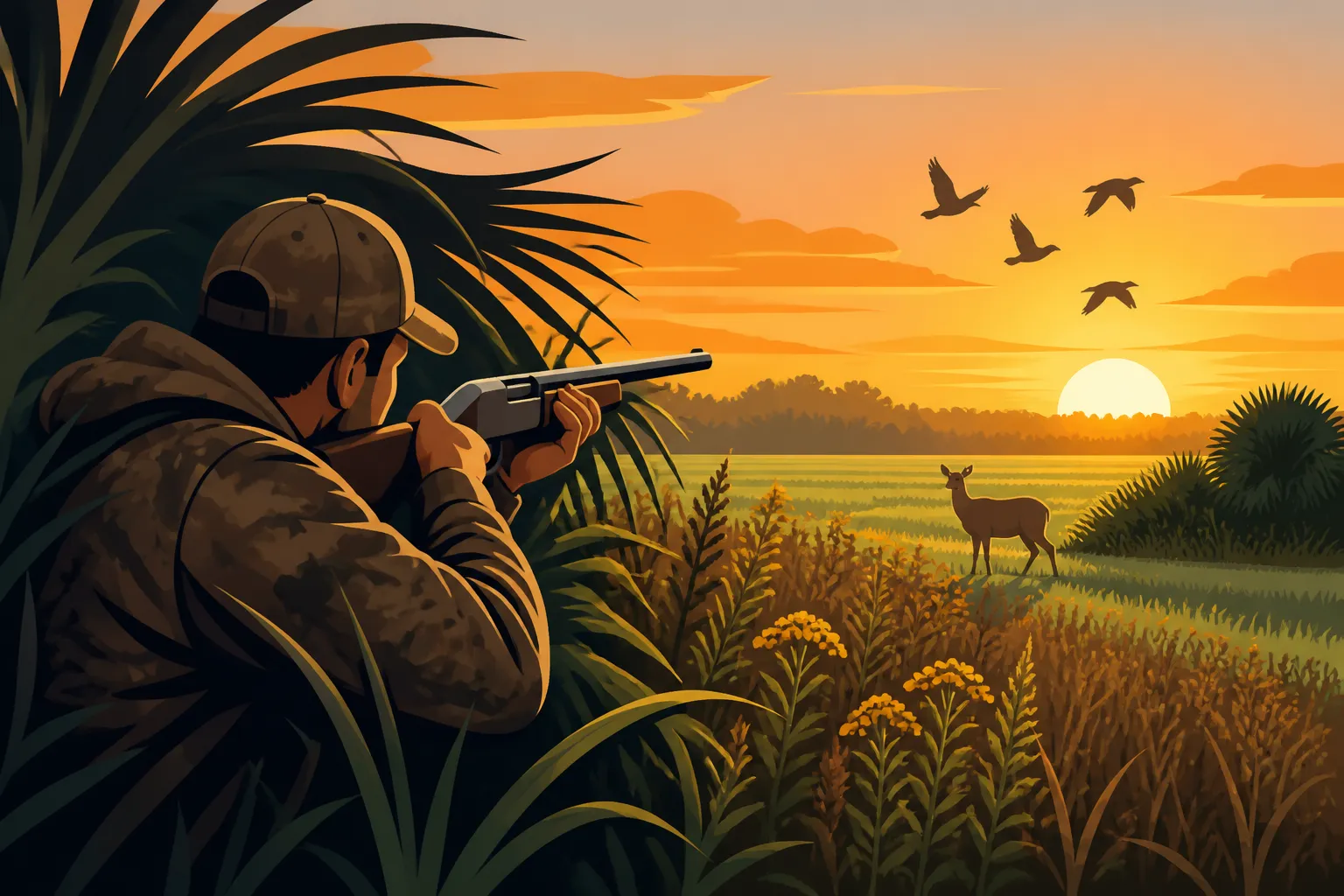
There's a special kind of frustration that comes with staring at a vast expanse of CRP (Conservation Reserve Program) field, knowing full well it's loaded with deer, but feeling completely lost on how to effectively hunt its edges, especially during those magical, fleeting minutes of first light. It's not like hunting a clear-cut where movement is obvious, or a dense swamp where you're crawling through thick stuff. CRP presents its own unique challenges, making it tough to pinpoint where a ghost-like buck might materialize. This guide aims to clear up that confusion, offering practical, boots-on-the-ground strategies for confidently hunting a CRP field edge at first light in Florida.
Unpacking the Allure of CRP for Florida's Whitetails
Before you can effectively hunt a CRP field, you really need to understand why deer are drawn to it in the first place, particularly in the unique Florida landscape. It’s not just random tall grass; it’s a designed habitat that offers specific benefits.
What Exactly is CRP and Why Deer are OBSESSED With It
For those unfamiliar, the Conservation Reserve Program (CRP) is a federal program that incentivizes private landowners to convert environmentally sensitive cropland into long-term vegetative cover, typically native grasses, wildflowers, and other forbs. In Florida, this often translates to dense stands of switchgrass, bluestem, native broadleaf plants, and even some scattered palmettos or small pines, all growing thick and tall – often waist-high or higher.
Now, why are Florida whitetails absolutely obsessed with this habitat? It's simple: security and sustenance. In many parts of Florida, especially where hardwoods are less common or where logging operations have opened up the canopy, thick CRP provides some of the densest, most impenetrable cover available. Deer feel incredibly safe hunkered down in this stuff, protected from predators (including us hunters!) and shielded from the harsh Florida sun or chilly winter winds. They can vanish into a CRP field and seemingly disappear off the face of the earth. For a deer trying to avoid detection, a well-established CRP field is like a five-star hotel with a built-in alarm system.
The Double Whammy: Forage and Sanctuary
What makes CRP even more attractive than just plain thick cover is its dual role as both a primary bedding area and a significant food source. While we often think of deer heading to food plots or oak hammocks for dinner, CRP fields themselves are often brimming with native forbs and tender young shoots that deer will readily browse. This is especially true at first light, as deer are often slowly transitioning out of their bedding areas and grabbing a quick bite before heading to more open feeding grounds, or they might be staging just inside the edge, waiting for the cover of darkness to fully dissipate.
Imagine a buck that's spent the night browsing a green field adjacent to the CRP. As dawn approaches, his natural instinct is to retreat to the safety of that dense cover. He'll likely skirt the edge, perhaps nibbling on a few preferred plants as he makes his way back into the heart of the CRP to bed down for the day. Conversely, a deer bedded deep in the CRP might slowly work its way to the edge at first light, peering out cautiously before committing to an open field or travel corridor. Understanding this push-pull dynamic is crucial for anticipating their movements and setting up effectively. The thick structure of CRP also provides crucial thermal cover, keeping deer cooler in our typically hot and humid Florida climate, allowing them to conserve energy.
Becoming a CRP Edge Detective: Scouting for First-Light Deer
You can't just walk up to a CRP field and expect to find success. It requires a keen eye and a strategic approach to scouting, especially when you're targeting those fleeting moments right at dawn.
Decoding the Subtle Clues Along the Edge
Deer rarely just pop out into the wide open. They are creatures of habit and caution, and they will use every bit of cover to their advantage. When scouting a CRP edge, you’re looking for subtle highways and intersections, not superhighways. Focus on where the CRP meets a distinct change in habitat, such as a treeline, a creek bottom, a fence line, or even a different crop field. These transition zones are gold.
Look for faint, barely discernible trails leading into the CRP from the adjacent cover. These aren't always well-worn paths; sometimes it's just a slight depression in the taller grass or a few bent-over stalks. Pay close attention to corners or narrow fingers of CRP that extend into timber. These are natural funnels where deer movement becomes more concentrated. You might find rubs or scrapes just inside the treeline where a buck has staged before stepping out. Fresh droppings along these edges are another undeniable sign of recent activity. Remember that in Florida's sandy soil, even a faint track can be a fresh one. This intensive scouting will give you a significant advantage, helping you identify where deer are most likely to enter or exit that thick cover. It pays to know how deer utilize different cover types, and sometimes what you find while Finding Sign in a Florida Oak Hammock can clue you into movement patterns near a CRP edge as well.
Leveraging Technology: Your Digital Scouting Partner
In today's hunting world, our phones and computers are powerful scouting tools. Before you even set foot on the property, use aerial mapping applications to get a bird's-eye view of the CRP field and its surroundings. This is where a robust mapping platform really shines. Tools like the GoHunt app, for example, can show you detailed aerial imagery that reveals subtle changes in vegetation density within the CRP itself, old logging roads that might be hidden travel corridors, and even small fingers of timber or brush that extend into the field, acting as natural ambush points.
You can virtually scout pinch points where the CRP narrows between two woodlots or where a creek cuts through, forcing deer to cross at specific locations. Identify potential bedding areas within the CRP—often the densest, most central parts—and then trace likely travel routes to adjacent food sources or water. Don't underestimate the power of Reading Aerial Photos for Florida Deer to plan your approach and exit routes, ensuring you don't inadvertently spook game before you even get settled. Use these digital maps to mark potential stand sites, plan your approach paths, and identify fallback options.
Your Silent Approach: Planning Morning Entry and Exit Routes
This is perhaps the most critical, yet often overlooked, aspect of hunting a CRP edge at first light. If you stomp through a field or blow your scent across the anticipated deer movement area on your way to your stand, your hunt is over before it begins. Deer are most vulnerable and active at dawn, but they are also incredibly alert.
Your entry route must be meticulously planned to be as silent and scent-free as possible. Look for routes that utilize existing cover, like a ditch, a fenceline with tall brush, a dense treeline, or even a creek bed. Always consider the wind direction for both your entry and your actual hunt. If the wind is blowing directly into the CRP where you expect deer to be, find another route or another stand. Sometimes, the best entry might mean taking a much longer, circuitous path to get to your setup undetected. Practice walking these routes in the dark or low light during scouting trips so you know exactly where you're going and what obstacles you might encounter. Understanding Entry Routes Through a Florida Food Plot can also give you insights into how deer respond to human pressure and how to minimize your impact.
| Factor | Ideal CRP Edge Characteristics for First Light | Avoid If Possible |
|---|---|---|
| Location | Corner, bottleneck, finger of cover, pinch point | Wide, open, undifferentiated edge |
| Deer Sign | Fresh tracks, droppings, rubs/scrapes along edge | No fresh sign for several days |
| Wind | Blowing across your back into the open field, or parallel to your shooting lane, away from deer movement | Blowing directly into the CRP or across your approach path |
| Access | Hidden approach using ditches, dense cover, long routes | Walking directly across open ground |
| Neighboring | Food plots, water sources, dense timber bedding | Other CRP fields, open pasture |
Deciphering First-Light Tactics for Florida's CRP
Once you've done your homework scouting, it's time to put a plan into action. First light in Florida often means working with rapidly changing light, rising temperatures, and the need for extreme stealth.
Stand Placement: The Art of the Ambush
Where you set up along a CRP edge is paramount. Forget sitting right on the fence line in the wide open; that’s a rookie mistake. Instead, consider these refined strategies:
- Inside the Treeline: Often, the most effective spot is 15-20 yards inside the treeline that borders the CRP. This gives you cover, breaks up your silhouette, and allows you to shoot both into the CRP as deer emerge and into the open field if they commit. It also gives you a slight elevation advantage if you're in a treestand, allowing you to see over the top of the CRP grass rather than just into it. For public land hunting, using a lightweight portable stand or a carefully brushed-in ground blind can be highly effective. For example, knowing the rules for Using a Ground Blind on Florida Public Land can help you determine the best way to set up legally and effectively.
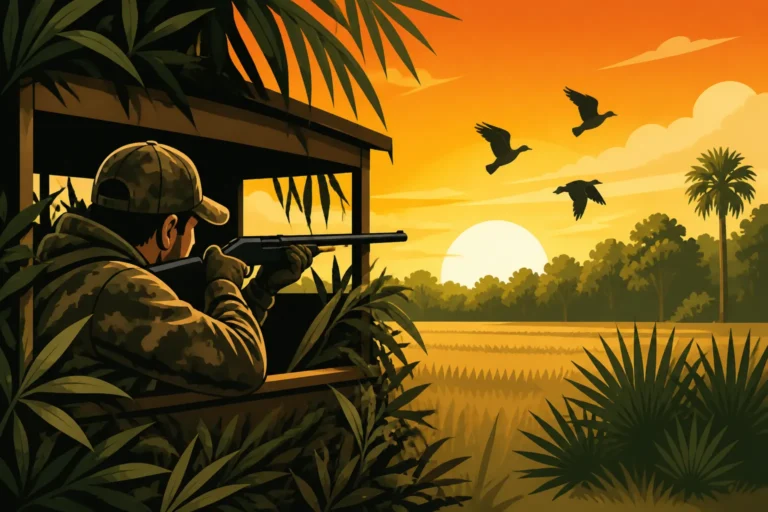
- Ground Blind Advantages: Ground blinds are excellent for CRP edges. They offer superb concealment, allow for movement, and are great for keeping your scent contained, especially when dealing with those swirling Florida morning thermals. Position your blind so you have clear shooting lanes into the CRP and any adjacent travel corridors. A dark background (like a dense patch of palmettos or a thick oak) behind your blind will help it blend in even better.
- Sun and Wind: Always position yourself so the rising sun is not in your eyes and, ideally, not directly behind you, silhouetting you. The wind, as always, is king. Ensure your scent is blowing away from where you expect deer to emerge from the CRP. Even a slight shift in a morning breeze can make or break your hunt, so pay attention to how the wind changes as the sun rises, especially in Florida's generally flat topography, which can lead to unpredictable air currents. This makes understanding Wind and Thermals in Flat Florida Terrain incredibly important.
The Patience Game: Low-Light Optics and Decisive Action
First light is a whirlwind of activity, but it’s often subtle. Deer aren’t usually running a marathon across an open field at dawn. They'll materialize like ghosts, often pausing just inside the CRP, looking and listening for danger. This is where patience is absolutely critical. You might see a flicker of an ear, a vague outline, or a set of eyes before you even confirm it’s a deer.
- Quality Optics: Good low-light binoculars are your best friend. Invest in them. They will help you discern details in the pre-dawn gloom that are invisible to the naked eye. Similarly, a scope with excellent light-gathering capabilities is a must if you're rifle hunting. Take your time identifying the animal and ensuring it’s a legal deer before raising your weapon.
- The Critical Window: The actual window of prime movement at first light can be surprisingly short—sometimes only 15-30 minutes after legal shooting light. Be ready, focused, and don't get caught scrolling through your phone. Every second counts. When a shot opportunity presents itself, make it count. Deer emerging from CRP often offer fleeting opportunities as they step into more open areas. If you are hunting a green field planted for deer, you may see different patterns, but the core principles of patience and stealth remain.
Minimal Calling and Meticulous Scent Control
While rattling and grunting can be effective later in the morning or during the rut, at first light, especially when deer are emerging cautiously from thick cover, less is often more.
- Subtle Sounds: A soft doe bleat or a light grunt might be enough to stop a deer that's moving quickly or to coax one to take a few more steps into the open. Avoid aggressive calling unless you know a buck is actively cruising and already close. In the early morning calm, loud calls can spook more deer than they attract.
- Scent Control Above All: Florida's humidity clings to scent like glue. This isn't just a suggestion; it's a non-negotiable rule. Shower with scent-eliminating soap, wash your clothes in scent-free detergent, and store them in airtight bags. Use scent-eliminating sprays on your clothes, boots, and gear. Consider an Ozonics unit if you're in a ground blind or have a consistent wind. Deer will scent you long before you see them if you’re not meticulous. This is true whether you're deer hunting or even trying to call in coyotes over a winter feed site; scent is always the number one concern.
Navigating Florida's Climate: Gear and Environmental Factors
Hunting in Florida comes with its own set of environmental challenges, and the first light hunt along a CRP edge is no exception. Being prepared for these elements is key to comfort and success.
Essential Gear for the Florida CRP Edge Hunter
Beyond your weapon, there are some specific items that will make your CRP edge hunt much more bearable and productive in Florida:
- Insect Repellent (Thermacell is your friend!): Florida means mosquitoes, especially at dawn. A Thermacell is practically mandatory. Don't cheap out on this; nothing ruins a sit faster than being swarmed.
- Lightweight, Quiet Clothing: Choose breathable, moisture-wicking fabrics. Even if it's cool at first light, it will heat up quickly. The material needs to be quiet against brush and resistant to burrs that are common in CRP fields. Many outdoor brands offer excellent lightweight options.
- Water and Snacks: Dehydration can sneak up on you, even on a cooler morning. Always bring water. A quiet snack can also help you stay alert during those long waits.
- Shooting Sticks or Bipod: If you're hunting from the ground, especially in a ground blind, shooting sticks provide a stable rest and can be adjusted for varying shooting heights over the CRP.
- Headlamp with Red Light Option: Essential for navigating in the dark. The red light preserves your night vision and is less likely to spook game.
Remember that a well-prepared hunter is a patient hunter, and patience is often rewarded on a CRP edge. You can find more tips on preparing for our unique environment by reviewing our guide on a Hot-Weather Sitting Strategy in Florida.
Understanding the Influence of Florida's Heat and Humidity
Even though first light might be pleasantly cool, Florida's day temperatures climb rapidly, and the humidity can be stifling. This has a direct impact on deer behavior and your comfort.
- Deer Movement Patterns: As temperatures rise, deer activity will typically decrease. They’ll move from feeding to bedding areas earlier in the morning. This reinforces the need to be in your stand well before legal shooting light, taking advantage of that earliest window of opportunity.
- Your Comfort: Layer your clothing so you can shed layers as the day warms. Staying comfortable helps you stay focused. Hydration is crucial, and having a small, insulated cooler with ice water can be a game-changer.
- Scent Management Revisited: High humidity traps scent close to the ground and allows it to linger. This intensifies the need for meticulous scent control. Any human scent you leave on your approach or that wafts from your stand will be detected by deer with their incredible noses.
The Ever-Changing Dance of Wind and Thermals
In Florida, with its generally flat terrain, understanding wind and thermals is incredibly nuanced. It's not as simple as checking a weather app.
- Morning Thermals: As the sun rises, it warms the ground, causing air to rise. This creates what are known as thermals. In the very early morning, thermals often fall, meaning your scent will drift downhill or into lower areas. As the sun climbs and warms the ground, thermals begin to rise, carrying your scent upward.
- Reading the Micro-Winds: Pay attention to how the wind shifts. Carry a small bottle of powder or a milkweed stem to constantly check the wind direction at your stand location, especially during that critical first hour of daylight. A sudden shift can blow your cover. CRP fields, with their varying heights of vegetation, can create swirling micro-currents that make wind prediction difficult, so constant vigilance is key.
- Strategic Stand Choice: Always have a primary and a secondary stand location for different wind directions. This flexibility will allow you to adapt to the fickle Florida winds. A location that is perfect for a north wind will be terrible for a south wind. This often means having to scout and prepare multiple sites near a productive CRP edge. This level of preparation is also critical for successfully Scouting Florida Public Land Before Season, helping you maximize your time and effort.
Hunting a CRP field edge at first light in Florida is a challenging but incredibly rewarding pursuit. It demands attention to detail, a deep understanding of deer behavior, and a proactive approach to scouting and setup. By respecting the nuances of this unique habitat and mastering these strategies, you’ll be well on your way to punching your tag on a Florida whitetail that emerges from the golden glow of a CRP sunrise.
Disclaimer
Hunting is a regulated activity. Always consult the latest Florida Fish and Wildlife Conservation Commission (FWC) regulations before engaging in any hunting activities to ensure compliance with all state laws and seasons. This guide provides general information and should not be considered legal advice.