Florida’s Holmes County CWD Zone
The news of Chronic Wasting Disease (CWD) arriving in Florida sent a ripple of concern through our hunting community, and it's completely understandable to feel a mix of frustration, confusion, and even a little worry about what it means for our cherished traditions. Specifically, the confirmed case in Holmes County has put a spotlight on that region, bringing new regulations and considerations to the forefront. This comprehensive guide is here to break down everything you need to know about Florida's CWD situation, focusing on the Holmes County CWD Zone, so you can hunt responsibly and confidently.
Understanding Chronic Wasting Disease and Its Impact
Before we dive into the specifics of Florida's situation, it's crucial to grasp what CWD actually is and why it's such a concern for deer herds and hunters alike. This isn't just another deer disease; it's a game-changer.
What is CWD and How Does It Spread?
Chronic Wasting Disease is a fatal neurological disease that affects cervids – that's deer, elk, moose, and reindeer. It's caused by abnormal proteins called prions, which accumulate in the brain and other tissues, leading to a progressive degeneration of the brain. Think of it like a slow, irreversible decline that ultimately results in the animal's death. It’s a bit like mad cow disease, but for deer. The heartbreaking part is, once an animal contracts it, there's no cure.
The scariest aspect of CWD is how it spreads. It's not like a typical virus or bacteria that can be easily contained. Prions can be shed by infected animals through saliva, urine, and feces, and they can persist in the environment for years, even decades. This means that a CWD-infected area can remain a risk long after an infected animal has moved on or died. Deer can pick up these prions from contaminated soil, plants, or even directly from other infected deer. This environmental persistence is what makes CWD so challenging to manage and why wildlife agencies like the Florida Fish and Wildlife Conservation Commission (FWC) take it so seriously.
Why CWD is a Major Concern for Deer Populations
The long-term impact of CWD on deer populations can be devastating. While it might take a while to see widespread effects, as the prevalence of CWD increases, it can lead to declines in deer numbers and alter population structures. Imagine a disease that slowly, silently, begins to thin out a herd, often targeting the older, larger bucks first, which impacts breeding. It's not just about losing individual deer; it's about potentially losing the health and vitality of entire regional populations.
Beyond the ecological impact, CWD also poses significant challenges for wildlife management. Agencies have to implement costly surveillance programs, testing, and management strategies, which can strain resources. For hunters, it changes the entire dynamic. There's the potential for reduced deer numbers, altered hunting regulations, and the psychological impact of knowing the deer you hunt might be carrying a fatal disease. It can erode confidence in the health of the herd and make you think twice about what you're bringing home from the field.
Florida's First Confirmed CWD Case: The Holmes County Situation
When the news broke about Florida's first confirmed CWD case, it hit hard. For years, we've watched other states grapple with this disease, hoping it would never reach our beautiful state. Unfortunately, that hope was dashed in 2023.
The Initial Detection and Timeline
The FWC confirmed Florida's first case of CWD in June 2023 in a sample collected from a road-killed deer in Holmes County, located in the Florida Panhandle. This was a pivotal moment, shifting Florida from a "CWD-free" state to one actively managing the disease. It immediately triggered a rapid response plan, which is crucial for trying to contain the spread. The FWC had been conducting CWD surveillance for years, routinely testing samples from hunter-harvested and road-killed deer, but this was the first positive result. It underscores the importance of ongoing monitoring programs, even if they sometimes deliver unwelcome news.
Following the initial positive, additional surveillance efforts intensified in the immediate area. This meant increased sampling from both hunter-harvested and suspect deer. The goal was to determine if this was an isolated incident or if CWD had already spread more broadly within the local deer population. This kind of intensive investigation is critical for understanding the scope of the problem and informing subsequent management decisions. It’s a stark reminder that diseases don’t respect county lines, and a single positive can have wide-ranging consequences for how we approach hunting and wildlife management.
Establishing the CWD Management Zone Boundaries
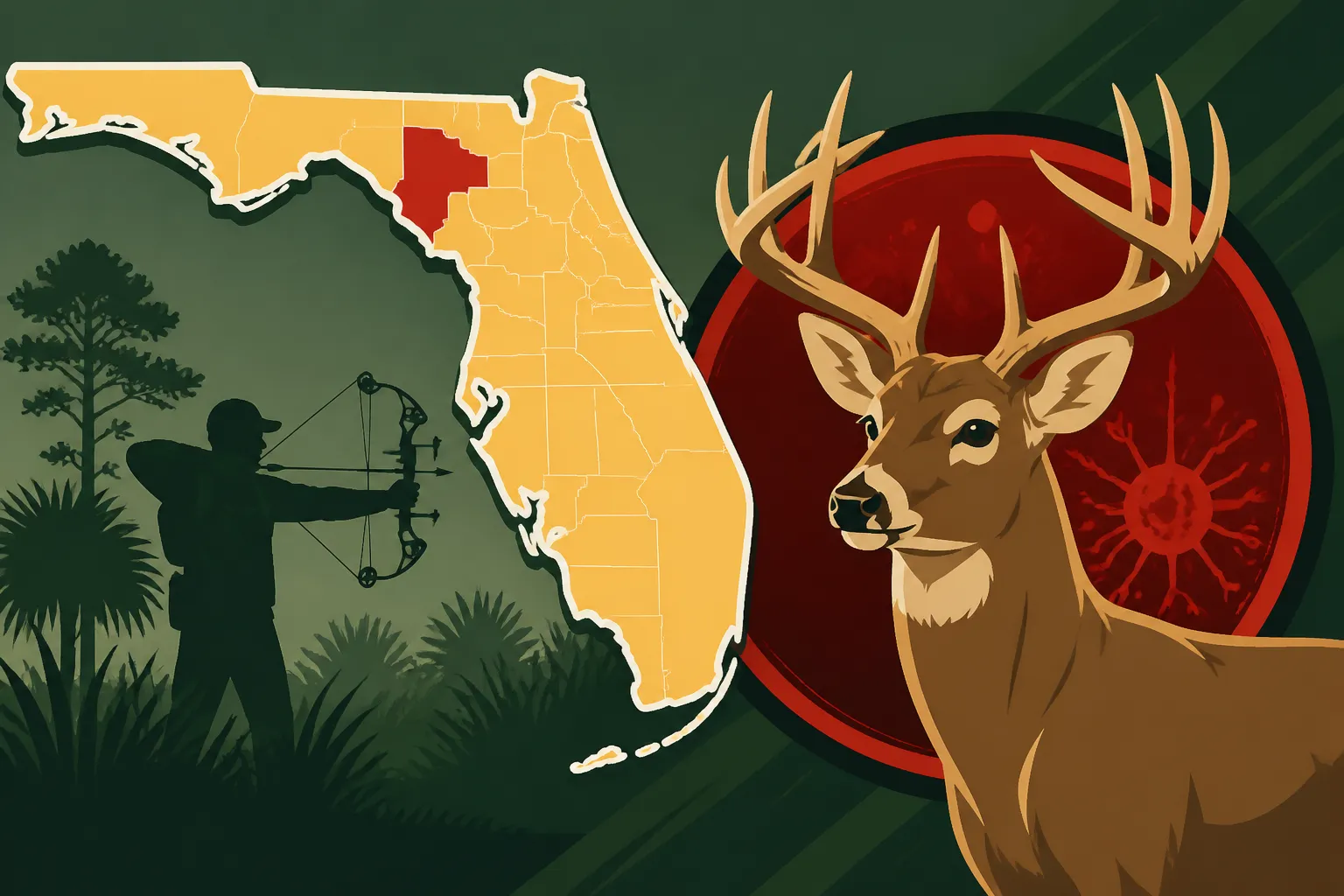
Based on the initial detection and follow-up surveillance, the FWC quickly established a CWD Management Zone (CMZ) around the positive case in Holmes County. This zone is a geographically defined area where specific regulations are put in place to monitor and, hopefully, limit the spread of the disease. The boundaries typically extend for a certain radius around the initial detection point, encompassing areas where there's a higher risk of CWD exposure.
For Holmes County, this CMZ includes all of Holmes County and parts of Jackson and Washington counties. It’s a significant area, designed to capture the potential movement patterns of deer in the region. Understanding these boundaries is absolutely critical for any hunter planning to pursue deer or other cervids in the Panhandle. You can't just assume your favorite hunting spot is outside the zone; you need to check the official FWC maps. Tools like the Florida FWC App Without Cell Service or your GoHunt mapping application are invaluable for pinpointing exactly where these lines fall, especially when you're out in the field. These zones are not just lines on a map; they represent a serious effort to protect the wider Florida deer herd from a truly devastating disease.
Navigating the Holmes County CWD Management Zone
Hunting in or near the Holmes County CWD Management Zone requires a different approach. The FWC has implemented specific regulations to minimize the risk of CWD spreading further, and it's every hunter's responsibility to understand and follow them.
Carcass Movement Restrictions Explained
One of the most significant changes within a CWD Management Zone involves carcass movement restrictions. Because CWD prions can be found in the brain, spinal cord, lymph nodes, and other tissues, moving an entire deer carcass out of the CMZ could inadvertently spread the disease to new areas. To combat this, the FWC has strict rules about what parts of a deer can leave the zone.
Generally, you are not allowed to transport whole deer carcasses, or even certain high-risk parts like the head, spinal column, or internal organs, out of the CMZ. The goal is to ensure that these potentially contaminated materials remain within the affected area. This means if you harvest a deer in the Holmes County CMZ, you'll need to process it there. Permitted items to leave the zone typically include deboned meat, clean antlers, hides, and skull plates with all brain and nervous tissue removed. This regulation, while an adjustment, is a critical step in preventing the geographical expansion of CWD. It’s a common frustration for hunters, especially those who prefer to process their deer at home or at a specific processor outside the zone, but it's a necessary precaution to protect the broader deer population. Always double-check the latest FWC regulations for the most up-to-date information on Moving a Deer Carcass Out of a Surveillance Zone.
Mandatory Testing and Sampling Requirements
Another key component of managing the CWD Zone is intensified surveillance through mandatory or voluntary testing and sampling. In designated areas within the CMZ, FWC may require hunters to submit their harvested deer for CWD testing. This isn't just about identifying infected animals; it's about gathering data on the prevalence and distribution of the disease. The more samples they collect, the better understanding they have of the situation, which then guides future management decisions.
You might encounter mandatory drop-off points or check stations where you'll be asked to provide specific samples from your deer. This could include lymph nodes or brainstem tissue. While it adds another step to your hunting day, participating in these efforts is vital. It’s how we, as hunters, contribute to the health of the herd. Knowing How Florida Detected Its First CWD Case should reinforce the importance of these sampling efforts. Keep an eye out for FWC announcements regarding specific dates and locations for mandatory testing, especially during the peak deer seasons. Sometimes, you'll find voluntary stations too, where you can contribute a sample even if it's not strictly required in your immediate area.
Changes to Deer Feeding and Attractant Rules
In CWD Management Zones, regulations regarding deer feeding and the use of attractants often change, or sometimes, are completely prohibited. Why? Because concentrating deer at bait sites can increase the risk of disease transmission. When deer congregate, they're more likely to share saliva, urine, and feces, which are all potential vectors for CWD prions. If one deer is infected, others feeding at the same spot are at a higher risk of contracting the disease.
For this reason, activities like baiting deer or using mineral blocks that bring deer together may be restricted or outright banned within the Holmes County CWD Zone. This can be a tough pill to swallow for many hunters who rely on these methods, but it's a direct response to a real disease threat. The FWC understands that these changes impact hunting strategies, but the long-term health of the deer herd takes precedence. Always consult the most current FWC regulations for the specific feeding and attractant rules applicable to the Holmes County CMZ to avoid any violations.
CWD Testing and Surveillance Efforts in Florida
Florida's wildlife agencies are working tirelessly to monitor CWD, and hunters play a critical role in these ongoing efforts. It’s a team effort to keep our deer healthy.
How FWC Monitors for CWD Statewide
The FWC has a robust CWD surveillance program that has been in place for many years, testing thousands of deer samples annually. This proactive approach is exactly how they were able to detect the case in Holmes County. They collect samples from various sources across the state, including hunter-harvested deer, road-killed deer, and any deer exhibiting signs consistent with CWD. This broad sampling strategy helps establish a baseline and allows them to quickly identify any new cases that might emerge. They use specialized laboratories to analyze these samples, looking for the tell-tale prions.
Beyond general surveillance, FWC strategically targets areas that might be at higher risk, such as those near state borders where CWD exists in neighboring states, or areas with high deer densities. They also engage with landowners and hunters, encouraging them to report sick or unusual-acting deer. This comprehensive approach is designed to provide the best possible early warning system for CWD, giving wildlife managers the crucial time they need to respond effectively. Knowing How Many Deer Florida Has Tested for CWD over the years highlights the sheer scale of this protective effort.
What Hunters Need to Know About Submitting Samples
If you hunt in or near the Holmes County CWD Zone, or even in other parts of the state where surveillance is heightened, you might be asked to submit samples from your harvested deer. The process is usually straightforward. The FWC often sets up voluntary or mandatory drop-off locations at various points throughout the hunting season, including self-service kiosks where you can deposit a head or specific tissue samples, or manned check stations.
When you submit a sample, it's vital to follow the instructions carefully. This typically involves providing accurate information about where and when the deer was harvested, along with contact details so you can be notified of the test results. These results are incredibly important for the FWC's data collection and can help inform you about the safety of consuming your venison. You can often find a current list of Finding a Florida CWD Sampling Location on the FWC website or through their mobile app. Remember, contributing samples isn't just a requirement; it's a direct way you can help protect the future of deer hunting in Florida.
Understanding Your CWD Test Results
Waiting for CWD test results can be nerve-wracking, especially if you're concerned about your harvest. The FWC typically has a process for notifying hunters of their results, usually by mail, email, or an online portal. Negative results mean no CWD prions were detected in the sample, giving you peace of mind about your venison. Positive results, while rare, trigger a specific protocol from the FWC, including further communication with the hunter about next steps and recommendations regarding the carcass.
It's important to understand that a "not detected" result is reassuring, but no test is 100% foolproof, especially in the very early stages of the disease. However, consistent negative results from a broad surveillance program provide strong evidence of herd health. If you do receive a positive result, the FWC will provide guidance on safe handling and disposal of the carcass. Transparency from both the FWC and hunters is key to managing this disease effectively, ensuring that all data contributes to the collective effort to keep Florida's deer herds healthy.
Implications for Hunters in and Around Holmes County
Hunting within a CWD Management Zone isn't just about understanding new rules; it's about adjusting your entire approach to the hunt.
Adjusting Your Hunting Strategy and Practices
The presence of CWD in Holmes County means rethinking some of your usual hunting practices. For starters, intensified surveillance and potential mandatory check stations mean you'll need to allocate extra time for processing and reporting your harvest. It might also influence where you choose to hunt. Some hunters might opt to hunt outside the CMZ to avoid the restrictions, while others might feel a renewed sense of purpose in contributing to the data collection within the zone.
Consider how the feeding and attractant bans might impact your strategy. If you typically rely on feeders, you'll need to adapt to different tactics, perhaps focusing more on natural food sources, scouting for fresh sign, or Hunting a Funnel Between Two Palmetto Heads. It's a call back to more traditional, skill-based hunting, which can be a rewarding challenge. Also, if you use trail cameras, remember to follow all FWC regulations regarding their placement and usage, as some areas might have restrictions on gear that could concentrate deer. This situation truly encourages a more mindful and adaptive hunting experience.
Venison Consumption and Safety Recommendations
A primary concern for hunters, naturally, is the safety of consuming venison from a deer harvested in a CWD-affected area. The Centers for Disease Control and Prevention (CDC) and other public health organizations recommend that hunters do not eat meat from animals that test positive for CWD. While there have been no confirmed cases of CWD transmitting to humans, the scientific community is still learning about the disease, and caution is advised.
If you harvest a deer in the Holmes County CWD Zone, it is highly recommended that you wait for your CWD test results before consuming any venison, especially if mandatory testing is in place. If the deer tests positive, properly dispose of the meat according to FWC guidelines. If it tests negative, you can generally proceed with consumption. During the field dressing process, always wear gloves and minimize contact with brain, spinal cord, and lymph node tissues. Proper hygiene and waiting for test results are your best defenses when hunting in a CWD zone.
Working with Local Processors and Taxidermists
The carcass movement restrictions directly impact your options for local meat processors and taxidermists, particularly if you harvest a deer inside the Holmes County CWD Zone. You'll need to find facilities that are located within the CMZ or those that are specifically approved by the FWC to handle deer from the zone. This ensures that high-risk parts are managed appropriately and do not contribute to the spread of CWD outside the designated area.
Before you even head out, it’s a good idea to call ahead to your preferred processor or taxidermist to confirm their status and procedures for handling deer from the CWD Zone. They will be well-versed in the regulations and can guide you on what they can accept and how they handle the parts that cannot leave the zone. This might mean adjusting your plans if your usual guy is outside the zone. Transparency with these professionals is key, and it’s a crucial part of responsible hunting within an affected area. Make sure to clearly communicate where your deer was harvested.
Protecting Florida's Deer Herd: What Hunters Can Do
As hunters, we are often the first line of defense for wildlife conservation. Our actions within and outside the CWD Management Zone are critical to protecting Florida's valuable deer herd.
Best Practices to Prevent CWD Spread
Beyond following the specific regulations of the Holmes County CWD Zone, there are general best practices every hunter can adopt to minimize the risk of CWD spread. Firstly, avoid harvesting deer that appear sick or emaciated. While CWD symptoms can be subtle, if a deer looks unwell, it's best to pass. Secondly, minimize the movement of deer carcasses, even from outside the CMZ. If you process your deer in the field, leave the high-risk parts like the head and spine there, especially if you're traveling a long distance home.
Also, be mindful of where you dispose of deer parts. Never dump carcasses or offal where other deer might congregate. If you're hunting private land, consider burying high-risk parts deeply on the property where the deer was harvested. If you're on public land, adhere strictly to FWC guidelines for carcass disposal. Lastly, clean your equipment thoroughly after each hunt, especially if you've been in a CWD-affected area. Prions are tough, but good hygiene can help reduce potential transfer. Every little bit helps.
Reporting Sick or Unusual-Acting Deer
One of the most important roles hunters play in CWD surveillance is reporting sick or unusual-acting deer to the FWC. You are out in the field more than almost anyone else, and your eyes are invaluable. A deer showing signs of CWD might appear emaciated, exhibit neurological symptoms like a clumsy gait, lack of coordination, excessive drooling, or have a vacant stare. They might also show unusual behaviors, like being unafraid of humans.
If you observe a deer exhibiting any of these signs, do not approach or harvest the animal. Instead, immediately contact the FWC. Make a note of the exact location, time, and a description of the deer and its behavior. You can find contact information for reporting wildlife observations on the FWC website or in your GoHunt app. Your timely report could be crucial in identifying new CWD cases and allowing the FWC to respond quickly, potentially preventing further spread. This proactive reporting is a cornerstone of effective wildlife disease management.
Advocating for Responsible Management and Research
As passionate stewards of Florida's wildlife, hunters have a powerful voice in advocating for responsible CWD management and continued research. Stay informed about the FWC's CWD initiatives and actively participate in public comment periods or surveys when available. Support funding for CWD research, which is essential for developing better testing methods, understanding prion behavior, and eventually, finding mitigation strategies.
Engage in respectful dialogue with fellow hunters, landowners, and non-hunters about the realities of CWD and the importance of adhering to regulations. Educating others helps build a united front against this disease. Consider joining hunting conservation groups that are actively working on CWD issues. Our collective commitment to responsible hunting and conservation practices is our best tool in facing the challenge of CWD, ensuring that future generations can enjoy the rich hunting heritage Florida offers. This disease is a test of our dedication, and by working together, we can meet it head-on.
| Aspect | Inside Holmes County CWD Management Zone | Outside CWD Management Zone (General Florida) |
|---|---|---|
| Carcass Movement | Only deboned meat, clean hides, antlers/skull plates (brain tissue removed) may leave. Whole carcasses prohibited. | Whole carcasses and parts generally allowed, but FWC recommends field-dressing to minimize movement of high-risk parts. |
| Deer Feeding/Attractants | Restrictions or prohibitions likely. Check FWC regulations specifically for the CMZ. | General statewide rules apply; typically permitted on private lands outside WMAs unless otherwise specified. |
| Mandatory Testing | May be required for harvested deer during specific periods/locations. | Generally voluntary, but FWC encourages submissions for surveillance, especially near borders or new detections. |
| Reporting Sick Deer | Critically important to report to FWC immediately. | Always important to report sick/unusual deer to FWC statewide. |
| Processor/Taxidermist | Must use facilities within the CMZ or FWC-approved facilities. | Generally, any licensed facility is acceptable. |
| Venison Consumption | Highly recommended to wait for negative CWD test results before consuming. | Generally safe, but follow basic hygiene; consider testing if concerned or near known CWD areas. |
This table provides a quick overview, but remember, regulations can change, so always check the latest FWC guidelines for Florida's Single Confirmed CWD Case before your hunt.
Disclaimer
The information provided in this article is for general guidance and informational purposes only and does not constitute legal advice. Hunting regulations, CWD management zones, and testing requirements are subject to change. Always consult the official Florida Fish and Wildlife Conservation Commission (FWC) website or contact them directly for the most current and accurate rules and regulations before engaging in any hunting activities.