Florida Eastern Spring Season Dates
For many turkey hunters, the spring season in Florida can feel like navigating a maze, especially with the state divided into different zones and varying opening and closing dates. It’s tough to keep track of when you can actually be in the woods, chasing those elusive gobblers. This guide aims to cut through that confusion, giving you a crystal-clear understanding of the specific Eastern Spring Season dates in Florida, what to expect, and how to prepare for a successful hunt.
Understanding Florida's Eastern Turkey Zone
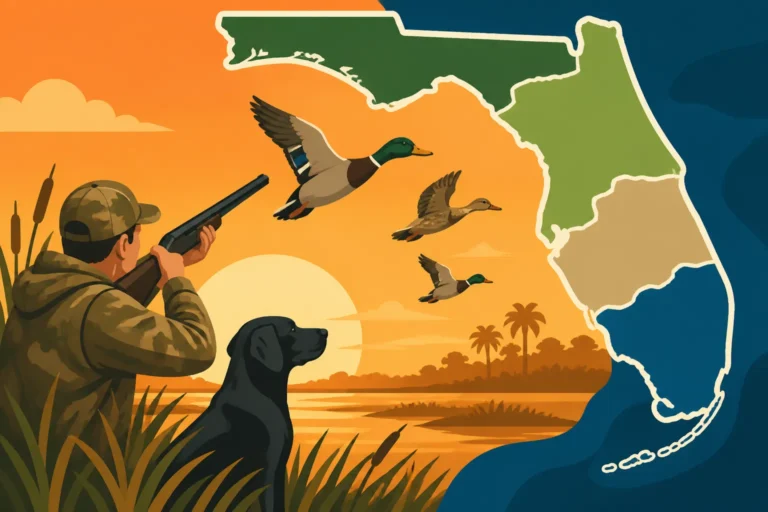
Florida is unique in its turkey hunting, primarily because it's home to the endemic Osceola turkey in the peninsula and the Eastern turkey in the Panhandle. This geographical split often leads to different season dates and regulations, making it crucial to know which zone you're hunting in. The Eastern turkey zone covers the vast majority of Florida’s Panhandle, specifically all areas east of the Ochlockonee River. This includes counties like Gadsden, Leon, Jefferson, Madison, and further east into areas such as Columbia, Suwannee, and Alachua, and even stretching down to parts of the central peninsula where Easterns may be found, though the classic Osceola range dominates south of a specific line.
The difference in turkey subspecies and their habitats dictates distinct management strategies. Eastern turkeys thrive in the pine forests, hardwood bottoms, and agricultural lands common throughout the Panhandle. They share characteristics with Eastern turkeys found across the southeastern U.S. – often a bit larger than their Osceola cousins with darker primary wing feathers. Understanding this biological and geographical division is the first step to ensuring you're compliant with state regulations and hunting in the correct season. If you're looking for more details on the birds themselves, you can dive deeper into Eastern Turkeys in the Florida Panhandle.
Distinguishing Between Turkey Zones
The boundary between the Osceola and Eastern turkey zones in Florida isn't always a straight line on a map, but for practical purposes, the FWC clearly defines it. The Eastern zone generally encompasses the northern parts of the state, east of the Ochlockonee River, and extends south along the Atlantic side to include some central areas. This means if you're planning a spring turkey hunt in places like Apalachicola National Forest or other public lands in the northern reaches, you'll be following the Eastern zone dates. It’s important to remember that these zones are established to manage populations effectively and offer fair hunting opportunities based on local conditions and turkey behavior. For specific legal boundaries, checking the official FWC regulations is always the best bet.
Why Zones Have Different Dates
The varying season dates across Florida's turkey zones aren't arbitrary; they are carefully set by wildlife biologists to coincide with the peak breeding and gobbling activity within each region. Turkeys, like many other species, respond to photoperiod (daylight length) and temperature changes, which trigger their breeding cycle. Because Florida is such a long state geographically, north-to-south, spring arrives earlier in the southern Osceola range compared to the northern Panhandle. Consequently, the Osceola spring season generally kicks off earlier. This staggered approach ensures that hunters are in the woods when gobblers are most active and receptive to calls, increasing success rates while also allowing for adequate breeding to occur before hunting pressure becomes too high. It's all about balancing hunter opportunity with sound wildlife management.
Specific Eastern Spring Season Dates and Bag Limits
For hunters eyeing the Eastern zone, the spring turkey season typically offers a consistent window each year. While exact dates can shift slightly, the pattern remains quite predictable. The regular spring season for the Eastern zone generally opens on the first Saturday of March and runs through the third Tuesday of April. This provides approximately six weeks of prime gobbler hunting, giving you ample opportunity to fill your tags. It’s a period when the woods come alive, and the sound of a distant gobble can send shivers down any turkey hunter's spine.
Before the general opener, there's a special opportunity for younger hunters. The Youth Spring Turkey Hunt weekend in the Eastern zone usually falls on the first weekend of March. This allows hunters 16 years of age or younger to get out and pursue turkeys before the general season opens, often providing a less pressured and memorable experience. It's a fantastic program designed to introduce the next generation to the joys of turkey hunting.
When it comes to the legal take, the bag limit is fairly straightforward across Florida. For the regular spring season, hunters are generally allowed to harvest two gobblers or bearded turkeys per season. This applies statewide, regardless of whether you're in the Eastern or Osceola zone. However, there's a crucial caveat: you can only take one gobbler per day. This daily limit helps distribute hunting pressure and ensures a sustainable harvest over the season. Always double-check the current year's FWC regulations, as they are the final authority on all dates and limits. A quick search on the FWC website or using a reliable hunting app like GoHunt can provide the most up-to-date information.
Youth Hunt Details
The youth spring turkey weekend is a brilliant initiative by the FWC to get kids involved in hunting. For the Eastern zone, this usually means the first Saturday and Sunday of March. During this special weekend, properly licensed youth hunters, accompanied by an adult supervisor (who does not hunt), can harvest one gobbler or bearded turkey. This early start gives them a unique chance to experience the excitement of spring turkey hunting, often resulting in less competition and a more focused learning environment. It’s a perfect opportunity to instill hunting ethics and appreciation for wildlife from a young age. For more comprehensive information about these special hunts, check out Florida Youth Turkey Weekend Dates by Zone.
Bag Limits and License Requirements
Understanding Florida's turkey bag limits is critical for ethical and legal hunting. As mentioned, the standard limit is two gobblers or bearded turkeys per season, with a maximum of one per day. This doesn't mean you can take two birds in one outing; it means over the course of the season, you can harvest two. These limits are in place to ensure a healthy and sustainable turkey population for future generations.
In terms of licensing, you’ll need a valid Florida hunting license, a Florida Turkey permit, and a Migratory Bird Permit (HIP registration) even for turkeys, as they are considered migratory game birds in Florida for certain reporting purposes. Non-residents often need to purchase specific non-resident licenses and permits. You can find detailed information on these requirements, including costs and how to purchase them, in resources like Florida Hunting Licenses and What They Cost. Remember, even if you’re hunting on private land, these state licenses and permits are mandatory.
Here's a quick summary of the typical Eastern Zone Spring Turkey Season:
| Season Phase | Typical Dates (Eastern Zone) | Bag Limit (per hunter) | Daily Limit | Notes |
|---|---|---|---|---|
| Youth Hunt Weekend | First weekend of March | 1 Gobbler or Bearded Turkey | 1 | Youth 16 and under, supervised by non-hunter |
| Regular Season | First Saturday of March – Third Tuesday of April | 2 Gobblers or Bearded Turkeys | 1 |
Always confirm exact dates and regulations with the Florida Fish and Wildlife Conservation Commission (FWC) before hunting.
Key Regulations and Considerations for Eastern Zone Hunters
Beyond the dates and bag limits, there are several other regulations and considerations that Eastern zone turkey hunters need to be aware of. Florida's hunting laws are designed to promote safety, fair chase, and sustainable wildlife populations. Ignoring these can lead to serious consequences, so a thorough understanding is non-negotiable.
One critical aspect is weapon choice. During the spring turkey season, legal methods generally include shotguns (with specific shot sizes allowed, typically #2 shot or smaller), archery equipment (including crossbows), and pre-charged pneumatic (PCP) air guns. Rifles and pistols are generally prohibited for turkey hunting in Florida. Always verify specific legal methods as regulations can sometimes be nuanced, particularly with newer equipment like air guns.
Another significant consideration, especially if you plan to hunt public land, is the requirement for a Wildlife Management Area (WMA) permit. Many of Florida's prime turkey hunting grounds are located within WMAs, and these areas often have specific rules that supersede or add to statewide regulations. This might include special quota hunts, designated hunting days, or even different bag limits in certain units. You'll need to purchase a WMA Management Area Permit in addition to your regular hunting license if you plan to hunt these areas. For more details on accessing public lands, review The Florida WMA Management Area Permit.
Public Land Access and Rules
Hunting Florida’s public lands can be an incredibly rewarding experience, but it requires diligent preparation. Many WMAs in the Eastern zone offer excellent opportunities for turkey, but they also come with a unique set of challenges and rules. Some WMAs operate on a quota hunt system, meaning you have to apply and be drawn for a permit to hunt during specific periods. These draws are often competitive, so planning ahead is crucial. Tools like GoHunt can be invaluable for researching WMAs, understanding their specific regulations, and even helping with draw odds analysis.
Beyond quota requirements, WMAs often have rules regarding vehicle access, camping, the use of ATVs, and even what type of blinds or stands are permitted. For instance, some areas may only allow portable stands or ground blinds that are removed daily, while others have specific rules about leaving equipment overnight. Always check the specific WMA brochure or the FWC website for the area you intend to hunt. Overlooking a small detail could result in a citation and ruin your hunt. If you plan on Scouting Florida Public Land Before Season, make sure you understand these WMA-specific rules beforehand.
Ethical Hunting Practices
Ethical hunting goes hand-in-hand with legal hunting. For spring turkey, this means understanding shot placement, knowing your effective range, and practicing responsible calling. Turkeys have incredible eyesight, and they can be notoriously wary. A clean kill should always be the priority. Patterning your shotgun with your chosen choke and ammunition is paramount to ensure you know your effective range and can deliver a humane shot.
It also means respecting other hunters. Spring turkey season can be busy on public lands, and courtesy goes a long way. Setting up too close to another hunter, or making excessive, unrealistic calls, can disrupt their hunt and create unsafe conditions. Always give other hunters ample space. If you encounter another hunter, a friendly wave and moving on to find new ground is the best practice. Remember, we're all out there to enjoy the outdoors and the pursuit of wild turkeys. When considering tactics like Run-and-Gun Turkey Tactics on Florida Public Land, be mindful of the pressure other hunters might create.
Maximizing Your Success in the Eastern Spring Season
Hunting Eastern turkeys in Florida's spring season, particularly in the Panhandle, presents unique challenges and rewards. The terrain can vary from open pine plantations to dense hardwood swamps and agricultural fields. Adapting your tactics to the specific habitat and pressure levels is key to putting a gobbler in your vest. While patience is always a virtue in turkey hunting, a proactive approach to scouting and calling can significantly boost your odds.
Successful Eastern turkey hunting often begins long before opening day. Pre-season scouting is invaluable. This involves locating roosting sites, identifying travel corridors, and finding areas with fresh sign like tracks, droppings, and strut marks. Using tools like mapping apps, including GoHunt's detailed layers, can help you identify potential roosting areas along creeks or in taller pine stands, as well as open fields where birds might strut in the mornings. Listening for gobblers at dawn from different locations can pinpoint their preferred roosting areas and morning routines.
Once the season arrives, adapting your calling strategy to the birds' mood and pressure is crucial. Early in the season, when birds are less pressured, aggressive calling can sometimes work wonders. As the season progresses and birds become more call-shy, a softer, more subtle approach, using fewer calls or mimicking a lone hen, might be more effective. Finding the right Rattling and Grunting Florida Bucks applies more to deer, but the principle of understanding the animal's behavior and how calling influences it is similar for turkeys, especially in terms of realism and timing.
Scouting and Roosting Tactics
Effective scouting for Eastern turkeys involves more than just driving roads. It means putting boots on the ground, weeks or even months before the season opens. Look for the "three signs": tracks, droppings, and feathers. Fresh tracks in sandy roads or creek bottoms are a dead giveaway of recent activity. Droppings indicate feeding areas or loafing spots. Pay close attention to roosting areas, which are typically large, mature trees, often pines or cypress, near water sources or in dense stands providing cover.
On mornings leading up to the hunt, try to locate birds on the roost by listening for their pre-dawn gobbling. Get to your chosen scouting location well before sunrise and listen intently. Knowing where a gobbler is roosting can give you a significant advantage, allowing you to position yourself strategically before he flies down. Remember that Hunting an Eastern Gobbler in Panhandle Pines requires specific knowledge of the terrain and how turkeys use it.
Calling Strategies for Panhandle Gobblers
Calling Eastern turkeys effectively in the Panhandle involves understanding their behavior and the local conditions. Early season birds might respond well to loud, excited hen calls, as they are actively seeking mates. As the season progresses, and birds become more wary due to hunting pressure, a more subdued approach might be necessary. Sometimes, simply letting out a few soft yelps or clucks is all it takes to pique a gobbler's interest.
Another effective strategy is locator calls. Owl hoots, crow calls, or even a coyote howl can often elicit a shock gobble from a tom on the roost or during the day, giving away his position without revealing yours too early. Once you get a response, the trick is to get into a good setup quickly. This means finding a tree wide enough to break up your silhouette, ensure a clear shooting lane, and offer a comfortable wait. For a visual guide to setting up effectively, consider Setting Up Against a Big Live Oak as an example. Remember, patience is a virtue, and sometimes the best call is no call at all, just waiting for the gobbler to commit.
Disclaimer
The information provided in this guide is for general informational purposes only and is not intended as legal advice. Hunting regulations, season dates, and permit requirements are subject to change by the Florida Fish and Wildlife Conservation Commission (FWC). It is the hunter's responsibility to consult the most current official FWC regulations and local ordinances before participating in any hunting activities. Always prioritize safety and ethical hunting practices.