Where Florida’s One CWD Case Was Found
The discovery of Chronic Wasting Disease (CWD) is every hunter's worst nightmare, and when Florida confirmed its first-ever case, it sent ripples of concern through our tight-knit community. It's truly unsettling to hear about such a devastating neurological disease impacting our deer, and many of us immediately wondered where this happened and what it means for our cherished hunting traditions. This comprehensive guide is here to walk you through the specifics of Florida's single confirmed CWD case, the area impacted, and what steps hunters need to take to help manage and prevent its spread.
Understanding Chronic Wasting Disease
Chronic Wasting Disease is a serious topic for anyone who loves deer hunting, and for good reason. It's a progressive, fatal neurological disease that affects cervids – that's deer, elk, moose, and caribou. Unlike bacterial or viral infections, CWD is caused by abnormal proteins called prions. Think of it as a misfolded protein that can cause other normal proteins to misfold, leading to irreparable damage to the animal's brain and nervous system.
What is Chronic Wasting Disease?
When we talk about CWD, we're talking about a transmissible spongiform encephalopathy (TSE), similar to mad cow disease in cattle or scrapie in sheep. The "spongiform" part refers to the sponge-like holes that develop in the brain tissue of infected animals as the disease progresses. These prions can persist in the environment for years, even decades, in soil, plants, and contaminated carcasses. This means that once CWD is present in an area, it's incredibly difficult to eradicate, making early detection and rigorous management absolutely critical. There's no vaccine, no treatment, and it's always fatal. An animal might look perfectly healthy for a long time, sometimes up to two years, before symptoms become obvious. This long incubation period is what makes CWD so insidious and hard to track.
Why CWD is a Major Concern for Deer and Hunters
The fear surrounding CWD isn't just about individual animals; it's about the very future of our deer herds and, by extension, our hunting heritage. Imagine a scenario where deer populations decline drastically due to disease, or where the simple act of harvesting a deer comes with the constant worry of potential infection. That’s the reality many other states have faced. For hunters, the primary concerns revolve around herd health, the potential for reduced hunting opportunities, and of course, questions about the safety of consuming venison from CWD-positive areas. While there's no direct evidence of CWD transmitting to humans, health organizations still advise against eating meat from infected animals. The disease fundamentally changes the dynamics of deer management, often leading to more stringent regulations on carcass movement and mandatory testing, which can feel like a heavy burden on hunters who are simply trying to enjoy their time outdoors. It hits close to home because we care deeply about the animals we pursue, and we want to ensure healthy populations for generations to come.
The Single Florida CWD Case Discovery
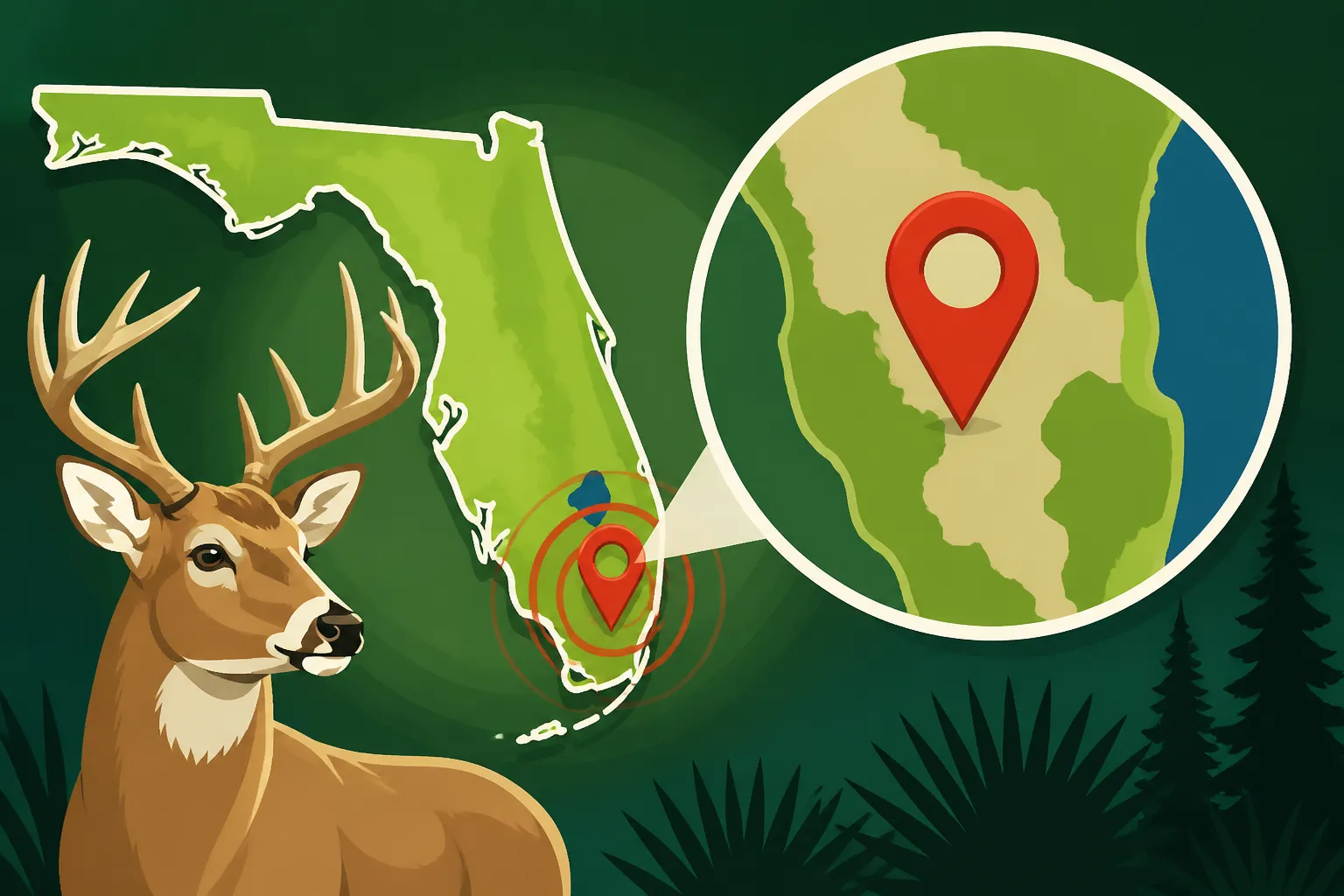
It’s one thing to read about CWD happening elsewhere, but it becomes a very different, very real concern when it appears in your own backyard. For Florida, that moment arrived with the confirmation of a single CWD case in Holmes County, a quiet corner of the Panhandle known for its timberlands and rich hunting traditions.
The Discovery in Holmes County
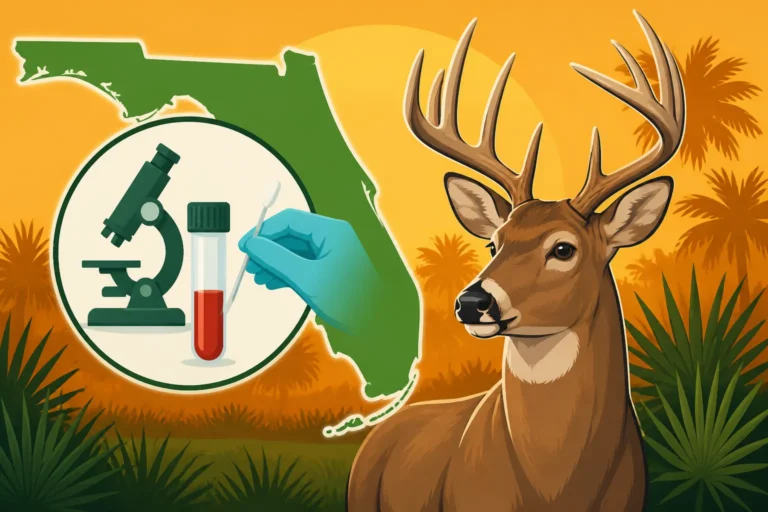
On June 12, 2023, the Florida Fish and Wildlife Conservation Commission (FWC) announced that a sample collected from a deceased white-tailed deer in Holmes County tested positive for CWD. This wasn't some random testing; the deer was observed exhibiting neurological symptoms, which immediately raised red flags. Local residents and hunters who are often the first to notice unusual animal behavior play a vital role in early detection. This particular deer was found on private land, highlighting that CWD isn't confined to public lands or specific habitat types. The discovery location, specifically in the western Panhandle, was a stark reminder that even in areas with seemingly robust deer populations, vigilance is key. It became the state's first and, to date, only confirmed case of Chronic Wasting Disease.
The Investigation and Confirmation Process
Once the deer exhibiting symptoms was reported, the FWC's process swung into action. Initial samples were collected and sent to a specialized laboratory for preliminary screening. When those preliminary tests indicated a positive result, confirmation required further, more definitive testing at the National Veterinary Services Laboratories (NVSL) in Ames, Iowa, which is the gold standard for CWD diagnosis. This meticulous, multi-stage testing is crucial to avoid false positives and ensure the integrity of the information disseminated to the public. The FWC acted swiftly and transparently, sharing information as soon as the confirmation came through. This detailed investigation ensures that when a CWD case is announced, hunters and landowners can trust the information and understand the severity of the situation. This kind of robust disease monitoring is part of a larger effort to keep Florida's deer herd healthy, which also involves understanding How FWC Counts the Florida Deer Herd.
Initial Reactions from the Hunting Community
The news hit the Florida hunting community hard. I remember seeing the messages light up on forums and group chats; there was a mixture of shock, concern, and a whole lot of questions. Hunters are passionate about their pursuits, and many immediately worried about what this would mean for future seasons, especially those with family hunting traditions in the Panhandle. There was genuine anxiety about whether this was an isolated incident or the tip of an iceberg. People were asking about the safety of venison, whether they should change their hunting habits, and how this might impact property values or hunting lease agreements. This immediate, visceral reaction perfectly illustrates how deeply hunters are connected to the health of the wildlife and the lands they hunt. It's a stark reminder that while the thrill of the hunt is important, the underlying health of the ecosystem is paramount. Many hunters, myself included, started looking into how Florida's Deer Disease Monitoring Program works and how we could contribute to prevention.
Florida's Response and Management Zone
The FWC wasted no time in responding to the confirmed CWD case. Their action plan was immediate and comprehensive, focusing on containment, surveillance, and educating the hunting public. The goal was, and remains, to prevent the spread of CWD to other parts of the state.
Establishing the CWD Management Zone Boundaries
Following the positive test result, the FWC quickly established a CWD Management Zone (CMZ) to restrict certain activities and increase surveillance in the immediate vicinity of the positive case. This zone encompassed all of Holmes County and parts of Jackson and Washington counties, specifically areas within a 10-mile radius of the confirmed detection. The establishment of Florida's CWD Management Zone Boundaries meant that specific rules would apply to anyone hunting or handling deer within these areas. This isn't just an arbitrary line on a map; it's a critical tool in managing the spread of a disease that can have long-lasting environmental persistence. These zones are designed to concentrate efforts where the risk is highest, ensuring resources are deployed effectively for sampling and enforcement. It can be a little confusing trying to figure out which county falls into which zone, but resources like the FWC app or even GoHunt can help clarify boundaries.
Mandatory Deer Reporting and Testing
One of the most significant changes within the CWD Management Zone involved mandatory deer reporting and enhanced testing requirements. If you harvest a deer within the CMZ, it's not enough to just tag it; you are required to submit a sample for CWD testing. This crucial step provides vital data to the FWC, allowing them to assess the prevalence of the disease and monitor its potential spread. Hunters are given clear instructions on how and where to drop off their samples, often at designated drop-off locations or through FWC staff. This also ties into the broader Florida Deer Reporting Requirements that apply statewide, but with specific, enhanced rules for the CMZ. This active participation from hunters is indispensable because every sample submitted helps paint a clearer picture for wildlife managers.
Carcass Movement Restrictions
Perhaps the most impactful regulation for hunters operating within the CWD Management Zone is the restriction on carcass movement. This rule is designed to prevent the physical spread of CWD prions via infected animal parts. Simply put, you cannot move a whole deer carcass out of the CWD Management Zone. Instead, only certain parts are allowed to leave, such as deboned meat, clean hides (without head), skull plates with antlers (cleaned of all tissue), and finished taxidermy mounts. This can be a real logistical challenge, especially for hunters traveling from outside the zone or for those who don't have facilities to process a deer in the field. But it's a necessary step to protect other deer populations from potential contamination. Understanding Moving a Deer Carcass Out of a Surveillance Zone is not just a suggestion; it's a legal requirement that carries significant weight, and FWC takes it very seriously.
Here's a quick summary of the key actions within Florida's CWD Management Zone:
| Action Category | Specific Requirements/Rules | Impact on Hunters |
|---|---|---|
| Zone Delineation | All of Holmes County, parts of Jackson and Washington counties | Know your boundaries; special rules apply in these areas. |
| Carcass Movement | Only deboned meat, clean hides, skull plates (clean), finished mounts can leave CMZ. | Field dressing and processing within the zone is critical. |
| Mandatory Sampling | All harvested cervids (deer) must be sampled for CWD testing. | Hunters must submit samples at designated FWC drop-off sites. |
| Baiting & Feeding | Often restricted or prohibited to prevent congregation of deer. | Check specific FWC regulations for current rules on baiting. |
| Deer Rehabilitation | Restrictions on movement of live deer into or out of CMZ. | No independent rehabilitation or relocation of deer allowed. |
Implications for Hunters
For those of us who spend countless hours in the woods, CWD adds a layer of complexity and responsibility to our passion. It's not just about finding game anymore; it's also about being a responsible steward of the herd and adhering to new regulations that aim to protect wildlife for the long haul.
Hunting in a CWD Management Zone
Hunting in a CWD Management Zone means a shift in mindset and practices. For starters, you need to be acutely aware of the specific regulations for that zone, which can differ significantly from general statewide rules. This often includes restrictions on feeding deer, increased surveillance, and the aforementioned carcass movement rules. If you're planning on hunting in Holmes, Jackson, or Washington counties, especially within the defined CMZ, your first step should always be to check the latest FWC regulations. Sites like GoHunt often compile state regulations in an easily digestible format, but always cross-reference with the official FWC guidelines.
One of the practical challenges is the processing of a deer. If you harvest a deer in the CMZ, you need a plan for either deboning it in the field or taking it to a local processor within the zone. This might require different gear than you're used to, and certainly a good understanding of Field Dressing a Deer in Hot Weather if you're hunting during Florida's early seasons. Preparing for this reality before you even step foot in the woods can save a lot of headaches later. It’s about adapting our traditional ways to new circumstances, ensuring we're part of the solution rather than inadvertently contributing to the problem.
CWD Testing for Florida Hunters
The FWC has made it as straightforward as possible for hunters to comply with CWD testing requirements. If you hunt within the CWD Management Zone, you'll find designated drop-off locations and instructions on how to submit samples from your harvested deer. Typically, this involves providing the head of the deer, as the lymph nodes and brainstem are the tissues needed for testing. The FWC has set up stations, or you can often contact them directly for specific instructions on Finding a Florida CWD Sampling Location. It's a small but significant step that every hunter can take to help.
Even if you're hunting outside of a known CWD Management Zone, you can still be part of the solution. The FWC encourages voluntary testing, especially if you notice a deer exhibiting any abnormal behaviors like extreme weight loss, stumbling, listlessness, or excessive drooling. Remember, early detection is our best defense. The FWC wants to track the disease, and every sample helps them understand CWD prevalence and distribution. This proactive approach by hunters, supported by resources like GoHunt to track state-specific regulations, is what will ultimately safeguard Florida's deer.
Protecting the Herd and Your Hunt
Beyond compliance with regulations, there are several best practices that hunters can adopt to help protect Florida's deer herd and ensure healthy hunting opportunities for the future.
- Avoid Spreading Prions: Never dispose of deer carcasses or parts from a harvested deer (especially the brain and spinal cord) in areas where other deer can access them. Utilize designated carcass disposal sites or bury remains deeply.
- Don't Bait or Feed Deer Unnecessarily: While baiting is common in Florida, in CWD-affected areas, concentrating deer at a single site can facilitate disease transmission. Always follow FWC guidelines on baiting.
- Clean Your Gear: Ensure your boots, vehicles, and processing equipment are clean and free of biological material, especially if moving between different hunting areas.
- Report Sick Deer: If you see a deer exhibiting symptoms consistent with CWD, report it immediately to the FWC. Your observation could be critical for early intervention.
- Stay Informed: CWD research and management strategies are constantly evolving. Make it a habit to regularly check FWC websites and reliable hunting news sources for the latest updates. Resources like GoHunt can be invaluable for staying current on regulations and news.
By understanding the nature of CWD, respecting the boundaries and regulations of the CWD Management Zone, and actively participating in surveillance efforts like CWD Testing for Florida Hunters, we can all contribute to mitigating the threat of this devastating disease. Our hunting future depends on it.
Disclaimer
Please remember that hunting regulations and disease management protocols can change. Always consult the latest Florida Fish and Wildlife Conservation Commission (FWC) regulations and advisories before planning or engaging in any hunting activities. The information provided here is for general guidance and informational purposes only.