Finding a Florida CWD Sampling Location
The emergence of Chronic Wasting Disease (CWD) in nearby states, and now even a confirmed case right here in Florida, has understandably put a lot of hunters on edge. We love our deer herds, and the thought of this devastating disease spreading through our cypress swamps and palmetto flatwoods is a grim prospect. But as hunters, we're also part of the solution, and understanding how to get your deer tested and where to find a Florida CWD sampling location is a crucial step in protecting our cherished wildlife. This guide will walk you through everything you need to know to do your part.
Understanding CWD and Florida's Proactive Approach
Chronic Wasting Disease is a serious concern for anyone who values healthy deer populations. It’s a neurological disease that affects deer, elk, and moose, and it’s always fatal. While Florida has been fortunate to avoid widespread CWD outbreaks, the recent discovery of a single case underscores the importance of every hunter’s vigilance. Our proactive efforts now are critical to safeguarding the future of deer hunting in the Sunshine State.
What is Chronic Wasting Disease?
CWD is a transmissible spongiform encephalopathy (TSE), similar to mad cow disease. It's caused by abnormal proteins called prions that slowly accumulate in the brain and nervous system of infected animals. The progression of the disease is insidious, often taking months or even years, during which time infected animals may appear healthy. Symptoms typically include drastic weight loss (hence "wasting"), stumbling, listlessness, excessive drooling, and a lack of fear of humans. These symptoms eventually lead to the animal's death. The prions are incredibly persistent, capable of remaining infectious in the soil for years, making containment and prevention exceptionally challenging. This persistence is why early detection and stringent management are so vital for wildlife agencies like the Florida Fish and Wildlife Conservation Commission (FWC).
Hunters play an absolutely critical role because they are often the first to encounter potentially infected animals, or they provide the samples needed for widespread surveillance. Imagine dedicating an entire season to scouting and perfecting your strategy, only to realize the herd you've been pursuing is silently suffering from this unseen threat. It's a truly disheartening thought, and it highlights why even though CWD isn't widespread here, understanding it and participating in testing is an act of stewardship for our wild places. We owe it to the deer, and to future generations of hunters, to be informed and proactive.
Florida's CWD Management Zone and Surveillance Efforts
Following the discovery of Florida's first confirmed CWD case in Holmes County in 2023, the FWC swiftly established a CWD Management Zone (CMZ) to contain and monitor the disease. This zone currently encompasses specific areas where restrictions on deer carcass movement and baiting are in place, aiming to prevent any potential spread. Understanding Florida's CWD Management Zone Boundaries is paramount for any hunter who plans to hunt within or near this area, as the rules directly impact how you handle your harvest. This isn't just about following rules; it's about being a responsible member of the hunting community.
The FWC's surveillance efforts extend far beyond the CMZ, however. The agency has been diligently working to determine How Many Deer Florida Has Tested for CWD statewide, collecting thousands of samples from both hunter-harvested deer and those found sick or dead. This comprehensive testing helps create a baseline understanding of CWD prevalence and allows for quick detection if the disease emerges elsewhere. These efforts are often supported by voluntary submissions from hunters, making our participation invaluable. It’s a testament to the FWC's dedication and also to the hunting community's willingness to step up when our wildlife needs us most. Every sample submitted adds a piece to the puzzle, helping us protect the health of Florida Deer Herd Size.
Navigating the Process of CWD Sample Submission
For many hunters, the idea of submitting a sample might feel a bit daunting, especially if it's not something you've had to do before. You might be wondering, "What exactly do I need to do? What if I mess it up?" These are valid concerns, but the process is designed to be as straightforward as possible, and the FWC provides clear guidance every step of the way. Your effort makes a real difference.
When and Why to Submit a Sample
The FWC encourages hunters to submit samples from any deer harvested within the CWD Management Zone. This mandatory surveillance is a critical tool for understanding the disease's presence and preventing its spread. But even outside the CMZ, voluntary testing is highly encouraged. If you harvest a deer anywhere in Florida and want to contribute to the statewide surveillance, or if you simply have concerns, you absolutely should submit a sample. Think of it as a small contribution to a larger public health effort for our wildlife. It's a simple act that yields powerful data.
Beyond routine surveillance, it's absolutely crucial to submit a sample if you encounter or harvest any deer that exhibits clinical signs of CWD. These symptoms – excessive drooling, staggering, severe weight loss, or an unusual lack of fear – are red flags. Don't hesitate. Contact the FWC right away if you observe a deer behaving abnormally. While these signs could indicate other issues, it's always best to err on the side of caution and get a definitive answer through testing. Your swift action could be the key to preventing further spread. This vigilance is a cornerstone of responsible hunting and wildlife conservation, protecting not just our deer, but potentially other species and even humans, though CWD has not been shown to transmit to humans.
How to Prepare Your Deer for Sampling
Proper preparation of your harvested deer is essential for obtaining a usable CWD sample. The FWC primarily collects lymph node and brain stem samples. For most hunters, this means you'll be submitting the deer's head. Before heading to a sampling station, remove the head, ensuring that about 4-6 inches of neck are still attached. This extra neck tissue is vital because it contains the lymph nodes necessary for testing. It’s always better to leave a little more than too little.
Once the head is removed, keep it cool. Place it in a cooler with ice, or refrigerate it as soon as possible. The goal is to prevent decomposition, which can compromise the sample's integrity. Just like preparing venison for the table, proper cooling is key. Also, make sure to clearly label the head with your name, phone number, the date of harvest, and the specific location (county and WMA/private land if possible) where the deer was taken. This information is critical for the FWC to properly track the sample and provide you with accurate results. If you’re planning on Moving a Deer Carcass Out of a Surveillance Zone, be aware of the specific FWC regulations regarding carcass parts and transport, as these rules are in place to prevent accidental spread.
| Sampling Method/Location Type | Description | Best For | What to Bring | Typical Availability |
|---|---|---|---|---|
| Self-Service Drop-Off Sites | Unattended coolers or freezers at various locations (WMAs, FWC offices, rural stores) where hunters can leave labeled deer heads. | Hunters needing flexibility outside business hours; those comfortable with self-tagging. | Deer head (4-6" neck), FWC deer harvest number, clear labeling with harvest info. | Often 24/7 during deer season, but check specific site hours. |
| Staffed FWC Check Stations | Mobile or temporary stations, usually set up during peak hunting periods (e.g., opening weekend) in or near hunting areas. FWC staff collect samples directly. | Hunters wanting direct interaction, guidance, and assistance with sampling. | Deer head (4-6" neck), FWC deer harvest number, license/ID. | Specific dates/times during peak season, check FWC schedule. |
| Participating Taxidermists/Processors | Commercial businesses that partner with FWC to collect samples as part of their services. | Hunters already planning to use these services; convenient for full-service processing. | Deer head (4-6" neck), FWC deer harvest number, discuss with vendor. | During normal business hours of the taxidermist/processor. |
| FWC Regional Offices | Designated FWC offices where staff can collect samples during business hours. | Hunters near major FWC regional hubs needing a direct drop-off. | Deer head (4-6" neck), FWC deer harvest number, license/ID. | Weekday business hours, call ahead for specific availability. |
Locating Official FWC CWD Sampling Stations
Finding a CWD sampling location shouldn't be a wild goose chase after a successful hunt. The FWC has made a concerted effort to establish accessible points for hunters across the state, especially within and around known CWD risk areas. Knowing your options and how to utilize available resources will save you time and ensure your sample is submitted correctly.
Utilizing Online Resources and Mobile Apps
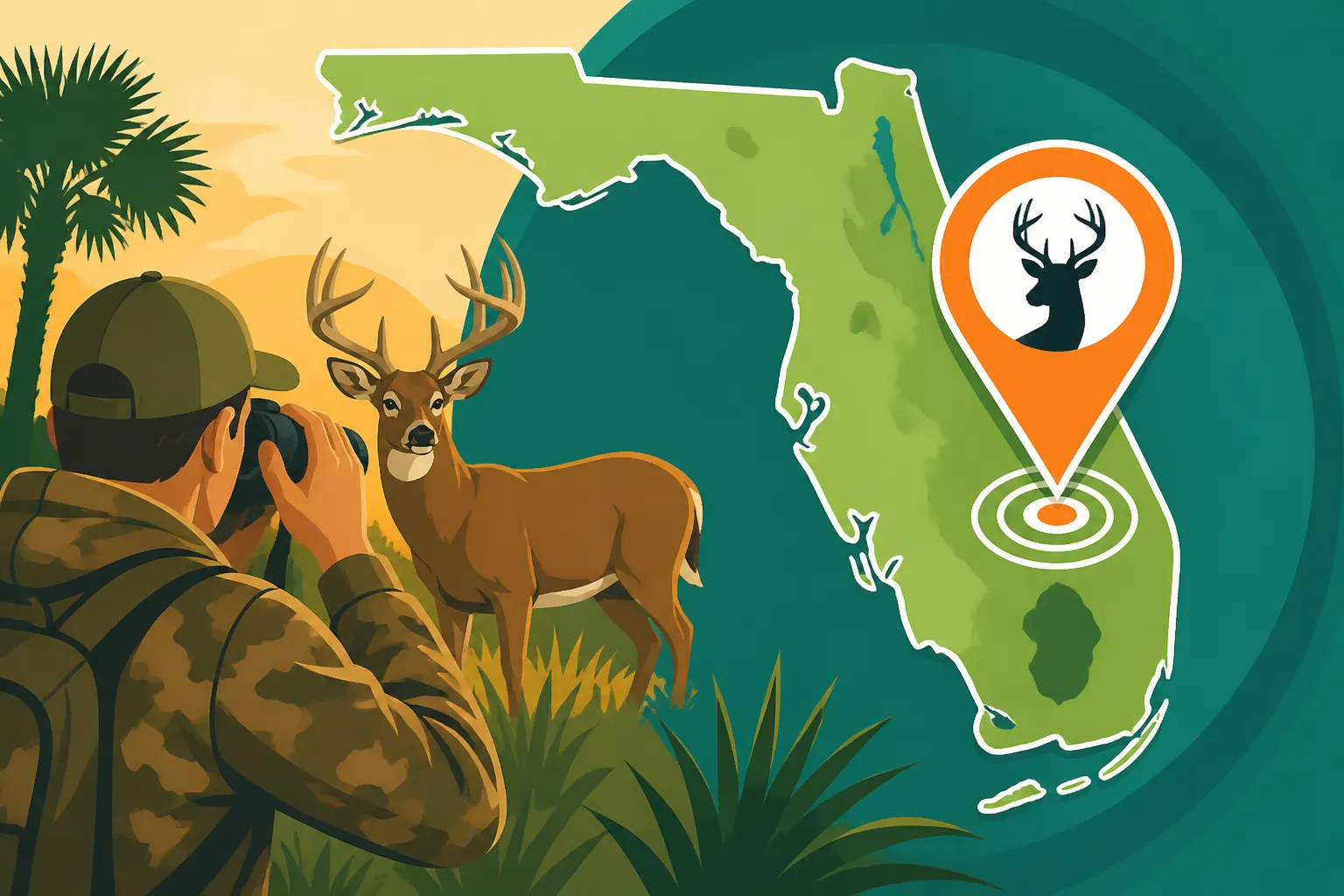
The absolute best place to start when looking for an FWC CWD sampling location is the FWC website. They maintain an interactive map and a comprehensive list of all active drop-off sites, staffed check stations, and participating taxidermists or processors. This map is regularly updated, so it’s always wise to check it just before your hunt, especially if you're venturing into a new area or during an active CWD monitoring period. You can often filter by county or by type of sampling site, making it incredibly user-friendly.
In addition to the FWC's official site, many hunters find third-party hunting apps incredibly helpful for planning their trips and accessing critical information on the go. Apps like GoHunt often integrate FWC data, including CWD sampling locations, WMA boundaries, and other regulations, directly into their mapping layers. This means you can be out in the field, harvest a deer, and quickly pull up the closest drop-off site without having to switch between multiple apps or websites. It truly streamlines the post-harvest process, allowing you to focus on the meat care and the memories rather than stressing about logistics. Remember, being prepared means having this information at your fingertips, and tools like GoHunt can be invaluable for that.
Types of Sampling Locations
The FWC provides several types of CWD sampling locations to accommodate the diverse needs of Florida hunters, and understanding the differences can help you plan your post-harvest strategy. For instance, self-service drop-off sites are often open 24/7 during hunting season. These are typically coolers or freezers located at WMA entrances, FWC public access points, or even partnering rural businesses. You simply place your properly labeled deer head inside, sometimes after filling out a brief form, and the FWC collects them periodically. These are incredibly convenient for hunters who might finish a hunt late in the evening.
Then there are staffed FWC check stations. These are usually temporary setups, often seen during the opening weekends of gun season or special quota hunts on specific WMAs. At these stations, FWC staff will be on hand to personally collect your sample, answer questions, and often help with the sampling process if you're unsure. While less frequent, they offer a direct, hands-on experience and peace of mind knowing the sample is handled by a professional. Finally, many taxidermists and meat processors throughout the state are designated CWD sampling cooperators. If you're already planning to take your deer to one of these businesses, you can often have them take the sample for you as part of their service. Always call ahead to confirm their participation and any associated fees for sampling. This network of options makes it easier for every hunter to contribute to Florida's Deer Disease Monitoring Program.
What to Expect After Submitting a Sample
Once you've done your part and submitted a CWD sample, you'll naturally be curious about the next steps. The FWC has a streamlined process for testing and notification, but it's important to have realistic expectations about timelines and how you'll receive your results. Knowing this can alleviate any anxiety while you wait.
The Testing Process and Timeline
After you drop off your deer head at a sampling location, FWC staff will collect it and transport it to a designated laboratory for processing. Here, specialized technicians will carefully extract the necessary lymph node or brainstem tissue. These samples then undergo sophisticated laboratory tests, often using techniques like immunohistochemistry (IHC) or enzyme-linked immunosorbent assay (ELISA), to detect the presence of CWD prions. This isn't a quick process; it requires meticulous work and specialized equipment, which is why immediate results aren't possible.
The FWC generally aims to provide CWD test results to hunters as promptly as possible, but the turnaround time can vary. It often depends on the volume of samples being processed at any given time, especially during peak hunting seasons. Typically, you can expect results within a few weeks to a couple of months. The FWC will notify you directly, usually via phone or email, once your results are available. This is why it’s absolutely critical that your deer head is labeled with accurate contact information. While you wait, resist the urge to constantly call; they'll get to you when the results are in. Knowing this helps manage expectations and allows you to continue enjoying your venison or planning your next trip, perhaps Hunting Florida's Zone A Split Gun Season.
Understanding Your Role in CWD Prevention
Your contribution doesn't end with submitting a sample. As responsible Florida hunters, we have an ongoing role in preventing the spread of CWD and other wildlife diseases. One of the most important aspects is proper carcass disposal. If you harvest a deer, especially within the CMZ, it's crucial to dispose of the carcass remains – bones, brain, spinal column – in a landfill, not just left in the woods or tossed into a ditch. The persistent nature of CWD prions means that infected tissue can contaminate the environment for years, posing a risk to other deer. Landfills are designed to contain waste and prevent this environmental contamination.
Beyond carcass disposal, educating yourself and others about CWD is vital. Share what you've learned about Florida's Single Confirmed CWD Case and the importance of testing. Encourage fellow hunters to utilize resources like the FWC website or mapping apps such as GoHunt to find sampling locations and stay informed about regulations. Avoid baiting if you're hunting in a CWD Management Zone, as concentrating deer at a single location can increase the risk of transmission. Being an ethical hunter means being mindful of your impact on the ecosystem. Our collective efforts, from proper field dressing and reporting to advocating for best practices, are the strongest defense we have against CWD spreading and impacting our beloved deer herds and hunting traditions here in Florida.
Disclaimer
Please remember that hunting regulations and CWD management protocols can change. Always consult the latest Florida Fish and Wildlife Conservation Commission (FWC) regulations and advisories before heading into the field. This guide is for informational purposes only and should not replace official FWC resources.