Florida Canada Goose Season Dates
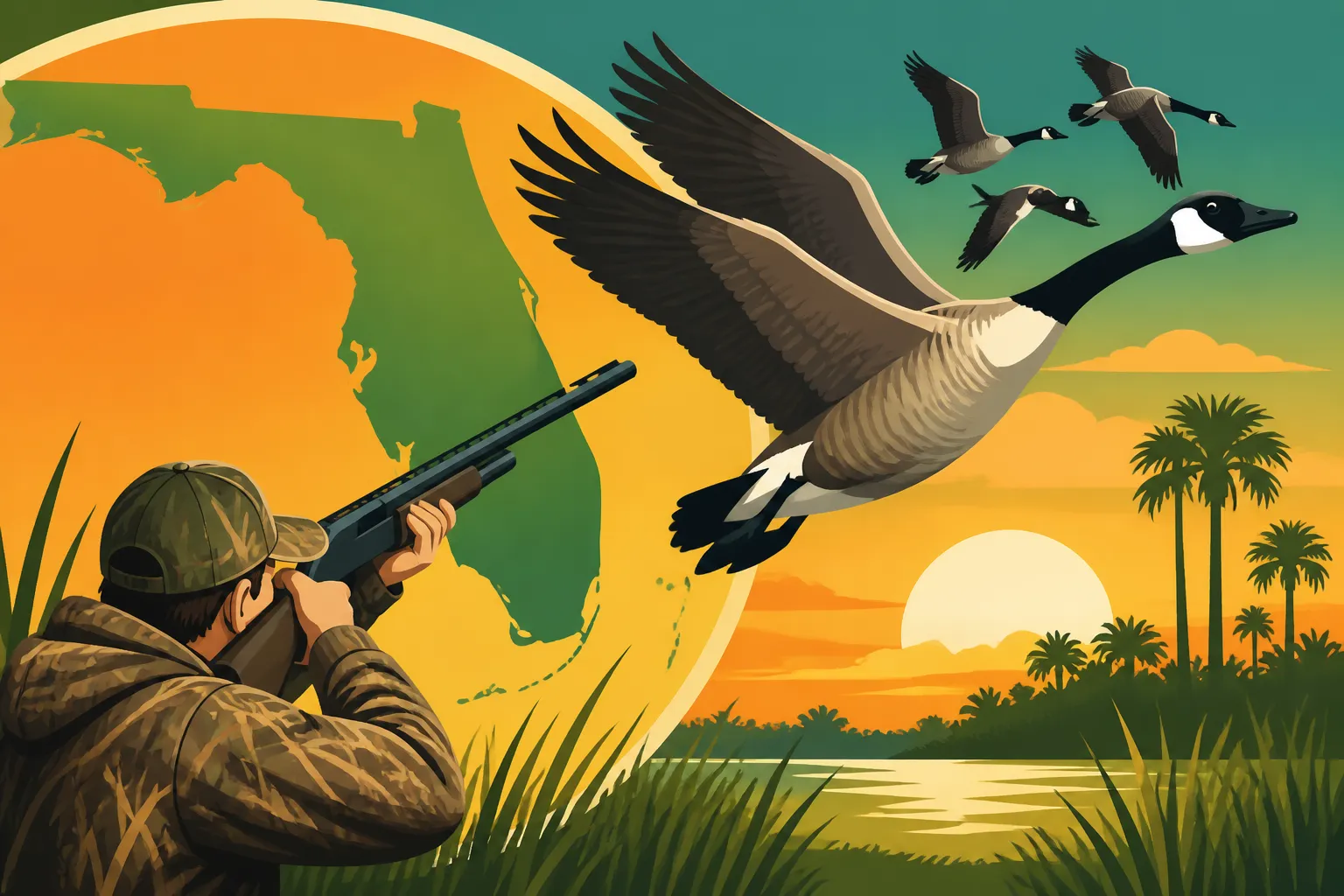
Figuring out the exact season dates for hunting Canada geese in Florida can feel like a bit of a maze, especially when you're trying to align federal mandates with state regulations and still squeeze in some time in the blind. It's not always as straightforward as checking a simple calendar, and the nuances of early seasons versus the main migratory bird periods can really throw a wrench in your planning. This guide aims to unravel all that confusion, giving you a clear picture of Florida's Canada goose season dates, the regulations you need to know, and some practical tips to help you get out there.
Understanding Florida's Migratory Bird Seasons
Hunting migratory birds like Canada geese in Florida isn't just about what the state says; it's a carefully orchestrated dance between federal frameworks and local conditions. The U.S. Fish and Wildlife Service (USFWS) sets the broad guidelines, and then individual states like Florida tailor their specific seasons and bag limits within those federal parameters. This ensures that conservation efforts are consistent across flyways while still allowing for localized management.
The Role of Federal Regulations and Flyways
Every year, the USFWS, in cooperation with flyway councils, establishes regulatory frameworks for migratory bird hunting seasons. Florida falls squarely within the Atlantic Flyway, a major migratory route stretching from the Canadian Arctic to the Caribbean. This flyway concept is crucial because it means birds harvested in Florida might have nested thousands of miles north and passed through many other states. To manage these shared resources sustainably, federal regulations provide frameworks for season lengths, opening and closing dates, and bag limits.
Florida's specific seasons are then carved out within these federal "frameworks" or "splits." For instance, the USFWS might dictate that a state can have a 60-day waterfowl season between September 1st and January 31st, but it's up to the Florida Fish and Wildlife Conservation Commission (FWC) to decide exactly when those 60 days occur, whether they're continuous or split into multiple segments, and how they apply to specific species like Canada geese. This collaborative approach ensures that populations are monitored and protected, even as hunters enjoy their traditions.
How Florida Sets Its Goose Season
The FWC takes the federal guidelines and, considering local bird populations, habitat conditions, and hunter feedback, finalizes the specific dates for Canada goose hunting. This isn't a whimsical process; it involves biological data collection, public meetings, and careful deliberation to strike a balance between hunting opportunities and sustainable resource management. The FWC monitors goose numbers that winter in or migrate through Florida, along with local breeding populations, to make informed decisions.
Sometimes, you'll see specific "early" or "special" seasons for Canada geese. These are often designed to target resident goose populations that have grown to a point where they might cause agricultural damage or become a nuisance in urban areas. These early seasons typically occur before the main influx of migratory birds arrives from the north, offering a unique opportunity for hunters while addressing local management needs. Understanding this two-tiered system—federal frameworks guiding state specifics—is key to grasping why Florida's season dates are structured the way they are.
Florida's Canada Goose Season Dates: The Specifics
Alright, let's get down to brass tacks: when can you actually hunt Canada geese in the Sunshine State? It's often a bit different from other migratory birds like ducks, largely due to resident populations and specific management goals. Florida's FWC carefully delineates these periods, so paying close attention to the dates is paramount to staying legal and enjoying a successful hunt.
Early Teal Season and the Goose Overlap
While we're talking about geese, it's worth noting that Florida has a popular Early Teal Season Dates which typically kicks off in September. Although this season is primarily for blue-winged and green-winged teal, sometimes there's a slight overlap or proximity that can feel confusing when you're trying to keep all the migratory bird dates straight. However, it's crucial to remember that hunting geese during the early teal season is absolutely forbidden unless specifically stated otherwise. Teal have their window, and geese have theirs. Always double-check your FWC regulations handbook to confirm which species are fair game during any given special season. Don't let the excitement of an early opening lead to a misidentification in the field.
Main Season Dates for Canada Geese in Florida
For the 2023-2024 season, Florida offers a specific, earlier window for Canada geese, primarily targeting resident birds, followed by a broader season that aligns with the latter parts of the general duck season. This split approach offers hunters multiple opportunities throughout the fall and winter.
First, there's an Early Canada Goose Season that runs from September 1st through September 25th. This is a fantastic opportunity to target local, resident geese before the major migration events really kick in. You'll often find these birds around retention ponds, golf courses, agricultural fields, and larger lakes across the state.
Following this early period, Canada goose hunting reopens for the Regular Canada Goose Season, which mirrors the last two phases of Florida's general duck season:
- November 20th through November 28th
- December 11th through January 31st
These dates cover the periods when migratory Canada geese are more likely to be present in Florida, alongside our resident birds. It gives hunters a chance to pursue geese through different stages of the migratory cycle. It's always a good idea to confirm these dates with the latest FWC regulations each year, as they can sometimes shift slightly based on federal frameworks and biological assessments. You can find up-to-the-minute information on the official FWC website or use mapping tools like GoHunt, which often integrate these season dates directly into their platforms for easy reference.
Special September Canada Goose Season
The September Canada Goose Season (September 1-25) is particularly noteworthy because it specifically targets resident Canada geese. These are birds that have largely forgone the traditional long-distance migrations and have established breeding populations within Florida. For hunters, this means a unique chance to get out in the early fall, often under warmer conditions than what you'd typically expect for goose hunting further north.
Hunting during this early window requires different tactics than chasing migratory birds later in the season. Resident geese tend to have more predictable patterns, often frequenting the same feeding and roosting sites daily. They might be found in smaller family groups rather than massive flocks. This can be an excellent time to pattern birds using careful observation before the season even opens. Many hunters focus on private land permissions for this season, as residential and agricultural areas often hold significant numbers of these localized geese. However, some public lands with suitable habitats, like certain WMAs, may also offer opportunities, though they often require more diligent scouting to Scouting Florida Public Land Before Season.
Key Regulations Beyond Just Dates
Knowing the dates is step one, but a truly responsible and successful hunter understands that the rulebook extends far beyond just when you can pull the trigger. Florida has specific regulations for migratory bird hunting that cover everything from how many birds you can take to the licenses you must possess. Ignoring these details can quickly turn a great day afield into a costly and frustrating experience.
Bag Limits and Possession Limits
For Canada geese in Florida, the daily bag limit is 5 birds. This means you can't harvest more than five Canada geese in a single day. The possession limit, on the other hand, refers to the maximum number of birds you can have in your possession, either in the field, at your home, or in transit. This limit is typically three times the daily bag limit. So, for Canada geese, the possession limit is 15 birds.
It's vital to keep track of these numbers. Forgetting to count your birds or accidentally exceeding the possession limit, especially on multi-day hunts, is a common pitfall. Always make sure your game is properly tagged or separated if you're hunting with a group to avoid confusion. These limits are set to ensure sustainable harvest rates and prevent overhunting, which could negatively impact the goose population for future seasons. Always refer to the Florida Duck and Goose Bag Limits section of the FWC regulations for the most current information, as these numbers can occasionally be adjusted.
License and Stamp Requirements
Before you even think about setting up your decoys, you need to make sure your paperwork is in order. Hunting Canada geese in Florida requires several specific licenses and stamps:
- Florida Hunting License: This is your basic entry ticket. There are various options, including annual resident licenses, non-resident options, and even lifetime licenses. You can learn more about these costs and types in our guide on Florida Hunting Licenses and What They Cost.
- Florida Migratory Bird Permit: This is a free endorsement required for anyone hunting migratory birds in Florida. It's easy to add when you purchase your main hunting license. It helps the FWC track migratory bird hunter participation. You'll often hear this referred to as your Florida Migratory Bird Certification.
- Federal Duck Stamp: This is arguably the most important stamp for waterfowl hunters. The Federal Migratory Bird Hunting and Conservation Stamp, commonly known as the Federal Duck Stamp, is required for anyone 16 years of age or older to hunt migratory waterfowl. The revenue from these stamps goes directly to conserving wetland habitats critical for waterfowl and other wildlife. You can purchase this stamp at most post offices, FWC license agents, or online. It's a small price to pay for such a significant conservation impact. Our detailed article, Florida Federal Duck Stamp Requirement, can provide more context.
- Harvest Information Program (HIP) Certification: Like the Florida Migratory Bird Permit, this is also a free certification. It's federally mandated for all migratory bird hunters (doves, ducks, geese, woodcock, snipe, coots, rails, etc.) and helps the USFWS gather important harvest data. You'll typically answer a few questions about your previous year's hunting activities when you get your HIP certification.
Remember, having all these in order is non-negotiable. Many hunters use digital apps like GoHunt to keep track of their licenses and tags right on their phone, which is a convenient way to stay compliant in the field.
Legal Shooting Hours and Methods
Legal shooting hours for Canada geese, and most migratory birds in Florida, generally run from 30 minutes before sunrise until sunset. This is a federal standard, but it's crucial to know the precise sunrise and sunset times for your specific location on any given day. Many hunting apps and weather apps provide this information, so you don't have to guess.
As for methods, Florida generally follows federal guidelines. You must use a shotgun no larger than 10-gauge, plugged to hold no more than three shells (one in the chamber, two in the magazine). Nontoxic shot is absolutely mandatory for hunting all migratory waterfowl, including Canada geese. This means lead shot is prohibited. Steel, bismuth, or other approved nontoxic shot types are your only legal options. Make sure you purchase the correct ammunition before heading out. Using lead shot for waterfowl is a serious violation and carries significant penalties.
Also, remember that baiting is strictly prohibited for migratory birds. This means you cannot hunt over areas where grain or other food has been intentionally scattered or placed to attract birds. This includes flooded agricultural fields where grain is present from a previous harvest if it was manipulated to attract birds. Always be aware of your surroundings and any potential baiting situations, even if you weren't the one who placed it.
Scouting and Hunting Canada Geese in Florida
Hunting Canada geese in Florida presents unique opportunities and challenges. Unlike the vast wheat fields of the Midwest, Florida's landscape often means you're targeting birds in unexpected places. Success hinges on good scouting and adapting your tactics to the local environment.
Where to Find Canada Geese in Florida
While many picture geese in northern cornfields, Florida's Canada geese, especially the resident populations, have adapted to our unique environment. You'll typically find them in areas with a combination of water and open feeding grounds:
- Agricultural Fields: Look for geese in peanut fields, recently harvested cornfields (if any), or other row crops, particularly in the Panhandle and northern parts of the state. They're often seeking waste grain or fresh shoots.
- Large Lakes and Ponds: Geese love large, open bodies of water for roosting and security. Think about retention ponds in housing developments, golf course ponds (where hunting is generally prohibited, but they provide roosting for birds that might feed elsewhere), or larger natural lakes in the interior of the state. These often serve as safe havens.
- Pastures and Open Grasslands: Areas with short, grazed grass are attractive feeding sites. Cattle pastures, sod farms, and even large, well-maintained lawns can draw them in.
- Coastal Marshes and Estuaries: While not as common for Canada geese as for ducks, some geese might utilize certain brackish or freshwater marsh areas, particularly where there are open mudflats or short grasses. Our guide to Waterfowl Hunting Florida's Marshes can give you a broader understanding of marsh dynamics.
The key is identifying their patterns: where they roost, where they feed, and the flight path between the two. This often means driving around at dawn and dusk, or using tools like GoHunt's satellite imagery to pinpoint potential areas.
Decoy Spreads and Calling Techniques
Canada geese, even resident ones, are incredibly wary, so your decoy spread and calling need to be on point.
- Decoy Spreads:
- Visibility is Key: Geese have excellent eyesight. Your decoys need to be visible from a distance. Larger decoys, often called "magnum" or "super magnum" decoys, can help.
- Motion Decoys: Adding movement can significantly enhance your spread. Flags, flyers, and even motorized full-body decoys can simulate landing birds and attract attention.
- Natural Spacing: Don't crowd your decoys too much. Geese typically land into the wind and prefer a clear, open landing zone within your spread. A "J" or "U" shape, with the open end facing into the wind, often works well, creating a natural funnel for birds to approach. You can get ideas from tactics used for other waterfowl, like those described in Decoying Wood Ducks in a Cypress Slough, though you'll be scaling up for geese.
- Numbers: While you don't always need a massive spread, having 1-2 dozen quality decoys is a good starting point. For larger fields, more decoys can certainly help.
- Calling Techniques:
- Realism over Volume: While loud hails are sometimes necessary to get attention, accurate, realistic calling is more important. Learn the basic honks, clucks, and moans of Canada geese.
- Confidence Calls: Once birds are working, switch to softer, more reassuring calls to bring them closer. A "feed call" or "cluck" can convince wary birds to commit.
- Timing: Call at the birds, not directly at them. Use calling to get their attention, turn them, and then as they get closer, let the decoys do most of the work. Call less as they get inside 100 yards, especially if they're committed.
- Reading the Birds: Pay attention to how the geese react. Are they flaring from your calling? Are they turning towards your spread? Adjust your calling based on their behavior.
Essential Gear for Goose Hunting
Having the right gear makes a huge difference in comfort and success.
- Shotgun and Ammo: A 12-gauge shotgun is the most popular choice for geese, offering a good balance of power and recoil. As mentioned, nontoxic shot is mandatory. Larger shot sizes, like BB, 1, or 2, are common for geese to ensure clean kills at longer ranges. Brands like Federal, Winchester, and Kent offer excellent nontoxic loads.
- Blinds: Geese are sharp-eyed, so concealment is paramount. Layout blinds, often covered in natural vegetation or specialized camo patterns, are ideal for field hunting. Portable panel blinds can work for field edges or along water bodies. Even a good natural hide can suffice if you're well-camouflaged.
- Camouflage: Full camouflage, matching the environment you're hunting, is essential. Think drab browns, tans, and greens for fields, or marsh patterns for watery areas. Face masks and gloves are a must to break up your outline.
- Weather-Appropriate Clothing: Florida weather can be unpredictable. Even in winter, mornings can be cold, but mid-day can warm up quickly. Layering is key, and waterproof outerwear is always a good idea, especially if you're Reading a Marsh for a Morning Flight early in the morning.
- Binoculars: Essential for spotting distant flocks and identifying flight patterns without exposing yourself.
- Waders: If hunting near water or in muddy fields, chest waders will keep you dry and comfortable.
Important Considerations for Florida Goose Hunters
Hunting Canada geese in Florida, like any hunting pursuit, requires more than just knowing the season dates and regulations. It demands careful planning, respect for access, and an understanding of how local conditions can influence success.
Public vs. Private Land Access
Access to good goose hunting ground can be a major hurdle for many hunters, especially in Florida where public hunting opportunities, while plentiful for some species, can be more challenging for waterfowl.
- Public Lands: Florida does have extensive public lands, including National Forests and numerous Florida Wildlife Management Areas (WMAs). Some of these WMAs, particularly those with large lakes, open pastures, or agricultural areas, might offer goose hunting opportunities. However, good goose hunting on public land can be highly competitive and often requires extensive scouting to find birds and suitable hunting locations away from pressure. It's often a matter of finding those less-traveled spots where geese feel safe enough to feed. The FWC website offers detailed maps and regulations for each WMA, which are invaluable resources. Be sure to check for any specific quota hunts or special regulations that might apply.
- Private Land: Private land offers some of the best opportunities for Canada goose hunting in Florida. Resident geese, in particular, often gravitate towards agricultural fields, large private ponds, and managed pastures. Securing permission from landowners can be a game-changer. This often involves knocking on doors, offering to help with nuisance geese, or building relationships with farmers and ranch owners. Respecting landowner wishes, being polite, and leaving the property cleaner than you found it are crucial for maintaining these valuable relationships. Some hunters even join hunting clubs or lease land to gain access to prime goose habitat.
Weather Impacts on Goose Behavior
Florida's weather, famous for its sunshine, can also be quite variable, and it profoundly impacts goose behavior.
- Cold Fronts: Just like for deer, a strong cold front pushing through Florida can often coincide with fresh pushes of migratory geese from the north. These birds are often hungry and less wary initially, offering prime hunting opportunities. After a few days, however, they might settle into patterns and become more cautious.
- Warm Weather: Extended periods of warm weather can make geese less active during the day, causing them to feed earlier in the morning or later in the evening. During these times, targeting roosting-to-feeding flights can be more productive. Warm conditions also mean you need to be extra vigilant about meat care post-harvest.
- Wind: Wind is a goose hunter's best friend. Geese prefer to land and take off into the wind, making it predictable where they will approach your decoys. A strong, steady wind also helps your decoys move more naturally. On calm days, geese can be much warier, circling endlessly and making it harder to get them into gun range. Always set your decoys and blinds with the wind in mind, anticipating their approach.
- Rain and Fog: Light rain can sometimes improve goose hunting, making birds more active and washing out scent. Heavy rain, however, can make hunting miserable and impact visibility. Fog can limit visibility, making long-range spotting difficult and requiring extreme caution for safety.
Understanding and adapting to Florida's unique weather patterns is essential for consistent success when chasing Canada geese. Keep an eye on the forecast, and don't be afraid to adjust your hunting times or locations based on what Mother Nature throws your way.
Summary of Florida Canada Goose Seasons and Requirements
To help you keep track of all the important details, here's a quick reference table for Canada goose hunting in Florida:
| Season Type | Dates (2023-2024) | Daily Bag Limit | Possession Limit | Required Licenses/Stamps | Nontoxic Shot |
|---|---|---|---|---|---|
| Early Canada Goose Season | September 1 – September 25 | 5 | 15 | FL Hunting License, FL Migratory Bird Permit, Federal Duck Stamp, HIP Certification | Mandatory |
| Regular Canada Goose Season | November 20 – November 28 | 5 | 15 | FL Hunting License, FL Migratory Bird Permit, Federal Duck Stamp, HIP Certification | Mandatory |
| December 11 – January 31 |
Always check the latest FWC regulations for any updates or changes.
Disclaimer
Please be aware that hunting regulations, season dates, and license requirements can change. While every effort has been made to provide accurate and up-to-date information, it is the hunter's responsibility to consult the most current Florida Fish and Wildlife Conservation Commission (FWC) regulations before participating in any hunting activity. This guide is for informational purposes only and does not supersede official FWC rules and guidelines.