Florida Migratory Bird Stamp Cost
Hunting migratory birds in Florida is an incredible experience, but the myriad of licenses, permits, and stamps can sometimes feel like deciphering ancient hieroglyphs. It’s a common frustration for seasoned hunters and newcomers alike to wonder exactly which pieces of paper – or digital records – they need. This guide is here to untangle the specifics of the Florida Migratory Bird Stamp, detailing its cost, who needs it, and how to make sure you're fully compliant before hitting the marsh or dove field.
Understanding the Florida Migratory Bird Stamp
If you're planning to hunt ducks, doves, snipe, coots, woodcock, or geese in the Sunshine State, you’ve likely stumbled upon the term "Florida Migratory Bird Stamp" and wondered what it entails. This isn't just another fee; it's a vital component of conservation efforts, and understanding its purpose can make the purchasing process a lot less confusing.
What the Stamp Supports
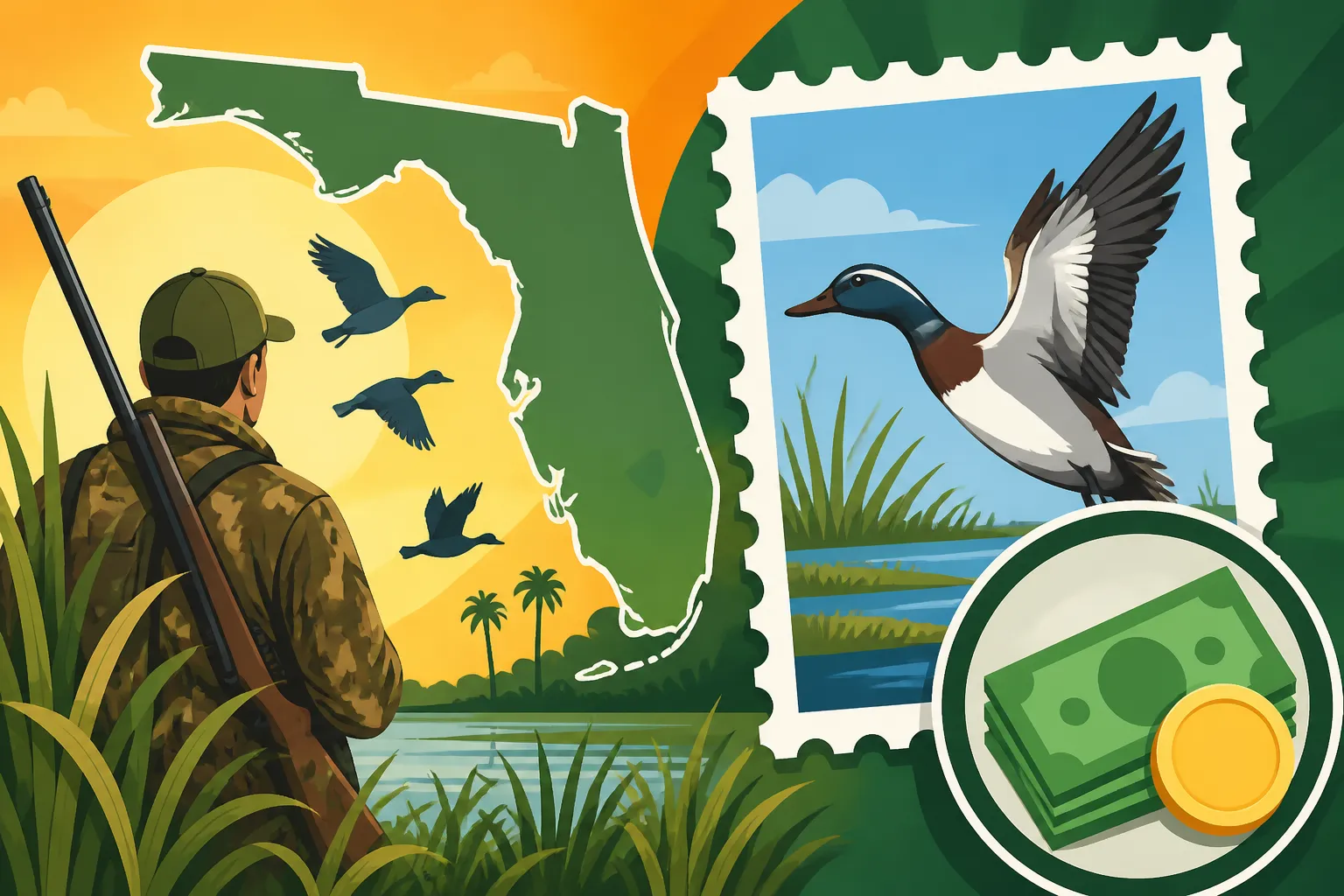
At its core, the Florida Migratory Bird Stamp is a dedicated funding mechanism for migratory bird research, habitat management, and land acquisition within Florida. Think of it as your direct contribution to ensuring the future of these incredible species. When you purchase this stamp, your dollars go towards projects like wetland restoration in the Everglades, managing crucial stopover points along the flyway, and conducting population surveys that inform season setting and bag limits. It’s not just about compliance; it's about investing in the very resources you cherish. This state stamp complements the federal duck stamp, working in tandem to provide a comprehensive funding structure for bird conservation across North America, including critical flyways that pass right through Florida.
Why it's Separate from Other Licenses
Many hunters scratch their heads, asking why they need yet another stamp on top of their base hunting license and a federal duck stamp. The answer lies in specialized conservation. Your base hunting license generally covers resident game species like deer and turkey, contributing to broader wildlife management. The federal duck stamp, a requirement for all migratory waterfowl hunters 16 and older nationwide, primarily funds the National Wildlife Refuge System. The Florida Migratory Bird Stamp, however, focuses specifically on migratory bird conservation efforts within Florida’s borders. It allows the Florida Fish and Wildlife Conservation Commission (FWC) to address unique state-specific challenges and opportunities for migratory birds, such as managing coastal habitats critical for mottled ducks or maintaining dove fields on public lands. This layered approach ensures that resources are allocated effectively to different facets of wildlife and habitat conservation.
Current Costs for Residents and Non-Residents
Navigating the costs of hunting licenses can be tricky, especially with different rates for residents and non-residents, and additional stamps or permits. The Florida Migratory Bird Stamp is a relatively small fee, but it's a non-negotiable one for those targeting migratory species.
Florida Resident Costs Explained
For Florida residents, the cost of the Florida Migratory Bird Stamp is quite affordable, typically running just a few dollars. As of my last check, it costs $5.00. This fee is usually added on top of your base Florida Hunting Licenses and What They Cost and any other necessary permits. For example, if you're a resident planning to hunt ducks, you’d need your annual hunting license, the Florida Migratory Bird Stamp, and a Federal Duck Stamp. While the state stamp is a modest expense, it’s crucial to remember that it’s often overlooked in the excitement of planning a hunt. Don't let a small fee sideline your entire trip because you missed a detail on opening day. Many hunters find it easiest to purchase all their required licenses and stamps at once, either online or at a local retailer, to ensure they have everything covered.
Non-Resident Migratory Bird Stamp Pricing
Non-residents traveling to Florida to hunt migratory birds face a slightly higher, but still reasonable, fee for the state stamp. The Florida Migratory Bird Stamp for non-residents also costs $5.00. This makes the state stamp one of the more equitable fees between residents and non-residents, a welcome relief for those accustomed to significant price disparities in other license types. However, non-residents will also need to factor in their Florida Nonresident License Options which can be substantially higher than resident licenses. For instance, a non-resident coming down for the Florida Duck Season Split Dates would need their Florida non-resident hunting license, the Florida Migratory Bird Stamp, and the federal duck stamp. Planning these costs ahead of time is key, especially if you're traveling from out of state and want to budget accurately for your entire hunting trip. Many non-residents utilize platforms like GoHunt to ensure they've got all their ducks in a row (pun intended!) before their trip, making sure no required stamps or permits are missed.
Additional Federal Requirements
It's absolutely critical to understand that the Florida Migratory Bird Stamp is not a standalone item. If you're 16 years of age or older and plan to hunt migratory waterfowl (ducks, geese, coots), you also need a Federal Migratory Bird Hunting and Conservation Stamp, more commonly known as the "Federal Duck Stamp." This stamp costs $25.00 and is a national requirement, not just a Florida one. It's often available at post offices, sporting goods stores, and online. You'll also need to complete the Florida HIP Certification for Bird Hunters, which is free but mandatory. This is essentially registering with the Harvest Information Program (HIP), a national survey to gather data on migratory bird harvests. Missing any of these three—your base hunting license, the Florida Migratory Bird Stamp, or the Federal Duck Stamp (if waterfowl hunting), plus HIP certification—can lead to hefty fines and a ruined hunt. It's a layer cake of regulations, but each layer serves an important conservation purpose.
Here’s a quick overview of typical migratory bird hunting costs (excluding base hunting license, which varies):
| Requirement | Resident Cost (Approx.) | Non-Resident Cost (Approx.) | Purpose |
|---|---|---|---|
| Florida Migratory Bird Stamp | $5.00 | $5.00 | Florida-specific migratory bird conservation |
| Federal Duck Stamp | $25.00 | $25.00 | Funds National Wildlife Refuges (Waterfowl only) |
| HIP Certification | Free | Free | National harvest data collection (Mandatory) |
Who Needs a Florida Migratory Bird Stamp
Understanding why you need the stamp is one thing, but knowing who specifically is required to carry it can prevent a lot of headaches out in the field. It’s not just for ducks; a range of species falls under this umbrella, making it a critical purchase for many bird hunters.
Covered Species and Hunting Scenarios
The Florida Migratory Bird Stamp is required for hunting any migratory game bird in Florida. This list is broader than many first assume and includes:
- Ducks: All species of ducks, from the common mottled duck you might find in a local marsh to the migratory pintails and mallards that wing their way south. Whether you're hunting in the famous Everglades or setting up decoys for Waterfowl Hunting Florida's Marshes, this stamp is essential.
- Geese: Any goose species, including the occasional Canada goose, though they are less prevalent in Florida compared to northern states.
- Coots: Often hunted alongside ducks, these small, dark birds require the stamp.
- Doves: This is where many hunters get caught. Hunting mourning doves during the Florida Dove Season Opening Day absolutely requires this stamp. This often surprises upland bird hunters who might not consider doves in the same category as waterfowl.
- Rails: Various rail species, often found in marshy habitats.
- Snipe: These elusive, fast-flying birds also fall under the migratory bird category.
- Woodcock: Another migratory shorebird, though less common in Florida harvests.
So, if your hunting plans include chasing teal during the Florida Early Teal Season Dates or pass-shooting doves over a cut field, make sure that Florida Migratory Bird Stamp is tucked safely with your other licenses. It's a common mistake for dove hunters to forget it, assuming it only applies to ducks. Don't be that hunter caught off guard by a wildlife officer!
Exceptions and Exemptions to the Rule
While the general rule is "if you're hunting migratory game birds, you need the stamp," there are a few exceptions that can provide some relief, though they are specific:
- Age Exemptions: Hunters under the age of 16 are generally exempt from needing the Florida Migratory Bird Stamp. However, they still need to be accompanied by a licensed adult hunter. This is a fantastic opportunity to introduce youth to hunting without the full financial burden of licenses and stamps. Similarly, hunters 65 years of age or older who are Florida residents may also be exempt, provided they have a Resident 65+ Hunting and Fishing License. Always double-check current FWC regulations for specific age-related exemptions, as rules can occasionally change.
- Federal Duck Stamp Exemption: While not an exemption from the state migratory bird stamp, it's worth noting that the Federal Duck Stamp is only required for hunters 16 years and older targeting waterfowl. If you're only hunting doves and are 16 or older, you still need your Florida Migratory Bird Stamp and HIP certification, but you wouldn't necessarily need the Federal Duck Stamp. However, given how often hunting plans combine species, it's often simpler to just get it if there's any chance you'll target waterfowl.
- Apprentice Hunter Program: Florida's apprentice hunter license allows individuals to hunt under the supervision of a licensed mentor without first completing hunter education. While this covers the base hunting license, apprentice hunters still need to purchase the Florida Migratory Bird Stamp if they are 16 or older and hunting migratory birds.
It's easy to get lost in the details, so before any hunt, it's always best to review the current year's FWC regulations or use reliable hunting apps like GoHunt to confirm all requirements for the species you intend to pursue. The cost of convenience and peace of mind far outweighs the potential penalty of an oversight.
How to Secure Your Migratory Bird Stamp
Thankfully, obtaining your Florida Migratory Bird Stamp is a straightforward process, designed to be accessible to all hunters. You have several options, whether you prefer the convenience of online purchasing or the personal touch of buying in-person.
Online Purchase Through FWC
The easiest and most common way to get your Florida Migratory Bird Stamp is directly through the Florida Fish and Wildlife Conservation Commission's GoOutdoorsFlorida website. This online portal allows you to purchase all your necessary Florida Resident License Options, permits, and stamps from the comfort of your home, 24/7.
Here’s how it usually works:
- Visit GoOutdoorsFlorida: Head to the official FWC licensing website.
- Log In or Create Account: If you’re a returning hunter, log in with your customer ID. New to Florida hunting? You’ll need to create a profile, which typically involves providing personal details like your name, date of birth, and driver’s license number.
- Select Licenses and Permits: Browse the available options. You'll add your annual hunting license, then locate and add the "Florida Migratory Bird Stamp" to your cart. Don't forget to also add the "Migratory Bird Permit" which is free and covers your HIP certification (Harvest Information Program). For waterfowl hunters, remember to secure your Federal Duck Stamp separately, which can sometimes be purchased through the FWC site as an endorsement or found at usps.com.
- Review and Pay: Double-check your selections, ensuring all dates and types are correct. Proceed to payment with a credit card.
- Print or Save: Once purchased, you'll receive a confirmation email, often with a printable copy of your license and stamps. While digital copies on your phone are usually accepted by FWC officers, it's always a good idea to have a physical printout in your hunting pack as a backup, especially if you're headed to an area with spotty cell service. This seamless online experience, often highlighted by hunting community platforms like GoHunt, removes a common point of friction for hunters trying to prepare for the season.
In-Person Options at License Retailers
For those who prefer a more traditional approach or need to pick up a license last-minute, Florida offers numerous in-person options. You can purchase your Florida Migratory Bird Stamp at:
- Florida County Tax Collector’s Offices: These government offices are authorized to issue FWC licenses and stamps. It's often a good choice if you have other county business to attend to.
- Authorized License Agents: This is a vast network including many Walmart Supercenters, sporting goods stores like Bass Pro Shops or Academy Sports + Outdoors, bait and tackle shops, and even some hardware stores. These retailers are equipped with the FWC licensing system and can process your purchase on the spot. Just ask for the Florida Migratory Bird Stamp and they’ll guide you through the process. They can also issue your base hunting license and help ensure you've completed your HIP certification.
When purchasing in-person, make sure to bring a valid form of identification, such as your driver's license. The staff at these locations are usually very helpful and can answer any questions you might have about Florida Migratory Bird Certification or other requirements.
Ensuring You're Legally Compliant
Ultimately, the responsibility for legal compliance rests squarely on your shoulders. It’s easy to get excited about the upcoming Florida Duck Daily Bag Limit or the challenge of calling in some doves, but overlooking the necessary paperwork can turn a great day into a costly one.
Here are a few tips to ensure you're always legal:
- Check Regulations Annually: Hunting regulations can change from year to year. Always consult the most current FWC regulations handbook (available online or at license agents) before your season begins. This includes dates for species like Florida Early Teal Season Dates or Florida Dove Season Opening Day.
- Keep Proof on Hand: Whether it's a printed copy, a screenshot on your phone, or your physical license card, always carry proof of your Florida Migratory Bird Stamp, Federal Duck Stamp, and base hunting license whenever you are hunting migratory birds.
- Don't Forget HIP: Many hunters forget that the free Migratory Bird Permit (HIP certification) is just as mandatory as the paid stamps. It's a quick checkbox or selection during the purchase process, so make sure you complete it.
- Utilize Online Tools: Platforms like GoHunt and the FWC’s own GoOutdoorsFlorida website are excellent resources. GoHunt often provides state-specific license checklists, which can be invaluable for ensuring you haven't missed anything. The FWC website allows you to view your entire licensing history, confirming what you've purchased.
By taking a few extra moments to understand and secure your Florida Migratory Bird Stamp, you’re not just avoiding a ticket; you’re actively contributing to the conservation of Florida’s amazing migratory bird populations, ensuring that future generations can enjoy these same hunting opportunities.
Disclaimer
Please note: Hunting regulations, license costs, and season dates are subject to change. Always refer to the most current Florida Fish and Wildlife Conservation Commission (FWC) regulations or consult their official website before engaging in any hunting activities. This guide is for informational purposes only and does not supersede official state regulations.