Florida’s One Confirmed CWD Case
Hunting in Florida is a cherished tradition, but sometimes, unexpected challenges emerge that change how we approach our passion. The discovery of Chronic Wasting Disease (CWD) in Florida has cast a shadow of concern for many of us who love chasing whitetails in the Sunshine State. It’s a situation that brings a lot of questions, worry, and a need for clear, practical information. This guide aims to thoroughly explore what CWD is, delve into the specifics of Florida's lone confirmed case, and outline what it all means for hunters and wildlife management moving forward.
Understanding Chronic Wasting Disease
Before we dive into Florida's specific situation, it's crucial to grasp what CWD actually is. Many hunters have heard the term, but the science behind it and its implications can be a bit daunting. It's a disease that strikes at the heart of our deer populations, and understanding it is the first step in facing it responsibly.
What are Prions and How is CWD Transmitted?
CWD isn't caused by a bacteria or a virus in the traditional sense; it's an insidious neurological disease caused by abnormal proteins called prions. Think of these prions as misfolded proteins that can induce normal proteins in a deer's brain and spinal cord to also misfold. This cascade of misfolding eventually leads to irreparable damage to the brain, akin to "spongy" holes developing in the tissue. What makes CWD particularly challenging is the sheer resilience of these prions. They aren't easily destroyed by conventional disinfectants, heat, or even freezing. They can persist in the environment—in soil, plants, and even water—for years, possibly even decades, once an infected animal sheds them through saliva, urine, feces, or decomposition. This environmental persistence means that even after an infected deer is gone, the ground it walked on could remain a source of infection for future deer generations. This is a primary reason why CWD is such a stubborn problem to contain once it establishes a foothold.
Recognizing Symptoms and Disease Progression in Deer
The progression of CWD in an infected deer is slow and relentless, often taking months or even years before obvious symptoms appear. This long incubation period makes early detection incredibly difficult in wild populations. When symptoms do manifest, they are primarily neurological. Affected deer might display drastic weight loss, which is where the "wasting" in Chronic Wasting Disease comes from. You might notice them stumbling, appearing disoriented, exhibiting a vacant stare, or drooling excessively. They often lose their fear of humans and might stand still for long periods. Behavioral changes can include an increased thirst and urination. Unfortunately, once these clinical signs become apparent, the disease is advanced, and it is always fatal. There is no known cure, vaccine, or treatment for CWD. The slow, debilitating nature of the disease is heartbreaking to witness and poses a significant challenge for wildlife managers trying to identify and remove infected animals before they can spread more prions.
Why CWD is a Major Concern for Hunters and Wildlife
The concern surrounding CWD extends far beyond just the individual deer that contract it. For hunters, it raises questions about the health of the herd, the safety of consuming venison, and the future of hunting opportunities. Imagine spending years scouting a particular area, only to find out that a disease like CWD has entered the local deer population. The disease can lead to localized population declines, especially in areas with high deer densities, impacting future hunting seasons and opportunities. Economically, CWD can hit rural communities that rely on hunting tourism hard. Beyond that, the fact that Cions are resistant to degradation means they can contaminate large areas, making eradication incredibly difficult. While there's no evidence CWD can transmit to humans, it's prudent to avoid consuming meat from CWD-positive animals, leading to concerns about meat safety. The potential long-term impacts on deer populations and the ecosystems they inhabit make CWD a grave threat that demands a robust, coordinated response from wildlife agencies and hunters alike. The stakes are incredibly high for the future of White-Tailed Deer Across Florida.
Florida's First Confirmed CWD Case
For years, Florida was one of the few states in the continental U.S. without a confirmed case of CWD. That changed, and it was a moment many of us in the hunting community had dreaded. Understanding the specifics of this first case is vital to comprehending the state's subsequent actions and the broader implications.
Identifying the First Case: Location and Timeline
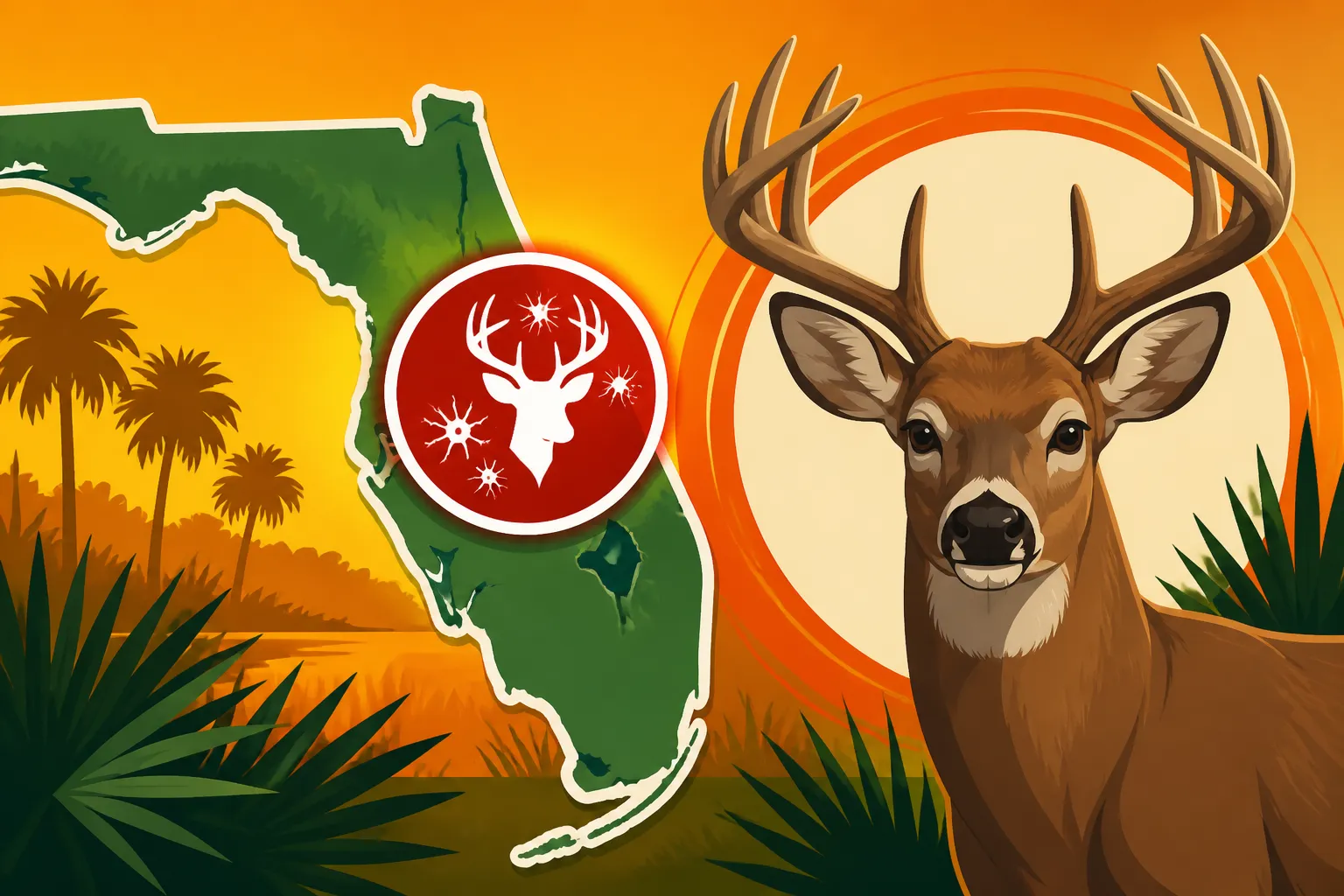
Florida's wildlife management community, along with dedicated hunters, had been on high alert for CWD for a long time. The state's first confirmed case was detected in Holmes County, located in the Florida Panhandle. This area borders Alabama, a state that had previously detected CWD. The positive result came from a sample collected from a deceased doe on private property in June. It was a somber day for Florida's wildlife conservation efforts, confirming that CWD had indeed breached our borders. This particular deer, exhibiting no overt symptoms, was part of routine surveillance efforts—a testament to the importance of proactive testing. The timeline of its detection highlights how critical continuous monitoring is, as infected animals often show no outward signs until the disease is far advanced. This initial detection immediately triggered a cascade of protocols designed to assess the spread and mitigate further risk.
Initial Surveillance and Testing Efforts
Following the confirmation in Holmes County, the Florida Fish and Wildlife Conservation Commission (FWC) immediately launched an intense, localized surveillance and testing effort. This wasn't just a casual check; it was a concentrated push to determine the extent of the disease's presence. FWC staff worked closely with landowners and hunters in the area to collect samples from deer harvested during hunting seasons, as well as from road-killed deer and those exhibiting any signs of illness. The goal was to cast a wide net, collecting as many samples as possible from within and around the immediate vicinity of the positive detection. This rapid response is crucial for understanding whether the initial case was an isolated incident or if the disease had already begun to spread undetected. It's a monumental undertaking, requiring significant resources and cooperation from everyone involved, from state biologists to local hunters willing to provide samples from their harvest. These early efforts help define the scope of the problem and inform the next steps in management.
Establishing the CWD Management Zone
In response to the confirmed case, the FWC swiftly established a CWD Management Zone. This isn't just a theoretical line on a map; it's a designated area where specific, stringent regulations are put into place to limit the potential spread of the disease. The primary goal of this zone is to contain CWD within its boundaries and prevent its movement to other parts of the state. These zones typically encompass the county where the positive case was found and often include adjacent counties or portions thereof that are deemed high-risk due to deer movement patterns or proximity. For hunters operating within Florida's Holmes County CWD Zone, this means a new set of rules regarding how they can hunt, process, and transport deer. These restrictions are challenging, no doubt, but they are a critical tool in the fight against CWD. Staying updated on these regulations can feel like a full-time job, but tools like GoHunt can really help hunters keep track of changing zone boundaries and rules, ensuring you're always operating within the law.
Florida's Response and Management Plan
Once CWD was confirmed, Florida didn't waste any time. The state's response was immediate and comprehensive, drawing on established protocols and lessons learned from other states that have battled this disease. The plan focuses on aggressive measures to detect, contain, and prevent further spread.
Enhanced Surveillance and Sampling Programs
One of the cornerstones of Florida's CWD management plan is an amplified surveillance and sampling program. This isn't just about waiting for symptomatic deer to show up; it's about actively seeking out the disease. FWC has significantly increased its efforts to collect tissue samples from harvested deer, road-killed deer, and any deer found dead or exhibiting unusual behavior, particularly within and surrounding the CWD Management Zone. This often involves establishing mandatory CWD testing requirements for hunters in certain areas, meaning if you harvest a deer in that zone, you're required to submit a sample for testing. This helps build a clearer picture of where the disease might be present and its prevalence. Biologists are literally out there, boots on the ground, working tirelessly. Hunters also play a crucial role by reporting sick or unusual-acting deer through the state's wildlife alert hotline, which triggers FWC investigation and sampling. This collaborative approach is vital for the ongoing Florida's Deer Disease Monitoring Program.
Strict Carcass Movement Restrictions
A critical component of controlling CWD spread is preventing the movement of potentially infected deer carcasses. Since prions can persist in skeletal muscle, brain, and spinal tissue, transporting a whole deer from an infected area to a clean area poses a significant risk. Within Florida's CWD Management Zone, strict rules are in place regarding Moving a Deer Carcass Out of a Surveillance Zone. Typically, this means that only deboned meat, antlers (with all soft tissue removed), hides (also cleaned of all tissue), and clean skull plates or taxidermy mounts can be transported out of the zone. The parts considered high-risk—such as the brain, spinal cord, eyes, spleen, and lymph nodes—must remain within the zone and be disposed of properly, usually in approved landfills. This can be a major adjustment for hunters who are used to processing their deer at home, sometimes many miles from their hunting spot. It might require on-site field dressing and careful preparation before leaving the zone, or using a certified processor within the CWD area.
Baiting and Feeding Regulations
Because CWD prions can linger in the environment, any activities that concentrate deer in a small area increase the risk of disease transmission. This includes baiting and supplemental feeding, which can bring multiple deer into close contact over shared food sources, allowing for easy transfer of prions through saliva or excrement. In response to the confirmed CWD case, Florida has implemented or may implement regulations restricting or prohibiting baiting and supplemental feeding within the CWD Management Zone. While baiting for deer is a common practice in many parts of Florida, particularly on private lands, these restrictions are a tough but necessary step. It means hunters and landowners in affected areas need to rethink their strategies, shifting away from attracting deer with food piles and focusing more on natural forage, cover, and travel corridors. This measure aims to reduce the density of deer at common points, thereby minimizing the chance of disease spread from one animal to another, or from the environment to an animal.
Impact on Hunters and Hunting Practices
The confirmation of CWD in Florida undoubtedly changes the landscape for deer hunters, especially those operating in or near the CWD Management Zone. It's not about giving up hunting, but about adapting to new realities and becoming an active part of the solution.
Mandatory Testing and Reporting Requirements
For hunters, one of the most significant changes in a CWD-affected area is the implementation of mandatory testing and reporting. If you're hunting in the CWD Management Zone, or even certain adjacent areas, you will likely be required to submit a sample from your harvested deer for CWD testing. This isn't optional; it's a legal requirement. FWC will typically set up drop-off locations or coordinate with taxidermists and meat processors to facilitate sample collection. Knowing CWD Testing for Florida Hunters procedures and deadlines is crucial. This means that after a successful hunt, your work isn't done until that sample is submitted. While it adds an extra step to the hunting process, it's a vital one. It provides FWC with the data they need to track the disease, understand its spread, and make informed management decisions. Before heading out, I always recommend checking the latest FWC updates, and often a platform like GoHunt provides quick access to this critical information, overlaid on helpful mapping features.
Changes to Deer Hunting in Affected Areas
Beyond testing and carcass restrictions, CWD can bring broader changes to deer hunting within the management zone. You might see modifications to bag limits, season lengths, or even specific antler regulations, all aimed at managing the deer population in a way that minimizes disease transmission. For instance, in some CWD zones in other states, antlerless harvests might be encouraged to reduce overall deer density. Public lands within the zone might have different rules than private lands, or special permits could be required. It’s imperative to thoroughly review the FWC regulations for the specific area you plan to hunt, especially within the CWD Management Zone. What was legal last year or in a different county might not be permissible now. These changes can be frustrating, especially when they disrupt long-standing traditions, but they are implemented with the long-term health of the deer herd in mind. Keeping up with these localized rules, which can vary even within a single hunting season, is crucial for responsible participation.
Processing and Handling Harvested Deer Safely
Even outside of the CWD Management Zone, and especially if you're processing deer harvested from an area near a CWD case, proper handling is paramount. While consumption of venison from CWD-positive animals is not recommended, taking precautions during field dressing and processing is always a good idea. Wear gloves when handling any deer, particularly when field dressing. Avoid contact with brain and spinal tissues, and when butchering, minimize contact with lymph nodes and spleen. Always thoroughly clean knives and processing equipment with a bleach solution after use. For those hunting within the zone, you'll need to strictly adhere to the carcass movement rules mentioned earlier, ensuring only deboned meat and cleaned trophies leave the area. This often means field-dressing more thoroughly than usual or even deboning the entire animal on-site. Remember, safety first for yourself and to prevent any potential spread. When planning your hunt, especially in or near a CWD zone, precision is key. Utilizing advanced mapping features, similar to those offered by GoHunt, can help you understand property lines and stay compliant with carcass transport regulations.
Here's a quick guide to CWD management zone best practices for hunters:
| Action | Within CWD Management Zone | Outside CWD Management Zone (but cautious) |
|---|---|---|
| Carcass Transport | Deboned meat, cleaned skull plates, cleaned hides, antlers only. | Whole carcass usually allowed, but consider local regulations. |
| Testing | Mandatory submission of samples for harvested deer. | Voluntary submission encouraged, especially for symptomatic deer. |
| Baiting/Feeding | Prohibited or heavily restricted. | Check local regulations; generally discouraged near positive cases. |
| Field Dressing | Wear gloves. Avoid contact with brain/spinal cord. | Wear gloves. Standard practices. |
| Disposal of Parts | High-risk parts (brain, spine) must remain in zone, properly disposed. | Dispose of parts responsibly; consider landfill for high-risk. |
| Equipment Cleaning | Thoroughly clean all tools with bleach. | Standard cleaning practices. |
| Reporting Sick Deer | Immediately report to FWC hotline. | Immediately report to FWC hotline. |
Future Outlook and Prevention Strategies
The fight against CWD is a marathon, not a sprint. Florida's single confirmed case means we are at a critical juncture, and the actions taken now and in the coming years will largely determine the disease's trajectory in the state. Our long-term success hinges on a combination of persistent monitoring, hunter education, and adaptive management.
Long-Term Monitoring and Research Strategies
Florida's wildlife agencies are committed to long-term monitoring strategies to track CWD and understand its presence within the state. This means continued surveillance, not just in Holmes County, but statewide, to ensure early detection of any new cases. Research will also play a crucial role in developing better diagnostic tools, understanding environmental persistence of prions in Florida's unique ecosystems, and exploring potential management interventions. This proactive approach helps ensure that as much as possible is known about Florida's CWD-Monitored Deer Herd. It's a continuous effort that requires dedication from biologists, funding for research, and sustained cooperation from the public. We can't afford to become complacent, even if years pass without another confirmed case. The persistence of prions means the threat remains, and only vigilant monitoring can provide the data needed for effective management.
The Role of Hunter Education and Cooperation
Hunters are undeniably the front line in the fight against CWD. We spend more time in the deer woods than anyone else, and our observations, adherence to regulations, and willingness to participate in sampling efforts are invaluable. Education is key. Understanding why certain rules are in place, like Why CWD Testing Continues After Four Clean Years or why carcass movement is restricted, helps foster compliance. Hunters should actively seek out information from FWC, attend local informational meetings, and share accurate information with their peers. Our cooperation in submitting samples, reporting sick deer, and adhering to baiting and carcass transport rules directly contributes to the success of prevention and management efforts. This shared responsibility ensures that we, as stewards of the wildlife, are doing everything we can to protect future generations of deer and maintain our hunting heritage. Always verify information directly with FWC resources, or reliable platforms like GoHunt which often compile such critical regulatory details for ease of access.
Responsible Wildlife Management and Future Health of Herds
Ultimately, the future health of Florida's deer herds depends on robust and adaptive wildlife management. This involves a dynamic approach that can adjust to new scientific findings and changing environmental conditions. It means making tough decisions based on the best available science, even if those decisions are unpopular with some segments of the public. Management might involve targeted removals of deer in certain areas to reduce densities, ongoing habitat management to promote healthy deer populations, and strict enforcement of regulations to prevent human-assisted spread of CWD. The goal is to minimize the impact of CWD and ensure that Florida's deer populations remain healthy and huntable for years to come. It’s a collective effort that requires ongoing commitment from the state, landowners, and every single hunter who cherishes the opportunity to pursue White-Tailed Deer Across Florida.
Disclaimer
This article is for general informational purposes only and does not constitute professional advice. Laws, prices and regulations vary by location and change over time. Consult a qualified professional for guidance on your specific situation.