Florida Deer Density by Region
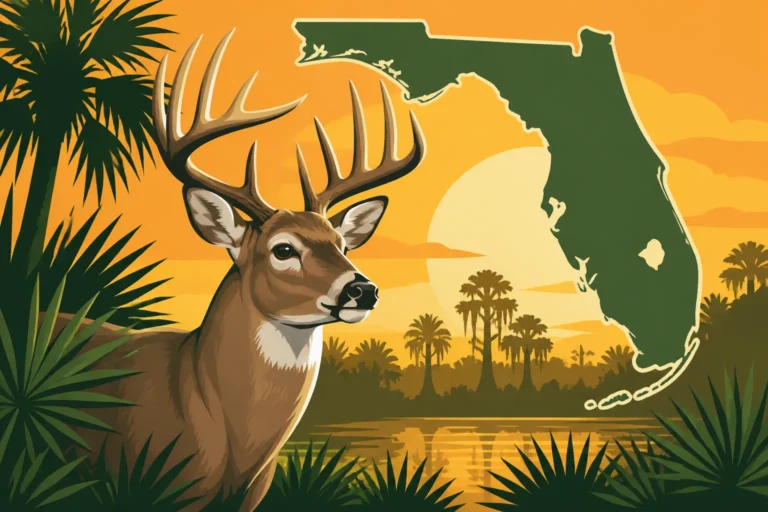
One of the biggest frustrations for deer hunters in Florida is the sheer variability of the herd from one part of the state to another. You can spend weeks scouting a prime-looking piece of land, only to find deer sign scarce because you're in an area with naturally lower deer density. This guide is all about peeling back the layers on Florida's unique deer populations, helping you understand where the deer are and, more importantly, why they are there, so you can focus your efforts and increase your odds of success.
Understanding Florida's Deer Landscape
Florida is a vast state, stretching from the temperate panhandle all the way down into the subtropical Everglades. This incredible diversity in climate and habitat means that deer populations don't conform to a neat, uniform pattern like they might in other states. What works for deer in the dense pine forests up north is completely different from what they need to thrive in the palmetto flatwoods of central Florida or the vast, wet expanses down south. Understanding these fundamental differences is the first step toward becoming a more effective hunter here.
Why Density Matters to Hunters
When we talk about "deer density," we're essentially talking about how many deer per square mile inhabit a given area. For us hunters, this isn't just an academic number; it's a critical piece of the puzzle that directly impacts our success. If you're hunting in an area with high deer density, you're likely to see more deer, have more opportunities, and potentially harvest a deer more easily. The sign will be more abundant—tracks, rubs, scrapes, and droppings will be everywhere. This allows for a wider range of hunting tactics, from still-hunting to setting up on trails.
Conversely, if you're in a low-density area, seeing a deer can be a rare event. You'll need to be far more patient, meticulous in your scouting, and often cover more ground to even get a glimpse of a whitetail. The margin for error shrinks considerably. Knowing the typical density for a region can help set realistic expectations and inform your strategy. It influences everything from deciding whether to invest heavily in trail cameras to how frequently you should move your stand. It also helps you understand why some areas seem to consistently produce while others are a grind.
The Unique Challenges of Florida Deer Habitat
Florida's habitats are as unique as its deer. We're not talking about vast cornfields or sprawling oak forests that dominate the landscape for hundreds of miles. Instead, Florida is a mosaic of cypress swamps, pine flatwoods, palmetto scrub, oak hammocks, and extensive agricultural lands. Each of these habitats presents distinct challenges for deer, from seasonal flooding to limited high-quality forage. This means deer are often concentrated in specific "pockets" within a larger landscape, making generalized predictions difficult.
For instance, much of the year, particularly in the rainy season, large tracts of land can be underwater, forcing deer into higher, drier ground. This can temporarily increase density in those elevated areas while making other, normally productive areas unusable. Then there's the sandy soil, which often struggles to hold moisture and nutrients, impacting the quality and quantity of natural browse. These environmental factors force deer to adapt, often leading to smaller body sizes, especially noticeable when you compare them to the robust bucks of other states. It's why hunters often comment on Why South Florida Deer Run Smaller. Navigating these varied conditions requires local knowledge and a deep appreciation for the specific ecosystems the deer call home.
Regional Breakdown of Deer Density
Florida's deer herd, like everything else in the state, is influenced by distinct regional characteristics. While exact numbers fluctuate annually based on environmental factors, hunting pressure, and management efforts, we can certainly identify trends in deer density across the state's major geographic regions. This breakdown isn't just about drawing lines on a map; it's about understanding the ecological reasons behind where deer thrive and where they face tougher challenges.
North Florida: Panhandle and Northern Peninsula
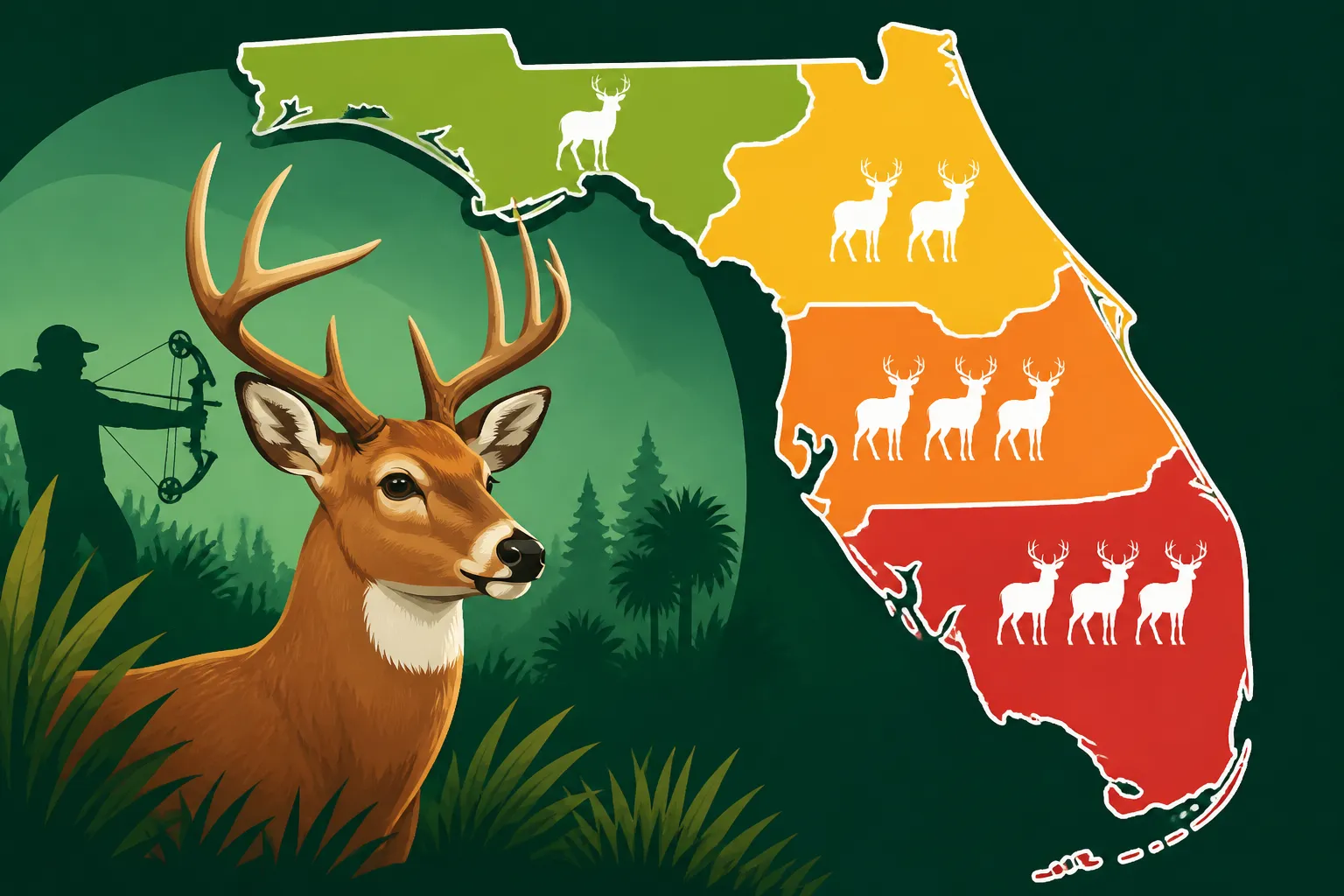
When you think of traditional deer hunting in Florida, your mind often goes straight to the Panhandle and the northern part of the peninsula. This region, encompassing much of Deer Management Zone D and parts of Zone C, generally boasts the highest deer densities in the state. The habitat here often resembles that of neighboring Georgia and Alabama, with extensive pine forests, hardwood hammocks, agricultural fields, and river bottoms. The soils tend to be more fertile, supporting a richer diversity of forage, including acorns from widespread oak trees, which are a critical food source.
Areas like the Apalachicola National Forest or private timberlands in counties such as Jackson, Bay, and Washington often hold robust populations. Public lands here, while popular, can still offer excellent opportunities for deer hunters. The rut also tends to be more pronounced and aligns with traditional fall hunting seasons, making deer behavior more predictable. You'll find good densities even on heavily pressured public land if you're willing to walk a bit deeper. This northern zone is truly the heartland for White-Tailed Deer Across Florida in terms of sheer numbers.
Central Florida: The Ridge and Inland Wetlands
Moving south into Central Florida, including much of Zone C and portions of Zone B, the landscape begins to shift, and with it, deer densities can become more localized. This region is characterized by the Central Florida Ridge, a spine of higher, sandier ground, interspersed with vast wetlands, cypress swamps, and developing urban areas. Deer here often gravitate towards the interfaces of these habitats: the edges of cypress swamps, oak hammocks within pine flatwoods, and areas adjacent to agricultural operations like citrus groves or cattle ranches.
While overall densities might not reach the uniform levels of the Panhandle, pockets of high density can exist, particularly where private lands manage habitat for deer or where public lands like the Green Swamp Wilderness Preserve offer diverse ecosystems. The challenge for hunters in Central Florida is often identifying these specific deer havens. Areas around Lake Okeechobee and the Kissimmee River basin, with their mix of wet and dry cover, can also hold surprising numbers of deer. Access can be a bigger hurdle here, as much of the prime habitat is privately owned.
South Florida: Everglades and Agricultural Lands
South Florida presents the most unique and often challenging deer hunting environment in the state, encompassing Zone A and the southern reaches of Zone B. This region is dominated by the vast Everglades system, expansive palmetto prairies, and significant agricultural lands. Deer densities here are generally lower than in the northern parts of the state, and the deer themselves tend to be smaller-bodied, a testament to the unique ecological pressures.
However, "lower density" doesn't mean "no deer." Instead, deer are highly concentrated in specific areas that offer elevation, diverse forage, and escape cover. The tree islands, cypress domes, and elevated dry ridges within the Everglades can hold significant numbers of deer, especially during high water periods. Similarly, agricultural areas, particularly those with sugar cane or vegetable crops, provide abundant food sources, and deer will often bed in adjacent cover. The challenge in South Florida is not just finding the deer, but accessing these often remote and challenging habitats. Hunters might find higher concentrations on large private ranches that actively manage for wildlife or within specific Wildlife Management Areas designed to protect deer populations.
Factors Influencing Deer Density
Deer density isn't a static number; it's a dynamic reflection of a complex interplay of environmental, biological, and human factors. Understanding these influences can give you a real edge in predicting where deer might be abundant and where they might be struggling. It’s not just about looking at a map, it’s about reading the landscape and appreciating the science behind it.
Habitat Quality and Food Availability
The most fundamental driver of deer density is habitat quality, which boils down to food, water, and cover. In Florida, this is particularly nuanced. Areas with a consistent supply of high-quality forage – think varied browse, succulent forbs, and mast crops like acorns – will support higher deer numbers. A good mast crop year, for example, can directly correlate to increased deer health and fawn survival, boosting populations. Conversely, areas with poor soil, monoculture timber, or extensive seasonal flooding that reduces available browse will struggle to sustain dense deer populations.
Take, for instance, a rich oak hammock bordering a planted pine forest. The hammock provides crucial acorns and diverse understory plants, while the pine forest offers bedding cover. This juxtaposition creates a microhabitat that can support a much higher deer density than either habitat type in isolation. When you're Scouting Florida Public Land Before Season, you should always be looking for these transitions and diverse pockets that offer all of a deer's needs. The availability of clean, fresh water is also paramount, especially in dry periods, concentrating deer around wetlands, ponds, and sloughs.
Predation and Disease Pressure
Predation and disease are natural population controls that directly impact deer density. Florida's black bear population, while not a primary deer predator, can occasionally take fawns. However, coyotes are widespread across Florida and are significant predators of fawns, especially in the early weeks of their lives. Bobcat populations also contribute to fawn predation. In areas with high predator numbers, fawn recruitment (the number of fawns that survive to breeding age) can be lower, leading to reduced deer density over time.
Diseases like hemorrhagic disease (EHD/Bluetongue) can also cause localized die-offs, drastically reducing deer numbers in specific areas for a season or two. While Florida has only had Florida's Single Confirmed CWD Case in recent years, the threat of chronic wasting disease (CWD) is a major concern, as it could fundamentally alter deer populations and management strategies if it spreads. These biological factors can be unpredictable and are a constant consideration for wildlife managers aiming to maintain healthy, sustainable deer populations.
Human Impact: Development and Hunting Pressure
Human activity profoundly shapes deer density. Urban and suburban sprawl directly reduces available deer habitat, fragmenting forests and turning once-wild areas into residential zones. While deer can adapt to living alongside humans, their movements become restricted, and their numbers are typically lower in heavily developed areas. Road networks also pose a significant threat through vehicle collisions.
On the other hand, hunting pressure is a direct and managed form of human impact. In areas with high hunting pressure, especially on public lands, deer densities may be kept in check by harvest numbers. Ethical hunting, guided by sound science, is a vital tool for managing deer populations, preventing overbrowsing of habitat, and reducing disease transmission. However, excessive pressure can make deer more nocturnal and wary, making them harder to hunt even if numbers are still decent. Land management practices, such as prescribed burns, timber harvesting, and establishing food plots, also play a huge role. Many landowners and managers leverage platforms like GoHunt to understand game movements and plan habitat improvements, which can significantly alter local deer densities.
How Hunters Can Use Density Information
Knowing where deer are generally more abundant is one thing, but actually translating that knowledge into successful hunting trips is another. It's about combining statewide trends with on-the-ground scouting and strategic planning. Don't just pick a spot based on a general idea; dig deeper and use all the tools at your disposal to pinpoint those deer-rich areas.
Researching Public and Private Land Opportunities
For hunters, understanding deer density is crucial for selecting where to spend precious hunting time. If you're targeting public lands, knowing which regions typically hold higher densities can guide your initial search. For example, a hunter looking for a greater chance of success on a general gun hunt might prioritize areas in the Florida Panhandle or specific WMAs known for their robust populations. Websites like GoHunt offer detailed mapping and data layers that can help you visualize habitat types and potential high-density zones before you even leave your couch. You can cross-reference FWC harvest reports to see which WMAs consistently produce good numbers, which often correlates to higher local densities.
On private land, density information becomes even more targeted. If you have access to a specific property, understanding its local density can help you decide if it's worth the investment in food plots or habitat improvements. For those looking to lease, a property in a high-density region often commands a higher price, but the potential for success is also greater. Don't forget to consider areas adjacent to large agricultural tracts, as deer often use these as prime feeding grounds, then retreat to nearby cover. Always remember that even in lower density regions, there are always pockets of excellent hunting, you just have to work harder to find them. Looking into specifics like Best Florida Counties for Big Bucks can help you narrow your focus even further.
Adapting Hunting Strategies to Density
Once you have a sense of the regional and local deer density, you can adapt your hunting strategies accordingly. In high-density areas, deer movement might be more predictable, with established trails and consistent bedding areas. Here, stand hunting over natural food sources, Hunting a Funnel Between Two Palmetto Heads, or along heavily used travel corridors can be highly effective. The competition for resources, even among deer, can make them less wary of minor disturbances. You might even consider hunting the early season, like Hunting Florida's Zone A August Opener, when deer patterns are still somewhat predictable.
In contrast, hunting low-density areas demands a completely different approach. Deer are likely more spread out, and their patterns might be less defined. This is where active scouting, covering a lot of ground, and being incredibly stealthy become paramount. You might need to rely more on still-hunting or spot-and-stalk tactics. Trail cameras become invaluable for identifying the few deer that do inhabit an area and understanding their movements. Patience is key, and often, success comes down to intercepting a single deer rather than expecting multiple encounters. It also requires an understanding of how Florida's deer respond to pressure and their subtle signs on the landscape. Using resources like GoHunt's mapping features can also aid in identifying isolated pockets of cover or water sources that might concentrate deer in otherwise sparse areas.
Disclaimer
This article is for general informational purposes only and does not constitute professional advice. Laws, prices and regulations vary by location and change over time. Consult a qualified professional for guidance on your specific situation.