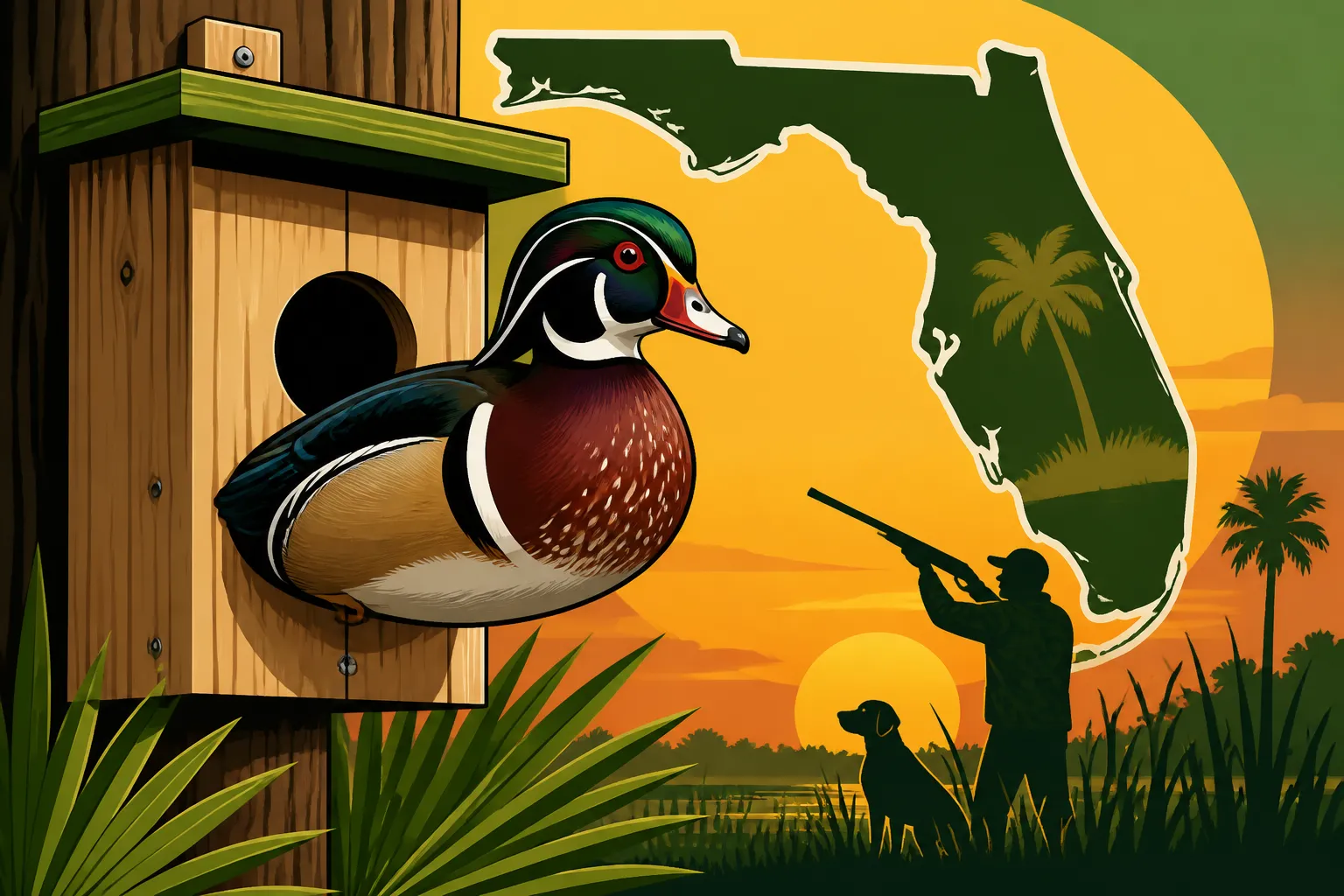
Florida Wood Duck Nesting Boxes
It's tough to see prime habitat disappearing, especially when it comes to our beloved waterfowl. Here in Florida, development and natural changes mean that finding those perfect, sheltered tree cavities for nesting wood ducks can be a real challenge for the birds. But don't despair! This guide is all about how we can lend a helping hand by setting up wood duck nesting boxes, giving these beautiful birds a safe, productive place to raise their broods right in our backyards or favorite hunting spots.
Why Wood Ducks Need Our Help in Florida
Wood ducks are undeniably one of the most striking waterfowl species we have in Florida, with their vibrant plumage and unique, tree-nesting habits. Unlike many ducks that nest on the ground, woodies prefer the cozy, secure confines of a hollow tree cavity, often over or near water. But the reality on the ground, or rather, in the trees, is that these natural nesting spots are becoming harder and harder to come by, especially in areas experiencing human encroachment or significant timber harvest.
The Shrinking Supply of Natural Tree Cavities
Think about it: old-growth trees with big, natural hollows are pretty precious. They take decades, sometimes centuries, to form, and they're not just good for wood ducks; they're vital for a whole host of other wildlife, too. As our state continues to grow, and as land management practices shift, those venerable old trees that offer perfect, ready-made nurseries are becoming scarcer. A good cavity needs to be the right size, have a small enough entrance to deter larger predators, and be deep enough to protect eggs and ducklings. It’s a tall order, and when there aren’t enough options, wood duck populations can struggle, even with abundant food and water. We've seen similar challenges with other cavity-nesting birds, and it really highlights the need for direct intervention.
Predation Pressures on Nesting Wood Ducks
Even when wood ducks find a suitable natural cavity, it’s not always a guarantee of safety. Raccoons, snakes, and even opossums are formidable predators that can access natural tree cavities, especially if the entrance is too wide or the tree bark offers easy climbing. When a hen is incubating, she's vulnerable, and a predator finding her nest can mean the loss of an entire clutch. This added pressure, combined with fewer available safe nesting sites, compounds the problem for wood duck populations. Providing a box with a properly sized entrance and a robust predator guard can significantly increase nesting success, giving those ducklings a much better chance at making it to the water. This proactive approach helps mitigate some of the natural challenges these birds face every breeding season. Florida Wood Duck Nesting Boxes are a critical tool in this effort.
Designing and Building Your Florida Wood Duck Box
If you're ready to make a difference, building and installing your own wood duck nesting box is a rewarding project. It’s not just about slapping some wood together; thoughtful design and appropriate materials are key to creating a safe, effective home for these feathered friends. The goal is to mimic a natural cavity as closely as possible while making it resistant to the elements and unwelcome guests.
Choosing the Right Materials and Dimensions
For a durable and functional wood duck box, cypress, cedar, or pressure-treated pine are excellent choices. Untreated lumber like cypress or cedar is often preferred because it's naturally rot-resistant and doesn't leach chemicals, which is better for the birds. If you use pressure-treated lumber, make sure it's rated for ground contact and has been allowed to "gas out" for a few months before use. The box itself should have inside dimensions of roughly 10×10 inches for the floor, and be about 24 inches deep. The entrance hole is critical: it should be an oval measuring 3 inches high by 4 inches wide. This specific oval shape is vital because it allows the hen to easily exit, but more importantly, it makes it much harder for larger predators like raccoons to squeeze through. Don't forget to include a small, internal "ladder" – a piece of hardware cloth or strips of wood – below the entrance hole to help the ducklings climb out when it's time to fledge.
Essential Design Features for Success
Beyond the basic box, a few critical design features can significantly increase your nesting box's appeal and success rate. First, ensure the roof is sloped to shed water effectively, preventing rot and keeping the interior dry. An overhanging roof provides additional protection from rain and sun. Second, the floor of the box should have small drain holes to prevent water accumulation. This might seem minor, but a wet nest can quickly become a cold, unhealthy environment for eggs and ducklings. Third, consider adding a hinged side or front panel. This makes annual maintenance and monitoring much easier, allowing you to clean out old nesting material and make any necessary repairs without dismounting the entire box. When planning your build, you might even use mapping tools like those found on platforms like GoHunt to visualize potential habitat before you even cut your first piece of lumber. This helps ensure your effort aligns with existing wood duck preferences.
Placement and Installation: Giving Your Box the Best Shot
Building a great box is only half the battle; where and how you install it can make all the difference in whether a hen chooses to call it home. Wood ducks are particular, preferring specific environments and heights that offer safety and easy access for their young. Thinking like a duck will help you pick the perfect spot!
Optimal Location for Nesting Boxes
Wood ducks love water. They're often found in swamps, wooded ponds, flooded timber, and slow-moving rivers or creeks. So, the best place for a nesting box is typically over water or very close to it – ideally within 20-30 feet of the water's edge. This provides a safe landing for ducklings when they make their leap of faith from the box. Consider areas with dense cover nearby, such as cypress trees or thick brush, which offers protection for the hen and her brood once they leave the nest. Areas with minimal human disturbance are also preferred, so think about quieter corners of your property or less-trafficked public lands where you have permission. You can use tools like GoHunt to study aerial photos and identify isolated ponds, sloughs, or oxbows that might be perfect, even on larger tracts of land. Remember, placement near good foraging areas, like those described in Wood Ducks in Florida Cypress Swamps, is also a bonus for the hen.
Here’s a quick overview of ideal placement considerations:
| Feature | Ideal Characteristic | Why it Matters |
|---|---|---|
| Proximity to Water | Directly over or within 20-30 feet of water | Easy, safe landing for ducklings |
| Height | 10-20 feet above water or ground | Deterrent for ground predators, good visibility |
| Surrounding Cover | Nearby trees, shrubs, or marsh vegetation | Hides box from aerial predators, offers escape routes |
| Sun Exposure | Partial shade to full sun (avoid deep, constant shade) | Prevents overheating; helps dry out box after rain |
| Predator Obstacles | Clear path to box from ground/water (no overhanging limbs) | Prevents easy access for climbing predators |
| Disturbance | Away from high human traffic or domestic animal activity | Reduces stress on nesting hen and increases success |
Mounting Techniques and Predator Guards
Mounting the box securely is paramount. While some people opt to mount boxes directly to trees, a much more effective and predator-resistant method is to use a metal pole or post driven into the streambed or ground. A single galvanized steel pole, perhaps 2-3 inches in diameter, driven deep enough to be stable, works wonderfully. The box should be mounted 10 to 20 feet high, keeping it out of reach of most land-based predators.
The predator guard is perhaps the most critical element of installation. A simple stovepipe baffle, 8-10 inches in diameter and at least 2 feet long, installed directly below the box on the pole, is incredibly effective against raccoons and snakes. Ensure the baffle is securely attached and free to spin or too slick for claws to gain purchase. If mounting to a tree, a cone-style baffle or sheet metal wrap around the trunk can work, but poles are generally superior for predator deterrence. When you’re out scouting locations, mapping apps like GoHunt can help you pinpoint those difficult-to-access spots, minimizing human interference while maximizing predator protection. Securing these boxes well means they'll stand strong through Florida's unpredictable weather, from summer storms to the occasional cold front.
Maintenance and Monitoring: Keeping Your Wood Duck Hotel Open for Business
Building and placing a wood duck box is a fantastic first step, but the work isn't over. These boxes need regular care to remain effective and attractive to nesting hens year after year. Think of it like maintaining any other piece of hunting equipment; a little attention goes a long way.
Annual Checks and Cleaning
The most important maintenance task is an annual check-up, typically performed in late winter or very early spring before the nesting season begins, usually around January or February. This is the time to remove any old nesting material, especially if other birds or critters have used the box. You'll often find old duck down, empty eggshells, and perhaps even wasp nests that need clearing out. Make sure the drain holes are clear, and check for any structural damage to the box itself – loose screws, warped wood, or signs of wear. A fresh layer of wood shavings or fine excelsior (about 4-6 inches deep) should be added to the bottom of the box. This material is essential for the hen to create her nest and provides insulation for the eggs. Without this bedding, a hen is far less likely to choose your box. While you're there, quickly inspect your predator guard to ensure it's still securely in place and effective.
Repairs and Long-Term Care
Over time, even well-built boxes will need repairs. Sun, rain, and humidity are constant forces here in Florida. Look for rotten spots, particularly on the roof or bottom edges. Replace any damaged wood panels or rusty hardware. If the box has shifted on its mount, secure it again. Regularly clearing any vegetation that grows too close to the box, especially overhanging branches that could provide predator access, is also crucial. A fresh coat of wood preservative (non-toxic, non-leaching type, or simply a light sanding if using natural rot-resistant wood) can extend the life of the box considerably. Think about the legacy you’re building; these boxes, with proper care, can provide nesting sites for generations of wood ducks. For those who enjoy Hunting Florida's Four Deer Zones or other game, maintaining these habitats for waterfowl adds another layer of satisfaction to their outdoor pursuits. You’re not just taking; you're giving back to the ecosystem. Plus, having healthy wood duck populations makes for fantastic Waterfowl Hunting Florida's Marshes.
Ultimately, providing these crucial nesting sites is a powerful way for hunters and conservationists alike to contribute directly to the health of Florida's wood duck population. It's a hands-on project that connects you directly to the wildlife you cherish, ensuring future generations can continue to enjoy the sight of these incredible ducks taking flight. Florida Waterfowl Season and Zones rely on healthy populations, and these boxes play a small but significant part.
Disclaimer
This article is for general informational purposes only and does not constitute professional advice. Laws, prices and regulations vary by location and change over time. Consult a qualified professional for guidance on your specific situation.