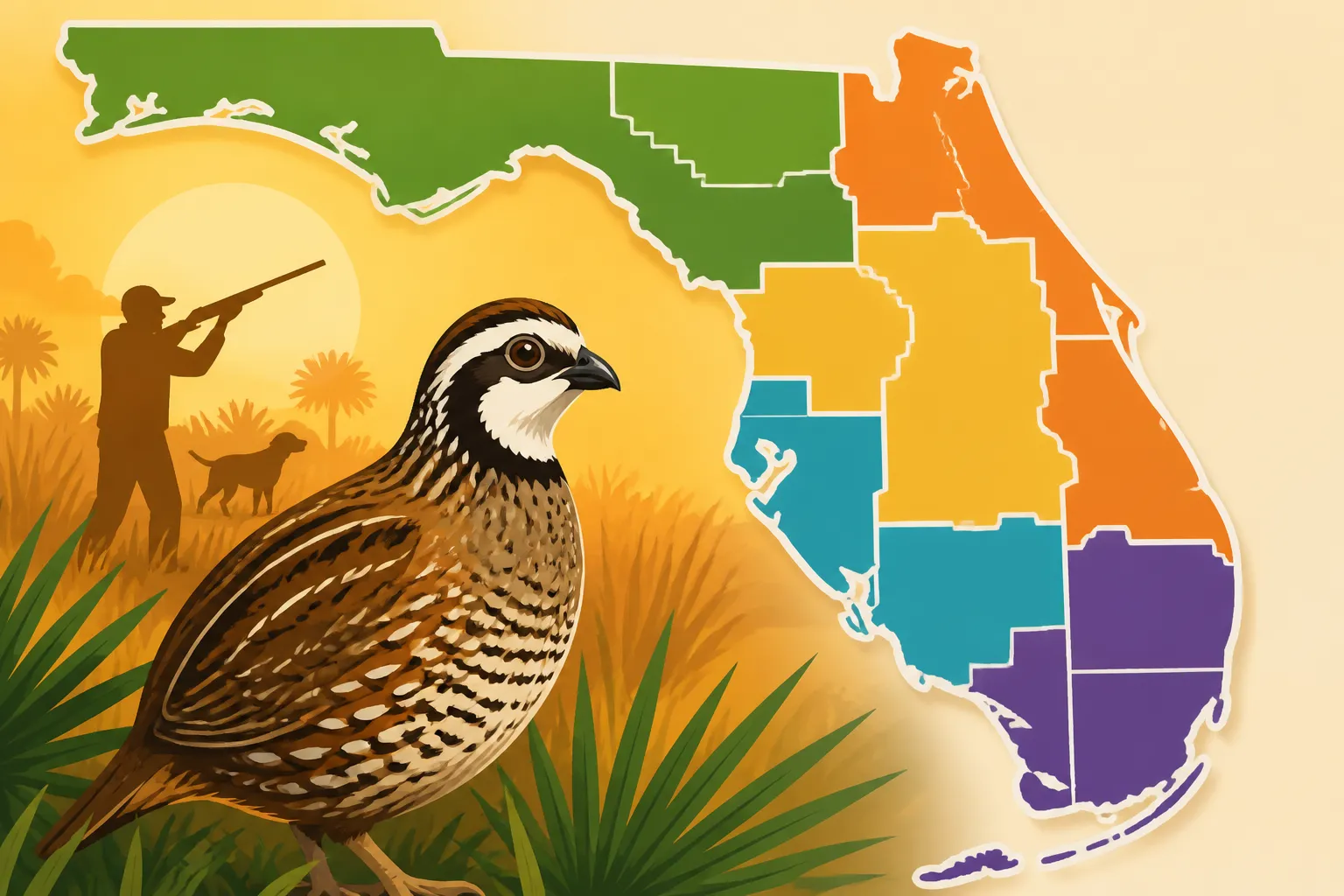
Florida Bobwhite Quail Numbers by Region
It can feel disheartening to head out into what looks like prime quail habitat in Florida, only to walk for miles without hearing that iconic "bob-white" whistle or seeing a covey flush. For many of us who grew up hearing stories of abundant bobwhite quail across the state, the reality today can be a stark contrast. This guide aims to shed some light on why these beautiful birds are harder to find, where their populations still hold on, and what efforts are being made to bring them back across Florida's diverse landscapes.
The Historic Decline and Current Status of Florida Quail
For decades, the bobwhite quail was a cornerstone of small game hunting in Florida, with robust populations thriving in various ecosystems. From the vast pine flatwoods to the agricultural fields, their distinctive calls were a common sound. However, over the last 50 to 70 years, Florida, much like the rest of the Southeast, has seen a dramatic decline in wild bobwhite quail numbers. This isn't just a slight dip; it's been a persistent, widespread, and disheartening trend that has left many hunters wondering if they'll ever experience a classic wild quail hunt again.
Why Quail Numbers Plummeted
The reasons for this significant drop are complex and multi-faceted, hitting quail from several angles. One of the primary culprits has been large-scale habitat loss and fragmentation. As Florida's population grew, natural landscapes were converted for development, agriculture, and silviculture practices that weren't always quail-friendly. Think about it: vast tracts of open pine forests with a diverse understory, crucial for quail, were either paved over or replaced with dense timber plantations that offered little in the way of food or cover. The old "edge habitat" that quail adored, where fields met woodlands, started disappearing, replaced by monoculture crops or sprawling subdivisions.
Beyond outright habitat destruction, changes in land management have also played a huge role. Historically, natural wildfires and prescribed burning were regular occurrences, creating the open, herbaceous understory that bobwhites need for nesting, foraging, and predator evasion. When fire was suppressed, these areas became choked with dense shrubs and hardwoods, making them unsuitable for quail. Modern agricultural practices, with their larger fields and reduced hedgerows, also removed vital escape cover and food sources. It's a tough reality to face, but the landscape simply isn't what it used to be for these birds.
The Impact on Florida Hunters
For those of us who love chasing quail behind a good pointing dog, the decline has been painful. Many hunters have given up entirely on wild quail, turning to preserve hunts or focusing on other species like Squirrel Hunting Florida Hardwood Hammocks or Florida Waterfowl and Dove. The frustration is real: you spend hours scouting, sometimes finding old sign, only to come up empty-handed. It's hard to justify the effort when the odds are so stacked against you. This makes the few remaining strongholds even more precious and the efforts to restore them critically important.
Where to Find Remnant Bobwhite Populations in Florida (Regional Breakdown)
Despite the overall decline, wild bobwhite quail still persist in Florida, primarily in areas where large-scale, quail-friendly habitat management has been maintained or actively restored. These aren't easy hunts, and success often comes down to dedication, knowing the specific habitat, and a bit of luck. Forget the days of finding coveys everywhere; today's quail hunting is a much more strategic endeavor, often focused on specific regions and land types.
North Florida and the Panhandle's Upland Pines
If there's a "best bet" for wild bobwhites in Florida, it's generally found in the northern parts of the state, particularly across the Panhandle. This region historically held some of the strongest quail populations, and where large landholdings have continued traditional management, some excellent hunting opportunities still exist. Think vast tracts of privately owned timberland that are actively managed with prescribed fire, or large public hunting areas focused on restoring longleaf pine ecosystems.
Areas like the Red Hills region, straddling the Florida-Georgia border, are legendary for their quail plantations. These properties are managed intensely for quail, often employing dedicated staff to ensure optimal habitat conditions, predator control, and supplementary feeding. While largely private, their management practices serve as a model for what can be achieved. On public lands, larger areas within the Apalachicola National Forest Hunting or certain Wildlife Management Areas (WMAs) in the Panhandle that manage for longleaf pine and wiregrass are your best bet. When researching public lands, look for WMAs that specifically list quail as a target species and mention active prescribed burning programs. Tools like GoHunt can be invaluable for identifying these areas and understanding their boundaries and regulations.
Central Florida's Remaining Strongholds
Central Florida's quail story is a bit more challenging. Historically, this region had significant quail numbers, but urban sprawl and intense agriculture have taken a heavy toll. However, there are still pockets, usually found on very large private ranches or specific public lands that have maintained significant tracts of appropriate habitat. Think about the extensive cattle ranches that still operate, especially those that combine grazing with judicious use of prescribed fire and maintain native grasslands and palmetto patches.
Large public areas like the Green Swamp Wilderness Preserve Hunting or Three Lakes Wildlife Management Area might offer scattered opportunities, particularly in areas that have seen recent fire or selective timber harvests to open up the understory. These hunts are often about covering a lot of ground and hoping to bump into a covey. It's truly a testament to the resilience of these birds that they still cling on in some of these highly pressured landscapes.
South Florida's Mixed Bag
South Florida, with its unique blend of flatwoods, swamps, and agricultural lands, presents an even more challenging scenario for wild quail. While scattered populations certainly exist, they are often incredibly isolated and found on expansive private ranches. The dense palmetto and scrub habitat, while native, can be incredibly difficult to hunt effectively.
On the public land side, areas like Hunting the Everglades and Big Cypress are more known for their deer, hog, and turkey hunting, with quail being a very rare bonus. Any quail hunting here would be purely opportunistic, stumbled upon while pursuing other game. The extreme density of vegetation in many South Florida ecosystems also naturally limits quail numbers unless specific habitat management is in place to create more open ground and accessible seed-producing plants. When considering South Florida, think private ranch land first and public land second, and adjust your expectations accordingly.
The Role of Habitat and Land Management
The single most important factor determining bobwhite quail numbers in any given region is the quality and quantity of their habitat. It's not just about having "woods" or "fields"; it's about having the right kind of woods and fields, managed in a way that creates a mosaic of cover, food, and nesting opportunities. Without the proper management, even seemingly vast wild areas can be veritable deserts for quail.
Key Habitat Elements for Quail
Bobwhite quail thrive in what's often described as early successional habitat. This means areas that are somewhat open, with a diverse mix of native grasses, forbs (broad-leaved plants), and scattered shrubs. They need:
- Bare Ground and Seed Production: Quail are ground feeders, so they need accessible bare ground to move around and find seeds, insects, and berries. This often comes from disturbance like fire or light disking.
- Diverse Understory: A variety of plants provides different food sources throughout the year and creates crucial overhead cover to hide from aerial predators.
- Escape Cover: Dense, thorny thickets, brush piles, or young pine plantations offer protection from ground predators like coyotes, bobcats, and even feral hogs.
- Nesting Cover: Taller, clump-forming grasses provide concealment for nests.
- Brood Rearing Habitat: Open understories with plenty of insects are vital for chick survival.
Land Management Practices That Help
Understanding these habitat needs directly points to the management practices that benefit quail:
- Prescribed Fire: This is arguably the most critical tool. Regular, low-intensity burns reduce woody understory, promote the growth of native grasses and forbs, and create bare ground for foraging. The timing and frequency of burns are key.
- Timber Management: Thinning pine stands allows sunlight to reach the forest floor, stimulating understory growth. Often, a combination of clear-cuts (followed by replanting with wide spacing) and selective thinning creates a diverse age structure of timber, beneficial for quail.
- Edge Feathering and Field Borders: Creating brushy borders along agricultural fields or forest edges provides crucial cover and travel corridors. Planting native warm-season grasses can also enhance these areas.
- Predator Control: While habitat is paramount, managing predator populations can also play a role in increasing quail survival rates, particularly in localized efforts.
- Food Plots: While not a substitute for natural habitat, small, strategically placed food plots with quail-friendly plants like millet, sorghums, or legumes can provide supplemental food, especially in lean times.
For hunters looking for self-guided opportunities, knowing how to interpret Reading Aerial Photos for Florida Deer can also help in identifying potential quail habitat, as many of the same features that attract deer (like diverse understory and edge habitat) will also appeal to quail. The Florida WMA Management Area Permit is your ticket to accessing many of these publicly managed lands.
Efforts to Restore Florida's Quail Legacy
The good news amidst the challenging reality is that there are significant efforts underway, both on public and private lands, to bring bobwhite quail back. These aren't quick fixes, but long-term commitments to habitat restoration and sound land management. Conservation organizations, state agencies, and private landowners are investing time, resources, and expertise into these initiatives.
Conservation Initiatives and Partnerships
Many programs in Florida are focused on improving quail habitat. The National Bobwhite Conservation Initiative (NBCI), for example, is a large-scale effort across the Southeast that provides guidance and support for state-level quail restoration. In Florida, organizations work with private landowners to implement habitat improvements, often providing technical and financial assistance. These partnerships are vital because so much of Florida's potential quail habitat lies on private holdings. They demonstrate that with dedication, Florida Quail Habitat Restoration Efforts can yield positive results.
One of the challenges is that quail recovery often requires managing large, contiguous blocks of land, which is easier on bigger private ranches or expansive public areas. Breaking up these larger tracts into smaller, unmanaged parcels makes it incredibly difficult for quail to thrive and expand their populations.
What Hunters and Landowners Can Do
Even if you're not a large landowner, there are ways to contribute. Supporting organizations dedicated to quail conservation through memberships or donations directly funds habitat work. For those who own smaller parcels, even a few acres managed with prescribed fire, native plantings, and brush piles can create a local haven for quail. Every little bit helps.
When choosing hunting destinations, prioritize those that demonstrate active, science-based habitat management. Look for WMAs that specifically advertise quail management programs or participate in cooperative efforts. Using mapping tools, like those offered by GoHunt, can help you visualize land features, recent burn scars, and potential travel corridors for game, assisting in your scouting for various small game, not just quail.
Regional Quail Potential Overview
To summarize, here's a rough breakdown of bobwhite quail potential across Florida, keeping in mind that "potential" doesn't mean "guaranteed success," but rather where the best habitat conditions are most likely to exist.
| Region | Primary Land Types for Quail | Quail Population Status (General) | Key Management Factors for Quail |
|---|---|---|---|
| Florida Panhandle | Upland longleaf pine, large ranches | Best remaining wild populations | Prescribed fire, timber thinning |
| North Central FL | Pine flatwoods, agricultural edges | Scattered, localized | Fire, field borders |
| Central Florida | Large ranches, mixed forests | Rare, highly localized | Fire, dense cover preservation |
| South Florida | Extensive ranches, sparse pine | Very rare, isolated | Intensive ranch management |
Remember, hunting wild quail in Florida today is less about filling a bag and more about the experience – the dog work, the challenge, and the satisfaction of finding these elusive birds where they still exist. It's a testament to the dedication of those working to restore Florida's rich upland heritage.
Disclaimer
This article is for general informational purposes only and does not constitute professional advice. Laws, prices and regulations vary by location and change over time. Consult a qualified professional for guidance on your specific situation.