Florida Wildlife Disease Monitoring Program
It's incredibly frustrating, isn't it? You spend hours scouting, planning your hunt, and finally, you connect with a beautiful animal, only to wonder in the back of your mind about the health of the herd. Wildlife diseases can cast a long shadow over our passion, threatening not just the animals we pursue but also the future of hunting itself. This comprehensive guide is here to shed light on Florida's robust wildlife disease monitoring program, explaining why it's so vital, what it entails, and how you, as a dedicated hunter, play an indispensable role in safeguarding our precious wild resources.
Why Florida Needs a Wildlife Disease Monitoring Program
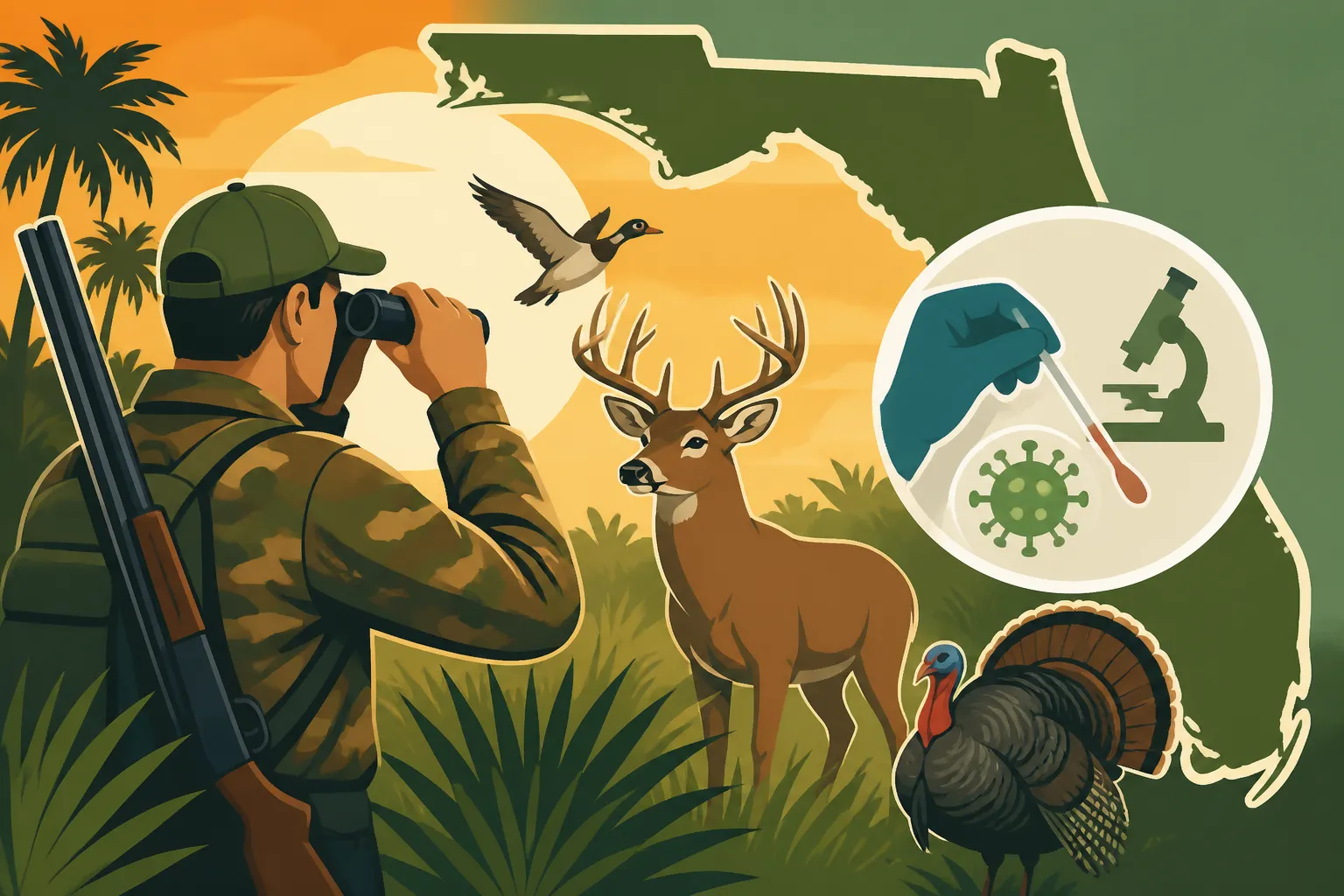
Florida is a state of incredible biodiversity, from the vast pinelands of the Panhandle to the dense palmetto scrub of South Florida. This rich tapestry of habitats supports a diverse array of wildlife, including the deer, hogs, and turkeys that we all love to pursue. However, where there's wildlife, there's always the potential for disease. Diseases can spread rapidly through animal populations, impacting their health, reducing numbers, and in some cases, even posing risks to humans. That's why having a proactive and vigilant Florida wildlife disease monitoring program is absolutely essential.
Protecting Our Deer and Other Game Species
Our game animals, particularly white-tailed deer, are the cornerstone of many hunting traditions. When a disease takes hold in a deer herd, it can devastate populations, leading to fewer animals, weaker genetics, and ultimately, a less rewarding hunting experience for everyone. Think about the fear and uncertainty that diseases like Chronic Wasting Disease (CWD) have caused in other states. While Florida has been incredibly proactive in addressing Florida's Single Confirmed CWD Case, the threat of novel diseases or the re-emergence of known ones is always present. A strong monitoring program allows wildlife managers to detect these threats early, understand their scope, and implement strategies to protect healthy populations. This isn't just about ensuring we have something to hunt; it's about preserving the intrinsic health and vitality of the animals themselves, ensuring their well-being for future generations. It’s about being responsible stewards of the land and its creatures.
Safeguarding Public Health and Meat Consumption
Beyond the animals themselves, wildlife diseases can sometimes have implications for human health. While many diseases are species-specific, others can be zoonotic, meaning they can cross over from animals to humans. Hunters are often the first line of contact with wild animals, and understanding these risks is paramount. The Florida wildlife disease monitoring program often includes surveillance for diseases that could potentially impact people who handle or consume wild game. For many of us, harvesting wild game is a significant source of lean, organic protein. The last thing any hunter wants is to worry about the safety of the meat they bring home to their family. The monitoring program provides vital information and guidelines, such as those concerning Handling Venison From a CWD Surveillance Zone, to ensure that hunters can continue to enjoy the fruits of their labor safely and with peace of mind. Without this vigilance, the trust in wild game as a food source could easily erode.
Maintaining Ecological Balance
Florida's ecosystems are intricate and delicate. When a disease impacts a specific wildlife population, the ripple effects can be far-reaching. For instance, a decline in a particular herbivore due to disease could lead to overgrowth of certain plant species, or a drop in a predator population could lead to an unchecked increase in its prey. A healthy ecosystem relies on balance, and disease can throw that balance into disarray. The monitoring program doesn't just focus on game animals; it often looks at broader ecological health indicators. By understanding disease patterns and prevalence, wildlife managers can better assess the overall health of an ecosystem and make informed decisions to mitigate widespread ecological disruptions. It's a holistic approach, recognizing that every species plays a crucial role in the larger environmental picture.
The Pillars of Florida's Monitoring Efforts
Florida's commitment to wildlife health isn't just talk; it's backed by a multi-faceted program that involves active fieldwork, cutting-edge science, and extensive public outreach. This comprehensive approach is designed to catch potential problems before they become crises and to provide hunters and the public with the most accurate information possible.
Active Surveillance and Sampling Efforts
One of the most critical aspects of the Florida wildlife disease monitoring program is its active surveillance. This isn't a passive wait-and-see approach; it involves wildlife biologists and technicians out in the field, collecting samples from harvested animals, roadkill, and even live-trapped specimens. For example, in the context of CWD, sampling efforts are concentrated heavily in Florida's Holmes County CWD Zone and other high-risk areas. Hunters are often encouraged to participate in CWD Testing for Florida Hunters at check stations or designated drop-off points, providing invaluable data. These samples – tissue, blood, lymph nodes – are then sent to specialized labs for analysis. This continuous data collection allows the state to track disease prevalence, identify new outbreaks, and understand the geographical spread of various pathogens. It's a monumental undertaking that requires significant resources and the cooperation of the hunting community.
Research and Diagnostic Partnerships
The Florida wildlife disease monitoring program doesn't operate in a vacuum. It relies heavily on partnerships with diagnostic laboratories, universities, and other research institutions. When a new or unusual disease is detected, these partnerships become invaluable. Experts can quickly analyze samples, identify the pathogen, and develop strategies for containment or treatment. This scientific rigor is essential for making informed management decisions. For instance, after How Florida Detected Its First CWD Case, a significant amount of research and diagnostic work went into understanding the specific strain and its potential implications for Florida's deer herd. These collaborations also allow Florida to stay abreast of national and international developments in wildlife disease, learning from other states' experiences and implementing best practices. It's a continuous cycle of learning and adaptation, crucial for managing ever-evolving biological threats.
Public Education and Outreach
Knowledge is power, especially when it comes to disease prevention. A core component of the Florida wildlife disease monitoring program is educating hunters and the general public. This involves distributing informational materials, hosting workshops, and maintaining accessible resources online. Hunters are provided with clear guidelines on identifying signs of illness in animals, proper carcass disposal, and understanding regulations regarding Moving a Deer Carcass Out of a Surveillance Zone. The goal isn't to scare people, but to empower them with the information they need to be part of the solution. When hunters understand the "why" behind certain regulations or requests for samples, they are far more likely to comply and actively assist. This outreach also helps dispel misinformation and ensures that everyone is working from the same factual foundation.
Your Role as a Hunter in Disease Prevention and Reporting
As hunters, we are often the first eyes and ears on the ground, deeply connected to the landscapes and wildlife we cherish. This unique position makes us incredibly important partners in the Florida wildlife disease monitoring program. Your active participation and responsible actions are absolutely critical to the success of these efforts.
Recognizing and Reporting Sick Animals
One of the most direct ways hunters contribute is by recognizing and reporting animals that appear sick or behave unusually. While it can be tempting to simply walk away, taking a moment to observe and report could prevent a widespread issue. Look for signs like emaciation, excessive drooling, labored breathing, lameness, or abnormal behavior (e.g., deer that are unafraid of humans, circling, or stumbling). Don't approach obviously sick or dead animals closely, but note the location accurately. Then, contact the Florida Fish and Wildlife Conservation Commission (FWC) with your observations. They have dedicated hotlines and online reporting tools specifically for this purpose. Every single report helps fill in the picture of Florida's Deer Disease Monitoring Program and allows biologists to investigate potential outbreaks swiftly. Your keen eye in the field is an invaluable asset to wildlife management.
Here's a quick guide on what to look for:
| Animal Behavior / Appearance | Potential Issue Indicator | Action for Hunters |
|---|---|---|
| Deer | ||
| Unusually thin, rough coat | Chronic illness, parasitic load | Report sighting, avoid harvesting if severe |
| Drooling, stumbling, lack of fear | Neurological disease (e.g., CWD), injury | Do NOT approach, report immediately with location |
| Lesions, growths, abscesses | Bacterial infections, viral diseases, tumors | Report sighting, avoid consuming affected parts, consider reporting if widespread |
| Turkey | ||
| Lethargy, drooping wings, ruffled feathers | Avian diseases (e.g., Avian Pox, blackhead) | Report sighting, avoid handling if dead |
| Difficulty breathing, nasal discharge | Respiratory illness | Report sighting |
| Hogs | ||
| Lumps, abscesses, severe lameness | Bacterial infections (e.g., Brucellosis, TB) | Report sighting, exercise extreme caution when cleaning, wear gloves |
| Disorientation, paralysis | Neurological issues, poisoning | Do NOT approach, report immediately |
Responsible Carcass Handling and Disposal
What you do with an animal carcass after the harvest also plays a crucial role in disease management, especially concerning diseases like CWD. If you harvest an animal in a known surveillance zone or one suspected of harboring disease, it's vital to follow specific guidelines. This often includes leaving certain parts of the carcass (like the brain and spinal cord) in the county of harvest, or at least ensuring they are disposed of properly, often at a designated landfill or through specialized carcass disposal sites. This prevents the inadvertent spread of pathogens to new areas. The goal is to minimize the movement of potential disease agents. Even outside of specific zones, never dump carcasses near water sources or where domestic animals can access them. Taking a few extra minutes to properly dispose of remains according to FWC guidelines helps protect the broader wildlife population and the environment.
Understanding Regulations in Affected Zones
Regulations can be confusing, and sometimes it feels like they change with the wind. But when it comes to wildlife disease, these rules are put in place for very important reasons. For example, if you're hunting in a designated CWD management zone, such as the area around Florida's Holmes County CWD Zone, there might be specific rules about carcass transportation. You might be restricted from moving certain parts of a harvested deer out of the zone. You might also be required to participate in mandatory CWD sampling. It's incumbent upon every hunter to stay informed about these regulations, which can often be found on the FWC website or by reviewing the annual hunting regulations booklet. Ignoring these rules, even unintentionally, could jeopardize the efforts to contain a disease. Always check the latest information for the specific area you plan to hunt, especially when hunting in one of Florida's Four Deer Management Zones Explained, as regulations can sometimes differ.
The Long-Term Impact on Florida's Hunting Future
The efforts of the Florida wildlife disease monitoring program, coupled with the cooperation of dedicated hunters, are not just about addressing immediate threats. They are about building a sustainable future for hunting and wildlife in the Sunshine State. It's an investment in the health of our natural resources that pays dividends for generations to come.
Ensuring Healthy Game Populations for Generations
Ultimately, the most significant long-term impact of a robust disease monitoring program is the assurance of healthy, thriving game populations. If diseases are left unchecked, they can decimate herds, reduce reproductive success, and lead to overall weaker animals. Imagine a Florida where deer are rare, or where every harvested animal raises health concerns. That's a grim picture that the monitoring program works tirelessly to prevent. By continually tracking disease prevalence, intervening when necessary, and adapting management strategies, we can help ensure that our children and grandchildren will have the same, if not better, opportunities to experience the thrill of the chase and the satisfaction of a successful hunt. It's about preserving a legacy. When we understand something like Florida Deer Population Estimate and how diseases impact it, we realize the gravity of these monitoring efforts.
Adapting Management Strategies to New Threats
Wildlife diseases are not static; new pathogens can emerge, and existing ones can evolve. A dynamic and responsive Florida wildlife disease monitoring program allows wildlife managers to adapt their strategies quickly. This might mean adjusting bag limits, altering season dates in specific areas, or implementing new feeding or baiting restrictions to reduce disease transmission risk. For instance, Why CWD Testing Continues After Four Clean Years demonstrates a commitment to long-term vigilance and the ability to adjust protocols based on ongoing data and scientific understanding. This flexibility is crucial in a constantly changing environment. Without this ongoing monitoring and adaptive management, our wildlife management practices would be reactive and potentially ineffective, leading to greater long-term damage to game populations.
Building a Resilient Hunting Community
Finally, a strong disease monitoring program fosters trust and resilience within the hunting community. When hunters know that their state wildlife agency is actively working to protect the health of game animals and provide accurate information, it strengthens the bond between hunters and managers. It allows us to face challenges like emerging diseases not with panic, but with informed action and a shared sense of responsibility. By understanding the science behind the management decisions, and by actively participating in initiatives like sample collection, hunters become more engaged conservationists. This collective effort builds a stronger, more knowledgeable, and ultimately more resilient hunting community that is better equipped to navigate future challenges and ensure the long-term health of Florida's incredible wildlife resources. It's about securing our tradition and passion for decades to come.
Disclaimer
This article is for general informational purposes only and does not constitute professional advice. Laws, prices and regulations vary by location and change over time. Consult a qualified professional for guidance on your specific situation.