Florida Wildlife Rehabilitation for Injured Game
It's an unfortunate truth that despite the wild beauty of Florida, our magnificent game animals sometimes find themselves in distress due to injury, illness, or being orphaned. Knowing what to do in these situations can be confusing, and trying to help with good intentions can sometimes do more harm than good. This guide will walk you through the essential steps and considerations when you encounter injured or orphaned game species in Florida, helping you understand how to best assist these animals and connect with the right resources.
Understanding the Need for Wildlife Rehabilitation in Florida
Florida is a vibrant mosaic of ecosystems, from the pine flatwoods of the Panhandle to the Everglades' sawgrass marshes, and it's home to an incredible diversity of wildlife. Our native game species, like white-tailed deer, turkeys, and even black bears, are resilient, but they are not immune to the challenges presented by both natural and human-made factors. When an animal is injured or orphaned, it needs immediate, specialized care that most of us aren't equipped to provide. That's where trained, licensed wildlife rehabilitators come in, acting as vital caregivers for Florida's wild populations.
The Fragile Balance of Florida's Ecosystem
Our state's environment is a delicate balance, and every species, especially our game animals, plays a crucial role. A healthy deer population means healthy predators, and a robust turkey population indicates thriving undergrowth and insect life. When an individual animal is hurt, it's not just that one animal's life at stake; it can sometimes be an indicator of broader environmental pressures. Rehabilitators work to mend these individuals, returning them to the wild where they can contribute back to the ecosystem's health. It’s a profound commitment to the intrinsic value of each creature and the overall well-being of our natural world.
Beyond the immediate goal of saving an individual animal, wildlife rehabilitation contributes to our understanding of local wildlife health. Veterinarians and rehabilitators often identify trends in injuries or illnesses, which can signal emerging environmental threats or disease outbreaks. This data is invaluable for conservation efforts and for agencies like the Florida Fish and Wildlife Conservation Commission (FWC) in managing our state's diverse populations, informing everything from habitat restoration to disease monitoring programs. Florida Wildlife Disease Monitoring Program is a perfect example of how crucial such observations are.
Common Causes of Wildlife Injury and Orphanhood
The reasons game animals end up needing help are varied, often stemming from interactions with human activity or natural occurrences. Deer-vehicle collisions are sadly common, especially during migration periods or the rut, leaving many deer injured or fawns orphaned. Florida Deer Vehicle Collisions are a frequent call for rehabilitators. Habitat encroachment also leads to animals encountering fences, domestic animals, or getting trapped in urban environments. We also see injuries from legal hunting accidents, though these are typically less common and often handled directly by the hunter who then reports the harvest.
Nature itself can also be harsh. Severe weather events like hurricanes or floods can separate young animals from their parents, destroy nests, or leave animals disoriented and injured. Predation attempts, while natural, can sometimes leave an animal with a severe injury that, if left untreated, would prove fatal. Furthermore, diseases or congenital defects can weaken an animal, making it more vulnerable to other threats. Understanding these common causes helps us appreciate the myriad challenges our wildlife faces daily.
The Role of Rehabilitation in Conservation
Wildlife rehabilitation isn't just about patching up a broken wing or feeding an orphaned fawn; it's a critical component of broader conservation strategies. Each successful release means one more animal returned to its natural habitat, contributing to the genetic diversity and population stability of its species. For species with smaller or more vulnerable populations, like the Florida black bear in some areas, the recovery and release of even a few individuals can make a measurable difference. Florida Black Bear Subspecies Explained shows how important every individual animal is.
Moreover, rehabilitators play a significant educational role. They often engage with the public, explaining why an animal might be in distress, how to prevent future incidents, and the importance of respecting wildlife. This public engagement fosters a sense of stewardship among Floridians and visitors alike, encouraging responsible interaction with our natural resources. By treating, caring for, and releasing injured game, rehabilitators aren't just saving lives; they're preserving the wild spirit of Florida for future generations.
Identifying an Injured or Orphaned Animal and Initial Steps
Coming across an injured or seemingly abandoned animal in the wild can stir strong emotions. Your first instinct might be to rush in and help, but it's crucial to take a moment and assess the situation carefully. Not every animal that appears to be alone is truly orphaned, and an injured animal can be dangerous, especially if it's a large game species. Knowing how to correctly identify distress and proceed cautiously is paramount for both your safety and the animal's well-being.
Signs of Distress or Injury in Game Species
When you spot a wild animal, pay close attention to its behavior and physical condition. Obvious signs of injury include visible blood, broken limbs, dragging a leg, an animal unable to stand, or being repeatedly hit by a vehicle. If an animal is disoriented, circling, or acting unusually aggressive or lethargic, these are also strong indicators of illness or injury. For instance, a deer lying motionless in an unusual spot, panting heavily, or with its head down for an extended period might be in trouble.
Less obvious but equally important signs include heavy breathing, shivering, or an animal appearing severely underweight. Turkeys, for example, might hold a wing at an odd angle or be unable to fly when startled. Remember that wild animals are masters of hiding pain, so even subtle cues can be significant. If you’re unsure, observing from a safe distance for a while can often clarify the situation without putting either of you at risk.
Determining if an Animal is Truly Orphaned
One of the most common mistakes people make is assuming a young animal is orphaned when its parents are simply out foraging or observing from a distance. Mother deer, for instance, often leave their fawns alone for hours, tucked away in tall grass or palmetto thickets, to minimize drawing predator attention. A fawn lying quietly by itself is usually not orphaned; its mother is likely nearby and will return. Disturbing it can actually make it harder for the mother to return. Florida Fawn Survival Rates can be impacted by well-meaning but misguided interventions.
Similarly, young birds found on the ground might simply be fledglings learning to fly, still under the watchful eye of their parents. Before intervening, watch for at least an hour, or even several hours if the weather is mild, to see if a parent returns. If the young animal is in immediate danger (e.g., in a road, threatened by domestic animals) or showing clear signs of injury or illness, then intervention might be necessary. Otherwise, the best course of action is often to leave it be.
Prioritizing Safety for Yourself and the Animal
Your safety should always be the top priority. Injured or frightened wild animals, especially large game species like deer or bears, can be incredibly dangerous. They may kick, bite, scratch, or charge in defense, even if they appear weak. Never approach an injured bear, alligator, or even a large deer without professional assistance. Even a small, seemingly harmless animal can carry diseases like rabies, which can be transmitted through bites or scratches.
Keep a safe distance, especially if the animal is agitated. If you have children or pets with you, ensure they are kept far away. Once you've assessed the situation from a safe vantage point, the next step is to contact the appropriate authorities or a licensed professional. Do not attempt to capture or handle an injured animal yourself unless explicitly instructed to do so by a wildlife professional, and even then, only if you have the proper training and equipment.
The Process of Getting Help: What to Do (and Not Do)
Once you've identified an injured or potentially orphaned game animal and prioritized your safety, the next crucial step is to connect with the right help. Florida has a network of dedicated wildlife rehabilitators, but it's important to understand the protocols and legalities involved. Your actions, or inactions, in these critical moments can significantly impact the animal's chance of recovery and safe return to the wild.
Immediate Actions to Take (and Avoid)
Do:
- Observe from a Distance: Keep yourself and the animal safe. Use binoculars if you have them. Note the animal's exact location, species, and any visible injuries or unusual behaviors.
- Call for Help: The most important action is to contact a licensed wildlife rehabilitator or the FWC directly. More on this in the next section.
- Minimize Stress: If the animal is in a safe location, try to reduce further stress by keeping people and pets away. Silence and solitude are often best.
- Provide a Warmth Source (Only if instructed): For very young or cold animals, and only if instructed by a rehabilitator and it can be done safely, a heat source like a warm (not hot) water bottle wrapped in a towel can sometimes be placed near the animal.
- Make Note of the Location: Pinpoint the exact location using a GPS app on your phone or by noting landmarks. This is critical for rescuers.
Do NOT:
- Do Not Handle the Animal: Unless specifically instructed by a professional, do not touch, pick up, or try to move a wild animal. This is for your safety and the animal's. It's also often illegal to possess wildlife without proper permits.
- Do Not Attempt to Feed or Water: Offering food or water can be incredibly harmful. Wild animals have very specific diets, and incorrect food can cause digestive issues, aspiration, or even death.
- Do Not Attempt to Self-Rehabilitate: Without proper licensing, training, and facilities, attempting to care for wildlife yourself is almost always detrimental to the animal and can be illegal.
- Do Not Give Personal Medications: Human medications are not appropriate for wildlife and can be toxic.
- Do Not Publicize the Location on Social Media: While well-intentioned, this can lead to unqualified individuals attempting to intervene or cause further stress to the animal.
Contacting a Licensed Florida Wildlife Rehabilitator
This is the single most important action you can take. The FWC maintains a list of licensed wildlife rehabilitators throughout Florida. You can often find this list on their official website. When you call, be prepared to provide:
- Your exact location: Specific address, cross streets, or GPS coordinates.
- The species of animal: (e.g., white-tailed deer, Eastern turkey, fox squirrel)
- The nature of the injury or situation: (e.g., broken leg, unable to fly, abandoned fawn)
- Your contact information: So they can call you back with instructions or updates.
If you can't immediately reach a rehabilitator, you can contact the FWC directly. They have regional offices and a statewide hotline for reporting injured wildlife. They can provide guidance, connect you with a local rehabilitator, or dispatch a wildlife officer if necessary. Remember, these professionals are trained to handle such situations safely and effectively, providing the best possible chance for the animal's recovery.
Legalities and Regulations Around Possessing Wildlife
It's a common misconception that you can simply "rescue" a wild animal and keep it. In Florida, it is generally illegal to possess native wildlife without specific permits from the FWC or other state/federal agencies. This regulation exists for good reason: wild animals require specialized care, diets, and environments that are difficult to replicate in a typical home setting. Unlicensed individuals, no matter how well-meaning, often cause more harm than good, leading to improper nutrition, stress, and behavioral issues that make the animal unreleasable.
The goal of wildlife rehabilitation is always to release the animal back into its natural habitat once it's healthy and self-sufficient. Keeping a wild animal as a pet removes it from the wild population, preventing it from contributing to the species' genetic pool. If you find an injured animal, your legal and ethical responsibility is to contact a licensed professional. They have the permits, training, and facilities to provide the necessary care and work towards a successful release. This also extends to seemingly harmless creatures, as Game You Cannot Hunt in Florida often overlaps with species that require specialized permits for possession.
| Action | What to DO | What NOT to DO |
|---|---|---|
| Observation | Stay at a safe distance, use binoculars, note details (species, injury, location). | Approach directly, attempt to touch or scare the animal. |
| Contacting Help | Call a licensed rehabilitator or FWC hotline; provide clear, specific details. | Call without details, attempt to 'Google' remedies, or post vaguely on social media. |
| Intervention | Minimize stress by ensuring quiet, provide warmth only if instructed and safely possible. | Offer food or water, attempt to self-medicate, try to capture/transport the animal. |
| Legal/Ethical | Understand it's illegal to possess wildlife; aim for professional rehabilitation and wild release. | Assume you can keep or care for a wild animal without proper licensing. |
| Safety | Prioritize your safety; keep children and pets away from distressed wildlife. | Assume a distressed animal is harmless; risk bites, scratches, or charges. |
Supporting Wildlife Rehabilitation Efforts in Florida
Once an injured or orphaned game animal is safely in the hands of a licensed rehabilitator, a new journey begins for that creature. The process is often long, challenging, and costly, but the dedication of these professionals is truly inspiring. As members of the community, there are many ways we can support these vital efforts, ensuring that Florida's wildlife has the best possible chance at recovery and a return to the wild.
What Happens After an Animal Enters Rehab
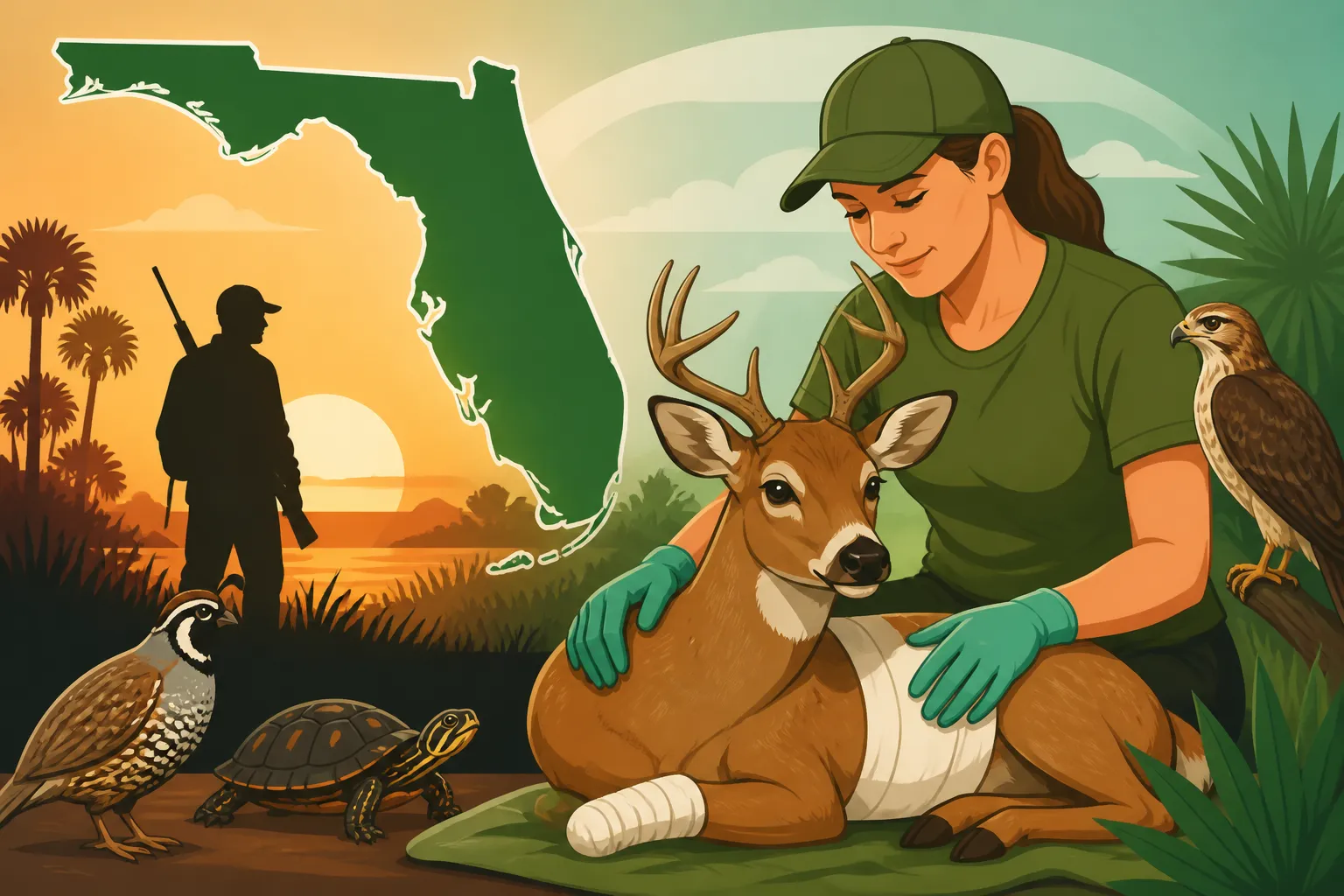
When an animal arrives at a rehabilitation center, the first priority is a thorough veterinary assessment. This includes checking for injuries, illnesses, parasites, and dehydration. X-rays, medication, wound care, and specialized diets are all part of the recovery process. Young animals, like orphaned fawns or turkey poults, require round-the-clock feeding and careful monitoring to mimic parental care. Florida Fawn Survival Rates are critically dependent on this early, expert care. They are often housed with other animals of the same species to encourage natural behaviors and minimize human imprinting, which is essential for a successful release.
Rehabilitators also focus on preventing habituation to humans. This means limiting human contact as much as possible, especially for animals nearing release. The goal is to ensure the animal retains its natural fear of humans and can survive independently once back in the wild. As the animal recovers, it moves through different stages of care, from intensive medical treatment to outdoor enclosures designed to build strength and hone survival skills, preparing it for its ultimate freedom.
How to Locate and Vet a Reputable Rehabilitator
Finding a licensed and reputable wildlife rehabilitator is key. The Florida Fish and Wildlife Conservation Commission (FWC) is the primary resource. Their website typically has a searchable database or a list of authorized wildlife rehabilitators across the state. These are individuals and organizations that have met specific training, facility, and care standards and are legally permitted to handle and care for native wildlife.
When you contact a rehabilitator, don't be afraid to ask questions. A reputable rehabilitator will be happy to discuss their process, their FWC license status, and how they handle different species. They will emphasize the goal of release and discuss the challenges involved. Be wary of anyone who suggests keeping a wild animal long-term as a "pet" or charges exorbitant, undisclosed fees without transparency. True rehabilitators are focused on the animal's welfare and the legal, ethical return to the wild.
Ways to Contribute to Wildlife Welfare
Wildlife rehabilitation centers are often non-profit organizations that rely heavily on donations, volunteers, and public support. If you're passionate about helping Florida's injured game, there are several ways you can contribute:
- Financial Donations: Vet bills, specialized food, housing, and equipment are expensive. Even small monetary donations can make a big difference. Many centers also accept specific items like towels, heating pads, or cleaning supplies.
- Volunteering: If you have time and a strong stomach, many centers need volunteers for everything from feeding and cleaning to administrative tasks. This is a great way to learn more about wildlife care firsthand.
- Education and Awareness: Share accurate information about wildlife encounters with your friends and family. Help dispel myths about "orphaned" animals and emphasize the importance of calling licensed professionals.
- Habitat Conservation: Support organizations that work to protect and restore Florida's natural habitats. Less habitat loss means fewer human-wildlife conflicts and more safe spaces for our game species. This includes understanding the impact of Florida Predator Impact on Fawn Recruitment or supporting initiatives for Florida Gopher Tortoise Protection Status.
- Responsible Hunting Practices: For hunters, responsible practices mean knowing your target, making ethical shots, and quick, humane recovery of game. If you ever wound an animal and cannot recover it, reporting it to the FWC helps them manage the resource and prevents unnecessary suffering.
By understanding the role of wildlife rehabilitation and actively participating in supporting these efforts, we can all play a part in safeguarding Florida's incredible game species and ensuring a thriving natural environment for generations to come.
Disclaimer
This article is for general informational purposes only and does not constitute professional advice. Laws, prices and regulations vary by location and change over time. Consult a qualified professional for guidance on your specific situation.