Florida Alligator Egg Collection Program
Living in Florida, you understand that alligators are simply a part of the landscape. While these ancient reptiles are a vital component of our state's diverse ecosystems, their robust population necessitates careful management to ensure both ecological balance and public safety. This guide dives deep into Florida's Alligator Egg Collection Program, explaining its purpose, how it operates, and the critical role it plays in managing one of our most iconic, and sometimes misunderstood, native species.
Understanding Florida's Alligator Abundance and Management Needs
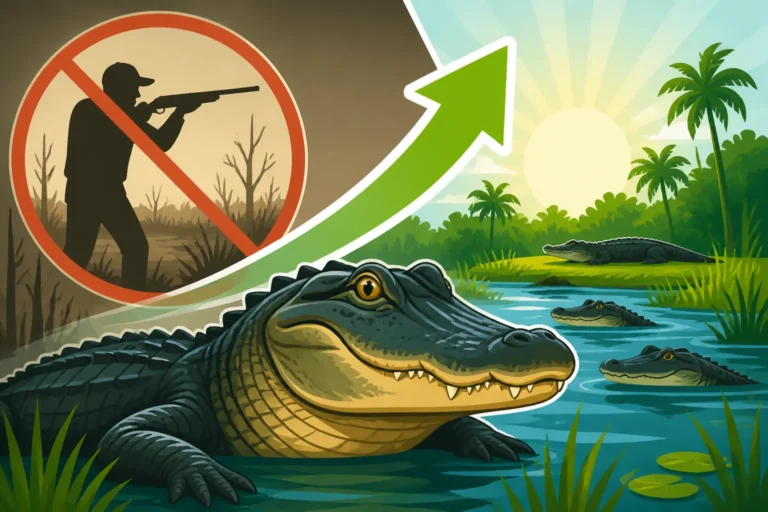
It’s hard to imagine Florida without alligators, but their journey back from the brink of extinction is a true conservation success story. For decades, unregulated hunting and habitat loss pushed American alligators to dangerously low numbers. Thankfully, through dedicated protection efforts and thoughtful management, their populations rebounded dramatically, so much so that they were removed from the endangered species list in 1987. This recovery, while celebrated, brought with it new challenges, particularly in a state with rapidly growing human populations expanding into traditional alligator habitats.
The Remarkable Recovery of Florida's Alligator Population
Back in the mid-20th century, seeing an alligator in many parts of Florida was a rare occurrence. Their numbers had plummeted due to various pressures, leading to their listing under the Endangered Species Act. However, the state's proactive conservation measures, strict hunting regulations, and educational initiatives allowed these incredible reptiles to flourish once more. Today, Florida boasts a thriving alligator population, estimated in the millions, spread across virtually every freshwater body and many brackish areas from the Panhandle to the Everglades. This rebound is a testament to what focused conservation can achieve, turning a threatened species into one that now requires careful, ongoing management. Knowing the history of How Florida's Alligator Population Recovered helps appreciate the ongoing efforts.
This success, however, also means that alligators now occupy a vast array of habitats, including those increasingly shared with humans. Residential canals, golf course ponds, and suburban retention areas often become prime alligator territory, leading to more frequent encounters. While most alligators are shy and prefer to avoid people, the sheer number of them, combined with human encroachment, means that interactions are inevitable. This dense population forms the foundation for why programs like the egg collection are not just beneficial, but essential.
Balancing Human Safety with Alligator Conservation
With such a healthy and widespread alligator population, encounters between humans and alligators have naturally increased. Most of these interactions are harmless, but the potential for conflict is always present. Florida takes a multi-pronged approach to managing this delicate balance. On one hand, protecting alligators and their habitats remains a core principle, recognizing their ecological importance as apex predators that help maintain the health of aquatic ecosystems. On the other hand, public safety is paramount. This is where programs like the Statewide Nuisance Alligator Program (SNAP) come into play, removing alligators that pose a threat to people, pets, or livestock.
The egg collection program fits into this framework by providing an additional layer of population management. By strategically harvesting eggs, the state can influence future population growth in a way that is less impactful than direct harvest of adult alligators, while still contributing to overall numbers in a controlled manner. It’s a way to ensure that the alligator population remains robust but also manageable, reducing the likelihood of severe overpopulation in certain areas that might otherwise lead to increased nuisance issues. This proactive measure aims to prevent problems before they escalate, benefiting both wildlife and human communities. It’s a dynamic process, and understanding Florida Alligator Population Estimate helps put the scale of management into perspective.
Why Active Management is Crucial for Healthy Ecosystems
Left unchecked, any species population can experience fluctuations that negatively impact the broader ecosystem. While alligators are native and important, an unchecked boom could lead to localized overpopulation, stressing food sources, impacting other wetland species, and ultimately leading to less healthy alligators due to competition. Active management, including regulated hunting and egg collection, allows wildlife agencies to maintain a stable, healthy population that is in balance with its environment. This isn't about reducing numbers for reduction's sake, but about fostering long-term ecological health.
The data gathered from egg collection and subsequent rearing programs also contributes valuable scientific information. Researchers can study egg viability, hatchling survival rates, growth patterns, and genetics, providing critical insights into the overall health and trends of the alligator population. This information is vital for adaptive management strategies, ensuring that regulations and programs evolve as conditions change. Such detailed biological insights are essential for ensuring the continued success of alligator conservation in the face of environmental shifts and human development. It's a testament to the proactive approach Florida takes with its American Alligators in Florida.
How the Alligator Egg Collection Program Functions
The Florida Alligator Egg Collection Program isn't just about grabbing eggs from a nest; it's a highly regulated and systematic process designed to contribute to sustainable alligator management. This program allows for the collection of alligator eggs, primarily by licensed individuals and entities, for commercial purposes, which in turn helps manage population levels and supports the alligator farming industry. It’s a carefully orchestrated process that balances commercial interests with conservation goals.
The Permitting Process for Commercial Collectors
Participation in Florida's Alligator Egg Collection Program is not open to just anyone. It's strictly controlled through a rigorous permitting process managed by the state's wildlife agency. Commercial egg collectors must apply for specific licenses and demonstrate a clear understanding of the regulations, safety protocols, and ethical considerations involved. These permits often come with strict quotas and designated collection areas, ensuring that the harvest is sustainable and does not negatively impact wild alligator populations beyond management objectives. The permittees are often experienced individuals or companies with a history in alligator husbandry or wildlife management.
The application process typically involves a review of the applicant's experience, facilities (for incubation), and a commitment to adhering to all state guidelines for handling and incubating eggs. These guidelines are incredibly detailed, covering everything from the methods used to locate nests to the environmental conditions required for successful hatching. It's a testament to the state's commitment to ensuring that the program is run professionally and responsibly, minimizing stress on the wild population and maximizing the success of the collected eggs. Just like applying for a regular Florida's Statewide Alligator Permit Lottery, the egg collection program has its own set of rules and application windows.
Locating and Harvesting Alligator Nests
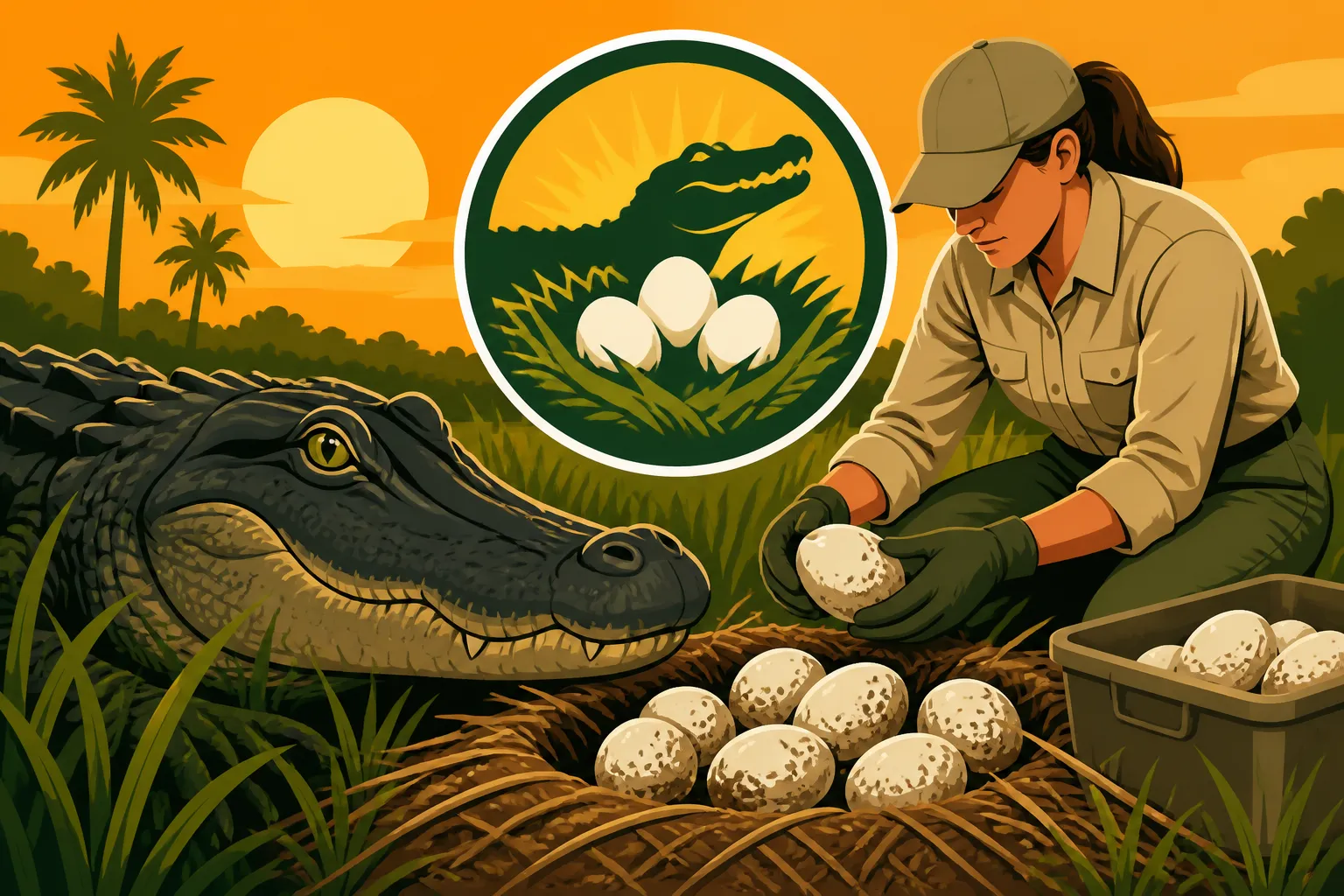
Once permitted, collectors begin the challenging work of locating alligator nests. This typically occurs during the nesting season, which can vary slightly by region but generally falls during the warmer months. Alligator nests are large mounds of vegetation, mud, and debris, often found in dense marshy areas, along canal banks, or in shallow waters. Locating these nests requires keen observation, knowledge of alligator behavior, and often involves navigating difficult terrain. Collectors must be skilled at identifying active nests and approaching them cautiously, as female alligators are known to guard their nests fiercely.
The actual harvesting of eggs is a delicate operation. Alligator eggs are surprisingly fragile and highly susceptible to damage if not handled correctly. They must be carefully removed from the nest and maintained in the same orientation they were found in to prevent harm to the developing embryo. Any rotation can detach the embryo from the shell membrane, leading to mortality. Collectors use specialized containers to transport the eggs, ensuring stable temperatures and minimizing movement. This painstaking process highlights the commitment required to ensure a successful hatch rate once the eggs arrive at a licensed facility. The work is physically demanding and requires significant expertise, often in areas where one might also be Stalking an Alligator on a Freshwater Lake for other purposes.
From Incubator to Hatchling: The Nursery Phase
After collection, the alligator eggs are transported to licensed alligator farms or facilities equipped with specialized incubators. These incubators mimic the natural conditions of an alligator nest, maintaining precise temperature and humidity levels essential for successful hatching. Temperature, in particular, is critical because it determines the sex of the hatchlings – a phenomenon known as temperature-dependent sex determination. Different temperatures produce a higher ratio of males or females, allowing for some control over the demographic of the farmed population.
Once the eggs hatch, the tiny alligators are carefully moved to nursery ponds or enclosures. Here, they are raised under controlled conditions, provided with appropriate food and shelter, and monitored for health and growth. This farmed population contributes to the commercial alligator industry, providing hides and meat, and reducing pressure on wild populations. Some of the hatchlings may also be used for research or, in specific instances, reintroduced to supplement wild populations in designated areas, though the primary focus is commercial sustainability. This multi-stage process ensures that resources are utilized efficiently and responsibly, from the swamp to the commercial market.
The Benefits and Economic Impact of the Program
The Florida Alligator Egg Collection Program is more than just a regulatory framework; it's a vital component of integrated wildlife management, offering a range of benefits that extend from ecological sustainability to economic prosperity for certain industries within the state. It embodies a pragmatic approach to managing a species that is both a conservation success story and a significant resource.
Supporting Sustainable Alligator Populations and Habitat
One of the primary ecological benefits of the egg collection program is its contribution to maintaining a sustainable, healthy alligator population. By allowing a controlled harvest of eggs, the program helps to mitigate potential overpopulation in areas where natural predation or resource availability might otherwise become limiting factors. This preventative measure helps to ensure that Florida's ecosystems remain balanced and that the alligators themselves thrive, without exceeding the carrying capacity of their habitats. It's a form of adaptive management, responding to the dynamic nature of wildlife populations.
Furthermore, the commercial value generated by the program incentivizes the protection of alligator habitats. Landowners and businesses involved in the alligator industry have a direct stake in preserving the wetlands, marshes, and waterways where alligators breed and flourish. This economic connection helps fund habitat restoration and conservation efforts, creating a virtuous cycle where commercial interests align with environmental stewardship. Understanding how robust Florida Alligator Population Estimate can be, and how it's sustained, is crucial for appreciating these efforts.
Commercial Value and the Alligator Industry
The most direct and tangible benefit of the egg collection program is its significant contribution to Florida's alligator farming industry. The eggs collected from the wild provide the foundation for alligator farms, which raise alligators for their hides and meat. This industry generates substantial economic activity, providing jobs and revenue for many Floridians. By meeting market demand through farmed animals, the program reduces pressure on wild adult alligator populations that would otherwise be hunted more heavily for their commercial products.
The market for alligator products, including high-quality leather and nutritious meat, is global. Florida's alligator farms are known for producing top-tier products, upholding a reputation for responsible and ethical practices. This means that the industry not only provides an economic boost locally but also positions Florida as a leader in sustainable wildlife utilization. While hunters pursue individual alligators in the wild, often for sport and personal use as described in Harvesting an Alligator With a Bang Stick, the egg program feeds a much larger, continuous commercial supply chain, ensuring a consistent product without over-exploiting wild resources.
Advancing Research and Public Understanding
Beyond the economic and direct population management benefits, the egg collection program also serves as a valuable platform for scientific research and public education. The facilities that incubate and raise the hatchlings provide unique opportunities for biologists to study alligator development, genetics, disease, and behavior in a controlled environment. Data collected from these operations can inform broader conservation strategies for wild alligators and other wetland species. This scientific understanding is crucial for refining management practices and adapting to future environmental challenges.
Moreover, the program helps foster a greater understanding and appreciation of alligators among the public. Educational tours and outreach initiatives at alligator farms can dispel myths, highlight the importance of wetlands, and demonstrate how humans can coexist with wildlife. By showcasing the careful management and sustainable use of this iconic species, the program promotes a more informed and respectful interaction between people and Florida's natural environment. Understanding the life cycle and management of American Alligators in Florida helps to demystify these powerful creatures.
Considerations and the Future of Alligator Egg Collection
While highly effective, the Florida Alligator Egg Collection Program, like all wildlife management initiatives, requires continuous review, adaptation, and adherence to ethical guidelines. It’s a dynamic system that must respond to scientific findings, environmental changes, and public sentiment to remain successful and responsible.
Ethical Considerations and Best Practices
A program involving the collection of eggs from wild animals naturally brings ethical considerations to the forefront. Florida's approach emphasizes best practices to minimize stress on nesting females and ensure the welfare of the eggs. This includes strict protocols for nest disturbance, egg handling, and environmental conditions during incubation. Permitted collectors are trained to respect the natural behaviors of alligators, avoiding unnecessary interventions and ensuring that collection activities are conducted in a humane and responsible manner.
Transparency and accountability are also key ethical components. The state regularly monitors permitted operations, conducts inspections, and collects data to ensure compliance with all regulations. This oversight helps maintain public trust in the program and confirms that it aligns with broader conservation goals rather than solely commercial interests. The balance struck between utilization and protection is continuously scrutinized and refined, a process that is critical for the long-term viability of the program and the species it manages. Just as hunters follow strict rules for Hunting Alligators at Night Legally, egg collectors adhere to their own set of rigorous standards.
Remaining Challenges and Adaptations
Despite its successes, the program faces ongoing challenges. Environmental changes, such as habitat loss due to development, altered hydrology from extreme weather, and the potential impacts of climate change, can all affect alligator nesting success and population dynamics. These factors necessitate a flexible and adaptive management strategy for the egg collection program. Researchers and wildlife managers constantly analyze data to understand these impacts and adjust collection quotas, permitted areas, and other program parameters accordingly.
Disease outbreaks or unforeseen shifts in the alligator population could also require rapid adaptation. The state's wildlife agency is always monitoring for such issues, ready to implement changes to ensure the health and stability of the species. This commitment to adaptive management ensures that the program remains a responsive tool in the broader effort to manage Florida’s alligator population effectively for generations to come. Having access to current data and tools, even those like GoHunt which primarily focus on hunting, can help wildlife managers and permitted collectors stay informed about regional wildlife trends and habitat conditions, contributing to more informed decisions about collection efforts.
How Public Involvement Can Support Alligator Management
While the egg collection program is largely a commercial and scientific endeavor, public involvement remains crucial for overall alligator management in Florida. Educated citizens who understand the role of alligators in the ecosystem and the reasons behind management programs are more likely to support these initiatives. Simple actions, like not feeding alligators, reporting nuisance alligators, and being mindful of their habitats, contribute significantly to reducing human-alligator conflicts.
The state provides various channels for the public to learn more about alligators and report concerns. Understanding how the Florida Alligator Application Period Dates work for hunters, or simply being aware of the general population trends, can help foster a sense of shared responsibility for Florida's wildlife. Supporting organizations dedicated to wetland conservation also indirectly aids alligator populations. Ultimately, a well-informed and engaged public is the strongest ally in ensuring the long-term health and sustainable management of Florida's iconic American alligator.
| Aspect | Description |
|---|---|
| Purpose | Population management, reduce nuisance alligators, support commercial alligator farming. |
| Participants | Licensed commercial egg collectors and alligator farms. |
| Permitting | Strict state-issued permits with quotas, specific areas, and rigorous guidelines for collection and incubation. |
| Collection Season | Primarily during alligator nesting season (typically warmer months), requiring knowledge of alligator behavior and nest identification. |
| Egg Handling | Extreme care required to maintain original orientation and prevent damage; specialized containers used for transport. |
| Incubation | Eggs transferred to licensed facilities with controlled temperature and humidity; temperature determines sex of hatchlings. |
| Benefits | Sustainable population levels, economic support for the alligator industry (hides, meat), valuable research data, habitat conservation incentives, reduced human-alligator conflicts. |
| Oversight | Continuous monitoring, inspections, and data collection by state wildlife agencies to ensure compliance and ethical practices. |
Disclaimer
This article is for general informational purposes only and does not constitute professional advice. Laws, prices and regulations vary by location and change over time. Consult a qualified professional for guidance on your specific situation.