Finding Access Near Ocala
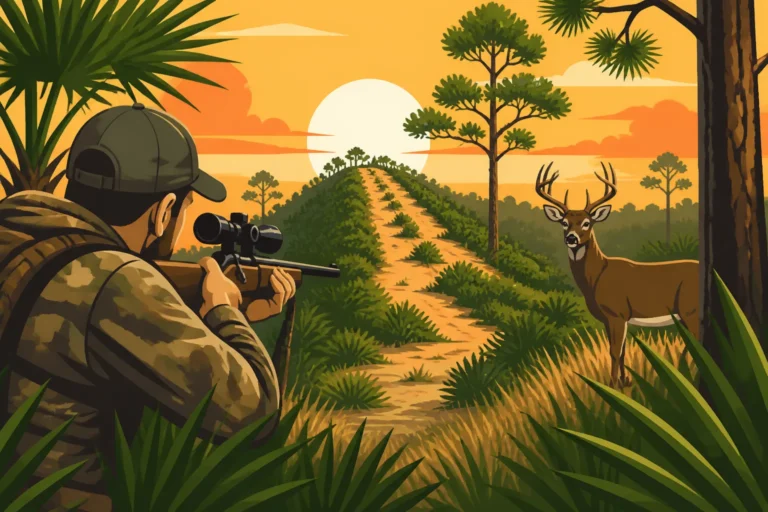
Finding accessible hunting land around Ocala, Florida, can feel like navigating a maze, especially with the region’s blend of sprawling conservation areas and rapidly developing private tracts. Many hunters get frustrated trying to pinpoint exactly where they can legally and effectively pursue game without running into "No Trespassing" signs or hordes of other hunters. This guide is here to untangle that complexity, providing you with practical insights and actionable strategies for securing quality hunting access in and around the Ocala area.
Unlocking Public Land Opportunities Near Ocala
When you're looking for hunting opportunities near Ocala, public land is often the first place everyone thinks of, and for good reason. Florida boasts a significant amount of public land managed by various agencies, offering diverse habitats and game species. However, simply knowing it exists isn't enough; understanding the nuances of each type of public land is crucial for a successful hunt.
Ocala National Forest: Your Backyard Wilderness
The crown jewel of public hunting near Ocala is undoubtedly the Ocala National Forest. This massive federal forest, sprawling over nearly 400,000 acres, is practically in Ocala's backyard. It offers incredible diversity, from ancient sand pine scrub and longleaf pine flatwoods to cypress swamps and hardwood hammocks. This variety means you can find deer, wild hogs, and even turkeys across its vast landscape. The sheer size of the Ocala National Forest means that with enough effort, you can often find areas away from the crowds, especially if you're willing to walk.
However, don't let the "National Forest" designation fool you into thinking it's a free-for-all. While federal land, it's managed as a Wildlife Management Area (WMA) for hunting purposes by the Florida Fish and Wildlife Conservation Commission (FWC), meaning a specific WMA permit is required in addition to your regular hunting license. This is a common point of confusion for new hunters or those coming from out of state. Beyond that, each section of the forest can have specific rules, so always check the FWC regulations handbook for the Ocala National Forest WMA before heading out. Ocala National Forest Hunting
Exploring Nearby Wildlife Management Areas
Beyond the Ocala National Forest, there are several other WMAs within a reasonable drive that offer different hunting experiences. These areas are specifically managed for wildlife and public recreation, often through a system of quota hunts, which can limit hunter numbers and potentially increase your chances of a quality experience.
For instance, depending on how far you're willing to drive, areas like Half Moon WMA or Seminole Forest WMA might be viable options. These WMAs typically have more stringent access rules, often requiring applications for quota permits well in advance. The competition for these permits can be fierce, but drawing one can open the door to less pressured game and a more solitary hunting experience. Always keep an eye on the FWC's quota hunt application windows, as they are strict. Florida Wildlife Management Areas
Florida State Forests and Environmental Lands
Don't overlook Florida's State Forests and other environmental lands. While not always as expansive as a National Forest or as intensely managed as a dedicated WMA, many of these tracts offer hunting opportunities. Often, these areas have more limited seasons or specific regulations, but they can be a great option for a day hunt, especially for small game or hogs, which often have longer seasons or no bag limits.
For example, Ross Prairie State Forest, not far from Ocala, might have specific hunting dates or archery-only seasons. It's crucial to check each individual state forest's regulations, as they can vary significantly. These areas are typically less publicized than the major WMAs, which can sometimes mean less competition if you do your homework. They might also be closer to Ocala, reducing travel time and fuel costs.
Understanding Florida's Hunting Licenses and Regulations for the Ocala Area
Navigating Florida’s hunting regulations can sometimes feel like trying to read a phone book written in legal jargon. It’s dense, detailed, and absolutely critical to understand before you ever step foot in the woods. Getting caught without the right permits or violating a specific rule can quickly turn an exciting hunting trip into a frustrating and costly legal headache.
The Essential WMA Permit and Licenses
First and foremost, to hunt in Florida, you need a valid Florida hunting license. This is your baseline. However, as mentioned earlier, nearly all public lands in Florida, including the Ocala National Forest, operate under the Wildlife Management Area (WMA) system. This means you’ll also need to purchase an additional WMA permit on top of your base license. Think of it as your passport to public land hunting. Without both, you're not legal to hunt these areas.
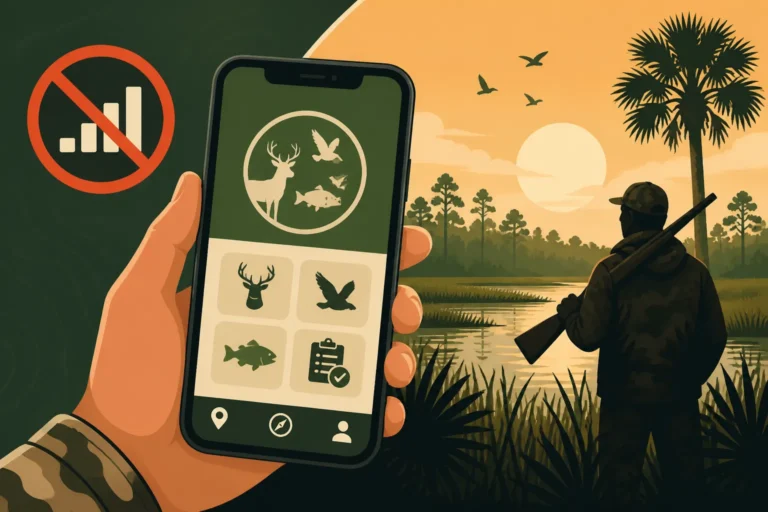
Beyond these, if you plan to hunt migratory birds like ducks or doves, you'll need federal and state migratory bird permits, including the federal duck stamp if hunting waterfowl. The FWC makes purchasing these licenses fairly straightforward through their GoOutdoorsFlorida website or at local license agents, but ensuring you have all the correct stamps and permits for your intended game and location is solely your responsibility. It’s always a good idea to buy them well in advance and keep them accessible, whether as a physical copy or on your phone through the FWC app. Florida Hunting Licenses and What They Cost
Zone-Specific Rules and Season Dates
Florida is divided into four deer management zones (A, B, C, and D), each with its own set of season dates for different weapon types. Ocala falls squarely within Zone C. This means you need to pay close attention to the specific opening and closing dates for archery, crossbow, muzzleloader, and general gun seasons within Zone C, as these dates will dictate when you can hunt the public lands in the Ocala area. The seasons can vary dramatically between zones, so don't assume what applies in the Panhandle applies to Ocala.
For example, Zone C often has an earlier archery opener compared to some other zones, presenting unique opportunities for early-season deer. During general gun season, specific weapon restrictions might still apply on certain WMAs, so always consult the WMA-specific regulations for the area you plan to hunt. This information is available in the FWC's annual hunting regulations handbook, which is a must-read for any Florida hunter. Pay particular attention to bag limits, antler point restrictions (if any), and legal shooting hours for each zone and WMA. Hunting Florida's Zone C Early Archery
Hunter Education and Safety
For anyone born after May 31, 1975, successfully completing a Florida hunter safety course is mandatory before you can purchase a hunting license. There are exceptions for those holding a valid hunting license from another state or those hunting under the supervision of a licensed adult through Florida's apprentice hunting license program. However, for most new or younger hunters, this certification is a non-negotiable step.
These courses cover critical topics like firearm safety, ethical hunting practices, wildlife identification, and conservation principles. They are offered both online and through in-person field days, allowing flexibility for most schedules. Beyond the legal requirement, completing a hunter education course instills a foundation of safety and responsibility that benefits everyone in the woods. Florida Hunter Education Requirements
Leveraging Digital Tools for Scouting and Securing Access
In today’s world, successful hunting isn't just about woodsmanship; it's also about technological prowess. For hunters near Ocala, digital tools have become indispensable for scouting, understanding land boundaries, and even discovering less-pressured areas. Gone are the days of relying solely on paper maps and vague directions; modern apps and online resources put a wealth of information at your fingertips.
Digital Mapping and Property Boundaries with onX Hunt and GoHunt
One of the biggest frustrations for hunters is uncertainty about land boundaries. Is that thick patch public or private? Am I about to cross onto someone else's property? This is where digital mapping apps like onX Hunt become absolute game-changers. With a subscription, onX Hunt allows you to view detailed satellite imagery overlaid with public and private land boundaries, complete with landowner information in many areas. For someone hunting around Ocala, where public land butts up against private tracts, this is invaluable. You can zoom in and see exactly where you stand, where you can legally access, and even identify potential pinch points or funnels on public land that might be overlooked by others.
Similarly, other platforms like GoHunt also offer robust mapping capabilities, often with additional features tailored to specific hunting scenarios. These apps aren't just for avoiding trespass; they are powerful scouting tools. You can drop waypoints for promising sign, track your movements, and mark potential stand locations, all from your phone. Before you even set foot in the woods, you can analyze terrain, identify access roads, and plan your approach routes, which is especially helpful when trying to penetrate deeper into the vastness of the Ocala National Forest or lesser-known WMAs. onX Layers for Florida Land Status
FWC Resources and Online Portals
The Florida Fish and Wildlife Conservation Commission (FWC) provides a treasure trove of information through its website and dedicated apps. The FWC’s online public hunting map is an excellent starting point for any hunter looking for access. This interactive map allows you to search for WMAs, state forests, and other public hunting opportunities across the state, including those surrounding Ocala. It provides links to specific area regulations, season dates, and even details on quota hunts.
Beyond maps, the FWC's website is the official source for all hunting regulations, permit application windows, and harvest reporting. While some hunters find the website a bit overwhelming at first, taking the time to explore it thoroughly will save you countless headaches. For quota hunts, the GoOutdoorsFlorida portal is where you'll apply. Staying on top of these application periods is critical, as they have strict deadlines that, if missed, can mean missing out on an entire season's worth of prime hunting opportunities. Using the FWC Public Hunting Map
| Digital Tool / Resource | Key Features for Ocala Hunters | Best Use Case |
|---|---|---|
| onX Hunt | GPS tracking, Public/Private land boundaries, Landowner info, Offline maps, Waypoint marking | Detailed in-field navigation, Scouting, Boundary verification |
| GoHunt | Similar mapping, Hunt planning, Species-specific insights, Research tools | Advanced pre-hunt planning and research, Strategic decision-making |
| FWC Public Hunting Map | Official FWC boundaries, Links to regulations, Area descriptions, Quota hunt info | Discovering new WMAs, Verifying official rules, High-level planning |
| GoOutdoorsFlorida Portal | License/Permit purchase, Quota hunt applications, Harvest reporting | All official transactions, Permit application deadlines |
| FWC Regulations Handbook | Comprehensive rulebook, Zone-specific dates, Bag limits, Weapon rules | Definitive legal guide, Understanding nuances of Florida hunting law |
Navigating Private Land Access: Leases, Permission, and Etiquette
While public lands offer incredible opportunities near Ocala, the reality is that much of Florida's prime hunting ground is privately owned. Gaining access to these private tracts can provide a less pressured hunting experience and often higher quality game, but it requires a different approach than public land. Many hunters feel intimidated by the idea of seeking private land permission, but with the right mindset and strategy, it's entirely possible.
The Art of Knocking on Doors
Securing permission to hunt private land is a skill, and it's one that often requires persistence and a thick skin. For properties directly adjacent to Ocala, finding large, un-hunted tracts can be challenging due to development pressure. However, as you move further out into the surrounding counties, especially towards agricultural areas or large timber tracts, opportunities increase. The key is to be respectful, presentable, and concise.
Approach landowners during non-hunting hours, perhaps on a weekday evening or weekend afternoon, and always ask for permission in person. Introduce yourself, explain your intentions clearly, and be prepared to offer something in return. This could be helping with fence repair, keeping an eye on the property, or even offering a share of your harvest. Many landowners are wary of hunters due to past negative experiences, so building trust is paramount. Persistence without being a nuisance is key; a "no" today might turn into a "yes" next season. Asking a Florida Landowner for Permission
Hunting Leases and Clubs
For many, outright private land ownership isn't feasible, and individual permission can be difficult to obtain consistently. This is where hunting leases and clubs come into play. Florida has a robust market for hunting leases, ranging from multi-year contracts on thousands of acres to seasonal or even day leases on smaller parcels. Near Ocala, you might find leases on timber company lands, large cattle ranches, or even agricultural fields.
Hunting clubs often form around these leased properties, pooling resources to secure larger tracts and share the cost. Joining a club can be a fantastic way to gain access to quality hunting ground, enjoy camaraderie, and share the workload of habitat management. However, these options come with a cost, which can vary significantly depending on the acreage, location, and amenities offered. It's crucial to thoroughly vet any lease agreement or club membership, understanding all the rules, responsibilities, and financial commitments before signing on. Finding a Florida Hunting Lease
Understanding Trespass Laws
Whether you're exploring potential private land or navigating the edges of public property, a clear understanding of Florida's trespass laws is non-negotiable. Unintentional trespassing can still lead to serious legal repercussions, including fines and the loss of hunting privileges. In Florida, simply having "No Trespassing" signs posted is often sufficient to delineate private property. Even if signs aren't present, if the land is fenced, cultivated, or otherwise clearly private, you must have explicit permission.
It’s always best practice to get written permission from a landowner if you're granted access. This protects both you and the landowner in case of any misunderstanding. Remember, retrieving game that crosses onto private land without permission is still trespassing. Always ensure you know exactly where you are and have permission for any property you intend to hunt or even cross. Respect for private property is not just a legal obligation; it's a fundamental part of ethical hunting. What Florida Trespass Law Requires
Strategic Hunting: Tactics and Preparations for Central Florida's Unique Challenges
Hunting in Central Florida, particularly around Ocala, presents its own set of unique challenges and rewards. The climate, terrain, and game behavior differ significantly from other parts of the country. A cookie-cutter approach won't work here; you need to adapt your strategies to the Florida environment.
Species-Specific Tactics for Deer, Hogs, and Turkey
Near Ocala, your primary big game targets will likely be white-tailed deer, feral hogs, and Osceola turkeys. Each requires a distinct approach.
For deer, understanding their movement patterns in Florida's often dense, scrubby terrain is crucial. Deer here don't always follow the same patterns as their northern cousins. Look for natural funnels where palmetto thickets narrow, or along the edges of swamps and pine islands. Food sources like acorns, persimmons, and green browse in oak hammocks are always prime locations. Early archery season in Zone C, when the weather is still quite warm, demands patience and careful scent control. As the rut progresses, typically peaking in late October to early November in this zone, rattling and grunting can become effective. White-Tailed Deer Across Florida
Wild hogs are abundant and offer year-round hunting opportunities with no bag limits on private land. They are creatures of habit, often rooting along creek bottoms, cypress edges, or in planted fields. Look for fresh rooting, tracks, and wallows. Hogs are largely nocturnal, especially during warmer months, so night hunting with lights (where legal, typically on private land) can be highly effective. Still-hunting along game trails in dense cover or sitting over bait (also legal on private land) are popular methods. Feral Hogs Across Florida
Osceola turkeys, native only to Florida, are a prized bird. Near Ocala, you'll find them in mixed pine and palmetto flatwoods, oak hammocks, and along the edges of pastures. Locating their roosts is often the first step, and then attempting to call them off the roost at first light. Unlike Easterns, Osceolas can be a bit more predictable in their movements once they hit the ground, but they are incredibly sharp-eyed. Aggressive calling can sometimes work, but often a more subtle approach is needed. Decoy placement is critical, especially for pressured birds. Osceola Turkeys in Peninsular Florida
Dealing with Hunting Pressure
Public lands near population centers like Ocala often experience significant hunting pressure, especially on opening weekends of popular seasons. This pressure can make deer and turkey particularly wary, sending them deeper into cover or making them largely nocturnal. The frustration of arriving at your favorite spot only to find another truck already parked there is a common one.
To combat this, you need to be willing to work harder than others. This means walking further into areas that most hunters won't bother with. Study topo maps and aerial photos to identify remote pockets of public land, deep swamp edges, or dense thickets that offer sanctuary. Use mapping apps like onX Hunt to find obscure access points or to plot a route that avoids main trails. Hunting during weekdays, when many people are working, can also significantly reduce competition. Sometimes, finding ground others walk past means finding the least convenient spots. Hunting Pressure on Florida Public Land
Seasonal Adaptations and Food Sources
Florida's seasons, while less dramatic than in northern states, still dictate game behavior and access. Early season (archery, early muzzleloader) often means hot, humid weather and abundant natural forage. Deer might be less concentrated on specific food sources, and movement will be highest at dawn and dusk. As the general gun season progresses into cooler months, especially after a cold front, deer activity can pick up, and they might become more predictable around preferred food sources like hard mast.
A poor acorn year, for instance, can drastically alter deer patterns, pushing them towards other food sources like persimmons, green browse, or even agricultural fields if you have private land access. Knowing how the weather and natural food availability influence game movement is key to adapting your strategy throughout the season. Scouting not just for fresh sign, but for current food sources, will give you an edge. Late-Season Food Sources for Florida Whitetails
Essential Preparations for a Successful Ocala-Area Hunt
Beyond the licenses, maps, and tactics, successful hunting in Central Florida requires specific preparations to handle the unique environment. Overlooking these details can turn a promising hunt into a miserable experience.
Essential Gear for Florida Conditions
Florida's climate is a force unto itself, and your gear choices must reflect that. The heat, humidity, and insects are relentless for much of the hunting season. Lightweight, moisture-wicking clothing is essential, even in cooler months, as temperatures can fluctuate wildly. Snake boots are highly recommended when traversing palmetto, cypress edges, or tall grass, as venomous snakes like rattlesnakes and cottonmouths are common residents.
Hydration is paramount. Always carry more water than you think you’ll need. Insect repellent, especially a good Thermacell, is not just a comfort item but a necessity to ward off mosquitoes and biting flies, which can quickly ruin a still-hunt. Navigation tools, whether a GPS unit or a reliable mapping app on your phone, are critical, as it's surprisingly easy to get disoriented in dense, monotonous palmetto flats or cypress swamps. A headlamp with a red light setting is also invaluable for pre-dawn walks in and post-dusk walks out.
Field Dressing and Game Recovery
Given Florida’s generally warm climate, rapid field dressing is crucial to preserve your game meat. Even on a cool winter day, temperatures can rise quickly. Once you harvest an animal, especially a deer or hog, get to work immediately. Remove the entrails as quickly as possible to allow the carcass to cool internally. If you're deep in the woods, consider carrying game bags and a lightweight rope for dragging or quartering.
Tracking a deer or hog in sandy Florida soil or dense palmetto can be challenging. A bright tracking light or headlamp is essential, especially if you find yourself tracking after dark. Take your time, mark the last known blood, and be methodical. Recovering game from a cypress slough or deep swamp adds another layer of difficulty; assess the situation carefully and consider bringing help if you anticipate such a recovery. Field Dressing a Deer in Hot Weather
Post-Harvest Reporting
Florida has mandatory harvest reporting requirements for deer and turkey. This is not just a suggestion; it's a legal obligation. After harvesting a deer or turkey, you must report it to the FWC within 24 hours of taking possession of the animal, and before it is dismembered or leaves the harvest site (in the case of deer). The easiest way to do this is through the FWC's GoOutdoorsFlorida app on your smartphone, or by logging onto their website. You'll need to provide details such as the species, sex, and location of the harvest. This data is vital for wildlife managers to monitor populations and set future regulations, so doing your part is important for the health of Florida’s wildlife. Reporting a Deer Through Florida's App
Disclaimer
This article is for general informational purposes only and does not constitute professional advice. Laws, prices and regulations vary by location and change over time. Consult a qualified professional for guidance on your specific situation.