Bowhunting Florida’s Zone A August Opener
There’s nothing quite like the anticipation of a new deer season, but for those of us in Florida's Zone A, that excitement often comes with a hefty dose of August heat and humidity. Opening day in late July or early August can feel less like a hunt and more like a sauna expedition, making bowhunting a real test of endurance and strategy. This guide is here to walk you through everything you need to know to not just survive, but truly thrive, bowhunting Florida's Zone A August opener.
Understanding Florida's Zone A and its August Opener
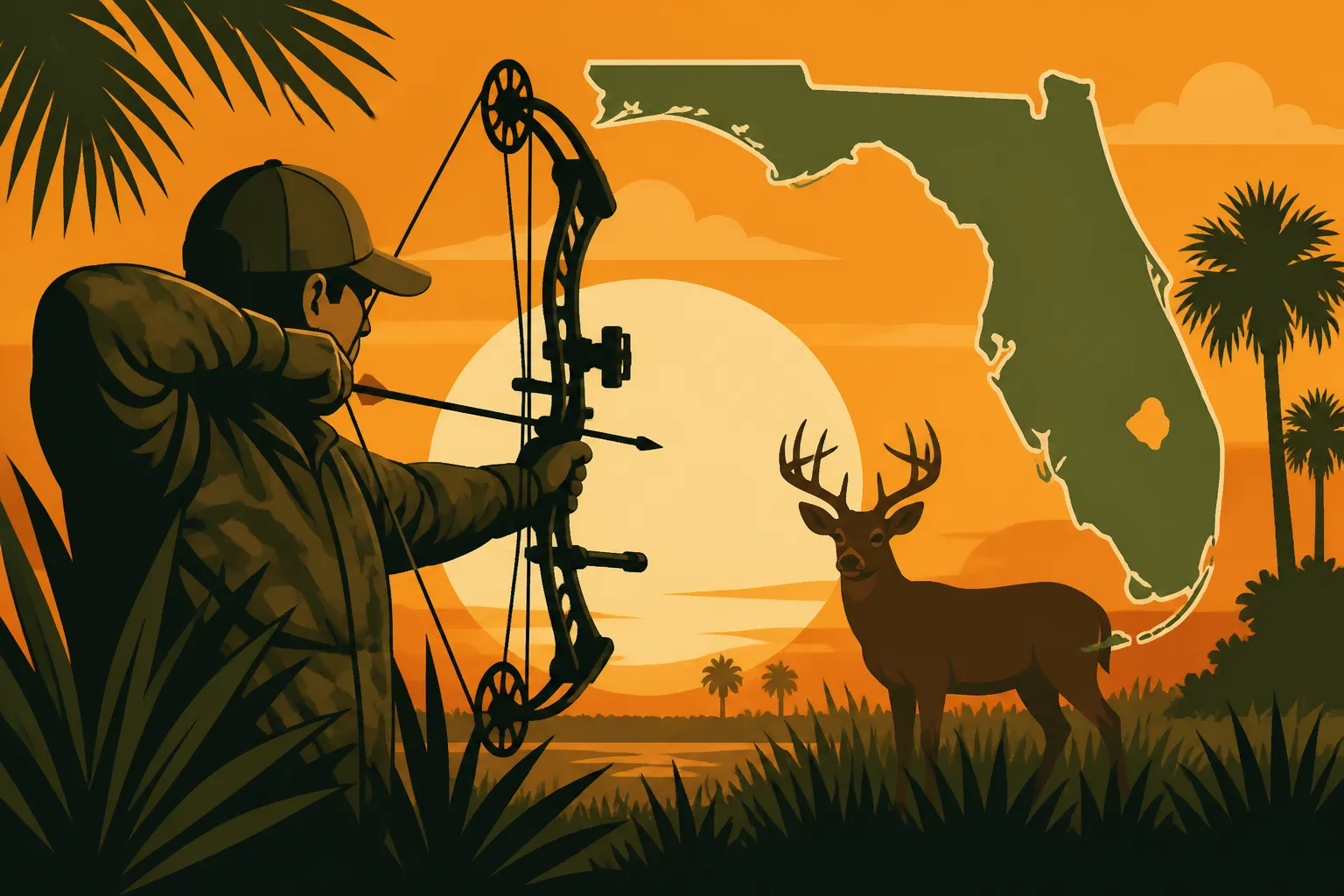
Florida's unique climate and diverse ecosystems mean that hunting seasons vary significantly across the state. Zone A, encompassing much of Southwest Florida, kicks off its archery season while the rest of the country is still dreaming of fall. This early start presents a very specific set of challenges and opportunities for the dedicated bowhunter.
The Unique Challenges of August Heat
Forget crisp autumn mornings; August in Florida is brutal. We're talking average daily temperatures consistently in the low 90s, often with a heat index pushing into triple digits, all accompanied by suffocating humidity. This isn't just uncomfortable for you; it dictates everything about deer behavior. Deer are primarily nocturnal during these times, moving mostly at night or during the very earliest and latest minutes of daylight. They'll seek dense cover, water sources, and shade like it's their job, because, well, it is. As a hunter, you're battling sweat, mosquitoes, gnats, and the constant need for hydration, all while trying to remain still and scent-free. It's a true mental and physical grind that quickly separates the casual hunter from the truly committed.
Key Deer Behavior in Zone A During Early Season
During the August opener, Florida whitetails in Zone A are still largely in their summer patterns. Bucks are typically still in bachelor groups, though velvet shed might be imminent or already occurring for some. They are very focused on two things: food and water, with a strong emphasis on staying cool. Natural food sources like early acorns (if available), green browse, and various fruit-bearing plants are key. Think about palmetto berries, wild grapes, and even certain early-fruiting oaks. However, water is king. Ponds, sloughs, cypress heads, and even muddy wallows become critical hubs of activity. Deer will bed in the thickest, coolest cover they can find during the day, often areas with good airflow or near water. Understanding these basic needs is paramount to anticipating their movements. They are also incredibly sensitive to human presence, especially in the thick, still air where scent hangs heavy.
Zone A's Specific Archery Dates and Regulations
Zone A's archery season is one of the earliest in the nation, often starting in late July or early August and running for about a month. It's crucial to check the Florida Fish and Wildlife Conservation Commission (FWC) regulations every single year, as dates can shift slightly. For instance, the general archery season for Zone A typically opens the last Saturday in July. During this season, you can harvest antlered deer, provided they meet antler point regulations where applicable, and antlerless deer. Always double-check county-specific rules as well, especially concerning the bag limits and if any areas within Zone A have special restrictions. For a comprehensive overview of when the season actually opens, make sure to check out the details on When Florida's Zone A Archery Season Opens. You'll need a valid Florida hunting license and a deer permit to participate, so make sure all your paperwork is in order before heading afield. The FWC website or app is your best friend for up-to-the-minute details.
Gear Considerations for Hot Weather Bowhunting
Hunting in Florida's August heat isn't just about perseverance; it's about preparation. Your gear choices can make or break your hunt, influencing everything from your comfort to your ability to stay undetected.
Lightweight and Breathable Apparel
When every degree counts, your clothing is your first line of defense against heatstroke and discomfort. Ditch the heavy camo and opt for lightweight, moisture-wicking fabrics. Synthetic blends or merino wool are excellent choices because they breathe well, dry quickly, and help manage sweat, which in turn helps with scent control. Look for clothing with ventilation panels, like mesh armpits or back vents. Light colors are generally better at reflecting sunlight, though most camo patterns will be designed to break up your silhouette rather than maximize thermal reflection. Long sleeves and pants are highly recommended, not just for concealment, but also to protect against the sun's harsh UV rays and, perhaps more importantly, the relentless mosquitoes and other biting insects. Brands like Sitka Gear, Kryptek, and even some of the more affordable athletic wear lines offer excellent options tailored for warm weather.
Hydration and Insect Protection Essentials
You simply cannot overstate the importance of hydration in August Florida. Dehydration can creep up on you fast, leading to fatigue, poor judgment, and even serious medical issues. Always carry more water than you think you'll need. A hydration pack is invaluable, allowing you to sip water continuously without fumbling with bottles. Electrolyte supplements, whether in powder or tablet form, can help replace what you lose through sweat. As for insects, they are an omnipresent menace. Mosquitoes, no-see-ums, and ticks are not just annoying; they can transmit diseases. Permethrin-treated clothing is a game-changer for ticks and chiggers, offering long-lasting protection. On exposed skin, a quality DEET-based repellent is your best bet, though some hunters prefer natural alternatives like picaridin or oil of lemon eucalyptus. Consider a ThermaCell for your stand location; it creates a mosquito-free zone that is truly a blessing. Having these tools makes the hunt much more tolerable and allows you to focus on the deer.
Bow and Arrow Setup for Florida Conditions
While your bow itself doesn't change for the heat, certain considerations are worth noting. Humidity can affect string stretch, so ensure your bow is tuned properly and your peep sight hasn't rotated. Broadheads should be razor-sharp, as always, but also consider how quickly a deer's body temperature rises after the shot in hot weather. A clean, quick kill is paramount for ethical hunting and for ensuring the best possible meat quality. Use reliable, accurate broadheads that you've practiced with extensively. Also, think about your quiver. A lightweight, quiet quiver that doesn't add unnecessary bulk or rattle is ideal, especially when you're trying to move silently through dense, humid undergrowth. Your optics, like rangefinders and binoculars, should be fog-proof and waterproof, as sweat, humidity, and sudden rain showers are constant companions in the Florida woods.
| Gear Type | Recommendation | Key Benefit |
|---|---|---|
| Apparel | Lightweight, moisture-wicking synthetics/merino | Breathability, quick-drying, scent management |
| Hydration | Hydration pack (2-3L), electrolyte tablets | Continuous hydration, prevents fatigue |
| Insect Repellent | Permethrin-treated clothing, DEET spray, ThermaCell | Protection from bites, disease prevention |
| Footwear | Waterproof, breathable boots or lightweight swamp boots | Comfort, protection from water/snakes |
| Optics | Fog-proof, waterproof binoculars/rangefinder | Reliability in humidity, clear vision |
| Scent Control | Carbon-lined clothing, scent killer sprays, ozone generator | Minimizes human odor for wary deer |
Scouting Strategies for Early Season Success
Success during the Zone A August opener often hinges on your ability to effectively scout. With deer movements heavily influenced by heat and water, traditional scouting methods might need a tropical twist.
Pre-Season Digital Scouting with Tools like GoHunt
Before you even step foot in the humid Florida woods, leverage the power of digital scouting tools. Platforms like GoHunt, along with the Florida FWC's public hunting maps, are invaluable. They allow you to virtually explore vast tracts of public land, identifying potential pinch points, water sources, bedding areas, and travel corridors from the comfort of your air-conditioned home. Look for areas where different habitat types converge – for instance, where a dense palmetto thicket meets a cypress swamp or a feeder stream. Pay close attention to subtle elevation changes, as even a slight rise can offer deer a dryer, cooler bedding spot or a vantage point. Identifying hidden sloughs or isolated ponds can be a game-changer, as these will be magnets for deer seeking respite from the heat. Use satellite imagery to pinpoint potential food sources that might be active in early August, like oak hammocks with early-dropping acorns, or areas with wild grapevines. This digital recon helps you narrow down vast landscapes, making your on-the-ground efforts far more efficient.
On-the-Ground Reconnaissance in Sweltering Conditions
Once you've identified promising areas on a map, it's time to hit the ground. Be warned, though, that August scouting is an exercise in misery if you're not prepared. Go during the coolest parts of the day – early morning or late evening – and focus on covering ground efficiently. Look for fresh tracks around water sources, trails leading to dense bedding cover, and any signs of early browse. Pay particular attention to scrape lines along a sand road, as these can give clues about buck activity, even if the rut is still months away. Don't be afraid to put on your boots and walk into those thick palmetto heads; this is often where deer bed during the day. However, move slowly and deliberately to minimize your impact. The goal is to find fresh, consistent sign without disturbing the area too much before the season. Also, carry a small, portable trail camera if rules permit. Placing it on a well-used trail leading to water or a prime food source can give you real-time intelligence on deer movement patterns without having to be there yourself. Just remember to check your cameras strategically to avoid excessive disturbance.
Identifying Primary Food and Water Sources
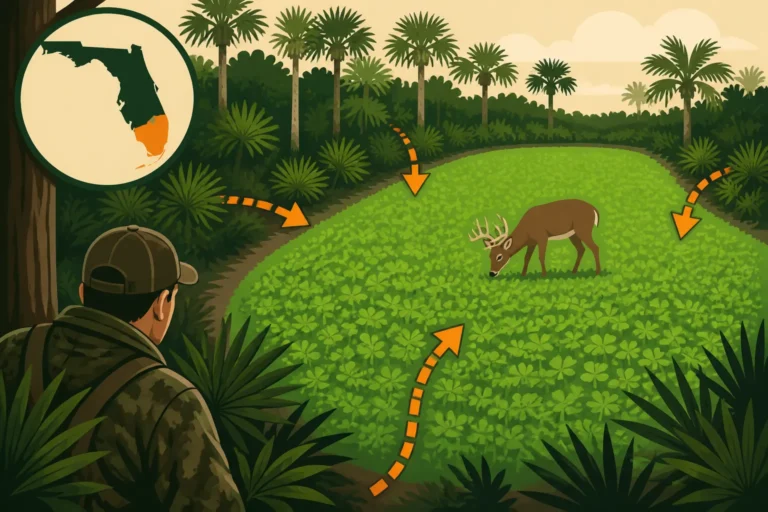
In the intense heat of August, food and water dictate deer movement more than anything else. Focus your scouting efforts on identifying these critical resources. Water sources are often obvious—ponds, sloughs, creek beds—but also look for less apparent puddles or seepages in low-lying areas. Deer will use any available water to drink and cool down. For food, while acorns are the holy grail, early August might still be a bit too early for a widespread drop, especially in certain oak species. Look for other mast crops like palmetto berries, wild grapes, persimmons, and even muscadines. These can be incredibly attractive to deer. Also, identify areas with lush, green browse, particularly if surrounding areas are drying out. Pinpointing entry routes through a Florida food plot (if hunting private land) or naturally occurring clearings with palatable vegetation will be key. The more diverse the food and water options in an area, the more likely deer are to frequent it, offering you a better chance for a shot. Remember, deer will move between bedding, feeding, and watering areas, often using the path of least resistance or the most cover. Understanding these patterns is crucial for successful stand placement.
Effective Stand Placement in Zone A
Putting your treestand or ground blind in the right spot is paramount, and in Zone A's August conditions, it's an even more critical decision. You need to consider not just deer movement, but also the elements.
Leveraging Shade and Prevailing Winds
Shade is a deer's best friend in August, and it should be yours too. When setting up your stand, prioritize spots that offer good cover and shade throughout the morning and evening hunts. A deer that feels comfortable and cool will move more naturally. Look for the edges of dense cypress swamps, the shaded side of large oak hammocks, or thick palmetto patches with tall pine overstory. However, even more important than shade is the wind. Florida's winds can be fickle, especially in the thick swamps and dense woods. Always play the prevailing wind, but be prepared for thermals to shift, particularly at dawn and dusk. In flat Florida terrain, understanding wind and thermals can be tricky, as there are fewer elevation changes to create predictable air currents. Test the wind constantly with a powder bottle or milkweed. Your scent, even with all your scent-control efforts, will be your biggest enemy in this still, humid air. Avoid placing your stand directly downwind of where you expect deer to approach, but rather slightly off to the side, allowing your scent cone to drift away from their primary travel path.
Hunting Water Sources and Travel Corridors
As discussed, water is a magnet for deer in August. Setting up a stand overlooking a secluded pond, a slow-moving slough, or even a well-used muddy area can be highly effective. Deer will visit these spots frequently to drink, cool off, and sometimes even bed nearby in the thick, damp cover. Identify the most likely entry and exit points to these water sources. Similarly, focus on key travel corridors that connect bedding areas to food and water. This could be a narrow strip of hardwoods between two swamps, a faint trail along a cypress head at last light, or a game trail weaving through a dense palmetto flatwoods edge. Look for natural funnels, like a bottleneck between two palmetto heads or a narrow crossing point in a swamp. These are high-odds areas where deer are forced into a predictable path. Remember, deer won't travel far during the day in the heat, so focusing on areas with all three components (bedding, food, water) in close proximity will increase your chances. For a deeper dive into hunting these vital pathways, check out Hunting a Funnel Between Two Palmetto Heads.
Ground Blinds Versus Treestands for Early Season
The choice between a ground blind and a treestand in Zone A for the August opener depends on several factors, including the specific terrain and your comfort level.
Ground Blinds: These can be incredibly effective in thick Florida cover. They offer full concealment, which is a huge advantage when deer are on high alert. They also protect you from the elements – sun, rain, and a surprising amount of insect activity. For hunters who struggle with mobility or heights, a ground blind is an excellent option. When brushing in a blind on a field edge or in a thicket, make sure it blends perfectly with its surroundings. The downside is that ground blinds can limit your visibility and shot angles, especially in dense palmetto. They also hold heat, so choose a well-ventilated model or be prepared to sweat. For more on this, you can learn about Using a Ground Blind on Florida Public Land.
Treestands: Treestands offer a better vantage point, allowing you to see over the dense undergrowth and spot deer from a distance. Being elevated also helps with scent dispersal, getting your human odor above a deer's nose, though this is less effective in still, humid air. However, climbing into a stand in August can be a sweaty affair, leaving a significant scent trail. Portability is also a factor; carrying a heavy stand through swampy terrain in the heat is exhausting. Whether you choose a climber, hang-on, or ladder stand, ensure it's secure, comfortable, and provides good cover from above. A hybrid approach, using a treestand in more open areas and a ground blind in super thick cover, might be your best bet.
Bowhunting Tactics for Pressured Deer
Florida's public lands, even in Zone A, can see significant pressure, especially early in the season. Deer quickly become wary, making stealth and smart tactics essential for bowhunting success.
Minimizing Scent and Noise
Deer in Florida, particularly on public land, are incredibly attuned to human scent and noise. Your ability to minimize these factors will directly correlate with your success. Start with a rigorous scent-control regimen. Shower with scent-free soap, wash all your hunting clothes in scent-free detergent, and store them in airtight containers or bags. Dress at your hunting location to avoid picking up scents from your vehicle or gas station. Use scent eliminator sprays generously. Most importantly, hunt the wind like your life depends on it. A slight shift in wind can blow your cover. For noise, move slowly and deliberately through the woods. The dense undergrowth of palmettos and saw palmettos makes silent movement challenging, so plan your approach and exit routes carefully, utilizing existing game trails or clear paths. Avoid snapping twigs or rustling leaves unnecessarily. If you're walking in before dawn, use a dim red light to avoid spooking game, and practice walking quietly in your hunting boots. The more you can disappear into the environment, the better your chances.
Still-Hunting and Spot-and-Stalk Opportunities
While stand hunting is popular, still-hunting and spot-and-stalk tactics can be incredibly effective, especially in Zone A's diverse habitat. Still-hunting involves moving very slowly and deliberately, taking a few steps, then pausing and observing for extended periods. This method works well in areas with good visibility but also dense enough cover to break up your silhouette, like the edges of cypress swamps or along old logging roads. Look for subtle movements, flicking ears, or patches of deer hair. The key is patience and keen observation. Spot-and-stalk can be challenging in Florida's thick cover, but it's not impossible, especially in more open pine flatwoods or around field edges on private land. This method requires excellent glassing skills (using binoculars to spot deer from a distance) and then a silent, strategic approach, often crawling or moving low to the ground. This takes immense practice and stealth. You might find success by stalking an alligator on a freshwater lake, which shares some similar principles of stealth and observation, just for a different kind of prey. Remember that stalking a deer in sandy Florida soil leaves a very distinct track. These tactics are physically demanding in the heat but can yield incredible close-range bowhunting opportunities.
Understanding Deer Movement Patterns
Florida deer, especially those pressured in Zone A, are creatures of habit but can adapt quickly. During the August opener, their movement patterns are heavily influenced by the early rising sun and the oppressive heat. They will move most actively during the first hour or so after dawn and the last hour before dusk. Beyond that, expect them to be bedded in the thickest, coolest cover available. Midday movement is rare, unless disturbed or in direct need of water. Your best bet is to be in your stand well before first light and stay until after legal shooting light, capitalizing on those prime low-light periods. Pay attention to how Florida bucks bed in thick palmetto and plan your approach accordingly. If you have trail camera data, analyze it closely to identify peak movement times and specific travel routes. Consistent patterns around food, water, and bedding will emerge if you pay attention. Also, understand that deer activity can spike after a cold front, even a mild one, offering a brief window of increased movement. Being flexible and adapting your tactics based on real-time observations and weather conditions is crucial.
Dealing with the Aftermath: Heat and Meat Care
You've made the shot, and the deer is down. Now the real race against the clock begins. In Florida's August heat, proper field dressing and meat care are not just about quality; they're about preventing spoilage.
Rapid Field Dressing and Cooling Techniques
In hot weather, every minute counts after a deer is harvested. As soon as you recover your deer, begin the field dressing process. Get the guts out immediately to allow the carcass to start cooling from the inside out. Cut around the anus, open the chest cavity to the sternum, and remove all internal organs. Once the organs are out, you can gently rinse the cavity with clean water if available, or wipe it clean with cloths to remove any blood and debris. The goal is to maximize airflow. Prop the cavity open with sticks if possible. If you’re far from your vehicle, consider quartering the animal in the field to make transport easier and allow more rapid cooling. This is often necessary when recovering a deer from a cypress slough or other remote locations. The faster you can get the body heat out of the animal, the better the quality of your venison will be. Some hunters will even pack ice into the cavity if they have a cooler handy for immediate cooling. This initial rapid cooling is critical to prevent bacterial growth and souring of the meat.
Transporting Meat in High Temperatures
Once field dressed, the challenge shifts to transportation. If you're packing out quarters, place them immediately into game bags to keep them clean and protect them from insects. If you're pulling the whole animal out, avoid dragging it through excessive mud or water. Get it to your vehicle as quickly as possible. Have large coolers filled with ice ready and waiting. Place the quarters or the entire field-dressed carcass directly onto the ice, ensuring good ice contact with the meat. If transporting a whole deer, place large bags of ice inside the chest cavity. The goal is to get the core temperature of the meat down as fast as possible. You'll likely need a lot of ice, possibly even dry ice for extended transport, depending on how far you're going and how long it will be before professional processing or home butchering. Always prioritize getting the meat cool and keeping it cool. Remember, once the meat starts to sour, there's no going back. For more detailed advice on handling a harvest in these conditions, refer to Field Dressing a Deer in Hot Weather.
Post-Harvest Processing and Storage
Upon returning home or to camp, the meat needs immediate attention. If you're butchering yourself, get the deer broken down into primal cuts and then into smaller, manageable portions as soon as possible. Trim off any soiled or bruised meat. For the best flavor and tenderness, aging venison in hot weather is generally not recommended unless you have access to a walk-in cooler that can maintain a consistent temperature between 34-37°F (1-3°C) for several days. In August Florida, this is rarely an option for most hunters. Instead, process the meat quickly. Package individual cuts in vacuum-sealed bags, freezer paper, or heavy-duty freezer bags. Label each package with the date and cut, then freeze them solid. If you're using a professional processor, call ahead to let them know you're coming and that the deer needs immediate attention due to the heat. A good processor will understand the urgency. Handling venison from a CWD surveillance zone also comes with specific rules, so if you're in an affected area (like Florida's Holmes County), be sure to follow all FWC guidelines for testing and carcass disposal. Proper care at every step ensures that your hard-earned venison is delicious and safe to eat.
Safety and Regulations for Zone A Bowhunters
Hunting in Florida comes with specific responsibilities and inherent risks, particularly during the challenging conditions of the August opener. Staying informed and prepared is critical.
Staying Safe from Heatstroke and Wildlife Encounters
The most immediate danger you face during Florida's August bow season is the heat. Heat exhaustion and heatstroke are real threats. Stay hydrated, wear appropriate clothing, and know the symptoms: dizziness, nausea, confusion, rapid pulse. If you feel any of these, get out of the sun, rehydrate, and cool down immediately. Plan your hunts for the coolest parts of the day and recognize when it's time to take a break. Beyond the heat, Florida's wilderness is home to various creatures that demand respect. Alligators are common in Zone A and can be a significant hazard, especially around water sources. Always be aware of your surroundings, especially when walking near ponds or sloughs. Snakes, including venomous species like cottonmouths and rattlesnakes, are also active. Wear snake boots or gaiters, and watch where you step and place your hands. While rare, Florida black bears are also present in some areas; understand basic bear safety protocols. Being aware of your environment and taking precautions against both natural elements and wildlife will ensure a safer hunt.
Understanding Florida's Bowhunting Specific Laws
Florida has clear regulations governing bowhunting, and it's your responsibility to know and follow them. Archery season permits the use of bows and crossbows. While crossbow hunting during Florida's archery season is permitted, there might be specific rules about draw weight or other equipment details that you need to be aware of. Ensure your equipment meets all legal requirements. For instance, specific broadhead types might be prohibited, or minimum cutting diameters could be enforced, though generally, most modern fixed and mechanical broadheads are legal. There are also specific rules about legal weapons during Florida Archery Season. Always verify the current year's FWC hunting regulations handbook, as rules can change. You are required to possess a valid hunting license and deer permit. Additionally, understand that on public lands, baiting for deer is typically prohibited, so ensure you are not hunting over any illegal attractants. Compliance with these laws is not just about avoiding fines; it's about ethical hunting and preserving our sport.
Required Licenses and Permits
Before you even think about heading into the woods, ensure you have all the necessary paperwork. At a minimum, you will need a Florida hunting license. For deer hunting, you’ll also need a deer permit. If you plan to hunt on Florida Wildlife Management Areas (WMAs), you'll likely need a WMA Management Area Permit, and potentially a quota permit for specific hunts, as per the Florida WMA Quota Permit System. While Zone A's August opener is often an over-the-counter license affair, it's always wise to check if any specific WMA within Zone A requires an additional quota permit or has special season dates. Residents and nonresidents have different license fee structures. For a full breakdown of what you need and what it costs, take a look at Florida Hunting Licenses and What They Cost. You can purchase licenses online through the FWC website, by phone, or at authorized license agents like sporting goods stores. Always carry proof of your licenses and permits while hunting, whether that's a physical copy or stored on your phone via the FWC's Go Outdoors Florida app. Having everything in order helps you focus on the hunt, rather than worrying about legalities.
Mental Game and Persistence
Bowhunting in Florida's August heat is as much a mental challenge as it is a physical one. The odds are stacked against you with the heat, bugs, and wary deer. Developing mental toughness and unwavering persistence is key to success.
Embracing the Grind and Managing Expectations
Let's be real: August bowhunting in Zone A isn't easy. You're going to sweat, you're going to battle bugs, and you're probably going to have slow hunts where deer seem to materialize and disappear like ghosts. The first step to success is to embrace this reality. Understand that this is a grind, and success will be hard-earned. Manage your expectations; don't go into the woods expecting to see dozens of deer or shoot a giant buck on opening morning. Instead, focus on the small victories: staying quiet, managing your scent, getting through a full sit, or observing a new deer trail. This mindset shift will prevent burnout and allow you to appreciate the experience, even when the deer aren't cooperating. The relentless heat can quickly dampen spirits, but reminding yourself why you're out there, connecting with nature, and challenging yourself, can keep your motivation high. Florida Deer Camp Traditions often involve stories of these challenging hunts, shared with a sense of camaraderie and respect for the effort involved.
Maintaining Focus in the Swamps
The dense, humid environment of Florida's swamps and palmetto flatwoods can be distracting. The constant buzzing of insects, the drips of sweat, the lack of widespread visibility—it all conspires to break your focus. But maintaining sharp concentration is absolutely essential for bowhunting. Deer can appear silently and quickly in these thick areas, and you need to be ready to draw your bow smoothly and make a precise shot in a split second. Practice deep breathing and mindfulness to quiet your mind. Tune into the subtle sounds of the swamp – the rustle of leaves, the splash of a distant critter, the snap of a twig – these can all signal an approaching deer. Avoid getting caught up in checking your phone or fiddling with gear. Keep your eyes scanning, especially in the shadows and dense cover where deer often appear. This kind of intense focus, sustained for hours in discomfort, is what truly separates successful bowhunters from those who give up early.
Learning from Each Hunt and Adapting
Every hunt, whether successful or not, offers valuable lessons. In the challenging conditions of Zone A's August opener, these lessons are even more pronounced. Did the wind swirl unexpectedly? Did you approach your stand too noisily? Did deer seem to be using a different trail than you anticipated? Did you spot an area with more active food sources? Take notes, mentally or physically, after each outing. Review your trail camera footage, re-evaluate your maps, and adjust your strategy. Perhaps you need to move your stand 50 yards to catch a different wind current, or try a still-hunt along a new creek bottom for late-season deer. Maybe deer are bedding in a different part of the palmetto than you initially thought. The ability to be flexible and adapt to what the deer are telling you, rather than sticking stubbornly to a failing plan, is a hallmark of an effective bowhunter. The Florida landscape is ever-changing, and the deer are always adapting to pressure and conditions. Your success depends on your ability to do the same.
Disclaimer
Please note that hunting regulations, season dates, and license requirements are subject to change. Always consult the most current Florida Fish and Wildlife Conservation Commission (FWC) regulations before planning and embarking on any hunting trip. This guide provides general information and recommendations but should not be considered a substitute for official FWC guidelines.