Walton County Public Hunting Ground
Hunting public land in Florida can feel like trying to find a needle in a haystack, especially when you're looking at a specific area like Walton County. It's easy to get overwhelmed by maps, regulations, and the sheer amount of ground that might or might not be open to you. This guide is here to cut through the confusion and help you understand the public hunting opportunities available in Walton County, Florida, outlining what to expect and how to maximize your chances for a successful outing.
Navigating Walton County's Public Hunting Landscape
Walton County, nestled in the Florida Panhandle, offers a unique blend of ecosystems that differ quite a bit from the central or southern parts of our beautiful state. While it might not boast the vast Everglades or expansive prairies, it makes up for it with a rugged charm, characterized by longleaf pine forests, mixed hardwood hammocks, and creek bottoms that hold some excellent hunting opportunities. Understanding this landscape is your first step to unlocking its secrets.
Identifying Key Public Hunting Areas
When you think about public hunting ground in Walton County, you're primarily looking at state forests and wildlife management areas (WMAs) that are either within the county's borders or are directly adjacent and heavily utilized by local hunters. These aren't always vast, contiguous tracts like some national forests out west, but rather a patchwork that requires a bit of research to navigate effectively.
One of the most prominent areas is Point Washington State Forest, which actually has a good portion within Walton County. This forest is a fantastic example of the flatwoods ecosystem, dominated by pine, palmetto, and cypress. It offers opportunities for deer, hogs, and sometimes even turkey, though turkey numbers can fluctuate. Then, just to the east, you have Blackwater River State Forest, which, while largely in Santa Rosa and Okaloosa counties, is a major draw for hunters from Walton and the surrounding region due to its sheer size and diverse habitat. These state forests are managed primarily for timber, but hunting is a cherished traditional use that's carefully integrated into their management plans. Always remember to check specific area regulations, as rules can vary even between adjacent public lands.
Understanding the Panhandle Ecosystem and Game Species
The Florida Panhandle's ecosystem is distinct. You'll find a lot of high, dry pine uplands interspersed with lower, wetter areas like cypress ponds, titi swamps, and creek drains. This mosaic creates excellent habitat for a variety of game. White-tailed deer in this region often grow larger than their counterparts further south, thanks to better nutrition from mast crops like acorns in hardwood bottoms. However, deer densities can vary, and success often comes down to finding those pockets of prime habitat away from heavy pressure.
Beyond deer, feral hogs are an omnipresent force in Walton County's public lands. They thrive in the diverse habitats, particularly around creek bottoms and areas with abundant food sources. You can truly pursue them year-round, which makes them a popular target when other seasons are closed. Year-Round Hog Hunting in Florida is a great resource if you're looking to dive deep into hog hunting tactics. Eastern wild turkeys also call these woods home, particularly in areas with a good mix of mature pines for roosting and open areas for bugging. Small game like squirrels and rabbits are also abundant, providing additional opportunities, especially for younger hunters or those looking for a relaxed outing.
Permitting and Access Essentials for Public Land
Accessing public hunting lands in Walton County, like anywhere else in Florida, requires you to have the appropriate licenses and permits. It's not just about having your basic Florida hunting license; many of the prime public hunting areas, especially Wildlife Management Areas (WMAs), require an additional WMA Management Area Permit.
You also need to understand that each WMA or state forest might have its own set of rules, including specific season dates that differ from the statewide zones, bag limits, and even weapon restrictions. For instance, some areas might be archery-only for certain periods, while others have general gun seasons. The Florida Fish and Wildlife Conservation Commission (FWC) website is your absolute best friend here, as it provides detailed brochures for every WMA and state forest, outlining everything you need to know. Make sure to consult these well in advance of your hunt. While Walton County is primarily in Florida's Four Deer Management Zones Explained Zone D, individual WMA rules within that zone might still dictate specific openings or closures.
| Public Hunting Area | Primary Game Species | Type of Land | Key Characteristics |
|---|---|---|---|
| Point Washington State Forest | Deer, Hogs, Turkey, Small Game | State Forest / WMA | Pine flatwoods, cypress swamps, dense palmetto, oak hammocks. |
| Blackwater River State Forest | Deer, Hogs, Turkey, Small Game | State Forest / WMA | Longleaf pine, sandhills, extensive river bottom habitat. |
| Eglin Air Force Base (Restricted) | Deer, Hogs, Turkey, Small Game | Federal Military Land | Managed access, diverse habitat, often fewer hunters. |
Note: Eglin Air Force Base requires special permits and often has limited public access; always check their specific regulations well in advance.
Strategies for Deer, Turkey, and Hog Success
Hunting in Walton County, with its dense pine forests and often thick undergrowth, requires specific strategies. It's not always about sitting over a food plot; sometimes, it's about putting in the miles, reading the subtle signs, and understanding how animals use the terrain.
Deer Hunting Tactics in Pine Flatwoods and Mixed Stands
Deer hunting in Walton County often means navigating miles of pine flatwoods. Here, the "still-hunting" approach, moving slowly and deliberately through the woods, can be incredibly effective. Look for subtle changes in elevation, even slight ridges that might serve as travel corridors. Deer will often skirt the edges of cypress heads or titi swamps, using the denser cover for security. Hunting a Funnel Between Two Palmetto Heads discusses how deer use these terrain features, and this applies perfectly to the palmetto patches and thickets you'll find here.
When scouting, pay close attention to old logging roads, fire lanes, and creek drainages. These often provide natural travel routes for deer. Rubs and scrapes, while sometimes less prominent than in areas with heavier deer densities, are still crucial indicators of buck activity. Placing a stand overlooking a natural funnel between different habitat types, or even a subtle transition from pine uplands to a hardwood bottom, can pay dividends. Remember that in Florida's often-flat terrain, wind and thermals can be tricky. Wind and Thermals in Flat Florida Terrain is a must-read for understanding how these forces influence deer movement, especially around dawn and dusk.
Calling and Tracking Turkeys in Panhandle Woods
The Eastern wild turkey hunting in Walton County and the broader Panhandle can be a truly rewarding experience, but it demands patience and persistence. These birds are often scattered and can be quite callable, but they also have vast amounts of territory to roam. Your best bet is to scout for roost trees before the season opens. Look for large, mature pines or oaks along creek bottoms or near open fields.
Once you've located a roost, setting up early, well before first light, is critical. Be prepared to call softly off the roost, listening for that tell-tale gobble. As the morning progresses, be ready to move and utilize run-and-gun tactics, especially on large tracts of public land. Run-and-Gun Turkey Tactics on Florida Public Land provides excellent insights into this mobile approach. A good range of calls, from soft tree yelps to aggressive cutting, can help you locate and draw in a gobbler. Remember that Panhandle turkeys are often accustomed to timber operations, so don't be afraid to work the edges of clear-cuts or pine plantations, as these areas offer abundant food sources and cover.
Mastering Feral Hog Hunting in Walton County
Feral hogs are perhaps the most reliable game animal in Walton County, offering year-round hunting opportunities with no bag limit on private land, and very generous rules on public land during open seasons. These intelligent and destructive animals are constantly on the move, rooting up the forest floor in search of food. Their presence is easily identifiable by their tell-tale rooting, wallows, and tracks.
The key to hog hunting success in Walton County is often finding areas with good food sources, especially acorns in hardwood hammocks during the fall, or wet areas along creek bottoms where they can wallow and find tubers. Still-hunting through dense palmetto or along the edges of swamps can be effective, as hogs often bed down in the thickest cover. For a more active hunt, dog hunting hogs is a traditional and highly effective method in many parts of Florida, and if allowed in your specific WMA, it can be an exciting way to pursue them. Dog Hunting Hogs in Florida delves into this popular method. Be prepared for thick cover and tough tracking, as these animals can be incredibly resilient.
Modern Tools and Ethical Responsibilities
Hunting in today's world often blends tradition with technology. While the basics of woodsmanship remain timeless, modern tools can significantly enhance your experience and safety, especially on unfamiliar public land. Coupled with this, a strong commitment to ethical hunting and adhering to regulations is paramount for preserving our hunting heritage.
Harnessing Mapping Technology for Scouting and Navigation
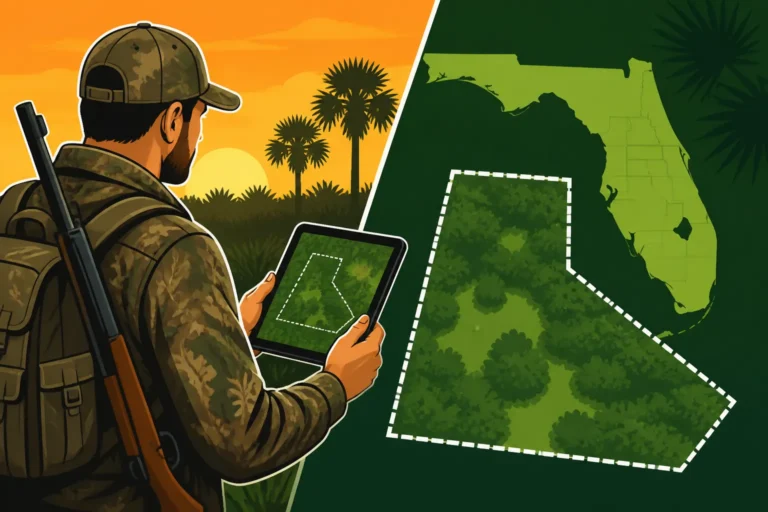
Modern mapping applications have revolutionized how we scout and navigate public lands. Forget fumbling with paper maps in the rain; apps like onX Hunt and GoHunt provide detailed satellite imagery, topographic maps, and crucial property line information right on your phone. This is invaluable when you're trying to discern public from private land, especially in areas with convoluted boundaries.
You can use these apps to mark potential stand locations, identify natural funnels, pinpoint water sources, and even track your movements in real-time, preventing you from getting lost in the dense Walton County woods. The ability to overlay different map layers, such as timber cuts or prescribed burn units, gives you an incredible advantage in understanding how deer and other game might be using the landscape. Before you head out, make sure to download offline maps, as cell service can be spotty in many remote areas. Scouting With the Florida FWC App is another great resource for understanding how to use digital tools specifically tailored to Florida's public lands.
Adhering to Regulations and Promoting Fair Chase
As hunters, we are stewards of the land and its wildlife. This responsibility means not only understanding all the local and state regulations but also upholding the principles of fair chase. In Walton County's public lands, this translates to knowing your specific WMA rules inside and out, including season dates, bag limits, and weapon choices. For instance, the general statewide rule for Minimum Bullet Diameter for Florida Rifles may apply, but a specific WMA might have more stringent rules, like requiring shotguns only.
Beyond the written law, fair chase means giving the animal a reasonable chance. It involves ethical shot placement, diligent tracking, and proper game recovery. Public lands are shared spaces, and respecting other hunters, hikers, and outdoor enthusiasts is part of the deal. Leaving your hunting area cleaner than you found it, avoiding unnecessary disturbance, and maintaining a low profile contribute to a positive public image of hunting and help ensure these opportunities remain for future generations. Hunting Pressure on Florida Public Land often highlights the importance of these considerations.
Preparing for a Safe and Enjoyable Hunt
Hunting in Walton County can be physically demanding, especially if you're venturing deep into the woods. Proper preparation is key to a safe and enjoyable experience. Always let someone know your hunting plans, including your exact location and expected return time. Carry a fully charged phone (with offline maps downloaded!), a first-aid kit, and plenty of water, especially in Florida's often warm weather. Dehydration is a serious risk.
Consider wearing appropriate clothing for the dense brush and potential encounters with venomous snakes. Snake gaiters or boots can offer peace of mind. Familiarize yourself with basic survival skills, like building a fire or signaling for help. Even though Florida is relatively flat, getting disoriented in thick palmetto or cypress swamps is easier than you might think. A good headlamp or flashlight is also critical, as daylight can fade quickly under a dense canopy. Knowing how to Blood Trailing After Dark in Florida can also be crucial for ethical game recovery if you find yourself tracking a deer as evening sets in.
Disclaimer
This article is for general informational purposes only and does not constitute professional advice. Laws, prices and regulations vary by location and change over time. Consult a qualified professional for guidance on your specific situation.