Booking a Guided Florida Alligator Hunt
The idea of taking on a Florida alligator hunt is exhilarating for many, but the reality of navigating the state's unique regulations, understanding alligator behavior, and acquiring the necessary permits can feel utterly overwhelming. From the moment you even consider it, questions pile up: "Where do I even start with permits?" "What gear do I need for such a powerful creature?" "Is it even safe to be out there with them?" This comprehensive guide aims to demystify the process, walking you through everything you need to know about booking a guided alligator hunt in the Sunshine State, so you can focus on the adventure, not the anxiety.
Why Consider a Guided Alligator Hunt in Florida?
Let's be honest, Florida alligators are powerful, ancient predators. Taking one on, especially for the first time, is a serious undertaking that requires specialized knowledge, equipment, and a healthy respect for the animal. While the allure of a completely self-guided adventure is strong for many seasoned hunters, the specific challenges and regulatory landscape of alligator hunting often make a guided trip the most sensible, and often, the most successful option.
Navigating the Permit Lottery and Regulations
One of the biggest hurdles for any aspiring alligator hunter in Florida is securing a permit. The state manages its alligator population through a statewide harvest program that relies heavily on a lottery system for permits. This isn't like picking up an over-the-counter deer tag. You're entering a drawing, hoping your name gets selected for one of the limited permits in specific hunt areas. It can be a nail-biting process, and many hopeful hunters find themselves coming up empty-handed year after year.
Guides, however, often have access to private land permits or hold their own commercial alligator trapping licenses, which means they can offer hunts even if you haven't drawn a state permit. This bypasses the uncertainty and frustration of the lottery system entirely, allowing you to plan your hunt with confidence. They also stay up-to-date on the ever-evolving regulations, harvest report requirements, and specific zone rules, ensuring your hunt is completely legal and above board. Trying to decipher all of that on your own, especially if you're new to the state or alligator hunting in general, can be a full-time job. Understanding the intricacies of Florida's Statewide Alligator Permit Lottery alone is a learning curve.
The Challenges of Self-Guided Alligator Hunting
Imagine heading out into a vast Florida marsh or lake, equipped with a fishing rod, snatch hook, and the ambition to land an alligator. Now, imagine doing that without knowing the prime spots, the best times of day, or the subtle signs of a truly large gator. It's a daunting prospect. Alligators are incredibly powerful and require specialized gear to safely subdue once hooked or harpooned. A typical deer rifle isn't the primary tool here; you're dealing with hand-to-hand combat, often in dark, swampy conditions.
Beyond the physical challenge, there's the knowledge gap. How do you accurately Judging a Legal-Size Florida Alligator from a distance, especially at night? What are the safe methods for securing a thrashing gator next to your boat? Where do you even begin to look for them, let alone set up a successful ambush? These are questions that experienced guides answer with years of on-the-water wisdom, significantly increasing your chances of a safe and successful harvest. They know the territories, the habits of the local gators, and most importantly, how to keep everyone safe when handling these formidable creatures.
Maximizing Your Chances for Success
Let's be honest, hunting is about the experience, but catching an alligator is often the ultimate goal for those booking this kind of adventure. A guided hunt dramatically increases your odds. Guides spend countless hours scouting, monitoring gator activity, and establishing prime hunting locations. They possess the specialized equipment—airboats, harpoons, bang sticks, and the right tackle—that would be cost-prohibitive for a casual hunter to acquire. More than just gear, they have the innate understanding of alligator behavior, knowing when they're active, where they're likely to be, and how to approach them effectively.
Think of it this way: a guide isn't just taking you on a boat ride; they're providing a turnkey operation built on expertise. They know the best times for Hunting Alligators at Night Legally or how to set up for a daytime stalk. They handle the logistical nightmares and the heavy lifting, allowing you to focus on the thrill of the hunt. This means you’re not just going on a hunt; you’re going on an effective hunt, designed for success.
Understanding Florida's Alligator Hunting Seasons and Rules
Florida's alligator hunting program is meticulously structured to ensure both conservation and opportunity. It's not a free-for-all; there are specific windows, methods, and post-harvest requirements that every hunter, guided or not, must adhere to. Understanding these is crucial for a smooth and legal experience.
Statewide Alligator Harvest Program Basics
The statewide alligator harvest program typically runs for a specific period, usually from August 15 through November 1. This season is divided into different harvest periods, and the specific dates you can hunt depend on the permit you obtain and the harvest unit assigned to it. This segmented approach helps distribute hunting pressure and manages the harvest across Florida's vast alligator habitats.
Hunters are usually assigned to a specific harvest unit, which dictates the water bodies or geographic areas where they can legally pursue alligators. These units are designed to ensure a sustainable harvest, preventing localized over-hunting. If you're going with a guide, they will either use a permit you've drawn for a specific unit, or they will provide a permit under their commercial alligator trapping license, which may have its own designated harvest area. This is why when you're looking at guides, you need to understand if you need to bring your own permit, which we'll discuss more later. For more details on the process, check out Applying for a Statewide Alligator Permit.
Legal Methods and Equipment Considerations
Florida law is quite specific about the legal methods and equipment for taking alligators. You can't just show up with any old firearm and expect to be in compliance. The primary legal methods for initially capturing an alligator include:
- Snatch hooks and hand-held harpoons: These are used to secure the alligator, often by snagging it or driving a harpoon point into its hide.
- Line with a baited hook: Often deployed from shore or boat, these lines are used to hook an alligator.
- Bow and crossbow: For those seeking an archery challenge, Bowfishing for Florida Alligators is a popular and legal method.
- Spear guns: Used by divers in certain circumstances, though less common for guided hunts.
Once an alligator is secured, it must be dispatched immediately and humanely. The legal methods for dispatch include a Harvesting an Alligator With a Bang Stick (a powerhead device designed to deliver a forceful impact), or a shotgun or rifle utilizing specific ammunition types. This is where the guide's expertise and specialized equipment truly shine, ensuring a safe and ethical take. They'll have the right tools and the knowledge of how to use them effectively and safely in the often-chaotic moments of securing a gator.
CITES Tags and Post-Harvest Requirements
This is probably one of the most critical aspects and where newcomers can easily make mistakes. Every legally harvested alligator in Florida must be tagged with a CITES (Convention on International Trade in Endangered Species of Wild Fauna and Flora) tag. These tags are absolutely mandatory and must be attached to the alligator immediately after harvest, essentially before it leaves the point of take. This tag is unique to your permit and ensures the legal tracking of the hide and meat.
Your guide will be intimately familiar with the proper placement and attachment of the CITES tag. They'll ensure that the tag is securely fastened according to regulations, preventing any issues down the line. After tagging, you'll also have specific reporting requirements, which usually involve reporting your harvest to the state wildlife agency within a certain timeframe. The guide will typically handle or at least facilitate this reporting process for you, taking another layer of administrative burden off your shoulders. It’s imperative to understand these rules, especially those regarding Tagging an Alligator With a CITES Tag.
What to Look for in a Florida Alligator Outfitter
Choosing the right guide can make or break your alligator hunting experience. It's not just about finding someone with a boat; it's about finding a seasoned professional who prioritizes safety, ethics, and a memorable experience.
Experience and Reputation: The Guide's Track Record
When you're entrusting your safety and your hunting dreams to someone, their experience is paramount. A good alligator guide isn't just a hunter; they're a master of logistics, boat handling, and, most importantly, alligator behavior. Look for guides who have been operating in Florida for many years and have a proven track record of successful hunts. How many seasons have they been guiding? Do they specialize in alligator hunting, or is it just one offering among many?
Reputation often precedes a great guide. Don't be shy about asking for references from past clients. Online reviews and testimonials can also provide valuable insight into their professionalism, communication style, and overall client satisfaction. Websites like BookYourHunt or GoHunt often feature client reviews and detailed profiles of guides, which can be an excellent starting point for your research. A guide who is transparent about their success rates and willing to connect you with previous hunters speaks volumes about their confidence and integrity. Remember, a good guide isn't just about getting a gator; it's about the entire experience, from the moment you meet them to the final goodbyes.
Package Inclusions and Exclusions: Knowing What You Get
Alligator hunt packages can vary widely in what they offer, and it's absolutely critical to understand every detail before booking. There's nothing worse than showing up and discovering hidden costs or unmet expectations. Typically, a guided alligator hunt package might include:
- Guide services: The expertise and time of the professional guide.
- Specialized equipment: Harpoons, bang sticks, lines, and possibly a boat with an airboat or shallow-draft motor.
- Permit (sometimes): Crucially, clarify if the guide is supplying a permit under their commercial license or if you need to draw your own state-issued permit. Booking an Alligator Hunt With Your Own Permit versus Booking an Alligator Hunt on an Outfitter's Permit is a significant difference in cost and availability.
- CITES tag: While often included, confirm this, as it's a mandatory item.
- Field dressing and initial processing: Many guides will help with the immediate care of the alligator after harvest.
- Meals and lodging: Some multi-day packages might include these, especially if you're traveling from afar.
What's often not included might be your personal hunting license, gratuities for the guide, or specialized gear like your own firearm (if you choose to bring one for dispatch). Make sure to clarify all of these points in writing before you commit. It's a significant investment, and you deserve to know exactly what you're paying for. Always ask for a detailed breakdown, which will help you better understand What's Included in an Alligator Hunt Package.
Safety Protocols and Professionalism
Hunting powerful apex predators like alligators carries inherent risks. A professional guide will have rigorous safety protocols in place, from pre-hunt briefings to proper equipment handling and emergency procedures. Ask about their safety record and what measures they take to ensure client safety. Do they provide life vests? Are their boats well-maintained? Are their dispatch methods practiced and safe for everyone on board?
Beyond physical safety, professionalism encompasses clear communication, punctuality, and a respectful demeanor. A guide should be patient, informative, and willing to answer all your questions, regardless of how basic they might seem. You want someone who makes you feel comfortable and confident, not rushed or disregarded. Trust your gut feeling during initial conversations. If something feels off, it probably is. This is an adventure, but it should also be a controlled and well-managed experience.
Different Types of Guided Alligator Hunts
Alligator hunting isn't a one-size-fits-all endeavor. The methods employed can vary significantly depending on the time of day, the specific habitat, and the outfitter's preferred techniques. Understanding these differences can help you choose the experience that best suits your preferences and expectations.
Airboat and Spot-and-Stalk Hunts
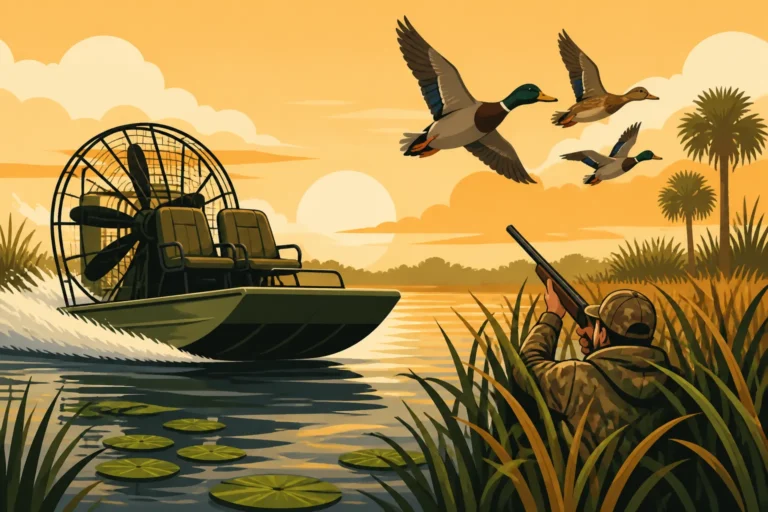
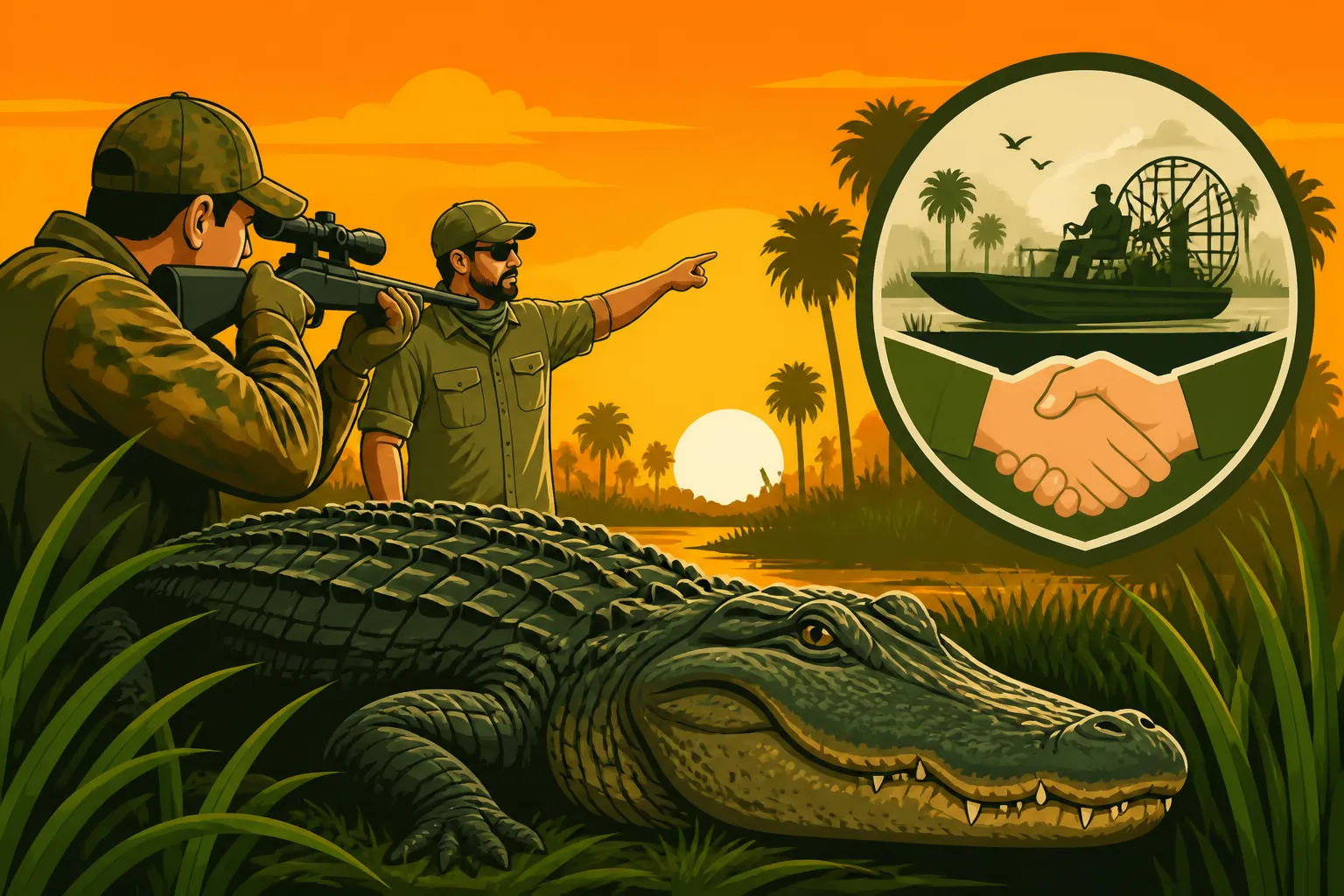
Imagine gliding silently across vast stretches of shallow water, the hum of the airboat the only sound as your guide scans the horizon with a powerful light. This is often how many alligator hunts begin, particularly in expansive marshes or shallow lake systems like those found in the Everglades or around Lake Okeechobee. Airboats allow access to areas that traditional boats simply cannot reach, opening up vast, untouched habitats where big gators thrive.
Once a suitable alligator is spotted, the airboat will often be shut down, and the hunt transitions into a meticulous spot-and-stalk. Your guide will use stealth and skill to approach the gator, often employing specialized snatch hooks or harpoons to secure it. This method requires a steady hand, quick reflexes, and the ability to work in sync with your guide, often in challenging conditions. The thrill of silently closing the distance on a massive alligator, knowing it's right there, just below the surface, is truly something else. Stalking an Alligator on a Freshwater Lake demands a level of focus and patience that can be incredibly rewarding.
Night Hunts with Lights and Baited Lines
A significant portion of Florida alligator hunting happens under the cloak of darkness. Alligators are largely nocturnal, and their eyes glow a distinct red in the beam of a spotlight, making them easier to locate after sunset. Night hunts add an extra layer of intensity and mystery to the experience. Your guide will typically use powerful lights to scan the water's surface, searching for those tell-tale red reflections.
Once spotted, the approach is similar to a daytime stalk, though the darkness heightens the senses. This is also where baited lines come into play, especially on private lands or with guides who have specific permits allowing for passive capture methods. While you won't be actively fighting a gator on a baited line, it's a strategic way to target larger, more elusive individuals who might be less susceptible to direct approach. The guide will set and monitor these lines, and once a gator is hooked, the real work begins—safely securing and dispatching the animal. There’s a distinct art to Hunting Alligators at Night Legally that only experienced hands truly master.
Booking with or Without Your Own Permit
This is a critical distinction that directly impacts how you book your hunt and often, its overall cost.
-
Booking with your own permit: If you're fortunate enough to draw a state-issued alligator harvest permit through the FWC lottery, you'll already have your harvest unit and dates assigned. In this scenario, you're essentially hiring a guide to take you on your hunt, utilizing your permit. The guide provides the expertise, equipment, and access, but the permit itself is yours. This can sometimes be a more cost-effective option, as you're not paying the guide for the additional cost of their commercial tags. However, it hinges entirely on your success in the lottery. For more on this, consider Booking an Alligator Hunt With Your Own Permit.
-
Booking on an outfitter's permit: Many reputable guides hold commercial alligator trapping licenses, which come with their own allocation of CITES tags. This means they can offer hunts to clients even if those clients haven't drawn a state permit. This is often the preferred route for non-residents or those who simply don't want to deal with the uncertainty of the lottery. When you book on an outfitter's permit, the cost of the tag (and often a certain number of harvest opportunities) is rolled into the package price. This offers more flexibility in scheduling and guarantees a permit, but it typically comes at a higher price point. If you want to dive deeper into this option, check out Booking an Alligator Hunt on an Outfitter's Permit. Always confirm which scenario your chosen package falls under before committing.
Preparing for Your Florida Alligator Hunt
An alligator hunt is an adventure, and like any serious outdoor pursuit, proper preparation is key. This isn't just about packing a bag; it's about mentally and physically readying yourself for a unique challenge in a unique environment.
Essential Gear and Clothing
Florida weather can be notoriously unpredictable, swinging from hot and humid to cool and damp, sometimes all in the same day. Layering is your best friend. Even on a hot day, mornings can be chilly, and night hunts can feel surprisingly cool, especially on the water.
- Clothing: Think quick-drying, moisture-wicking fabrics. Long-sleeved shirts and pants will protect you from sun, bugs, and potential scrapes. Darker colors are often preferred for night hunts. Consider a lightweight rain jacket, even if the forecast looks clear.
- Footwear: Waterproof boots are highly recommended. You'll likely be in and out of a boat, and potentially wading in shallow, muddy areas. Comfort is key, but so is protection.
- Headwear: A wide-brimmed hat for sun protection during the day, and possibly a warm beanie for cooler nights.
- Eye Protection: Sunglasses during the day are a must, and clear safety glasses for night hunts can protect against splashes or debris.
- Insect Repellent: This is non-negotiable in Florida, especially around water. Mosquitoes and no-see-ums can be relentless.
- Gloves: Work gloves can protect your hands from rope burn or accidental scrapes when handling equipment.
- Personal items: Hydration is paramount, so bring plenty of water. Snacks, a small first-aid kit, and any personal medications should be in a waterproof bag.
Your guide will provide all the specialized alligator hunting equipment, but these personal items will ensure your comfort and safety throughout the experience.
Physical and Mental Preparation
An alligator hunt can be physically demanding. Depending on the method, you might be standing for long periods, helping to pull in lines, or assisting with the heavy lifting of a harvested gator. While you don't need to be an Olympic athlete, a reasonable level of physical fitness will make the experience much more enjoyable and safer.
Mentally, prepare for intensity. The moments leading up to and during the capture and dispatch of an alligator are often fast-paced and adrenaline-fueled. You need to be able to listen to your guide's instructions, remain calm under pressure, and be ready to act quickly. This isn't a passive activity. Talk to your guide beforehand about the expected physicality of the hunt and what specific tasks you might be asked to help with. Understanding the process will help you mentally prepare for the action.
Understanding the Alligator's Behavior
Having a basic understanding of alligator behavior will not only deepen your appreciation for the animal but also help you understand why your guide does what they do. Alligators are ambush predators, incredibly patient, and surprisingly fast over short distances. They are most active in warmer temperatures, which is why the summer and early fall seasons are prime.
They use their powerful tails for propulsion in water and as a defensive weapon. Their jaws are designed for crushing, and their bite force is legendary. Respecting these animals means understanding their capabilities. Your guide will be the expert in reading their subtle cues and predicting their movements. Pay attention to their insights; they are invaluable. This knowledge will enhance your experience and help ensure everyone's safety.
The Booking Process and What to Expect
Booking a guided alligator hunt is a journey in itself, involving research, communication, and clear agreements. Taking the right steps ensures you end up with a reputable outfitter and a fantastic experience.
Researching and Contacting Outfitters
The first step is thorough research. Start by searching for "Florida alligator hunting guides" or "Florida alligator outfitters." You'll find a variety of options, from individual guides operating small businesses to larger hunting lodges. This is where resources like BookYourHunt and GoHunt really shine. They often compile lists of vetted outfitters, complete with reviews, package details, and contact information, streamlining your search process significantly.
Once you have a shortlist, reach out to several guides. Don't just send a generic email; introduce yourself and clearly state what you're looking for. Ask specific questions about:
- Availability: Do they have openings during your desired timeframe?
- Permit situation: Will you need your own permit, or will they provide one?
- Package details: Get a clear understanding of what's included and what's not.
- Pricing: Ask for a detailed quote. While I can't give specific figures, expect a guided hunt to be a significant investment, ranging from hundreds to thousands of dollars depending on duration, inclusions, and whether you're using your permit or theirs. To get a better idea, you could look at what is discussed in What a Guided Alligator Hunt Costs.
- Safety protocols: Reiterate your interest in their safety measures.
- References: Ask for contact information for past clients.
Pay attention to their responsiveness and clarity. A good guide will communicate openly and make you feel comfortable.
Deposits, Payments, and Cancellation Policies
Once you've chosen an outfitter, you'll typically be required to pay a deposit to secure your booking. This deposit is usually a percentage of the total hunt cost and is non-refundable or subject to specific cancellation terms. It's vital to read and understand the outfitter's deposit, payment schedule, and cancellation policies before you put any money down.
Ask about:
- Payment methods: How do they accept deposits and final payments?
- Payment schedule: When is the final balance due? Is it before the hunt, or on the day of?
- Cancellation policy: What happens if you need to cancel? Are there different policies for client cancellation versus guide cancellation (e.g., due to severe weather)?
- Weather contingencies: Florida weather can be fickle. What's the plan if your hunt day is washed out by a storm? Do they offer rescheduling, a partial refund, or is the deposit forfeited?
Having these details in writing (an email confirmation or a formal contract) is always a good idea. This transparency protects both you and the outfitter and prevents misunderstandings later on.
On the Day of the Hunt: What to Anticipate
The day of your alligator hunt will likely start early, often before dawn, or late in the afternoon for a night hunt. Your guide will confirm the meeting location and time, which could be a boat ramp, a specific dock, or their lodge.
- Pre-hunt briefing: Expect a thorough safety briefing. This will cover everything from boat safety and equipment handling to emergency procedures and specific roles during the hunt. Listen carefully and ask any questions you have.
- Travel to the hunting area: You'll travel by boat (or airboat) to the designated hunting grounds. This can be a scenic journey through Florida's unique waterways.
- The hunt itself: This is the exciting part! You'll be actively searching for alligators, with your guide spotting, navigating, and directing the action. Be prepared for periods of quiet observation interspersed with bursts of intense activity.
- The harvest: If successful, your guide will lead the process of securing and dispatching the alligator. This is where their expertise is critical for a humane and safe take. You'll likely be asked to assist with certain tasks under their direct supervision.
- Post-harvest: The guide will help with tagging the alligator with the CITES tag, field dressing, and loading it for transport.
- Departure: After the hunt, you'll return to the meeting point. This is often where final payments are settled, and tips for excellent service are offered.
The entire experience is designed to be immersive and educational. Don't hesitate to ask your guide questions throughout the day; they are a wealth of knowledge about Florida wildlife and ecosystems.
After the Harvest: Processing and Trophies
Harvesting an alligator is just the beginning of the journey. What happens next with the meat and hide is an important consideration, especially in Florida's warm climate. Your guide will be instrumental in the initial steps, but you'll need to know your options for the long term.
Field Dressing and Meat Care in Warm Climates
Immediately after dispatch, the alligator needs to be field dressed to begin the cooling process and prepare the meat for consumption. Your guide will handle this, which typically involves bleeding the animal and removing some of the internal organs. Given Florida's heat, rapid cooling is crucial to preserve the quality of the meat.
Alligator meat is a delicacy, often described as a cross between chicken and fish. It's low in fat and versatile. After field dressing, the guide will transport the alligator to a facility, or recommend one, for further processing. This typically involves skinning the gator, separating the meat (often from the tail, jaw, and tenderloins), and packaging it for freezing. You'll need to decide how much meat you want to keep and whether you want to take the hide for tanning. The guide can help facilitate these arrangements with local processors, which is an invaluable service.
Taxidermy and Hide Tanning Options
For many hunters, the alligator's hide is a prized trophy. You have a few options for preserving it:
- Hide Tanning: The most common option is to have the hide tanned, producing a beautiful, durable leather that can be used for various products like belts, boots, or bags. Your guide can recommend reputable tanneries in Florida that specialize in alligator hides.
- Taxidermy: If you want a full-mount or a head mount, taxidermy is the way to go. This is a highly skilled craft, and again, your guide will likely have connections with local taxidermists who are experts in preserving alligators. Taxidermy is generally a more involved and expensive process than just tanning the hide.
Decide before your hunt what your intentions are for the hide, as this will inform the initial processing steps. Discuss these options and associated costs with your guide, as they can provide realistic expectations and facilitate the logistics. Shipping large hides or mounts, especially out of state, will also be a consideration.
The Culinary Delights of Florida Alligator
If you haven't tried alligator meat before, you're in for a treat! It's a surprisingly lean, mild-flavored white meat that takes well to a variety of cooking methods. The tail meat is often the most prized, known for its tender texture, but meat from the jaws and legs is also excellent.
Common preparations include:
- Fried Alligator: Often cut into nuggets, battered, and deep-fried, served with a dipping sauce. This is a classic Florida preparation.
- Grilled Alligator: Marinated and grilled, it offers a firmer texture and smoky flavor.
- Alligator Chili or Gumbo: The meat can be slow-cooked in stews and gumbos, absorbing flavors beautifully.
- Stir-fries and Tacos: Its mild flavor makes it adaptable to Asian-inspired dishes or Mexican fare.
Don't be afraid to experiment with your new bounty! Your guide might even have some favorite recipes or recommendations. Bringing home fresh alligator meat is a unique part of the hunting experience and a delicious way to remember your adventure.
Common Questions and Misconceptions
Despite the popularity of alligator hunting, many people still have questions or hold onto common misconceptions about the practice. Addressing these can provide a clearer picture of what a guided hunt truly entails.
Ethical Considerations and Conservation
One common question revolves around the ethics and conservation of alligator hunting. It's important to understand that Florida's alligator population is robust and strictly managed. Far from being an endangered species, American alligators have made a remarkable comeback thanks to strong conservation efforts, and are now considered a conservation success story. The regulated harvest program is a vital tool in maintaining healthy population levels and minimizing human-alligator conflicts.
Hunting permits are carefully allocated, and success rates are monitored to ensure the population remains stable or even grows. The entire system is built on scientific data and conservation principles. Reputable guides operate under strict ethical guidelines, ensuring a humane and respectful harvest. They are often strong advocates for conservation themselves, understanding that sustainable hunting relies on a healthy ecosystem. This is a far cry from indiscriminate killing; it's a carefully managed program that contributes to the health of Florida's diverse wildlife.
Success Rates and Realistic Expectations
While a guided hunt significantly increases your chances, it's crucial to approach any hunting trip with realistic expectations. Hunting, by its very nature, is never a guaranteed success. Alligators are wild animals, and their behavior can be unpredictable. Weather, gator activity, and even just sheer luck can play a role.
Many guides will boast high success rates, and for good reason—they know their stuff. However, always clarify what "success" means to them. Does it mean seeing a gator, or actually harvesting one? A good guide will manage your expectations, explaining that while they will do everything in their power, a wild animal is still a wild animal. Be prepared for the possibility that you might not harvest an alligator, and focus on enjoying the entire experience, the thrill of the chase, and the incredible Florida wilderness. An honest outfitter will always tell you what they consider a reasonable success rate, especially when you are looking into What Success Rates Actually Mean for Alligators.
Non-Hunting Companions and Group Hunts
Often, hunters want to share the experience with family or friends who may not be participating in the actual harvest. Many outfitters are happy to accommodate non-hunting companions, though there might be an additional fee for their presence on the boat. It's essential to discuss this with your guide upfront. They need to know the total number of people on board for safety reasons and space considerations.
For group hunts, where multiple hunters want to share the experience and potentially harvest multiple alligators, outfitters can often arrange larger boats or multiple guides. This is a fantastic way to create shared memories. Just ensure that each hunter in the group who intends to harvest an alligator has either their own permit or is covered by the outfitter's commercial tags, according to the agreement. Clear communication with the outfitter about group size and everyone's roles (hunter vs. observer) is key to a smooth and enjoyable trip for all involved.
| Feature | Self-Guided Alligator Hunt | Guided Alligator Hunt |
|---|---|---|
| Permit Acquisition | Must draw state lottery permit; highly competitive. | Guide can provide commercial permit, or you use your own. |
| Equipment | Must own or rent specialized gear (harpoons, bang stick, boat, lights, etc.). | Guide supplies all specialized equipment. |
| Knowledge/Expertise | Requires extensive research, scouting, and understanding of alligator behavior and regulations. | Guide provides years of experience, local knowledge, and safety protocols. |
| Safety | Higher personal risk due to lack of experience/specialized support. | Enhanced safety due to guide's expertise and proper equipment. |
| Success Rate | Lower, especially for beginners, due to learning curve and limited resources. | Significantly higher, leveraging guide's scouting and knowledge. |
| Logistics | Manage all aspects: boat launch, navigation, field dressing, CITES tagging, processing. | Guide handles most logistics, allowing hunter to focus on the hunt. |
| Cost | Initial outlay for gear can be high; permit cost may be lower if drawn. | Higher upfront cost for guide's services, but includes gear, expertise, and often permit. |
| Time Investment | Substantial time required for planning, scouting, and execution. | Focuses on the hunt itself; guide handles pre-hunt prep. |
Disclaimer
This article is for general informational purposes only and does not constitute professional advice. Laws, prices and regulations vary by location and change over time. Consult a qualified professional for guidance on your specific situation.