Booking a Deer Hunt Across Multiple Zones
Oh, the allure of extending the deer season, isn't it? Many of us dream of chasing whitetails across Florida, perhaps catching the early archery in one region, then heading south to experience a later rut. It sounds like a fantastic adventure, but the reality is, planning a deer hunt across multiple zones in Florida can feel like trying to solve a really complicated jigsaw puzzle. The regulations, the travel, the scouting – it can be a real headache. This guide is here to untangle that complexity for you, walking you through everything you need to know about successfully planning and executing a multi-zone deer hunt in the Sunshine State.
Understanding Florida's Deer Management Zones
Florida's deer hunting landscape isn't a "one size fits all" situation, and that's precisely why the idea of hunting multiple zones is so appealing. But to make sense of the multi-zone dream, you first need a solid grasp of why these zones exist and what makes each one tick.
Why Florida Has Different Zones
Unlike many states where deer seasons might be largely uniform statewide, Florida is a different beast entirely. Our peninsula stretches across a significant latitudinal range, from the cool temperate climes of the Panhandle to the subtropical swamps of the Everglades. This vast geography means huge variations in habitat, climate, and critically, deer biology. The FWC (Florida Fish and Wildlife Conservation Commission) has divided the state into four distinct Deer Management Zones—A, B, C, and D—to account for these natural differences. This zoning allows them to set season dates, bag limits, and specific regulations that best fit the local deer populations, their breeding cycles (the rut), and the available food sources. For instance, the rut in the Panhandle (Zone D) can be vastly different from the rut in South Florida (Zone A), sometimes by several months! It’s all about tailoring the management to the specific needs of the deer herd in that particular area.
Key Characteristics of Each Zone
Each of Florida's deer zones truly has its own personality, influencing everything from deer size to habitat types and, most importantly for us hunters, when the seasons open and close. Zone A, encompassing much of Southwest Florida and stretching down into the Everglades, often has the earliest seasons and a somewhat unique rut that can be less defined or happen earlier than other zones. Think dense palmetto, cypress swamps, and vast cattle ranches. Zone B covers much of Central Florida, characterized by sandhills, oak hammocks, and agricultural lands, typically with a later season and rut that can stretch into winter. Zone C is a blend, mostly covering North Central Florida, offering a more traditional fall rut and season structure. Lastly, Zone D, the Panhandle, tends to have the latest rut of all, often peaking in January or February, providing some fantastic late-season opportunities amidst vast pine forests and hardwood bottoms. Understanding these inherent differences is the first step in planning a successful multi-zone strategy, as they directly dictate when and where you'll find the best hunting. You can dive deeper into these distinctions by reading Florida's Four Deer Management Zones Explained.
The Appeal and Challenges of Multi-Zone Hunting
The idea of hitting different zones is undeniably attractive to any dedicated deer hunter in Florida. It promises more time in the woods, chasing different phases of the rut, and experiencing the incredible diversity of our state's landscapes. But like any grand hunting scheme, it comes with its own set of hurdles.
Advantages of Hunting Across Zones
The biggest draw of hunting across multiple zones is the sheer ability to extend your season. Imagine this: you start your archery season in Zone C in late September, enjoying the early cooler weather and the thrill of the opener. As that season winds down, you could pack up and head down to Zone B or even Zone A, where the rut might be just heating up in November or December. This allows you to potentially experience peak rut activity not once, but twice, or even three times, spread across different parts of the state. You're essentially "chasing the rut" as it progresses geographically. Furthermore, it exposes you to incredibly diverse hunting experiences – from still-hunting the palmetto flatwoods of South Florida to rattling in a buck in a Panhandle pine plantation. Each zone presents its own unique habitat and challenges, making you a more versatile and experienced hunter. Whether you're looking to hit Hunting Florida's Zone A Split Gun Season, Hunting Florida's Zone B Late Rut, Hunting Florida's Zone C Early Archery, or Hunting Florida's Zone D Fall Opener, moving between them offers unparalleled opportunities.
Logistical Hurdles and Considerations
While the thought of an extended season is exciting, the reality of planning a multi-zone hunt can quickly become daunting. The first major hurdle is understanding the specific regulations for each zone. While your base hunting license is statewide, the dates for archery, muzzleloader, and general gun seasons, as well as antlerless days, vary significantly by zone. You'll need to meticulously track these dates and ensure you are legal in the zone you are hunting at any given time.
Beyond regulations, there's the practical matter of logistics. Moving between zones often means significant travel time, especially if you're going from the Panhandle to South Florida. This involves fuel costs, potential overnight stays, and the effort of breaking down and setting up camp or gear in new locations. If you're hunting public land, scouting becomes even more critical for each new area. You can't just expect the deer behavior or habitat in one zone to mirror another. Knowing Why Florida's Deer Seasons Vary So Much by Zone will help you appreciate the depth of these planning efforts. It's a commitment of both time and resources, demanding careful planning to avoid frustration and ensure a safe, legal, and enjoyable hunt.
Planning Your Multi-Zone Florida Deer Hunt
Successfully embarking on a multi-zone deer hunt in Florida requires meticulous planning, from understanding licensing nuances to strategically timing your movements to align with deer activity across the state.
Navigating Licensing and Permits for Multiple Zones
One of the most common misconceptions is that you need a separate license for each Florida deer zone. Thankfully, that's not the case! Your standard Florida hunting license, whether it's an annual resident license or a non-resident option, covers you statewide for deer. What does change from zone to zone are the season dates and specific regulations, such as antlerless days or allowable weapons. For example, if you have your valid Florida hunting license and a deer permit, you are generally good to go. However, you must strictly adhere to the open season dates and regulations of the specific zone you are physically hunting in on any given day. This means if you start hunting archery in Zone C, then travel to Zone A, you must verify that archery season is also open in Zone A on your chosen dates.
It's absolutely critical to consult the current Florida hunting regulations handbook or the FWC website for the precise dates for each zone before you finalize your travel plans. Don't rely on memory or assumptions! Always double-check. For more information on what licenses you'll need, check out Florida Resident License Options or Florida Nonresident License Options. Here's a simplified look at how season types typically vary by zone (remember, exact dates change annually, so always confirm):
| Season Type | Zone A (SW Florida) | Zone B (Central Florida) | Zone C (North Central) | Zone D (Panhandle) |
|---|---|---|---|---|
| Archery | Often earliest | Mid-range opening | Standard fall opening | Later fall opening |
| Muzzleloader | Follows archery | Mid-range | Standard fall | Later fall |
| General Gun | Late November/Dec | Mid-December | Late October | Late November |
Strategic Timing: Chasing the Rut Across Florida
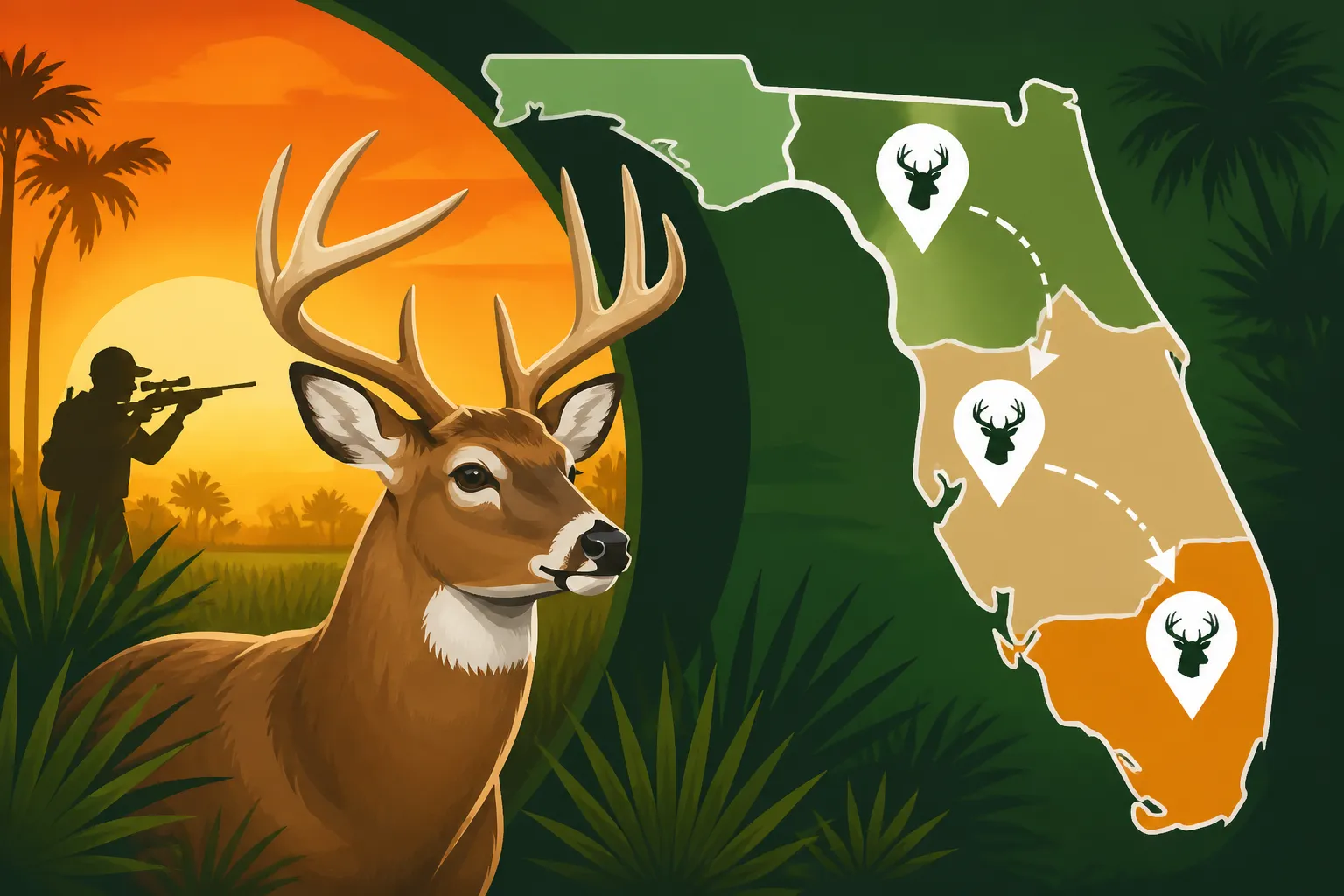
This is where the multi-zone strategy truly shines, offering the opportunity to hunt the "peak" of the rut multiple times within a single hunting season. The deer rut in Florida is notorious for being spread out and highly variable, not just by zone but sometimes even within counties. Generally, the rut starts earliest in South Florida (Zone A) and progresses northward, often peaking significantly later in the Panhandle (Zone D).
A popular strategy for ambitious hunters is to begin their season in a zone known for an early rut, like certain parts of Zone A. Once that activity starts to wane, they can shift their focus and travel to a more northern zone, perhaps Zone B or C, to catch their peak breeding activity weeks or even months later. And for the truly dedicated, finishing the season in the Panhandle's Zone D can mean chasing bucks in full rut through January and February. This requires a deep understanding of local rut timing, which you can explore further in When the Florida Rut Peaks by Zone, and a willingness to adapt your tactics to the specific behaviors of deer in each area. It's not just about being in a new zone; it's about being in the right place at the right time within that zone to capitalize on breeding activity.
Researching Public vs. Private Land Opportunities
When planning a multi-zone hunt, you'll inevitably face the question of where to hunt: public land or private land. Both offer distinct advantages and disadvantages, especially when you're covering a lot of ground.
Public lands, such as Florida Wildlife Management Areas (WMAs), National Forests like Ocala or Apalachicola, and State Forests, offer incredible opportunities for the adventurous self-guided hunter. They are often vast, providing diverse habitats and a chance to truly immerse yourself in the wilderness. The challenge with public land, especially across multiple zones, is the sheer amount of scouting required. Each WMA or National Forest has its own specific rules, quota hunt requirements, and hunting pressure dynamics. You can’t just show up and expect success without significant boots-on-the-ground or e-scouting using tools like the FWC app or mapping software. Finding consistent success might mean focusing on areas that see less pressure, which usually means more walking and deeper penetration into the woods. If you're considering this route, Public Hunting Land in Florida is a must-read.
Private land, on the other hand, often provides more consistent quality and less pressure, but access is the key. This could mean obtaining permission from a landowner, joining a hunting lease, or booking with an outfitter. While the cost is higher, the advantage for a multi-zone hunt is that private land access can simplify logistics considerably. An outfitter, for instance, might have access to prime tracts in different zones, making your multi-leg journey much smoother. For guidance on securing private access, check out Getting Private Land Permission in Florida. Whichever route you choose, thorough research into specific locations within your target zones is paramount.
Engaging Outfitters for a Multi-Zone Experience
For many hunters, the idea of a multi-zone Florida deer hunt is thrilling but logistically overwhelming. This is where a good outfitter can truly shine, transforming a complex endeavor into a memorable and manageable experience.
Why an Outfitter Can Simplify Multi-Zone Hunts
Let's be real: coordinating travel, scouting new areas, understanding varied regulations, and securing multiple hunting spots across different parts of Florida can eat up an enormous amount of your time and energy. This is precisely why engaging an outfitter, especially one with a strong presence across Florida, can be a game-changer for a multi-zone deer hunt. An outfitter often has established leases or permissions on prime private lands in various zones. They know the local deer patterns, the rut timing for that specific area, and can provide guidance on everything from optimal stand placement to local regulations.
Instead of you spending countless hours on maps and driving hundreds of miles for scouting, they've already done the groundwork. They can often arrange lodging, provide meals, and even handle initial processing of your game. For hunters coming from out of state, or those with limited time, this convenience is invaluable. You're not just buying a hunt; you're buying expertise and logistical support, allowing you to focus on the hunt itself. Websites like BookYourHunt and GoHunt are excellent resources for finding reputable outfitters who might offer multi-zone or specialized deer hunting packages across Florida. They list various guides and their offerings, which can give you a starting point for comparing options and seeing who can meet your specific multi-zone aspirations. Thinking of going this route? Make sure to check out Booking a Guided Florida Deer Hunt.
Questions to Ask When Booking a Multi-Zone Package
Once you've decided an outfitter is the way to go for your multi-zone adventure, don't just book the first one you find. Treat this like an interview. You need to be sure they understand your specific goals and can deliver on the unique demands of a multi-zone hunt. Here are some key questions to ask:
- "Which specific zones do you operate in, and what are the available dates for each zone?" This is crucial to ensure their operations align with your multi-zone rut-chasing strategy.
- "How do you handle the transition between zones? Are accommodations and travel between locations included or arranged?" You want a smooth logistical flow, not a scramble.
- "What is your success rate for deer in each zone, and what kind of deer can I expect to harvest?" Be realistic; Florida deer aren't always giants, but consistency is a good indicator.
- "What is the typical hunter-to-guide ratio for these hunts?" More personalized attention can be a huge benefit.
- "What licenses and permits will I need, and are they included in the package, or do I need to purchase them separately?" Clarify all costs up front.
- "Can you provide references from hunters who have done multi-zone hunts with you before?" Hearing from others who've walked in your shoes is invaluable.
- "What happens if I harvest my deer early in one zone? Are there options for other game, or can I participate in other ways in the subsequent zone?" Maximize your experience.
A good outfitter will be transparent and happy to answer all your questions, providing confidence for your booking.
Cost Implications and Value
Let's address the elephant in the room: booking a guided multi-zone hunt is an investment. It will generally be more expensive than a single-location, self-guided hunt. You're paying for expertise, access to prime land, scouting, equipment, lodging, and sometimes even meals. When you factor in the additional travel and logistical complexities of multiple zones, the cost naturally increases. However, it's important to view this as a value proposition.
Consider the money you save on fuel, the countless hours of personal scouting you bypass, and the peace of mind knowing you're hunting legally and ethically in each zone. For many hunters, especially those with limited vacation time or who are traveling a great distance, the cost is justified by the significantly higher chance of success and the reduction in stress. You're essentially buying a streamlined, highly efficient hunting experience. While specific prices vary wildly depending on the outfitter, the zones, and the duration, be prepared for a substantial commitment. Think of it as investing in an unforgettable adventure rather than just a weekend trip. You can get a general idea of costs by looking into Average Cost of a Guided Florida Deer Hunt, but remember that a multi-zone package will likely carry a premium. Always get a detailed breakdown of what's included in your specific package so there are no surprises down the road.
Planning a multi-zone deer hunt in Florida is undeniably a grand ambition, offering the chance to extend your season and experience the diverse hunting opportunities our state provides. It's a complex undertaking that demands thorough research, diligent planning, and often, the strategic support of an experienced outfitter. With the right approach, you can transform what seems like a logistical nightmare into an incredibly rewarding and memorable Florida hunting adventure.
Disclaimer
This article is for general informational purposes only and does not constitute professional advice. Laws, prices and regulations vary by location and change over time. Consult a qualified professional for guidance on your specific situation.