Processing Meat Near a Florida Hunting Camp
You’ve just put in the work, made the shot, and now a magnificent Florida whitetail, a hefty wild hog, or even a formidable alligator lies before you. The adrenaline is pumping, but a crucial clock has started ticking: the one counting down until that prized meat begins to spoil, especially in our warm, humid climate. The biggest frustration for many hunters in Florida isn't just finding the game, it's figuring out how to get that meat properly processed, particularly when your hunting camp might be miles from the nearest town. This guide is dedicated to helping you navigate the sometimes challenging, often sweaty, but always essential task of processing your game meat efficiently and safely when you're hunting in Florida.
The Urgent Reality of Florida Meat Processing
Florida hunting offers incredible opportunities, but it also comes with a unique set of challenges that directly impact meat processing. Unlike colder climates where a deer can hang for a few hours or even overnight without immediate concern, our subtropical environment demands swift action. This isn't just about preserving quality; it's about preventing outright spoilage.
The Relentless Florida Heat and Humidity
Let's be real, Florida is hot. Even in the heart of our "winter" hunting seasons, daytime temperatures can easily climb into the 70s or 80s, and the humidity hangs thick in the air. This combination is a nightmare for fresh game meat. Bacteria multiply at an alarming rate in warm conditions, and without rapid cooling, the meat can quickly go bad. You might have seen it happen, or even experienced it yourself – that slightly off smell, the greenish tinge, or the slimy texture that indicates spoilage has begun. It's heartbreaking to lose a hard-earned animal to preventable issues.
This isn't just a comfort issue; it's a critical food safety concern. As soon as an animal is down, its internal temperature is still high, often around 100 degrees Fahrenheit or more. The goal is to get that internal temperature below 40 degrees as quickly as possible. Every minute counts. What might be acceptable for a field dress and short drag in cooler northern states simply won't cut it here. You need to have a plan in place before you ever pull the trigger. Consider how important a good Field Dressing a Deer in Hot Weather strategy is for all species, not just deer.
Remoteness and Logistical Challenges Near Camp
Many of Florida's best hunting grounds, particularly if you're venturing into public lands like our Wildlife Management Areas (WMAs) or even some larger private leases, are remote. You might be deep in the Ocala National Forest or tucked away in a corner of the Green Swamp. This means immediate access to amenities like commercial walk-in coolers, large quantities of ice, or even reliable electricity and running water for a DIY setup might be limited.
Transporting a whole animal, especially a large deer or a hefty wild hog, back to camp or to a distant processor can also be a significant undertaking. The longer the distance and the warmer the ambient temperature, the greater the risk. Picture trying to haul a 200-pound hog through palmetto thickets and then driving it for an hour in 85-degree weather without proper cooling. It's a recipe for disaster. This logistical puzzle is why planning for processing, whether it's at camp or with a nearby service, is just as vital as your hunting strategy. This becomes even more important when considering a Hot-Weather Sitting Strategy in Florida, as your efforts to stay cool should extend to your harvest as well.
Your Options for Game Meat Processing
When you're faced with a fresh kill near your Florida hunting camp, you generally have a few avenues for getting that animal processed into edible portions. Each option has its own set of pros and cons, and the best choice for you will often depend on your resources, skill level, and the specifics of your hunt.
Do-It-Yourself (DIY) at Camp
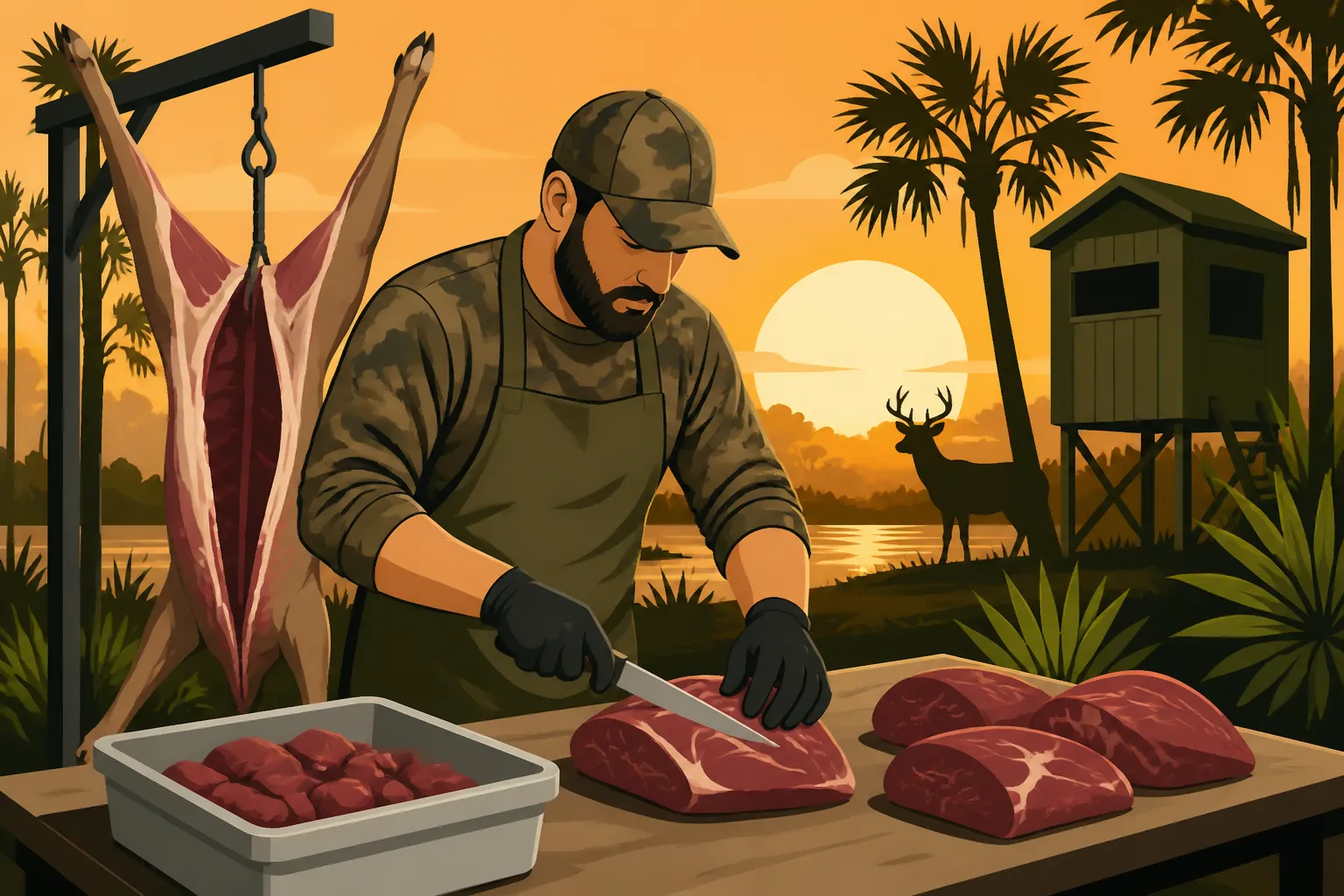
For many seasoned hunters, the idea of processing their own game is a point of pride, a cost-saving measure, and a way to ensure they get exactly the cuts they want. At a hunting camp, a DIY approach can be incredibly rewarding, but it demands preparation.
Pros of DIY: You maintain complete control over the entire process, from skinning to butchering. This means you dictate the cleanliness standards, choose your cuts, and know exactly what's going into your freezer. It’s also significantly more economical than paying a commercial processor, and there's a deep satisfaction in transforming a wild animal into table-ready meals with your own hands. Plus, it’s a fantastic skill to learn and pass down, part of the rich tapestry of Florida Deer Camp Traditions. If you're tackling something like a wild hog, where there's Hunting Hogs Without a Bag Limit, processing them yourself can save a fortune over multiple animals.
Cons of DIY: The biggest hurdle in Florida is the heat. You must have a clean, cool, and well-organized workspace. This means access to large coolers, a constant supply of ice, and ideally, a shaded area with good air circulation, or even a refrigerated trailer if your camp has one. You’ll need a dedicated set of sharp knives, a sturdy cutting board, boning bags or butcher paper, and a way to package the meat properly for freezing. Lack of experience can lead to wasted meat or uneven cuts, and it's physically demanding work, especially after a long hunt. For a thorough guide on breaking down an animal, refer to Butchering a Deer at Camp. Remember, the clock is always ticking for Aging Venison in Hot Weather – you'll need rapid chilling regardless of whether you age the meat later.
Local Commercial Processors and Butchers
For those who prefer to leave the heavy lifting to the professionals, or who simply don't have the facilities or time at camp, local commercial processors and butchers are a lifesaver. These are businesses specifically equipped to handle wild game.
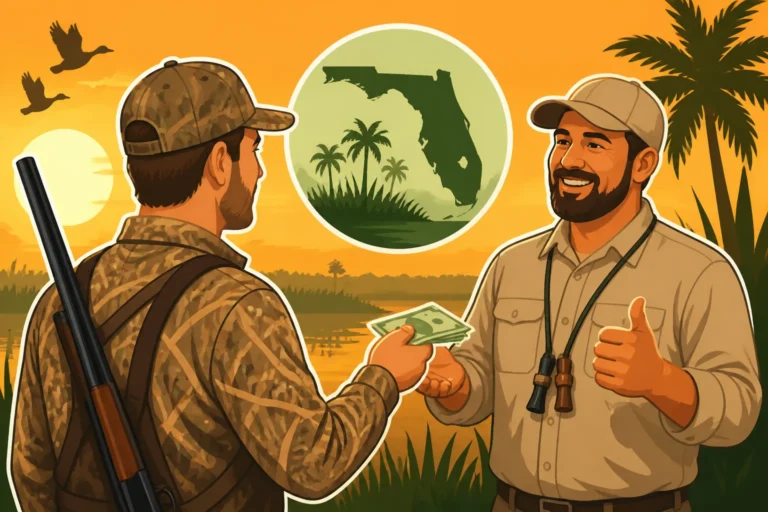
Pros of Commercial Processing: Professional quality is usually the hallmark here. These establishments have walk-in coolers to rapidly chill carcasses, specialized cutting equipment, and experienced staff who can make quick work of a large animal. They can provide a wide range of custom cuts, sausage, jerky, and sometimes even vacuum-sealing services. This option saves you immense time and effort, allowing you to focus on the hunt itself or relax at camp. Often, outfitters or guides you might find through platforms like BookYourHunt will have established relationships with local processors, which can streamline the process for you.
Cons of Commercial Processing: The primary drawback is cost. Processing fees can add up, especially for larger animals or specialty products. You also relinquish some control over the process, trusting the processor to handle your meat with care and hygiene. Availability can be an issue, especially during peak hunting seasons when processors might have long waiting lists. It’s crucial to call ahead and confirm their capacity and turnaround times. You’ll need to research and find reputable processors in the area nearest your hunting camp, and a quick search through hunting resources and communities, perhaps even those tied to larger platforms like GoHunt, can point you in the right direction.
Mobile Game Processors and Smaller Operations
In some more rural or active hunting areas, you might encounter mobile game processors or smaller, sometimes home-based, operations. These can be a convenient middle ground, but they vary widely in service and quality.
Pros of Mobile/Smaller Operations: The biggest advantage here is often convenience. A mobile processor might be able to meet you closer to your hunting camp, reducing transport time and stress on the meat. Smaller operations might offer more personalized service or specialize in certain types of game or cuts. They can be more flexible with scheduling than larger commercial plants.
Cons of Mobile/Smaller Operations: The key word here is "variable." The quality, hygiene standards, and capabilities of smaller or mobile processors can differ significantly. They might have limited capacity, specialized equipment, or not offer the full range of cuts a larger commercial facility would. It's absolutely critical to vet these operations thoroughly before entrusting your meat to them. Always ask for references and check their setup. Their availability can be even more limited than commercial shops, and they might only operate during specific times of the hunting season.
| Feature | DIY at Camp | Commercial Processor | Mobile/Smaller Operation |
|---|---|---|---|
| Cost | Low (equipment initial investment) | Moderate to High (per pound/service fees) | Moderate (can vary widely) |
| Control | Full control over cuts, hygiene, process | Limited control, trust in processor | Variable control, depends on operation |
| Convenience | High (if camp is well-equipped) / Low (if not) | Moderate (requires transport, scheduling) | High (can come to you) / Low (limited availability) |
| Quality | Depends on skill & equipment | Generally high (professional facilities) | Variable (depends on individual operator) |
| Speed/Efficiency | Depends on skill & labor available | Fast (dedicated equipment & staff) | Variable (might be one-person show) |
| Specialty Cuts | Only what you can do yourself | Wide range of options (sausage, jerky, etc.) | Limited to moderate |
| Cooling Capacity | Limited (coolers, ice, generator if available) | Excellent (walk-in coolers) | Variable (might use smaller chillers) |
| Transport Required | Minimal (from kill site to camp) | Significant (from kill site to processor) | Minimal to Moderate (to meeting point or camp) |
Finding and Vetting a Reliable Processor
Whether you choose a commercial shop or a smaller operation, the most important step after deciding not to DIY is finding a processor you can trust. This involves more than just a quick Google search; it means doing your homework to ensure your hard-earned game is handled professionally and hygienically.
Asking the Right Questions
Don't be shy about calling processors and asking specific questions. This isn't just about price; it's about ensuring they meet your needs and standards.
- Experience with Specific Game: Not all processors handle all game. Some specialize in deer, others are fantastic with hogs, and very few are truly set up for alligators. Confirm they have experience with the species you're bringing in. Processing a gator is very different from processing a deer!
- Pricing Structure: Ask for a clear breakdown of costs. Is it per pound of carcass weight? Or per pound of finished product? Are there extra charges for skinning, caping, or specialty cuts like sausage, jerky, or roasts? Make sure there are no hidden fees.
- Storage Capacity and Cooler Space: This is huge in Florida. Do they have adequate cooler space to chill your animal quickly and keep it cold until it's processed? How many animals can they handle at once? What happens if their coolers are full?
- Turnaround Time: How long will it take to get your meat back? During peak season, this could be days or even weeks. Plan accordingly, especially if you're a nonresident or on a tight schedule.
- CWD Regulations and Handling: With the ongoing monitoring for Chronic Wasting Disease (CWD) in certain areas, it's crucial to ask how they handle CWD testing requirements, especially if you're hunting in or near a surveillance zone. You need to know if they facilitate testing and what their protocols are. For more information, read up on Handling Venison From a CWD Surveillance Zone.
- Cleanliness and Hygiene: While you might not be able to tour the facility before dropping off, ask about their cleaning protocols. A reputable processor will be transparent about their hygiene practices.
Local Recommendations and Online Searches
The best way to find a reliable processor is often through word-of-mouth. Talk to other hunters at your camp, consult with local landowners, or ask the outfitter you booked with (if applicable). These personal recommendations carry a lot of weight because they come from people who have directly experienced the service.
Beyond personal connections, you can always consult online forums, local hunting Facebook groups, or even services that connect hunters with resources like BookYourHunt, though they might not list processors directly, their network of guides often has the intel. When researching, remember that resources like GoHunt often have forums or community sections where hunters share their experiences with local services and might have reviews or recommendations. Look for consistency in reviews – multiple positive experiences are a good sign. Don't be afraid to ask for references from the processor themselves if you're still unsure.
What to Look for in a Quality Processor
Once you've narrowed down your options, what are the key indicators of a quality processor?
First and foremost, cleanliness. When you arrive, the drop-off area should be clean and well-maintained. While it's a working facility, it shouldn't be covered in old blood or debris. This attention to detail usually extends to their cutting room.
Secondly, proper cooling facilities. You want to see large, industrial-grade coolers that are clearly capable of handling multiple animals and keeping them well below ambient temperature.
Thirdly, a good reputation. This comes from consistent positive feedback regarding their service, cuts, and reliability. Do they return your meat, or do they batch process and give you generic meat? This is a common concern among hunters, so ask about their tagging and tracking system.
Finally, customer service. Are they friendly, communicative, and willing to answer your questions? A good processor understands that your harvested animal is important to you and will treat it with respect. These are the kinds of relationships that become part of your Florida Deer Camp Traditions.
Prepping Your Harvest for the Processor
The work doesn't start when you drop off your animal; it begins the moment your game hits the ground. How you handle your harvest in the field is paramount to the quality of the meat you'll eventually take home, especially when processing meat near a Florida hunting camp.
Field Dressing and Initial Cooling
This is the most critical first step. As soon as possible after the shot, you need to field dress your animal. This removes the internal organs, which are a major source of heat and bacteria, allowing the carcass to begin cooling from the inside out. For deer and hogs, this means getting the guts out swiftly and cleanly. For alligators, the process is different but equally urgent – getting them on ice is key. Check out our guide on Field Dressing a Deer in Hot Weather for specific techniques that are vital in our climate.
Once field dressed, the next priority is initial cooling. Get air circulating around and through the cavity. If possible, rinse the cavity with clean water (potable water, not ditch water) to remove any debris or blood, then dry it thoroughly. Pack the cavity with ice immediately. Large, block ice lasts longer than cubed ice, but any ice is better than no ice. Get the animal into the shade, off the hot ground, and elevated if possible to maximize airflow. A bed of ice in a truck bed or a large cooler is ideal for transport. Don't just throw a tarp over it and assume it's fine; that traps heat.
Quartering Versus Whole Carcass
Deciding whether to take a whole carcass or quarter your animal before transporting it to the processor is a practical choice that depends on several factors:
- Whole Carcass: If you have a large enough vehicle (a truck with a cap, a utility trailer, or even just a heavy-duty tarp in an open bed) and the processor is close, bringing the animal whole is often simpler. It requires less initial field work. However, keeping a whole carcass cool in Florida heat is a bigger challenge. You'll need a lot of ice and space. Plus, you'll pay a skinning fee at most processors.
- Quartering: For many Florida hunters, especially those bringing deer or hogs out of remote areas, quartering the animal in the field is the most practical solution. After field dressing, you break the animal down into its major muscle groups (front shoulders, hindquarters, backstraps, tenderloins). These can then be packed into large, sturdy coolers filled with ice. This significantly reduces the size and weight for transport, makes cooling much more efficient, and often saves you the skinning fee at the processor. However, it requires more skill and time in the field. If you’re considering this, a good resource to review is Butchering a Deer at Camp to understand the cuts. For animals like alligator, a different method of breaking down is required.
Transporting Your Game
Once your animal is field dressed and ideally pre-cooled (or quartered and iced), the final step before the processor is safe transport.
- Keep it Cool: This cannot be stressed enough. Whether whole or quartered, the meat must stay cold during transport. Use plenty of ice in well-insulated coolers. Drain meltwater periodically and add fresh ice. If you have a long drive, plan for ice stops. Consider bringing along a digital thermometer to check internal meat temperatures.
- Sanitation: Keep the meat clean. Use clean tarps, blankets, or game bags. Avoid letting the meat come into contact with dirt, grime, or anything that could introduce bacteria. Wear gloves if you have them.
- Legal Requirements: Be aware of any specific legal requirements for transporting game in Florida. For deer, you typically need to retain proof of harvest (tag). For alligators, a CITES tag is required. Ensure you're in compliance. For details on specific species, check out resources like Applying for a Statewide Alligator Permit for gator regulations.
By carefully considering and implementing these steps, you can ensure that your hard-earned harvest makes it to the processor in the best possible condition, ready to be transformed into delicious meals for you and your family. And when it comes time to cook it, knowing you've preserved the quality means you'll truly enjoy something like a Cooking a Wild Florida Hog feast.
Disclaimer
This article is for general informational purposes only and does not constitute professional advice. Laws, prices and regulations vary by location and change over time. Consult a qualified professional for guidance on your specific situation.