Pass-Shooting Doves on a September Field
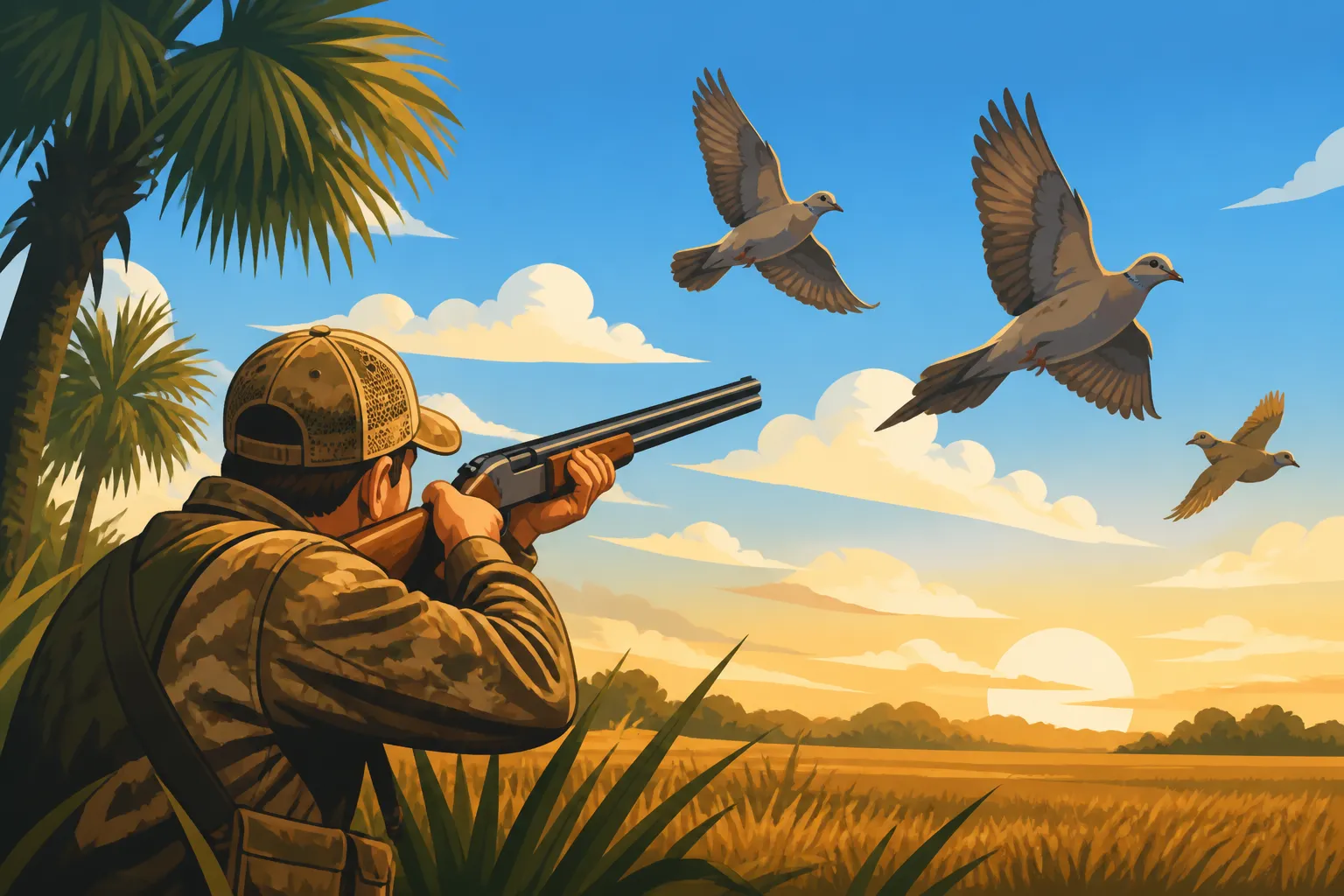
September in Florida means one thing for many wing shooters: the exhilarating, often maddening, dove opener. There's nothing quite like the rush of birds flaring over a cut field, but for every successful shot, there are ten misses and a whole lot of head-scratching. You've spent countless hours practicing your swing, but when the real birds come zooming by at warp speed, it's a whole different ballgame. This guide is all about mastering the art of pass-shooting doves, especially in those early season fields where they seem to appear out of nowhere, giving you the knowledge to connect more consistently.
Understanding Florida Doves and Their Habits
Florida is home to several dove species, but when we talk about September pass-shooting, we're almost always referring to the mourning dove. These swift, agile birds are a challenging target and a cherished game species across the state. Understanding their daily routines and dietary preferences is absolutely critical to putting yourself in the right place at the right time.
Daily Flight Patterns and Feeding Habits
Mourning doves are creatures of habit, and their daily routine is often predictable, especially around their primary food sources. They typically roost in trees or dense cover overnight, often near water. As the sun begins to peek over the horizon, they'll make their first flights out to feeding areas. These early morning flights are often less intense than the late afternoon push, but they can offer some good shooting opportunities if you're set up correctly.
Their main goal after leaving the roost is finding food. Doves are primarily seed-eaters, favoring small grains like millet, sunflowers, wheat, corn, and even wild weed seeds. They'll scratch through dirt and stubble, picking up fallen seeds. After a morning feeding session, usually around mid-morning to early afternoon, they'll often fly to water sources to drink and then to a loafing area. Loafing areas are typically open, sunny spots where they can digest their meal and relax, often on power lines, dead trees, or open ground. As the afternoon wanes, they'll make another strong flight back to feeding areas before heading to roost for the night. This late afternoon flight, from about 4 PM until sunset, is often the most productive for pass-shooting, as birds are moving with purpose between feeding, watering, and roosting spots.
The Impact of Weather and Pressure on Dove Movement
Florida's September weather can be a real wildcard, and it plays a huge role in dove behavior. Hot, humid days, which are common during the early season, often mean doves will need to water more frequently. This can concentrate birds around stock ponds, canals, or other accessible water sources, creating excellent pass-shooting opportunities. A cold front, while rare in early September, can sometimes trigger a noticeable migration or at least push birds to feed more aggressively before the temperature drop. On the flip side, heavy rains can make fields muddy and less appealing for ground feeding, potentially scattering birds or making them harder to pattern.
Hunting pressure is another significant factor. Doves are incredibly smart and learn quickly. A field that was hot on opening day can become a ghost town by day two if it's been heavily hunted. Birds will change their flight paths, fly higher, or simply avoid areas where they've been shot at extensively. This is where Scouting Florida Public Land Before Season becomes paramount. Savvy hunters understand the need to constantly scout and adapt to these changes. If you find a field that's been hammered, it might be time to move on and find less pressured birds, even if it means driving a bit further or finding a new piece of property. Remember, a little legwork before the hunt often pays huge dividends.
Scouting and Field Selection for Pass-Shooting
Picking the right field isn't just about finding doves; it's about finding doves that are moving in a predictable manner where you can intercept them. Pass-shooting is all about intercepting birds flying from one point to another, not necessarily decoying them into a specific spot. This means understanding topography, travel corridors, and what makes a field attractive.
Identifying Productive Dove Fields
The first step to a successful pass-shooting hunt is scouting, and I mean serious scouting. Don't just drive by a field and assume it'll be good. You need to identify fields that offer the food, water, and cover doves need. Look for agriculture fields that have recently been harvested – wheat, corn, millet, or even sunflower fields are prime magnets. The key is exposed seed. Doves don't like to work hard for their food; they prefer to pick it up off the ground. A field that was cut days or even weeks ago might have already been cleaned out by other birds, so fresh disturbance is often a good sign.
Beyond harvested fields, look for patches of wild seeds. Florida has plenty of natural dove food, especially in areas with sandy soils. Identifying these spots can be trickier, but once you find them, they can be phenomenal. Old cattle pastures that haven't been mowed in a while, overgrown corners of fields, or even power line cuts can hold hidden treasures. If you're using a tool like GoHunt, you can often overlay satellite imagery with public land boundaries to identify potential areas and then get boots on the ground to confirm. A good pair of binoculars and a few hours of observation during peak flight times will tell you more than any map ever could.
Setting Up for Optimal Shot Opportunities
Once you've identified a promising field, the next crucial step is choosing your exact setup location. This is where most pass-shooters either succeed or fail. You're not trying to hide from deer, but you do need some concealment. Doves have excellent eyesight, and a lone hunter standing in the middle of a barren field will get flared every single time. Look for natural cover like a fencerow, the edge of a woodlot, a stand of tall weeds, or even a lone oak tree that birds might fly over or around. Remember, the goal is to break up your outline, not necessarily to be invisible.
Pay close attention to how the birds are entering and exiting the field. Are they flying low over a particular dip in the terrain? Are they topping a treeline at a specific point? You want to position yourself along these main flight corridors, ideally where birds are within a comfortable shooting range – generally 20-35 yards. Setting up with the sun at your back is always a smart move, as it makes it harder for doves to see you and easier for you to see them. Don't be afraid to move if your initial spot isn't working. Sometimes just shifting 50 yards down a fencerow can put you right in the flight path you need. Also, consider the wind. Doves will often fly into the wind, giving them more lift and making them slower, but if the wind is at your back, they'll be coming in like rockets. Adjust your lead accordingly. When Using a Ground Blind on Florida Public Land it's important to set it up well in advance and brush it in naturally.
Essential Gear for a Successful Dove Hunt
Preparing for a dove hunt in Florida is about more than just grabbing a shotgun. The right gear can make or break your day, ensuring comfort, safety, and ultimately, success. From what you're shooting to what you're wearing, every detail matters in the September heat.
Shotguns, Chokes, and Ammunition
For pass-shooting doves, a lightweight shotgun that swings easily is a huge advantage. Most hunters opt for a 12-gauge or 20-gauge, with semi-automatics and over/unders being popular choices due to their quick follow-up shots. You'll be shooting a lot, so a gun that manages recoil well can also save you a lot of shoulder pain.
When it comes to chokes, doves are fast, but they're not armored. An Improved Cylinder or Modified choke is usually perfect for pass-shooting in September fields. These chokes provide a good balance of pattern density and spread, giving you a wider margin for error on those fast-moving targets without blowing them to smithereens if they come in close. A Full choke is usually too tight and will result in more misses and overly damaged birds.
Ammunition choice is equally important. Dove loads are generally lighter target loads, typically 7.5 or 8 shot. These smaller pellets offer a dense pattern, which is exactly what you need for small, fast-flying birds. You don't need heavy waterfowl loads. In fact, they'll just beat you up and likely mangle the birds. Consider carrying a couple of boxes, because if the birds are flying, you'll go through them quickly. Federal, Winchester, and Remington all make excellent, affordable dove loads that perform consistently.
Clothing, Hydration, and Comfort in the Florida Heat
September in Florida means one thing: heat and humidity. Dressing appropriately isn't just about comfort; it's about safety. Lightweight, breathable clothing is a must. Think long-sleeved shirts and pants in light, earth-tone colors or camo patterns that blend with the field environment. These will offer protection from the sun, bugs, and any sharp stubble. Don't forget a wide-brimmed hat and good sunglasses to cut down on glare.
Staying hydrated is absolutely non-negotiable. Bring plenty of water, and then bring more. Electrolyte drinks can also be a lifesaver. Keep a cooler in the shade near your hunting spot, stocked with ice and plenty of fluids. Consider a small, insulated hydration pack that you can wear for easy access. Heatstroke is a real risk, so know your limits and take breaks in the shade if you start to feel overheated. A small folding stool or chair can also make a huge difference in comfort, allowing you to rest between flights without lying down in the dirt. And definitely don't forget the insect repellent; mosquitoes and no-see-ums can be brutal in certain Florida fields.
| Choke Size | Effective Range (Yards) | Typical Pellet Spread (Inches at 40 Yards) | Ideal Scenario |
|---|---|---|---|
| Improved Cylinder | 20-30 | 30-35 | Close-range, fast-flushing birds, heavy cover |
| Modified | 25-40 | 25-30 | General all-around dove hunting, pass-shooting |
| Full | 35-50+ | 15-20 | Long-range pass-shooting, extremely high birds (less common for early season Florida) |
Note: These are general guidelines. Individual shotgun and ammunition combinations can affect actual pattern performance.
Mastering the Art of the Pass Shot
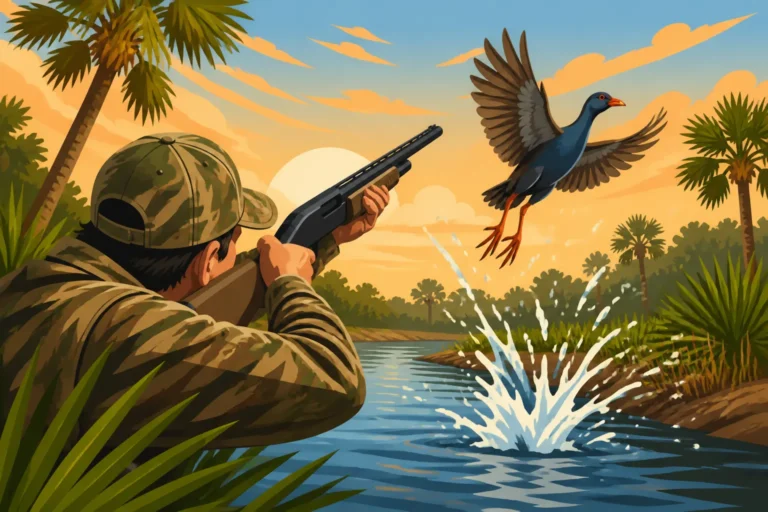
Pass-shooting doves is an acquired skill, a dynamic dance between lead, timing, and instinct. It’s not like shooting ducks over decoys where they often cup their wings and commit. Doves are rarely slowing down for you. You're trying to hit a fast-moving target that could be darting, weaving, or flying straight in. It's exhilarating and frustrating all at once.
Proper Lead and Swing Techniques
The biggest challenge in pass-shooting is consistently hitting those tiny, speeding targets. The secret lies in proper lead and a smooth, continuous swing. Most novice shooters miss behind doves because they stop their swing the moment they pull the trigger. You absolutely cannot do that. You need to "follow through" your swing, just like in golf or baseball.
There are a few techniques for leading:
- Sustained Lead: This is where you establish your lead distance ahead of the bird and maintain that distance as you swing and shoot. It requires a good understanding of the bird's speed and distance.
- Swing-Through: My personal favorite. You start your barrel behind the bird, accelerate through its flight path, and pull the trigger when your barrel passes the bird, continuing your swing. This method builds momentum and helps ensure a fluid motion.
- Ambush: Less common for true pass-shooting but can work if a bird flies directly over a specific point. You estimate the lead, set the gun, and shoot. It's static and generally less effective for consistently hitting birds on the move.
No matter which method you use, remember: eyes on the bird, not the barrel. Let your peripheral vision track the barrel, but keep your focus locked on the dove. This helps your brain calculate the necessary lead subconsciously. Practice, practice, practice. Skeet and trap shooting are fantastic ways to hone these skills outside of hunting season. It’s all about muscle memory.
Reading Dove Flight and Anticipating Shots
A successful pass-shooter isn't just a good shot; they're a good reader of the air. You need to observe the doves, even the ones you're not shooting at. Where are they coming from? What altitude are they flying? Are they consistently dipping over a certain treeline or sailing high over another? These observations help you anticipate your shots and adjust your position if needed.
Pay attention to subtle changes in their flight. A dove flying straight and level is a relatively easier target than one that suddenly jinks or flares. Learn to pick up birds early – the further out you spot them, the more time you have to get ready, shoulder your gun smoothly, and establish your lead. Don't wait until they're right on top of you. By then, it's often too late.
Also, be mindful of your surroundings and other hunters. Safety is always paramount. Make sure you have a clear line of fire and know where your pellets will land. A simple trick is to imagine a box around your shooting zone, and only take shots within that safe zone. The folks from Florida Hunter Education Requirements will tell you that knowing your safe shooting lanes is not just good etiquette, it’s the law.
Post-Hunt Considerations and Regulations
The hunt doesn't end when the sun sets. There are important responsibilities and regulations to adhere to, ensuring ethical hunting practices and compliance with Florida law. From retrieving birds to reporting your harvest, a successful hunt involves more than just pulling the trigger.
Retrieving and Handling Your Harvest
One of the most disheartening things to see in a dove field is unretrieved birds. Doves are small and can be incredibly difficult to find in thick stubble or tall weeds, especially as the light fades. This is where a good retriever dog truly shines. If you don't have a dog, take a mental note of where the bird fell relative to a landmark, like a specific tree or bush, and walk directly to that spot. Don't immediately run after it; mark it first. A blaze orange hat or vest can be very helpful for hunters to locate each other, as well as for dogs or fellow hunters to spot you if you're out in the field.
Once retrieved, properly handling your doves is crucial for good table fare. In Florida's heat, birds can spoil quickly if not cooled down. I usually carry a small cooler with ice in my truck or a game bag that allows for airflow. Some hunters will field dress their birds immediately, removing the entrails and cooling the breast meat quickly. Others simply place them directly on ice. Just be aware of the Florida Migratory Bird Certification rules for transport. You often need to leave a feathered wing attached until you get home if you're crossing certain state lines, but for local transport, the FWC generally requires leaving one fully feathered wing attached to each dove until it reaches your permanent residence or a migratory bird processor.
Understanding Florida's Dove Hunting Regulations
Florida has specific rules for dove hunting that every hunter needs to know. First and foremost, you'll need a valid Florida hunting license and a migratory bird permit, also known as the Florida Waterfowl and Migratory Bird Hunting Privilege. You also need to be HIP (Harvest Information Program) certified. These are usually easy add-ons when you buy your license, but forgetting them can land you in hot water. You can learn more about this by checking out the Florida HIP Certification for Bird Hunters details.
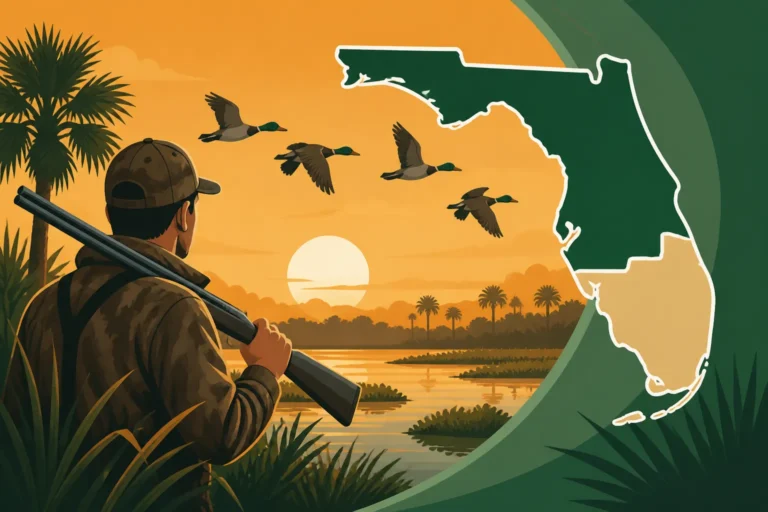
Florida's dove season is typically split into multiple phases, with an early September opener being the most popular. It's critical to know the specific dates for the Florida Dove Season Zones you plan to hunt. These dates can sometimes vary slightly by zone or year, so always check the current FWC regulations. The daily bag limit for mourning doves is usually 15, with a possession limit of 45. This means you can't have more than 45 doves in your possession at home or in your vehicle, regardless of how many days you've hunted. While hunting, make sure you're using legal equipment. Shotguns must be plugged to hold no more than three shells (one in the chamber, two in the magazine). And remember, hunting migratory birds over bait is strictly prohibited. Ignorance of the law is no excuse, so take the time to read the FWC's migratory bird hunting regulations thoroughly before heading out. Sometimes, checking resources like GoHunt's regulatory summaries can give you a quick overview, but always defer to the official FWC guides.
Disclaimer
Please note that hunting regulations, season dates, and license requirements can change. Always consult the official Florida Fish and Wildlife Conservation Commission (FWC) website or regulations handbook for the most current and accurate information before planning any hunting trip. This guide is for informational purposes only and does not supersede official regulations.