Recovering a Deer From a Cypress Slough
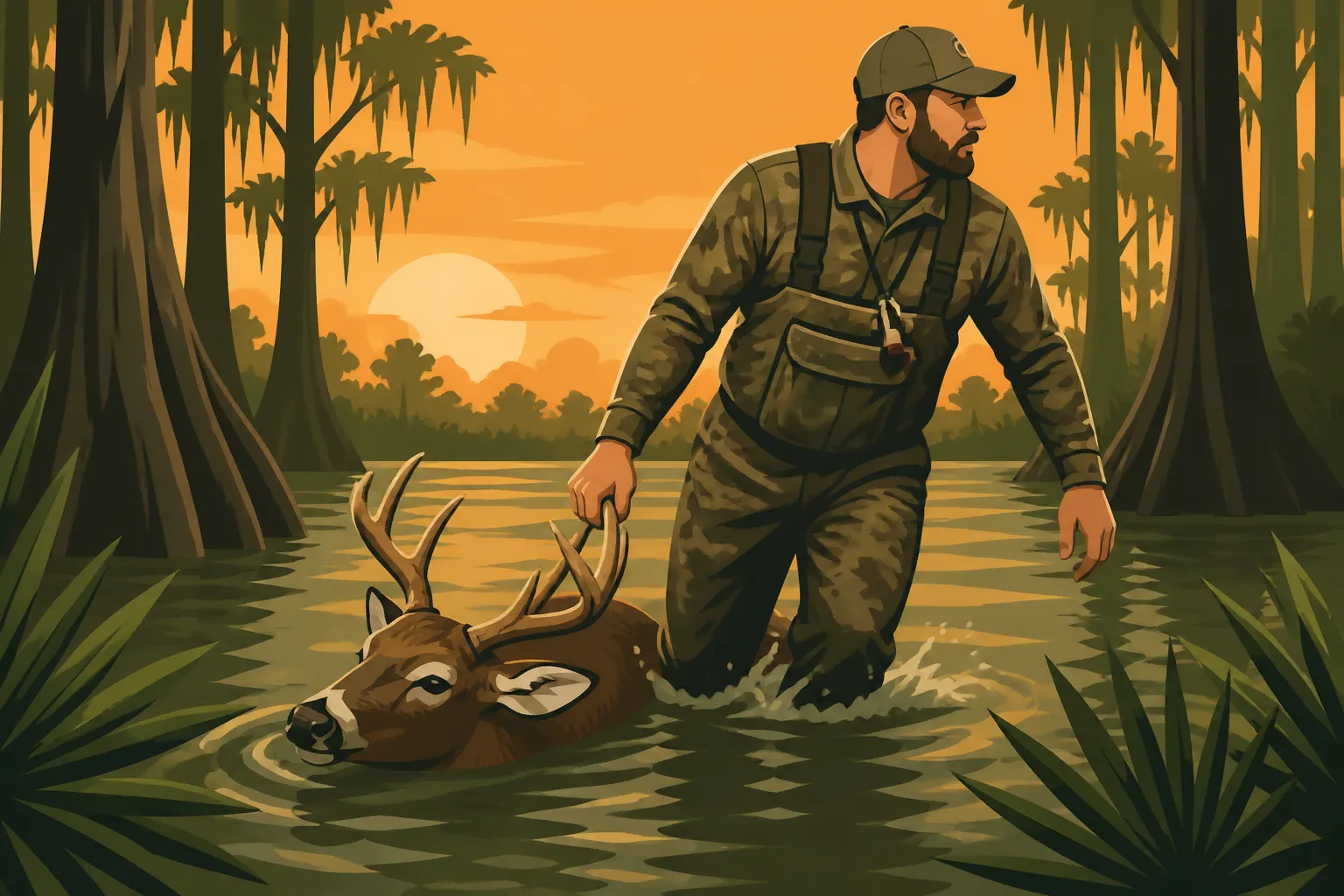
There are few hunting scenarios more disheartening and potentially dangerous than watching a hard-earned deer disappear into the murky depths of a Florida cypress slough. The dense undergrowth, hidden water, and lurking wildlife can make what should be a straightforward recovery an absolute nightmare. This guide is here to walk you through the realities, preparations, and tactical steps for successfully recovering a deer from these challenging, water-logged environments, ensuring both your safety and a successful retrieve.
Understanding the Challenge of Cypress Sloughs
Cypress sloughs are a quintessential part of the Florida landscape, but for deer hunters, they represent a unique and often formidable obstacle, particularly when a game animal expires within their confines. The combination of water, dense vegetation, and the hidden dangers beneath the surface creates a recovery challenge unlike almost any other.
The Dense, Watery Maze
Imagine trying to track an animal through a thick, tangled forest, but now add waist-deep water, sucking mud, and unseen obstacles. That’s a Florida cypress slough. These areas are characterized by cypress trees standing in stagnant or slow-moving water, often surrounded by thick stands of bay, sweetgum, and dense saw palmetto. The ground beneath the water can range from firm sand to soft, bottomless muck, making every step an unpredictable gamble. Visibility is often severely limited by the thick canopy and undergrowth, even on a sunny day. This isn't like Hunting a Florida Green Swamp Slough on dry ground; this is a labyrinth of water and vegetation that can quickly disorient you. You'll likely be pushing through water that could be ankle-deep one moment and chest-deep the next, all while battling mosquitoes, biting flies, and the constant threat of getting stuck in the mud. The sheer physical exertion required can be immense, and it’s easy to lose your bearings if you don't stay vigilant.
Elevated Risk for Hunters
Beyond the physical exertion and navigational challenges, sloughs present significant safety risks. Submerged logs, roots, and cypress knees can trip you, leading to falls in deep water. More alarmingly, these environments are prime habitat for some of Florida's less friendly residents. Water moccasins (cottonmouths) are common and well-camouflaged, often resting on submerged logs or low-hanging branches, ready to strike if disturbed. Eastern diamondback rattlesnakes and pygmy rattlesnakes can also be found on the slightly drier edges or islands within the slough. Perhaps the most significant threat is the American alligator, especially in deeper water. A wounded or dead deer in the water can attract alligators quickly, turning a recovery into a confrontation. Always assume an alligator is present and exercise extreme caution. Getting lost is another real concern; without a compass or reliable GPS, the uniformity of the cypress trees can make it incredibly difficult to maintain a straight line or find your way back to your entry point.
Essential Gear and Preparations for Slough Recovery
Attempting a deer recovery in a cypress slough unprepared is a recipe for disaster. Proper gear isn't just a convenience; it's a critical safety measure and the difference between success and a lost animal. Thinking ahead and staging the right equipment can make a world of difference when minutes count.
Personal Safety Equipment
Your personal safety should be the absolute top priority. Here's what you'll need:
- Waders and Sturdy Boots: Chest waders are often essential, not just hip waders, due to variable water depths. Opt for insulated, puncture-resistant models with aggressive tread. Beneath them, wear sturdy, waterproof boots, preferably snake boots that offer protection against venomous snake bites. There are brands like LaCrosse and Muck that offer excellent options designed for rugged, wet environments.
- Personal Flotation Device (PFD): If you anticipate water deep enough to swim, or if you're navigating by small boat or kayak, a PFD is non-negotiable. Even in shallower water, a sudden fall or getting tangled in vegetation could warrant its use. Better safe than sorry in these situations.
- Communication Devices: Always carry a fully charged cell phone in a waterproof case. For areas with spotty cell service, consider a satellite messenger (like a Garmin inReach or a Zoleo) or two-way radios if you're with a partner. This is vital if you get disoriented or encounter an emergency.
- First-Aid Kit: A compact, waterproof first-aid kit with bandages, antiseptic wipes, pain relievers, and any personal medications is crucial. Given the prevalence of snakes, consider including a snake bite kit (though these are often for temporary relief, not a cure, and immediate medical attention is always required).
- Navigation Tools: A reliable GPS unit or a smartphone with a hunting app like GoHunt is indispensable. Mark your entry point, the last known location of the deer, and any key landmarks. These apps also allow you to preload maps, which is critical for areas without cell service, and can assist greatly in Reading Aerial Photos for Florida Deer to predict terrain before you step foot in it.
- Lighting: Even in daylight, the dense canopy can make sloughs dark. Carry a powerful, waterproof headlamp with fresh batteries, and a spare. If you end up Blood Trailing After Dark in Florida, a good light source is absolutely critical.
- Bug Protection: Mosquitoes and other biting insects are relentless in Florida's wet environments. Bring strong insect repellent, preferably with a high DEET concentration, and consider a head net.
Recovery Tools and Aids
Once you’ve ensured your personal safety, focus on the tools that will aid in the physical recovery of the deer.
- Rope: At least 50 feet of strong, durable rope is a must. It can be used to pull the deer, to secure it while you rest, or to help pull yourself out of deep muck.
- Game Cart Alternatives: A traditional game cart won't cut it here. Consider alternatives like a sled, especially one designed for ice fishing or heavy-duty use, which can float partially and be pulled through water and mud. An inflatable towable tube or small kayak can also serve this purpose if the water is consistently deep enough.
- Long Pole/Staff: A sturdy, long stick or trekking pole can be invaluable for testing water depth, probing for submerged obstacles, and providing stability in soft mud. It can also be used to push away vegetation or keep wildlife at a distance.
- Flagging Tape: Brightly colored flagging tape is essential for marking your trail, especially when trying to maintain a straight line or to mark the last known sign of the deer. This ensures you can retrace your steps and avoid getting lost.
| Item | Purpose | Important Considerations |
|---|---|---|
| Chest Waders | Stay dry, navigate deep water/mud | Puncture-resistant, insulated, aggressive tread, proper fit for movement |
| Snake Boots | Protect from venomous snake bites | High-quality, comfortable for walking, covers calf |
| PFD | Safety in deep water or falls | Comfortable, doesn't restrict movement, easily donned |
| GPS/GoHunt App | Navigation, marking points, preventing getting lost | Waterproof, preloaded maps, fully charged, backup battery |
| Powerful Headlamp | Illumination in dense canopy or after dark | Waterproof, strong beam, spare batteries, comfortable fit |
| Insect Repellent | Protection from mosquitoes, ticks, etc. | High DEET concentration, applied regularly |
| First-Aid Kit | Treating minor injuries, snake bites | Waterproof, comprehensive, include personal meds |
| Strong Rope | Pulling deer, self-extraction, securing items | Durable, at least 50 feet, good knot-holding properties |
| Sled/Kayak | Transporting deer through water/mud | Lightweight, durable, floats, easy to pull/maneuver |
| Long Pole | Probing depth, stability, fending off wildlife, pushing vegetation | Sturdy, lightweight, tall enough to provide good leverage |
| Flagging Tape | Marking trail, last sign, key points | Bright, durable, tear-resistant |
Step-by-Step Recovery Strategy
Once you've got your gear, the real work begins. Approaching a slough recovery systematically and cautiously is paramount for success and safety.
Mark Your Entry and the Last Sign
The very first thing you should do, before even taking a step into the slough, is to clearly mark your entry point. Use flagging tape on prominent trees and, crucially, mark it on your GPS device or hunting app like GoHunt. This is your lifeline back to solid ground. Similarly, mark the precise location where you last saw the deer or found the last identifiable blood sign. In a slough, blood trails can disappear quickly due to water dilution and mud, so even a single drop or a scuffed leaf can be a critical marker. Take a moment to scan the area before entering, noting the path the deer took and any distinguishing features. The goal is to create a digital breadcrumb trail that allows you to confidently move forward and, if needed, retreat. Remember, losing your way in a cypress slough can turn a frustrating situation into a genuinely dangerous one.
Systematic Grid Search and Communication
Trying to randomly wander through a slough is inefficient and dangerous. Instead, adopt a systematic search pattern. If you're hunting with a partner (which is highly recommended for slough recoveries), work together. Establish a starting line and move forward in parallel lines, about 10-15 yards apart, depending on visibility.
Maintain constant communication. Whistles or two-way radios are excellent for this, as voices can be muffled by thick vegetation and the sheer expanse of the slough. One person might focus on looking for the deer, while the other maintains the direction using GPS and watches for hazards. Walk slowly, deliberately, looking for anything out of place: matted vegetation, hair, disturbed mud, or a dark shape under the water. Deer can travel surprisingly far, even when mortally wounded, so be prepared for an extended search. Pay close attention to any changes in water depth or terrain, as deer often seek out the shallowest or driest routes, or conversely, head for thick cover in the deepest parts. You might find a deer just along the edge of Hunting Florida Cypress Swamp Edges where the water begins to deepen.
Dealing with Difficult Terrain and Wildlife
Navigating the actual terrain of a cypress slough requires specific tactics. Use your long pole to constantly probe the ground ahead of you for sudden drops, deep mud, or submerged logs. Shuffle your feet rather than lifting them high to avoid tripping. If you encounter deep muck, try to distribute your weight by moving slowly and deliberately. If you have to pull yourself out, having a rope or a partner can be a lifesaver.
Wildlife encounters are a very real possibility. If you see an alligator, give it a wide berth. If it's between you and your deer, assess the situation carefully. A large gator could claim your deer carcass. Back away slowly and consider if the recovery is still worth the risk. It's often safer to wait for the gator to move on, or to call in FWC if it’s a direct threat, though that usually means forfeiting the deer. For snakes, watch where you step and place your hands. Your snake boots offer protection, but vigilance is your best defense. If you encounter a snake, slowly move around it. Never provoke or try to handle a venomous snake. These aren't the challenges you face when Hunting a Funnel Between Two Palmetto Heads on dry land!
Post-Recovery Care and Reporting
Once you’ve successfully located and retrieved your deer, the work isn't quite over. Proper handling and adherence to regulations are essential to ensure the meat is salvageable and you comply with Florida law.
Field Dressing and Transporting from the Slough
Getting the deer out of the slough can be as challenging as finding it. If the water is deep enough, you might be able to float the deer, securing it to your sled or kayak and pulling it to more solid ground. If the water is shallower, you may need to drag it section by section. Consider field dressing the deer as soon as possible, even in the slough, to lighten the load and begin cooling the carcass. In Florida's heat, quick field dressing is crucial for meat preservation. This involves removing the entrails, which can be done in the water, though be mindful of scent attracting alligators. If you must quarter the deer, doing so in the slough and carrying out smaller pieces can be far easier than dragging a whole animal. Having a tarp or large game bags can help keep the meat clean and make transport easier. This is especially important for Field Dressing a Deer in Hot Weather. Ensure you have plenty of ice and coolers ready at your vehicle for immediate cooling.
Legal Requirements and Lessons Learned
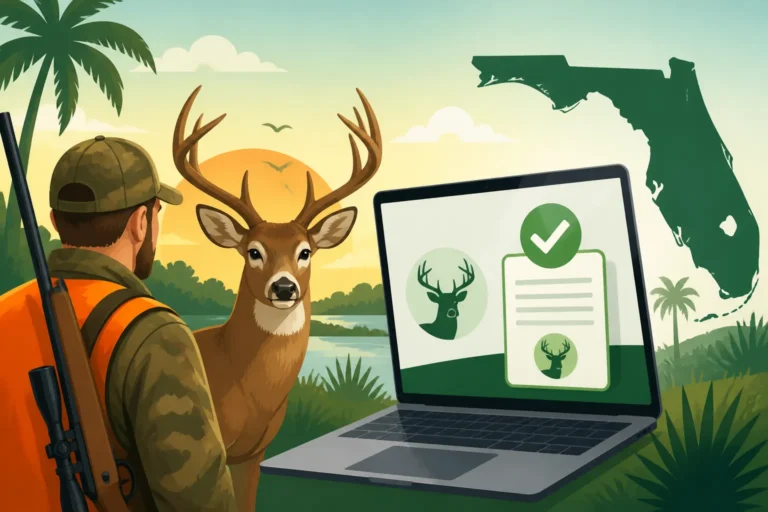
Once your deer is out and cooling, don't forget your legal obligations. In Florida, harvested deer must be reported to the FWC within 24 hours. This can be done online, through the FWC Fish/Hunt Florida app (which pairs nicely with tools like GoHunt for tracking your hunt), or by phone. Make sure you understand Florida Deer Reporting Requirements for the specific zone you are hunting in. Reflect on the experience: What worked well? What gear was invaluable? What could have been done differently? Perhaps you realize the value of Scouting With the Florida FWC App more thoroughly next time to identify potential water hazards beforehand. Every challenging recovery is a learning opportunity that makes you a more skilled and safer hunter in Florida's unique environments. Reviewing your route and decision-making on your GoHunt app after the fact can provide valuable insights for future hunts.
Disclaimer
The information provided in this guide is for informational purposes only and is not a substitute for professional training, personal judgment, or adherence to all local, state, and federal hunting regulations. Hunting inherently involves risks, and safety should always be your paramount concern. Always hunt responsibly and ethically.