Fall Turkey Tactics in the Panhandle
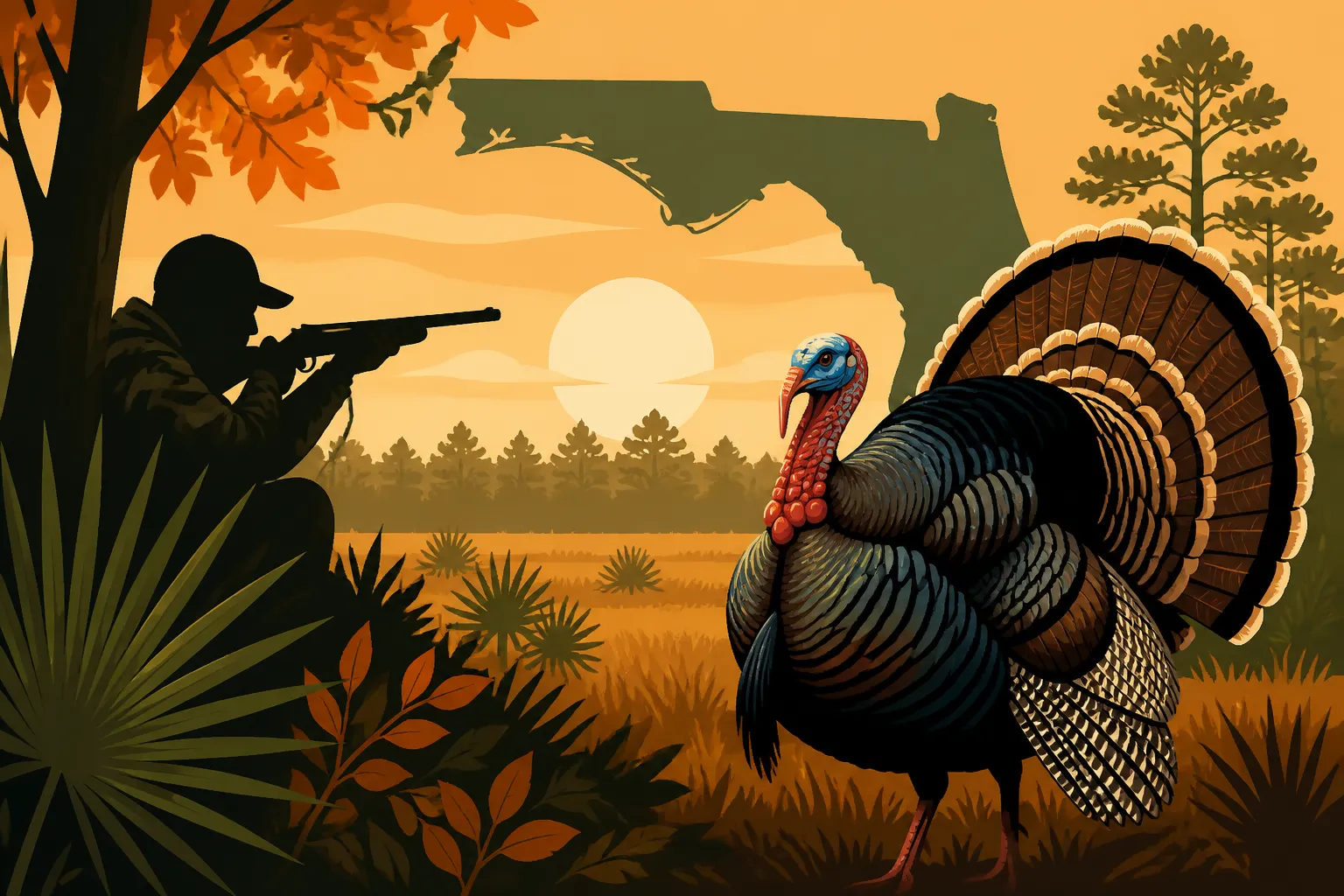
Fall turkey hunting in the Florida Panhandle is a completely different ballgame than the spring gobbler pursuit. Gone are the days of aggressive strutters responding to every yelp; instead, you're faced with birds that are often scattered, less vocal, and laser-focused on finding food. This shift can be frustrating for many hunters, making it feel like a guessing game. But don't despair! This comprehensive guide will equip you with proven tactics and insights to successfully locate, call, and harvest turkeys in the unique Panhandle environment during the fall season.
The Unique Challenge of Fall Turkey Hunting in the Panhandle
Many hunters, especially those new to Florida, approach fall turkey hunting with the same mindset they use for spring gobblers. This is a common pitfall. The entire dynamic changes once the breeding season is over and the weather starts to hint at cooler temperatures. Understanding these fundamental shifts in behavior is the first step to success when hunting Eastern Turkeys in the Florida Panhandle.
Behavioral Shifts from Spring to Fall
In the spring, a gobbler's primary drive is procreation. He's looking for hens, strutting to impress, and eager to fight off rivals. That's why aggressive calling, fanning, and even reaping can be so effective. Turkeys are scattered across the landscape, with gobblers often isolated or with a small harem of hens. They are vocal, responding to calls with enthusiasm, and their movements are largely dictated by the desire to breed.
Come fall, this all changes dramatically. The hormonal urge to breed is gone, and the birds revert to a survival mindset. Their priorities shift entirely to feeding and avoiding predators. Flocks are the norm, often composed of hens and their poults, or bachelor groups of gobblers. They become far less vocal, only communicating amongst themselves with soft clucks and yelps to maintain cohesion. A loud, excited gobble is a rarity and often an alarm call rather than an invitation. They are much more wary, and their patterns are driven by available food sources and secure roosting areas. This behavioral switch means your spring tactics, while exciting, will likely fall flat in the autumn woods.
Understanding Fall Flock Dynamics
Fall turkeys in the Panhandle typically congregate into larger, more stable flocks. These can be categorized into a few main types: hen and poult flocks, juvenile gobbler (jake) flocks, and mature gobbler (bachelor) flocks. Each of these groups behaves differently and requires a distinct approach. Hen and poult flocks are generally the largest and can be the most responsive to certain calling techniques, especially if you can get them to disperse and then call them back together. These birds will often communicate constantly with soft clucks and purrs as they feed.
Juvenile gobbler flocks are often a bit more rambunctious but still food-focused. They might gobble occasionally, almost tentatively, but it's nothing like the full-throated roar of a spring bird. Mature gobbler flocks are usually the toughest to break up and call. These birds are extremely wary, travel silently, and stick together for security. They've survived multiple hunting seasons and are keenly aware of their surroundings. Knowing the composition of the flock you're targeting—or hoping to create—will dictate your calling strategy and how you set up your ambush. These flocks will move through the vast pine forests and oak hammocks, often covering significant ground daily as they forage.
Scouting for Panhandle Fall Turkeys: Beyond the Gobble
Since fall turkeys aren't gobbling their heads off, traditional sound-based scouting won't get you very far. Success hinges on rigorous, boots-on-the-ground scouting, focusing on food, water, and fresh sign. This is where your diligent legwork truly pays off, especially when hunting Florida's expansive public lands. Knowing where to look and what to look for is paramount.
Key Food Sources and Habitat Pockets
The most critical element for locating fall turkeys is food. Florida's Panhandle is a diverse region, offering a variety of forage options that change throughout the autumn. Hard mast, particularly acorns from live oaks, water oaks, and laurel oaks, is a huge draw. If you can find a productive oak flat or hammock, especially one with fresh droppings and scratchings, you've found a turkey hotspot. Turkeys will spend hours meticulously raking through leaf litter, searching for these nutrient-rich nuts. Don't overlook other mast crops like pecans or beech nuts, depending on the specific tree species prevalent in your hunting area.
Soft mast can also be important in the early fall. Persimmons, wild grapes, and even residual blackberries can hold birds as the season progresses. As fall turns to winter, green forage like tender grasses, clover, or planted winter wheat food plots become increasingly attractive, particularly after other food sources have been depleted or covered by frost. Areas that have recently undergone prescribed burns can also be magnets for turkeys, as the fire removes leaf litter, exposing insects, seeds, and fresh green shoots. Remember, turkeys need water too, so look for feeding areas near cypress sloughs, creeks, or small ponds.
Here's a quick look at common fall food sources:
| Food Source Category | Specific Examples in Panhandle | Seasonality / Preference |
|---|---|---|
| Mast Crops | Acorns (live oak, water oak, laurel oak), Pecans, Beech nuts | Peak fall, crucial energy source |
| Soft Mast | Blackberries (residual), Wild Grapes, Persimmons, Blackgum | Early fall, transitional food |
| Insects/Grubs | Grasshoppers, Crickets, Beetles, Larvae | Year-round, especially after burns or disturbed earth |
| Seeds/Grains | Pine seeds, Ragweed, Wild Millet, Cultivated fields (corn, peanuts) | Varies by species, persistent through fall/winter |
| Green Forage | Tender grasses, Clover (if available), Winter wheat plots | Late fall/winter, especially after frost kills other foods |
Interpreting Sign and Using Technology
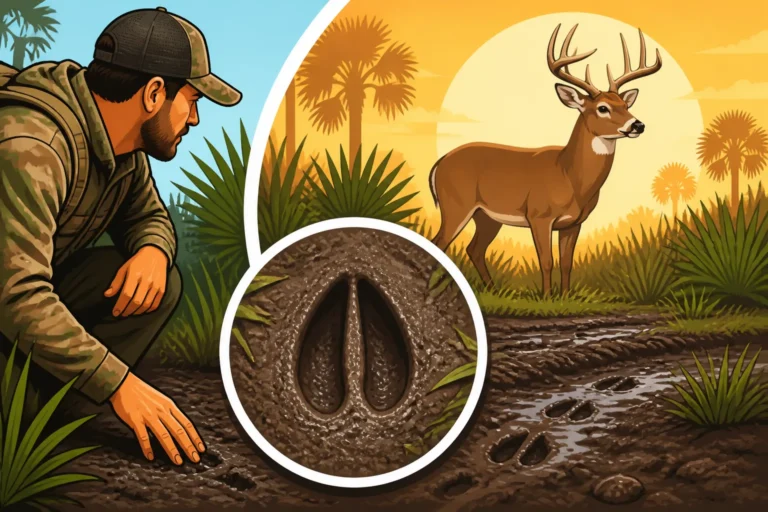
Since vocalizations are minimal, you'll need to become an expert at reading sign. Look for fresh tracks in soft soil or along logging roads – turkey tracks are distinctive, with three toes forward and one smaller toe pointing backward. Droppings are another key indicator; fresh droppings are moist and indicate recent activity. The shape of the dropping can even tell you if it's a hen or gobbler (gobbler droppings are typically J-shaped, while hens' are more coiled). Perhaps the most obvious sign is scratching: turkeys will rake leaves and pine needles aside with their feet to expose food. Large, widespread scratching patterns indicate a feeding flock.
Roosting areas are also crucial to pinpoint. Turkeys will often roost in tall pine or cypress trees near water or in dense cover for safety. Look for droppings, feathers, and whitewash (turkey droppings) on the ground directly under potential roost trees. This sign can be more concentrated than feeding sign and indicates where birds spend their nights. Modern technology can significantly aid your scouting efforts. Mapping apps like GoHunt are invaluable for identifying potential food sources, such as oak hammocks, pine plantations, or clearcuts, by using satellite imagery. You can mark potential roosting sites, travel corridors, and feeding areas, saving you time in the field. Using a GPS to mark fresh sign, even if you're not actively hunting, builds a valuable database for future hunts. Learning how to effectively utilize tools like GoHunt and studying Reading Aerial Photos for Florida Deer can also apply to finding hidden pockets of turkey habitat.
Masterful Calling and Strategic Ambush Tactics
Once you've located fall turkeys, the real challenge begins: getting them within range. This requires a completely different calling strategy and often more patience and stealth than spring hunting. Forget loud, aggressive calling; think subtle, gentle persuasion.
Breaking Up a Flock and Calling Back Lost Birds
One of the most effective and classic fall turkey tactics is the "scatter and call" method, also known as Breaking Up a Fall Turkey Flock. This technique relies on the turkey's instinct to regroup after being dispersed. When you locate a flock, try to rush them, run at them, or otherwise make a sudden commotion to cause them to fly or run in all directions. The goal is to separate the birds completely. Once the flock has scattered, typically in different directions, wait at least 30-60 minutes to let things settle down. The key is to hide near the break-up point or where you saw the most birds scatter from.
After waiting, start calling very softly with lost hen yelps and soft clucks, mimicking a bird trying to find its companions. Use a variety of calls like a slate call, box call, or mouth diaphragm to sound like multiple birds. Don't overcall; listen intently for faint responses. Poults will often be the first to respond, and they tend to be less wary. If you get a response, slowly and gently continue calling, drawing them back in. This technique is particularly effective on hen and poult flocks, but with enough patience and good concealment, you can bring in jakes and even mature gobblers looking to rejoin their buddies. This often requires considerable patience and a keen ear for subtle sounds.
Decoying and Still-Hunting in Fall Scenarios
While not as critical as in spring, decoys can still play a role in fall turkey hunting, especially if you're trying to draw in a scattered bird or a curious jake. A single hen decoy or even a jake decoy can provide a visual confidence booster for birds that are already cautiously approaching your calls. Place your decoy in an open spot where it's highly visible, but ensure you have excellent concealment. Remember, fall birds are extremely cautious, so any unnatural movement or exposed hunter will likely send them fleeing.
Still-hunting, a method of slowly and carefully moving through the woods, can also be highly effective, particularly when you're targeting those elusive mature gobbler flocks. Instead of sitting and calling, you are actively moving through known feeding areas, such as a productive acorn flat or along a creek bottom, hoping to spot birds before they spot you. This method demands extreme stealth, quiet footing, and constant scanning of your surroundings. Move a few steps, then stop and carefully observe for several minutes before moving again. Listen for subtle clucks, purrs, or the distinct scratching sound of turkeys feeding. If you spot birds from a distance, you can then try to set up an ambush or, if conditions are right, attempt to scatter them. This can also be a good tactic for Hunting an Eastern Gobbler in Panhandle Pines where dense cover allows for quieter movement.
Essential Gear and Legalities for a Successful Fall Hunt
Success in the fall Panhandle woods also depends on having the right equipment and a clear understanding of the rules. The right gear can make your hunt more comfortable and effective, while knowing the regulations keeps you legal and safe.
Recommended Equipment for Panhandle Conditions
The Florida Panhandle can experience a wide range of weather conditions in the fall, from warm, humid mornings to surprisingly chilly afternoons. Layering your clothing is essential. Light, breathable camo for early mornings, with a heavier layer for cooler periods, is a smart choice. Due to the dense palmetto and pine scrub often found, durable pants that can withstand thorns and rough brush are highly recommended. A good pair of waterproof, comfortable boots is non-negotiable, as you'll be covering a lot of ground and potentially crossing wet areas.
Beyond clothing, a comfortable, supportive vest or backpack is crucial for carrying your calls, water, snacks, a headlamp (for early morning walks to the roost), and any game you might harvest. When it comes to calls, don't just bring your loudest spring calls. Focus on friction calls (slate, box) and mouth calls that allow for soft clucks, purrs, and lost hen yelps. A good pair of binoculars can also be invaluable for scanning distant woods and identifying potential turkeys without spooking them. Finally, always carry a small first-aid kit, a compass or GPS (even if you use an app like GoHunt, a backup is smart), and a way to field dress your bird. For those planning an extensive hunt on public lands, reviewing guides on Scouting Florida Public Land Before Season will help ensure you have all the necessary items.
Navigating Licenses, Permits, and Regulations
Before you even step foot in the Panhandle woods, ensure all your legal ducks are in a row. For hunting turkeys in the fall, you'll need a valid Florida hunting license and a Florida Turkey Permit. If you're a nonresident, the costs will be different, so be sure to check the Florida Hunting Licenses and What They Cost guide. The Florida Fish and Wildlife Conservation Commission (FWC) sets specific Florida Fall Turkey Season Dates for the Eastern Zone (which covers the Panhandle), so always double-check the current year's regulations.
If you plan to hunt on one of Florida's many Wildlife Management Areas (WMAs), you'll also need a Florida WMA Management Area Permit. Many WMAs also have specific quota hunt requirements or daily permits, so research the specific WMA you intend to hunt. For instance, some WMAs might have different legal hunting hours or weapon restrictions. It's also important to remember that fall turkey hunting, unlike spring, often allows either-sex birds to be harvested, but always confirm this detail in the regulations. Additionally, for safety, while not always strictly required for turkey hunting, understanding Florida Hunter Education Requirements is always a good idea, and some areas may have blaze orange requirements that you'll need to be aware of. Always carry proof of your licenses and permits, either physically or digitally on your phone via the FWC's app.
Disclaimer
Please be aware that hunting regulations and seasons can change. Always consult the latest Florida Fish and Wildlife Conservation Commission (FWC) regulations before planning any hunting trip. This guide is for informational purposes only and should not be considered a substitute for official FWC rules and guidelines.