Hunting the Early Teal Season Opener
There’s nothing quite like the rush of Florida's early teal season opener. Those little speedsters zip across the marsh like feathered rockets, offering a lightning-fast challenge that'll test even the most seasoned shotgunner. It's a short window, often overlooked by those waiting for the main duck season, but it provides some of the most exciting action of the year. This guide will help you understand the unique appeal of hunting these migratory marvels and equip you with the knowledge to make your early season opener a success.
Understanding Florida's Early Teal Season
The early teal season in Florida is truly a gift for waterfowl hunters who just can't wait for cooler weather. It's a sprint, not a marathon, and understanding its nuances is key to success.
Why the Early Teal Season is Special
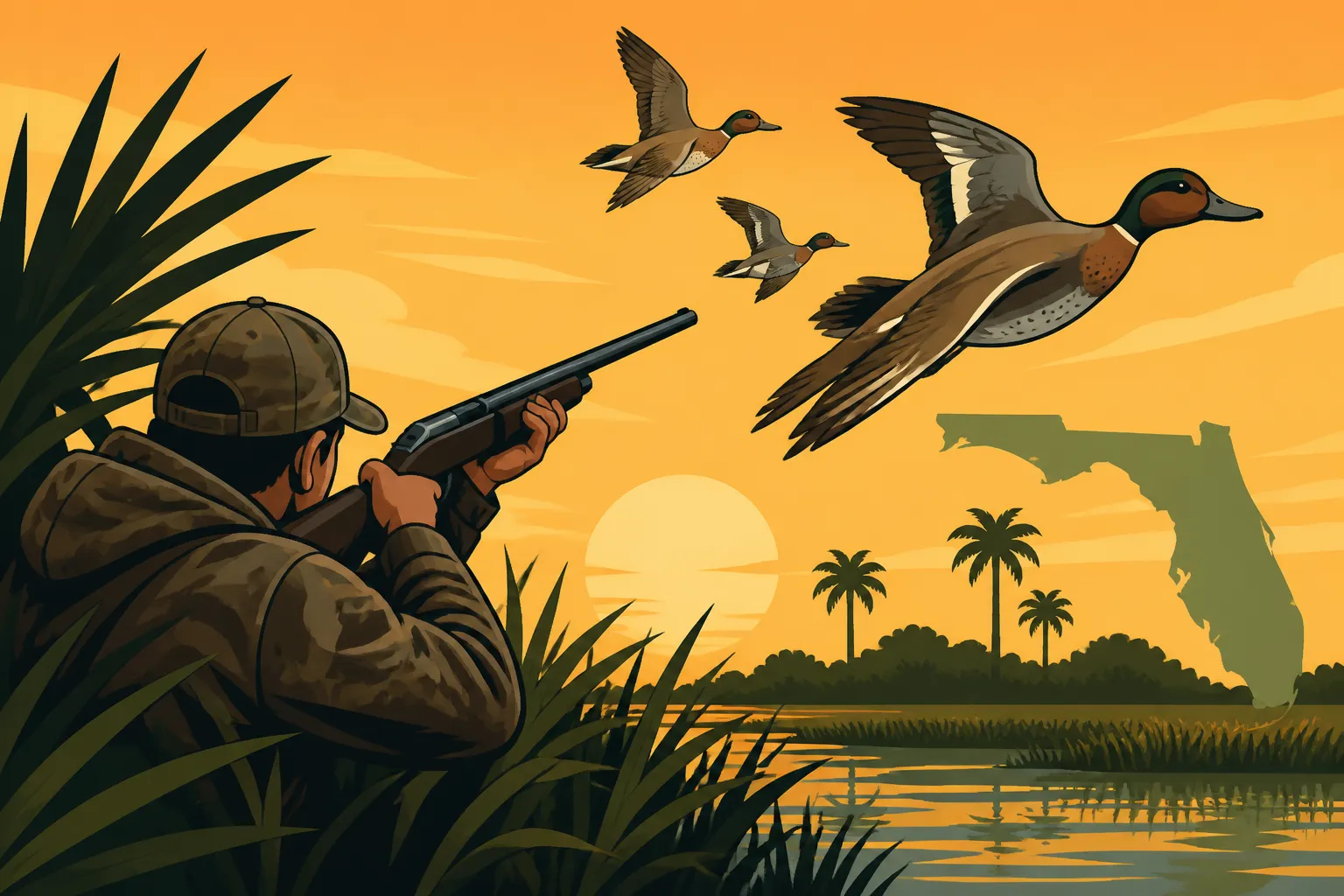
Imagine standing in a sun-drenched marsh, the air still thick with summer humidity, but with a whisper of change carried on the breeze. That's Florida's early teal season. This brief hunting window, usually in September, specifically targets blue-winged teal (and sometimes green-winged teal) as they make their initial push south. These birds are among the first to migrate, fleeing colder northern climates well before other duck species. This means you're often hunting them in their pristine, unpressured state, fresh off their breeding grounds, which can lead to incredible fast-paced action.
What makes it so special is the sheer speed and agility of these birds. They aren't the slow-flapping, predictable targets of some other species. Teal come in hot, bank hard, and disappear as quickly as they arrive. It’s a true test of reflexes and shotgunning skill. For many, it's a cherished tradition, a chance to shake off the summer rust, and a hopeful sign of the longer duck seasons to come. Plus, the meat from these early migrants is often lean and delicious, making for excellent table fare. It's a distinct experience from Waterfowl Hunting Florida's Marshes later in the year, offering a unique challenge and reward.
Key Regulations and Licensing for Teal
Hunting anything in Florida means staying on top of the regulations, and teal are no exception. The Florida Fish and Wildlife Conservation Commission (FWC) sets specific dates and rules for this early season, which are distinct from the general duck season. Typically, the season runs for about two weeks in September. It’s crucial to check the current year’s regulations as these dates can shift slightly based on migratory patterns and FWC biological surveys. You can usually find the official dates published on the FWC website well in advance. For current information, always refer to the FWC's official guide or app, and be aware of Florida Early Teal Season Dates.
When it comes to licensing, you'll need more than just your basic hunting license. Any migratory bird hunting in Florida requires a Florida hunting license, a migratory bird permit (often called a HIP certification), and a Federal Duck Stamp. The Florida Migratory Bird Certification is free but mandatory, ensuring that the FWC can collect important harvest data. The Federal Duck Stamp is a physical stamp that must be signed and carried with you, with its proceeds directly funding wetland conservation efforts across the nation. Make sure you understand the Florida Federal Duck Stamp Requirement before heading afield. Bag limits are typically generous for teal during this early season, often 6 birds per day, but always verify the exact Florida Duck Daily Bag Limit and Florida Duck and Goose Bag Limits for the current season to avoid any costly mistakes.
Prime Locations and Scouting for Early Teal
Finding teal means understanding their preferred pit stops along their migratory journey. They aren't going to be everywhere you find other ducks later in the year.
Where to Find Teal in Florida
Teal are creatures of shallow water. You won't typically find them loafing in deep, open lakes, but rather gravitating towards expansive, shallow marshes, flooded agricultural fields (especially rice or corn stubble), and the edges of larger bodies of water where there's abundant emergent vegetation. Think about areas with cattails, smartweed, maidencane, and pickerelweed – places where they can feed easily on seeds and invertebrates in just a few inches of water. They also love muddy flats that are just barely covered by water.
Specific regions in Florida can be teal magnets. Public lands like certain Wildlife Management Areas (WMAs) in Central and South Florida, known for their vast marsh systems, often hold good numbers. For instance, the edges of the St. Johns River basin, parts of the Everglades (if accessible), and some of the larger shallow lakes in the peninsula can be prime. Even in the Panhandle, smaller shallow impoundments or flooded timber areas might attract them during their migration. Tools like the GoHunt app and the FWC's public hunting map are invaluable for identifying these potential hotspots. You can often pinpoint areas of shallow water and dense vegetation that would appeal to these small ducks. Remember, teal are looking for food and safe roosting areas, so focus your search on those two critical elements.
Pre-Season Scouting Strategies
You simply cannot afford to skip scouting for early teal. This isn't a hunt where you can just show up on opening morning and expect birds to be everywhere. Teal migrations are highly dependent on weather fronts and can be localized. What was a hotspot last week might be completely devoid of birds today. A week or two before the season, start hitting the roads. Drive around potential areas, especially at dawn and dusk, when birds are most active. Look for tell-tale groups of teal buzzing over the marsh. Don't be afraid to pull over and glass distant areas with a good pair of binoculars.
Using aerial maps, whether through the FWC app or a tool like GoHunt, is also critical. Look for expanses of shallow water, especially those with isolated patches of thicker cover for birds to feel safe. Pay attention to ditches, sloughs, and water control structures that might create ideal feeding conditions. Observing flight patterns during your scouting trips will give you an idea of how birds are entering and exiting the area, helping you choose optimal blind locations. Remember, the weather can drastically impact migration. A strong cold front pushing south just before the opener can bring a fresh wave of birds, while stagnant weather might keep them further north. Being able to Reading a Marsh for a Morning Flight comes from diligent scouting. Don't forget to use the Scouting With the Florida FWC App to confirm boundaries and access points.
Effective Tactics and Gear for Teal Hunting
Teal hunting demands a blend of specific tactics and reliable gear to keep up with their blistering pace. This isn't your slow-and-steady big duck hunt.
Decoy Spreads and Calling Techniques
When it comes to decoys for teal, less can sometimes be more, but motion is always key. Teal aren't usually put off by small spreads, and often, a dozen or two blue-winged teal decoys are more than enough. The critical element is realism and movement. Consider adding a few spinning-wing decoys (like a Mojo Teal) or jerk strings to create the illusion of active, feeding birds. Teal are highly attracted to movement, and a spinning wing decoy can be seen from a long distance, drawing their attention in. Position your decoys in shallow water, mimicking a small flock splashing and feeding. Think about creating a landing zone right in front of your blind.
Calling for teal is subtle. Forget the loud, aggressive mallard hails. Teal have a high-pitched, almost squeaky whistle or a quick, short "peep-peep-peep." Use short, sharp calls to grab their attention, especially if they're passing at a distance. Once they commit and start working the decoys, light calling or even going completely silent can be effective. Too much calling can spook them. The goal is to sound like happy, contented teal feeding, not an aggressive sales pitch. You can learn a lot by observing how natural ducks interact and adapting your calling accordingly, much like you would when Decoying Wood Ducks at First Light.
Essential Gear and Shotgun Selection
For hunting these rocket-fast birds, a quick-handling shotgun is paramount. Many hunters prefer a reliable semi-automatic 12 or 20 gauge, allowing for rapid follow-up shots on incoming or passing flocks. A 3-inch shell with #4 or #6 steel shot is generally ideal, offering a good balance of pellet count and energy for these small birds. Opt for improved cylinder or modified chokes for broader patterns that give you a slight edge on fast-moving targets. Remember, shooting distances for teal are typically closer than for larger ducks, often within 30-40 yards.
Beyond your firearm, comfort and concealment are crucial. Lightweight, breathable camouflage is a must, given Florida's early season heat and humidity. Waders are non-negotiable for marsh hunting, allowing you to get into prime shallow water spots and retrieve downed birds. Bug spray is your best friend. A small boat, kayak, or even a paddleboard can be invaluable for accessing remote areas and deploying decoys. Don't forget your hunting vest for shells and essentials. Apps like GoHunt can again assist in identifying access routes or marking optimal blind locations, especially if you're exploring new public lands. A good retrieving dog can also be a game-changer for reducing lost birds in thick cover.
Setting Up Your Blind for Success
Concealment is king when hunting teal. These birds have excellent eyesight and will flare at the slightest hint of danger. In Florida's marshes, you'll often be using natural cover. Look for dense stands of cattails, tall grasses, or thick brush along a water's edge. Cut some extra vegetation to "brush in" your blind, ensuring you blend seamlessly with the surroundings. If natural cover is sparse, a portable blind (like an A-frame or layout blind) covered in local vegetation can work wonders.
Always consider the wind and sun when setting up. Ideally, you want the wind at your back, pushing incoming birds into your decoy spread and presenting them with a good landing approach. The sun should be to your back or side, putting it in the birds' eyes, making it harder for them to spot you. This also ensures better visibility for you to track and shoot birds. Position your blind so you have an unobstructed view of the sky and your decoy spread. Being hidden and having a clear shooting lane are critical. These principles are similar to strategies for Layout Blind Hunting a Flooded Rice Field, where maximizing concealment in open areas is paramount.
Mastering the Fast Action of Teal Hunting
Teal hunting is not for the faint of heart or the slow of trigger finger. It's a game of quick decisions and even quicker reactions.
Timing Your Shots and Anticipating Flight Paths
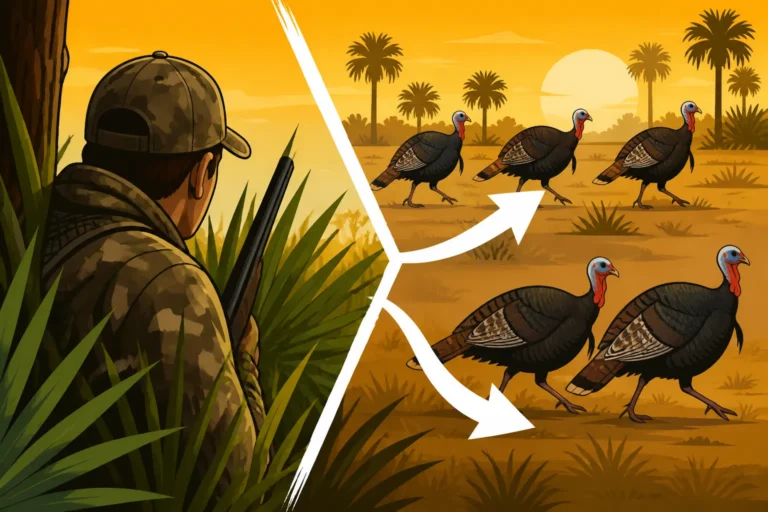
The most challenging aspect of teal hunting is their speed. These birds are small, agile, and incredibly fast, often clocking speeds over 40 mph. It's not uncommon for a flock to appear seemingly out of nowhere, zip through your decoys, and be out of range before you even shoulder your shotgun. The key is anticipation. As you scan the skies, try to pick up on distant specks that might be incoming teal. Once you identify them, get ready. Mount your gun smoothly, swing through the bird, and lead them generously. Many new teal hunters tend to shoot behind them. Practice on clays can help, but nothing quite prepares you for the real thing.
When a flock commits to the decoys, focus on a single bird. Don't just blast into the flock, as this often results in missed opportunities or poorly hit birds. Pick one bird, swing, shoot, then quickly transition to another if the opportunity arises. Often, teal will circle once or twice before dropping in. Use these passes to get your bearings and prepare for their final approach into your killing zone. If you're hunting with a partner, establish clear zones of fire to ensure safety and avoid crossing paths, especially when birds are coming in hot. Sometimes, you might even have opportunities to Jump-Shooting a Florida Creek if you find them in smaller, confined areas.
Retrieving Birds Quickly
In the flurry of an early teal hunt, especially if the action is fast and furious, it’s easy to lose track of downed birds. Teal are small, and a strong wind or thick vegetation can make them disappear quickly. This is where a good retrieving dog truly shines. A well-trained Labrador or other retriever can significantly increase your recovery rate, ensuring that every bird you shoot ends up in your bag. Not only is it ethical to recover every bird, but it also shows respect for the game.
If you don't have a dog, mark your birds carefully. When you shoot, keep your eyes on the falling bird until it splashes down or hits the cover. Use landmarks on the horizon or distinct features in the marsh to pinpoint the exact location. If you drop multiple birds from a flock, focus on the first bird downed, retrieve it, then systematically search for the others. Don't chase a bird that sails a long way unless you are absolutely certain of its landing spot and have a clear path to it. Always prioritize the birds you saw fall closest to your position. Waiting too long can mean losing a bird to current, vegetation, or even other predators.
| Aspect | Ideal Teal Habitat | Key Gear Checklist |
|---|---|---|
| Water Depth | Very shallow (2-12 inches) | Waders (chest or waist) |
| Vegetation | Emergent grasses, smartweed, cattails | Camouflage (lightweight, breathable) |
| Water Type | Marsh, flooded fields, sloughs | Shotgun (semi-auto 12 or 20 gauge) |
| Food Sources | Small seeds, aquatic invertebrates | Steel Shot (#4 or #6) |
| Roosting Areas | Protected shallow pockets, open flats | Teal Decoys (6-24, w/ motion) |
| Visibility | Open water with nearby cover | Bug Spray (essential!) |
| Access | Often requires boat, kayak, or airboat | Good Binoculars |
| Scouting Aid | Aerial maps, FWC app, GoHunt | Retriever Dog (highly recommended) |
Disclaimer
Hunting is an inherently dangerous activity. This guide provides general information and recommendations. Always consult the most current Florida Fish and Wildlife Conservation Commission (FWC) regulations before hunting. Ensure you have all required licenses and permits. Practice firearm safety and never hunt alone. Be aware of your surroundings, weather conditions, and any local restrictions. The author and publisher are not responsible for any accidents, injuries, or legal infractions incurred while hunting.