Knocking on Doors in Florida Ranch Country
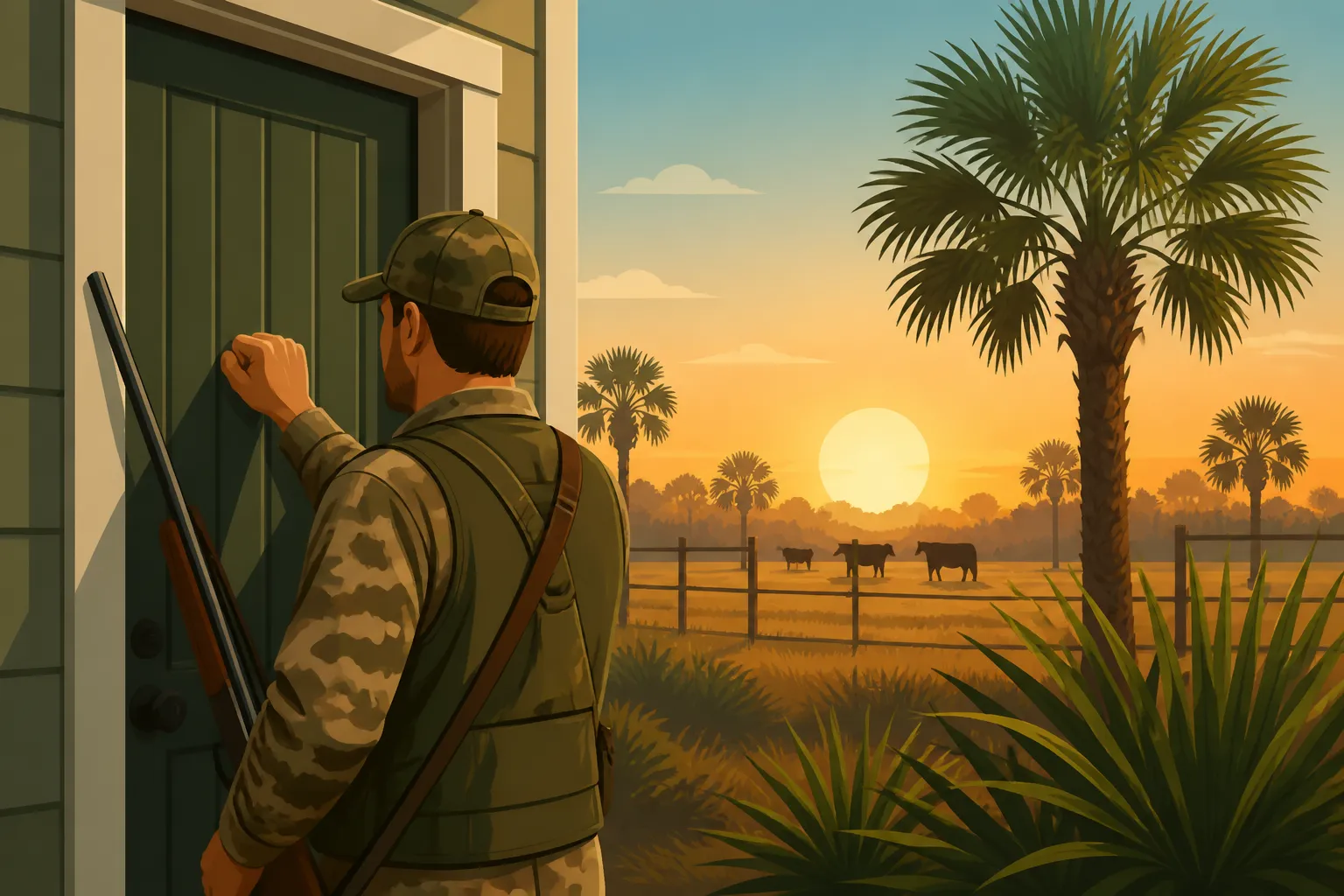
Finding private hunting land in Florida, especially in the vast stretches of ranch country, can often feel like an impossible task. Public lands face increasing pressure, and long-term leases are becoming prohibitively expensive for many. But there's a time-honored, personal approach that still works: respectfully knocking on doors and asking for permission. This guide will help you navigate this process, from initial research to building lasting relationships with landowners.
Why Florida Ranch Country Offers Unique Opportunities
Florida’s landscape is incredibly diverse, from the cypress swamps and pine flatwoods to the sprawling agricultural and cattle ranch lands that dominate many central and northern parts of the state. These ranches, often generations old, hold immense potential for hunters seeking quality experiences away from crowded public areas.
Understanding the Landscape and Game Potential
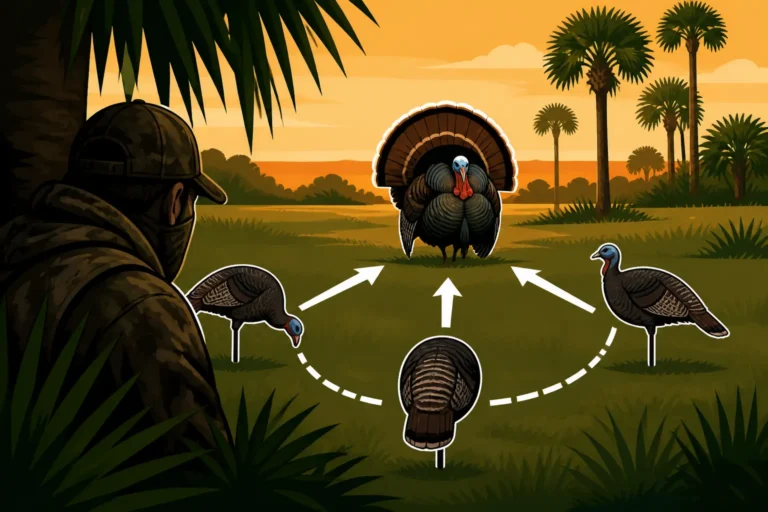
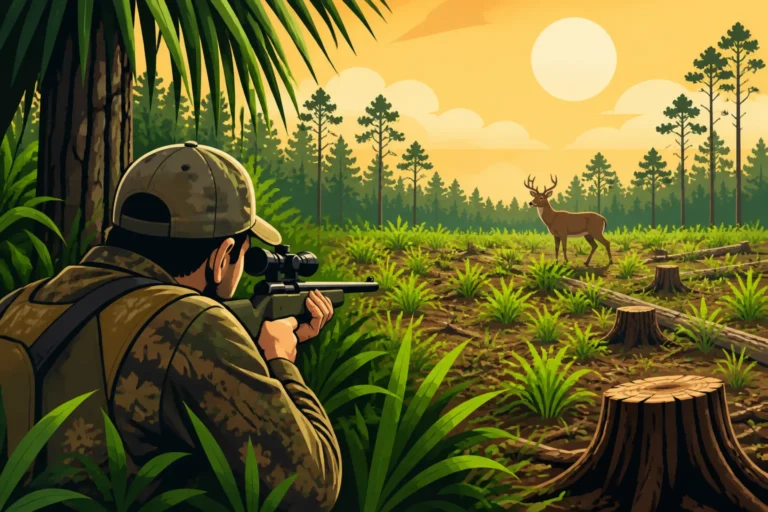
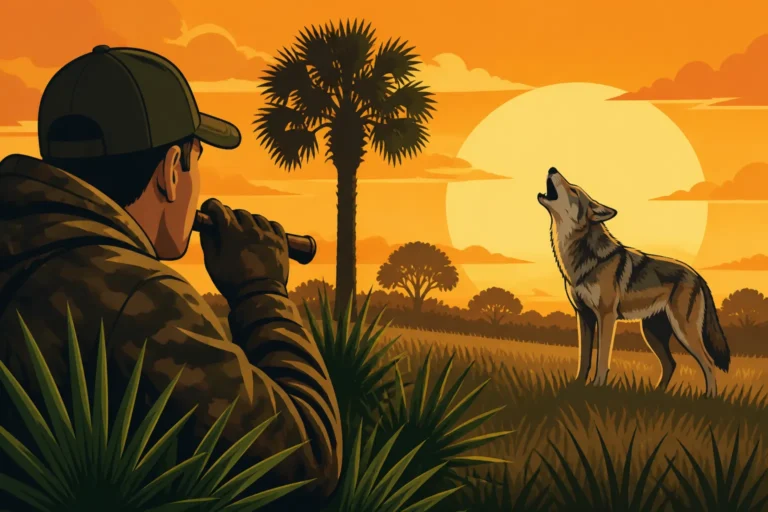
Florida ranch country often consists of a mosaic of improved pastures, oak hammocks, cypress sloughs, and pine plantations. This varied habitat is a magnet for a wide array of game species. You'll find healthy populations of white-tailed deer, which thrive on the forage provided by agricultural operations and the natural cover of the hammocks. Feral hogs are practically ubiquitous in these areas, often considered a nuisance by landowners due to their destructive rooting habits, making them an excellent target for hunters seeking year-round action. Coyotes also roam these landscapes, presenting another opportunity for hunters who want to help manage predator populations. Turkeys, especially the iconic Osceola subspecies in the peninsula and Easterns in the Panhandle, frequently utilize these mixed-habitat ranches for roosting, feeding, and breeding.
The sheer size of many of these ranches means less hunting pressure than you’d typically find on public land, allowing game animals to establish more natural patterns. You might encounter mature deer that haven't been pushed by constant human disturbance, or flocks of turkeys that are less wary than their public land counterparts. This can translate into higher quality hunts and a more fulfilling experience overall.
The Challenge of Public Land Pressure
Anyone who has spent time hunting Florida's Wildlife Management Areas (WMAs) knows the reality: they can get crowded. Especially during opening weekends or peak rut, parking lots fill up early, and you're likely to encounter other hunters. While places like the Ocala National Forest hunting grounds offer vast expanses, finding solitude and unpressured game requires significant effort and often long walks into remote areas. This isn't to say public land hunting isn't rewarding, but the constant pressure can make consistent success a significant challenge.
This is precisely why private land access is so coveted. On a private ranch, you might be the only hunter, or one of a very select few. This drastically changes the dynamic, allowing you to implement strategies that would be impossible on public land. Imagine being able to set up a stand and know that another hunter won't walk through your setup just an hour later. The peace of mind, combined with the potential for higher quality game, makes seeking private land permission an incredibly appealing endeavor for serious hunters. It’s about more than just bagging an animal; it’s about experiencing nature on your own terms, without the constant worry of competition.
The Art of the Ask: Preparing for Your Door-Knocking Mission
Before you even think about driving down a dusty ranch road, a solid foundation of preparation will dramatically increase your chances of success. This isn't just about showing up; it's about showing respect and demonstrating you've done your homework.
Researching Property and Landowners
The digital age has made property research easier than ever, and it's your first critical step. Start by identifying areas of Florida ranch country that align with your hunting interests and target species. Use online mapping tools and county property appraiser websites to pinpoint large tracts of land and identify the owners. Many counties have excellent online GIS (Geographic Information System) maps that show property lines, ownership details, and even aerial photos. This helps you understand Finding Florida Property Lines and avoid any accidental trespass issues.
Modern hunting apps are indispensable here. Tools like GoHunt offer detailed satellite imagery, topographic maps, and crucial public/private land ownership overlays that can reveal who owns what, right down to the parcel number. You can often see landowner names and mailing addresses, which might give you an alternative to door-knocking if you prefer a letter first. Take the time to study these maps. Look for key features: water sources, dense cover, field edges, and natural travel corridors that might indicate good game habitat. Knowing the lay of the land before you even speak to a landowner shows initiative and seriousness. You can also cross-reference with Scouting With the Florida FWC App for WMA boundaries or potential public land overlaps to ensure you're only targeting truly private properties.
What to Bring for the Visit
Your approach needs to be professional and prepared. When you decide to make that initial contact, having the right materials on hand can make all the difference. Think of it like a job interview – you want to leave a positive and memorable impression.
Here’s a small table to help you prepare:
| Item to Bring | Why It's Important | Item to Avoid (Initially) | Why It's Detrimental |
|---|---|---|---|
| Clean, presentable attire | Shows respect for the landowner and their property. | Camo clothing | Can be perceived as aggressive or overly eager, making some landowners uneasy. |
| Personalized letter/info sheet | Details your contact info, hunting experience, references, and insurance. | Unsolicited cash payment | Can be offensive or imply you're only interested in a transaction, not a relationship. |
| Printed aerial maps of their property | Demonstrates you've done your homework and are genuinely interested in their land. | Your hunting dog | Unless specifically invited, can be a distraction or cause a bad first impression. |
| Valid hunting license & ID | Proves you're a legal hunter and responsible individual. | Unsheathed knife or firearm on display | Never a good idea; can create an intimidating atmosphere. |
| References (past landowners, employers) | Builds trust and vouches for your character. | Large group of friends | Keep it personal and professional; a crowd can overwhelm. |
Beyond these, consider bringing a small, genuine gift – perhaps a local specialty or something for their family. It’s a small gesture that can leave a big impression. Also, make sure you have a pen and paper to jot down any information or rules they provide. Remember, Do You Need Written Permission in Florida? is a critical question, and being prepared to offer a simple written agreement or note shows you understand the legalities and are committed to doing things correctly.
Timing Your Visit
Timing is crucial. Showing up unannounced at dinner time or early on a Sunday morning is generally ill-advised. The best times to knock on doors in ranch country are typically during weekday afternoons or early evenings, avoiding major mealtimes. Saturdays, especially late morning, can also work. What you want to avoid is interrupting their family time or work hours in a way that feels intrusive.
Pay attention to their activity. If you see them out working on equipment, mending fences, or tending to livestock, it might be a good time to approach when they're already outside and potentially more accessible. However, always respect their engagement. Don't interrupt a critical task. Sometimes, simply observing from a distance for a few minutes can give you a better feel for the right moment. Be prepared for them not to be home, or to be too busy to talk. A simple, polite note left with your contact information, explaining why you stopped by, is always better than being persistent when the timing is wrong.
Making Your Pitch: What to Say and How to Present Yourself
This is the moment of truth. How you carry yourself and what you say can either open doors or close them forever. Remember, you’re not just asking for a place to hunt; you're asking for trust and a potential relationship.
First Impressions: Appearance and Demeanor
Your appearance speaks volumes before you utter a single word. Dress cleanly and respectfully. This means no muddy boots, no torn jeans, and definitely no hunting camouflage. Opt for clean, casual clothing – a collared shirt, clean pants, and presentable shoes. You want to convey responsibility and respect, not an immediate desire to hit the woods.
When you approach the house or office, do so calmly and confidently. Never drive onto their property without explicit permission. Park your vehicle in a visible, non-obstructive spot off the main road, if possible. Walk to the door, make eye contact if someone answers, and offer a genuine, friendly smile. Your demeanor should be humble, polite, and patient. Introduce yourself clearly, stating your full name and where you’re from. Remember, you are a guest on their land, even if you’re just on the driveway.
The Core Message: Being Clear, Respectful, and Offering Value
Once you have the landowner’s attention, get straight to the point, but do so respectfully. Start by introducing yourself and immediately state your purpose: "Hello, my name is John Smith, and I'm a hunter from [your town]. I was admiring your property and was wondering if you ever allow respectful hunters like myself to access your land for [specific game, e.g., deer or hog hunting]." Be specific about what you’re looking to hunt.
Crucially, emphasize that you are respectful, responsible, and understand the importance of their land and privacy. Offer your letter of introduction or information sheet. Highlight your clean track record and offer references. Mention that you have proper insurance (you should, or plan to get it). Don't just ask for access; consider what you can offer in return. Many landowners are dealing with issues like feral hog damage. Offering to help manage Hunting Hogs Without a Bag Limit or even Trapping Feral Hogs on Florida Private Land can be a huge selling point. You could also offer to help with small chores, keep an eye on their property, or assist with Coyote Calling Florida Ranch Country at Dawn if they have predator issues. Even simply removing trash you find while hunting can be a valuable contribution. Showing you understand Florida Trespass and Permission Law and their concerns about liability can also put them at ease.
Handling Rejection and Acceptance
Not every door will open, and that’s okay. Be prepared for a "no." If a landowner declines your request, thank them sincerely for their time and move on gracefully. Do not argue, plead, or complain. Leave them with a positive impression, even if you don't get what you want. You never know when circumstances might change, or when they might remember your polite demeanor and refer you to someone else. A simple, "I understand, thank you for your time anyway. Have a good day," is perfect.
If they say yes, fantastic! Be sure to listen intently to any rules or restrictions they lay out. Confirm specifics:
- What species can you hunt?
- What weapons are allowed?
- Are there specific areas that are off-limits (e.g., near livestock, homes, or certain fields)?
- Are there specific access points or parking instructions?
- What are the hunting hours?
- Do you need to check in and out?
- Do they require you to report your harvest? (Florida has Florida Deer Reporting Requirements generally, but landowners might have their own specifics.)
Make sure you write these down. Reiterate your commitment to following every rule. Before you leave, ask if they require Do You Need Written Permission in Florida?. If not, offer to provide a simple agreement outlining the terms to ensure clarity for both parties. This shows your professionalism and commitment to their terms.
Building Relationships and Maintaining Access
Gaining access is just the beginning. The real work—and the real reward—comes from cultivating a long-term, positive relationship with the landowner. This is how you secure hunting spots for years to come.
Follow-Up and Gratitude
After your initial hunt, always follow up with a thank you. A handwritten note, a small gift (perhaps some of the processed game meat if you were successful), or a quick phone call goes a long way. This shows appreciation and reinforces your respectful nature. Don't just disappear until next season. A check-in call occasionally, especially if you said you’d help keep an eye on things, can strengthen the bond.
It's also a great opportunity to share your experience. Show them pictures of any game you harvested, tell them about what you saw, and reiterate how much you appreciate the opportunity. This feedback can also be valuable to them, letting them know what's happening on their property. Remember, this isn't just about hunting; it's about forming a connection based on mutual respect and shared interests in the land.
Offering Assistance Beyond Hunting
Genuine help is one of the strongest ways to maintain access. Many ranchers are busy people, and a reliable, trustworthy individual who is willing to lend a hand can be invaluable. This could mean anything from helping to mend a fence, clear some brush, or even just keeping an eye on the property for unusual activity. If they have cattle, being observant and reporting any issues you see (like a fence down or a calf separated from its mother) can be incredibly helpful.
If you’re hunting hogs, for example, offering to help with Baiting Hogs Legally in Florida or building traps could be a consistent way to assist. This kind of non-hunting assistance demonstrates that you value the relationship beyond just the game it provides. It shows you care about their land and their livelihood. This is how you become more than just "the hunter" – you become a trusted friend.
Respecting Boundaries and Rules
This is perhaps the most critical aspect of maintaining private land access: never violate the landowner's trust or rules. Every single rule they set, no matter how minor it seems to you, must be followed to the letter. This includes:
- Staying within designated hunting areas.
- Using only approved weapons.
- Adhering to specific hunting hours.
- Closing all gates behind you.
- Driving only on designated roads.
- Leaving absolutely no trash behind – pack out everything you pack in, and then some.
- Reporting any issues or observations you make while on the property.
If you bring guests, ensure they understand and follow all the rules as well. Any perceived disrespect or rule-breaking can instantly revoke your access, not just for you but potentially for anyone else hoping to gain permission in that area. Word travels fast in rural communities. Conversely, a reputation as a trustworthy, respectful hunter will open more doors than you can imagine.
Consider discussing Florida Landowner Deer Permit Rules with them if they are interested in habitat management or special tags. If you are hunting on a large tract and they have quail, perhaps they’d be interested in learning about Running Pointing Dogs on Florida Bobwhites in cooperation with you. By demonstrating consistent integrity and respect, you will not only maintain your current access but potentially gain introductions to other landowners. This is the true spirit of door-knocking: building a community of trust.
Disclaimer
Please note that hunting regulations, licensing requirements, and private land access rules can change. Always consult the latest Florida Fish and Wildlife Conservation Commission (FWC) regulations and local ordinances before engaging in any hunting activities. This guide is for informational purposes only and does not constitute legal advice.