Florida Waterfowl Season and Zones
If you've ever felt a bit lost trying to decipher the intricacies of Florida's waterfowl hunting seasons, believe me, you're not alone. Our state's unique geography and its critical role in the Atlantic Flyway mean that understanding when and where to chase ducks and geese can feel like solving a complex puzzle. This comprehensive guide is here to untangle those regulations, break down the various zones, and equip you with the knowledge to plan a successful and enjoyable waterfowl hunt across the Sunshine State.
Understanding Florida's Place in the Atlantic Flyway
Florida might be known for its sunshine and beaches, but for millions of migratory waterfowl, it's a vital wintering ground and a crucial stopover point along the Atlantic Flyway. This makes our state a fascinating and sometimes challenging place to hunt ducks and geese, as bird numbers and species can fluctuate dramatically based on weather patterns up north.
Major Migratory Pathways Through Florida
Florida acts as the southern terminus for a significant portion of the Atlantic Flyway, drawing in birds from breeding grounds across the northeastern U.S. and Canada. Think of it as a funnel, with ducks and geese making their way down the coastlines and inland river systems. Birds often follow the major river drainages like the St. Johns River, Suwannee River, and Apalachicola River, using them as natural highways. Coastal marshes, like those along the Big Bend, also serve as critical corridors. What this means for us hunters is that understanding these pathways can help predict where birds will concentrate, especially after a cold front pushes new ducks south. It's not just about what local birds are doing; it's about what’s happening hundreds or thousands of miles away that truly dictates the quality of the migration.
Key Waterfowl Species That Winter in Florida
While we don't always see the massive numbers of certain species found further north, Florida hosts a diverse array of waterfowl. Our most common winter visitors include species like Blue-winged Teal, Green-winged Teal, Ring-necked Ducks, Lesser Scaup, Wood Ducks, and Mottled Ducks. Wood Ducks, with their striking plumage, are year-round residents in many of our forested wetlands and cypress swamps. Mottled Ducks, our only native dabbling duck, are another unique Florida resident, found predominantly in freshwater and brackish marshes throughout the peninsula. Depending on the year and the severity of northern winters, we might also see good numbers of Pintails, Gadwall, Shovelers, and even a few Canvasbacks or Redheads, especially in coastal areas. Canada Geese, while not as prevalent as in some northern states, do winter in agricultural areas and larger water bodies, particularly in North Florida.
Florida's Waterfowl License and Stamp Requirements
Before you even think about setting out decoys or blowing a call, you absolutely need to make sure your paperwork is in order. Florida has a few specific licenses and stamps required for waterfowl hunting, and missing even one can turn a great hunt into a legal headache. It's not just about paying fees; it’s about contributing to conservation, which is something we all care deeply about.
Essential State and Federal Certifications
First and foremost, every hunter needs a valid Florida hunting license. For residents, this can be a basic annual license or a lifetime license. Non-residents have various options, including a 10-day or annual license. You can find all the details on Florida Hunting Licenses and What They Cost. Beyond the general hunting license, migratory bird hunters in Florida need two crucial additions: the Florida Migratory Bird Permit and the Federal Duck Stamp. The Florida Migratory Bird Permit is a state requirement, a small fee that helps fund migratory bird management programs right here in Florida. The Federal Duck Stamp, officially known as the Migratory Bird Hunting and Conservation Stamp, is a national requirement for anyone 16 years or older hunting migratory waterfowl. This stamp is truly special because 98% of the purchase price goes directly to acquiring and protecting wetland habitat for waterfowl and other wildlife. It's a direct investment in the future of our sport. Lastly, you’ll need to complete the Harvest Information Program (HIP) certification. This isn't a physical stamp or permit, but rather a survey that collects information on hunter activity, which helps wildlife agencies better manage migratory bird populations. You can typically do this when you purchase your Florida hunting license, either online or through an authorized vendor. Trust me, it’s worth the few extra minutes to ensure you're squared away.
Special Permits and Youth Opportunities
Beyond the basics, some of Florida's prime waterfowl hunting areas, particularly within the Wildlife Management Area (WMA) system, may require additional permits. Many WMAs operate on a quota hunt system for waterfowl, meaning you need to apply and be drawn for a specific hunt date or period. This helps manage hunter pressure and ensures a quality experience. You can learn more about this system and apply for these draws through the FWC website or using handy tools like the FWC app, which can really help you stay on top of application windows. For those introducing the next generation to the marsh, Florida offers fantastic youth waterfowl hunting days. These special days, typically held outside the regular season, allow youth hunters (usually 15 and under) to hunt waterfowl under the supervision of a licensed adult. It's an incredible opportunity to teach them about conservation, gun safety, and the thrill of a decoying duck, often with less pressure than regular season dates. Remember, the supervising adult generally cannot hunt during these youth-only periods, but they must have all their own licenses and stamps.
Navigating Florida's Early Teal Season
Ah, the Early Teal Season! This short, high-energy hunt is often the first taste of waterfowl action in Florida, usually kicking off in September. It’s a completely different beast than the main duck season, focusing almost exclusively on the incredibly fast and agile Blue-winged Teal before they continue their southward migration.
Timing and Specifics of the Teal Opener
Florida's Early Teal Season typically runs for about two weeks in September. The exact dates can shift slightly year to year, so always double-check the current FWC regulations. What makes this season unique is its singular focus: Blue-winged Teal. While Green-winged Teal might pass through, the season is specifically timed to coincide with the early migration of blue-wings. This means you won't be shooting other duck species during this window. The early opener is a great way to shake off the rust from the off-season, get your dog some work, and enjoy the marshes before the full chill of winter (if we even get one down here!) sets in. The weather can still be incredibly hot and humid, so preparation for both you and your gear is key.
Effective Tactics for Fast-Flying Teal
Hunting teal is all about speed and numbers. These little rockets fly incredibly fast and often in tight formations, making for exciting, if challenging, shooting. Decoy spreads for teal can be simpler than for later-season ducks; a dozen or two teal decoys are usually sufficient. Placement in shallow water, often in open marsh flats or edges of flooded fields, where teal feed readily, is ideal. Calling can be effective, but often a simple "hail call" to get their attention is enough, as they're typically less wary than other ducks.
One of the biggest keys to success is knowing where they want to be. Teal love shallow, open water with plenty of exposed mudflats where they can dabble for seeds and invertebrates. Areas that have recently seen receding water levels, exposing fresh mud, can be absolute magnets. Early morning, right at first light, is often the prime time, as teal tend to feed heavily and then move off to loafing areas later in the day. Many hunters find success by setting up before dawn and being ready for those first whistling wings. For more detailed strategies, you might want to read up on Early Teal Season Tactics in Florida.
Gear Considerations for Hot Weather Hunting
Hunting in September in Florida means dealing with heat, humidity, and an abundance of biting insects. Your traditional insulated waders and heavy hunting jacket will definitely be overkill. Opt for lightweight, breathable waders – chest waders are often preferred if you're in deeper water, but hip boots or even waterproof pants can work for shallower setups. A good quality, lightweight, camo shirt will keep you cool and concealed. Hydration is paramount. Bring plenty of water, and consider electrolyte drinks. Mosquitoes and biting flies are a serious factor, especially at dawn and dusk. Investing in a Thermacell unit or a good permethrin-treated hunting suit can save you a lot of misery. Don't forget bug spray for any exposed skin! Your shotgun should be cleaned and oiled, as the humidity can be tough on metal, and practice your swing on those fast-moving targets.
Main Duck and Goose Seasons Across Florida's Zones
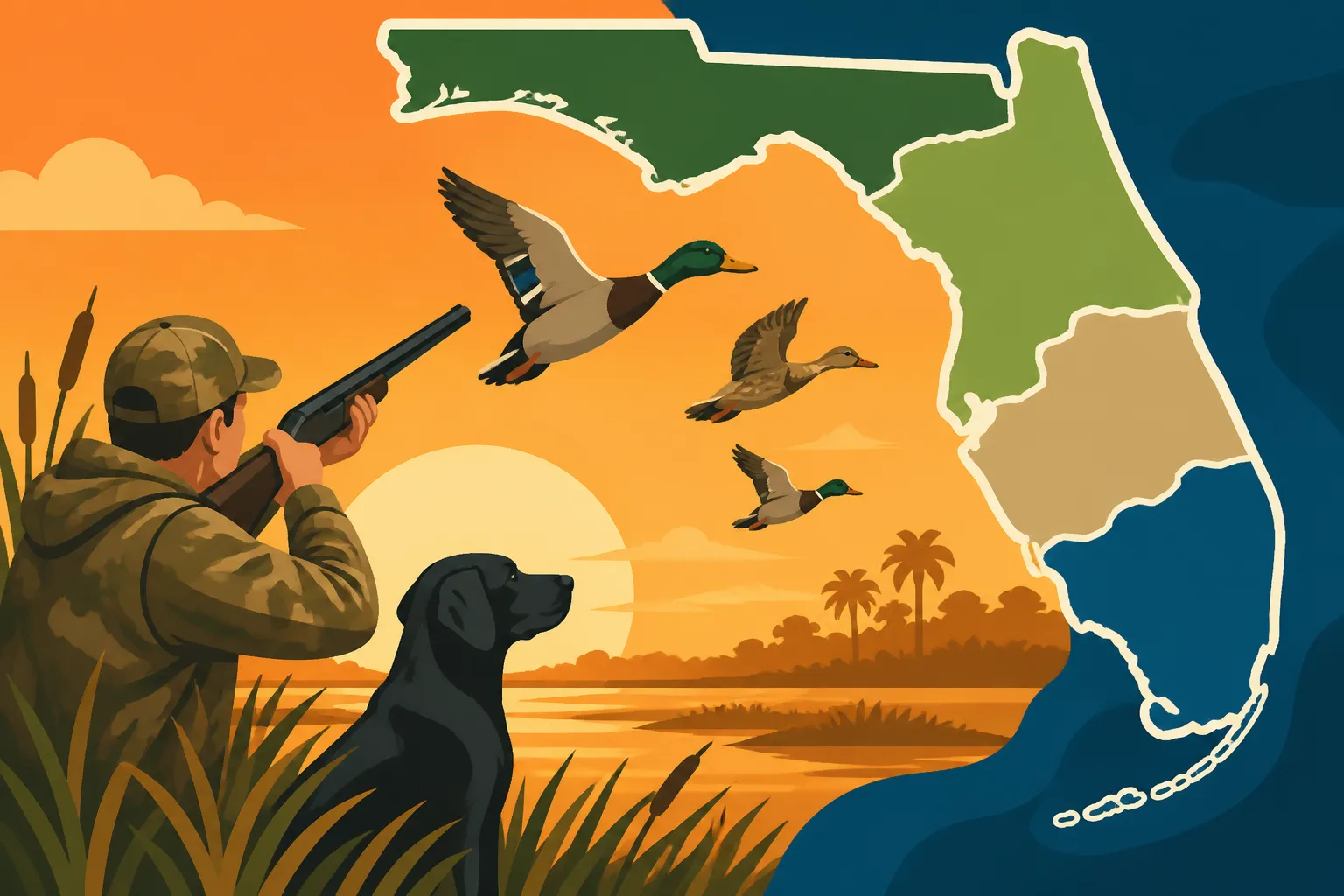
Florida is divided into three distinct waterfowl zones – North, Central, and South – each with its own specific season dates. This setup reflects the varying arrival and departure times of migratory birds across the state, as well as the unique habitat and resident bird populations in each region. Understanding which zone you're hunting in is absolutely critical for staying legal and maximizing your time in the marsh.
North Zone Duck and Goose Season Details
The North Zone covers Florida's Panhandle and a good chunk of North Central Florida. Typically, this zone sees the earliest main duck season opener, often with a split season that allows for hunting in late November and early December, then reopening for a longer stretch from mid-December through late January. This timing generally aligns with the arrival of more significant cold fronts pushing birds down from further north. Hunters in the North Zone often target Wood Ducks in flooded timber, Ring-necked Ducks on larger lakes and ponds, and various puddle ducks in agricultural areas. Given its proximity to states like Georgia and Alabama, this zone can sometimes see a better push of mallards and other northern species if weather conditions are right. Canada Geese are more commonly encountered here, particularly in farm fields.
Central Zone Duck and Goose Season Details
The Central Zone generally encompasses the middle portion of the Florida peninsula, from roughly Gainesville south to Lake Okeechobee. Like the North Zone, it often features a split season, though the dates typically start a bit later than the North Zone, usually in late November or early December, with a second segment running into late January or early February. The Central Zone is a melting pot of habitat, offering opportunities for both resident and migratory birds. Large lakes like Lake Kissimmee, Lake Tohopekaliga, and countless smaller marshes and cattle ponds are popular spots. Hunters here often find a diverse bag, including Ring-necked Ducks, Lesser Scaup, Green-winged Teal, and plenty of Wood Ducks. The resident Mottled Duck population is also a significant draw. Public land pressure can be high in this zone, especially on popular WMAs, so scouting and early arrival are key.
South Zone Duck and Goose Season Details
The South Zone covers the southern tip of Florida, including the Everglades and Big Cypress regions. This zone typically has the latest main duck season opener, often not starting until early to mid-December, and running through late January or early February. The later start reflects the delayed arrival of migratory birds to this extreme southern latitude, and also accounts for the dynamics of the local Mottled Duck population. Habitat in the South Zone is often vast and unique, dominated by expansive sawgrass marshes, cypress strands, and coastal estuaries. While many migratory species are present, the Mottled Duck is often the primary target for South Zone hunters. Access can be challenging, often requiring airboats or specialized vehicles, but the remote nature of some areas can offer incredible hunting experiences.
Canada Goose Season and Management
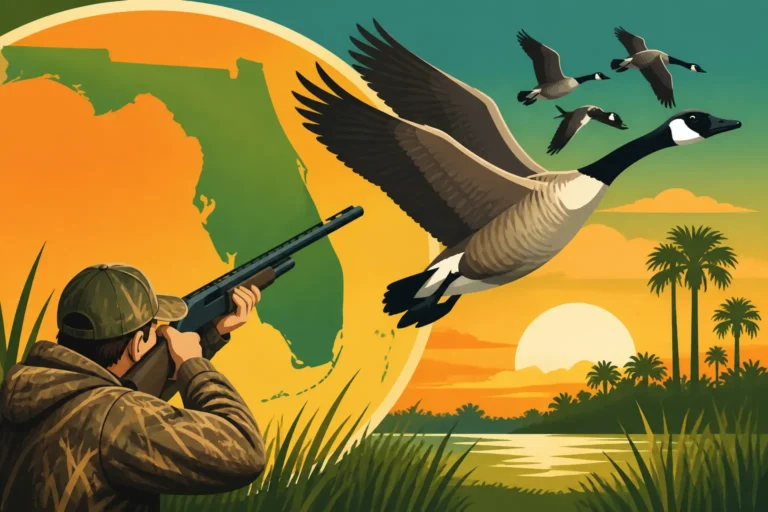
While not traditionally a "duck state," Florida does have opportunities for Canada Goose hunting. These birds are generally found in the North and Central Zones, concentrating in agricultural fields, pastures, and large bodies of water. The Canada Goose season usually runs concurrently with the regular duck season, but it's important to check for any specific bag limits or regulations. Most of the Canada Geese harvested in Florida are migratory birds, but some resident populations do exist. Targeting them often involves setting up in fields with large spreads of full-body goose decoys, similar to tactics used in other states. Always remember to clearly identify your target, as some conservation efforts focus on certain goose populations, and illegal harvest can lead to significant penalties.
Hunting Methods and Habitat for Florida Waterfowl
Florida's diverse landscape means waterfowl hunting here isn't a one-size-fits-all endeavor. From cypress swamps to coastal marshes to flooded fields, successful hunters adapt their methods to the specific habitat and the species they're pursuing.
Decoying and Blind Setups for Diverse Florida Habitats
Setting up a successful decoy spread in Florida is an art form that depends heavily on where you're hunting. In the famed cypress swamps and flooded timber, where Wood Ducks are kings, a smaller, natural-looking spread of half a dozen wood duck decoys, often placed in pockets of open water or along the edge of timber, can be highly effective. A spinning-wing decoy or two can be a game-changer here, mimicking landing birds. For more on this, check out Decoying Wood Ducks in a Cypress Slough.
In the expansive open marshes, common in much of Central and South Florida, larger spreads of mixed duck decoys are often employed, mimicking a natural raft of birds. These areas might require layout blinds or simple palmetto blinds brushed into existing vegetation, allowing you to remain hidden in flat terrain. When hunting flooded fields, especially those planted for doves or corn, a layout blind is almost a necessity to disappear into the stubble. The goal is always to create a natural-looking scene that draws birds within effective shooting range without making them wary.
Jump-Shooting and Pass-Shooting Techniques
While decoying is the primary method, Florida's unique geography also lends itself to other, more opportunistic hunting styles. Jump-shooting is a fantastic way to hunt smaller creeks, canals, and sloughs, especially for Wood Ducks and Mottled Ducks. This involves quietly walking or paddling along waterways, surprising birds that are loafing or feeding, and taking quick, ethical shots as they flush. It's an active and exciting way to hunt, but requires stealth and quick reflexes. To dive deeper into this method, consider reading about Jump-Shooting a Florida Creek.
Pass-shooting, though less common for ducks in Florida than for doves, can be effective in certain areas where birds are consistently moving between feeding and loafing areas. This might involve setting up along a flight path between a large lake and a smaller marsh, or where birds are crossing a dike or treeline. It requires excellent spatial awareness and patience, as you're waiting for birds to fly within range rather than actively drawing them in.
Reading the Water and Weather for Success
Florida's weather and water levels play a massive role in waterfowl hunting success. Unlike northern states where severe cold pushes birds, here, minor cold fronts, even just a few degrees drop, can trigger fresh migrations or push birds to new feeding grounds. Always keep an eye on weather patterns to the north, as a big cold snap up the flyway often means new birds for us.
Water levels, particularly on public lands or within the Everglades, are also critical. Too high, and birds can spread out across vast areas, making them hard to find. Too low, and feeding areas might disappear. Pay attention to local rainfall and FWC water management reports. Understanding how birds react to these changes – where they feed, where they loaf, where they fly – is key. If you're hunting a marsh, learning Reading a Marsh for a Morning Flight can give you a distinct advantage, as subtle cues in the environment often tell you where birds will be. This knowledge, combined with up-to-date mapping software like GoHunt, can help you identify changing habitat conditions and pinpoint the best locations for your hunt.
Understanding Bag Limits and Species Identification
Florida's waterfowl regulations include specific daily bag limits, which often vary by species. This means that not all ducks are created equal in the eyes of the law, and correctly identifying birds on the wing is a crucial skill every waterfowl hunter must develop. It’s not just about staying legal; it’s about responsible and ethical hunting.
Daily Bag Limits and Species Restrictions
The general daily bag limit for ducks in Florida is typically six birds, but this isn't a simple six of any duck. Within that overall limit, there are species-specific restrictions. For example, certain species like Pintails, Canvasbacks, and Black Ducks often have more restrictive bag limits (e.g., one or two per day). Wood Ducks, Green-winged Teal, and Ring-necked Ducks might have higher individual limits (e.g., two or three per day). Mottled Ducks often have a specific limit, and Lesser Scaup sometimes have varying limits depending on the time of the season.
These limits are set based on population statuses and conservation goals, so it’s imperative to consult the current Florida Migratory Bird Hunting Regulations each season to get the exact numbers. For a comprehensive overview, checking out Florida Duck Daily Bag Limit can provide a good starting point. Geese also have their own bag limits, usually separate from duck limits. Canada Geese, for example, typically have a bag limit of five per day. Failing to correctly identify a bird before shooting can easily lead to an over-limit violation for a restricted species, which carries significant penalties.
Identifying Ducks on the Wing
Developing the skill to identify ducks in flight takes practice, but it's absolutely essential. You need to be able to tell the difference between species quickly, often in low light or at a distance. Look for key characteristics:
- Size and Shape: Is it a large duck or a small duck? Does it have a long neck, a chunky body, or pointed wings?
- Flight Pattern: Does it fly fast and erratic like a teal, or with strong, direct wingbeats like a pintail? Does it dive or dabble?
- Wing Patches (Speculum): The color of the speculum (the patch on the secondary flight feathers) is a crucial identifier. Blue-winged Teal have a sky-blue patch, Green-winged Teal have iridescent green, and Wood Ducks have a colorful, multi-toned speculum.
- Vocalization: Different ducks make different sounds. A Wood Duck's squeal, a Mallard's quack, or a Pintail's whistle can often give them away.
It's a continuous learning process. Spend time watching ducks in the off-season, study field guides, and use binoculars to observe them. When hunting, focus on identifying species before you even raise your gun. If you're unsure, it's always best to let the bird pass. Remember, responsible hunting means knowing your target.
Public Land Waterfowl Hunting in Florida
Hunting public land for waterfowl in Florida is a fantastic opportunity, but it comes with its own set of challenges and rules. Florida has an extensive network of Wildlife Management Areas (WMAs) and other public lands that offer diverse waterfowl opportunities, from remote marshes to flooded impoundments.
Prominent Wildlife Management Areas for Waterfowl
Florida boasts several WMAs renowned for their waterfowl hunting. In Central Florida, areas like the Lake Kissimmee Chain of Lakes, T.M. Goodwin Waterfowl Management Area, and the Stormwater Treatment Areas (STAs) in South Florida are often highlighted. Lake Kissimmee, with its vast shallow waters and marsh edges, is a magnet for Ring-necked Ducks, Teal, and Mottled Ducks. T.M. Goodwin is specifically managed for waterfowl and can offer exceptional hunting on a quota basis. The STAs, particularly STA-1W and STA-2, are massive man-made wetlands that provide critical habitat and incredible hunting for a variety of species, though access is strictly controlled by quota.
In North Florida, areas within the Apalachicola National Forest and some of the smaller state forest WMAs can hold good numbers of Wood Ducks. The St. Johns River Water Management Area lands also offer scattered opportunities along the river basin. Each WMA is unique, with its own habitat types, access points, and specific regulations, making prior research essential.
Navigating Quota Hunts and Special Access Areas
Many of the most popular and productive public waterfowl hunting areas in Florida operate under a quota permit system. This means you can't just show up and hunt; you must apply for and be drawn for a specific hunt period or area. The application process typically opens well in advance of the season, and it's highly competitive for prime dates and locations like the STAs or T.M. Goodwin. Winning a quota permit often means you've secured access to some of the best hunting Florida has to offer, but it requires planning and a bit of luck.
For other WMAs, a general WMA permit might be sufficient, sometimes in addition to the state hunting license. It's vital to check the specific regulations for each WMA you plan to hunt, as rules regarding vehicle access, scouting periods, blind construction, and hunting hours can vary greatly. The FWC website and their yearly WMA brochures are invaluable resources. Tools like GoHunt can also help you understand the boundaries and features of these areas, making your scouting more efficient. Remember that on some public lands, like the Everglades Wildlife Management Area, specialized equipment like airboats might be needed to access the best spots.
Scouting and Pre-Season Preparation
Successful public land waterfowl hunting in Florida often hinges on thorough scouting. Because conditions can change rapidly – water levels fluctuate, birds move, and hunting pressure shifts – you can't just rely on last year's information. Before the season, spend time driving or paddling accessible areas, looking for concentrations of birds, identifying feeding areas, and noting potential blind locations. Use aerial maps and mapping apps, perhaps from a provider like GoHunt, to identify different habitat types, scout for flooded timber or open water, and mark areas where you've seen birds in the past.
Once you’ve identified a potential spot, consider how you’ll access it, especially in the dark. Public land often means longer walks, difficult terrain, or boat access challenges. Think about your entry and exit routes, minimizing disturbance, and how to retrieve downed birds efficiently. Having a plan for Scouting Florida Public Land Before Season is crucial. The more homework you do before the season, the better your chances of being in the right place at the right time when the birds finally commit.
Essential Gear and Tactics for Florida Waterfowl Hunters
Being prepared with the right gear and employing effective tactics are what turn a casual outing into a memorable waterfowl hunt in Florida. Our unique environment demands specific considerations, from decoy spreads to managing the relentless bugs.
Decoy Spreads and Calling Strategies for Florida
For many Florida waterfowl hunters, especially those chasing dabblers like Wood Ducks and Teal, a versatile decoy spread is key. Often, smaller, natural-looking spreads are more effective than massive rigs. A dozen or two mixed dabbler decoys, with a few Wood Duck decoys mixed in for swamp hunting, or a handful of teal decoys for early season, can work wonders. Many hunters find that adding motion decoys, like spinning-wing models from Mojo Outdoors, dramatically increases their success by adding lifelike movement that catches distant birds' attention. Placement is critical: typically, create an open landing zone in front of your blind, with decoys spread around the edges. For Wood Ducks in cypress sloughs, place them in pockets of open water within the timber.
Calling can be highly effective, but avoid over-calling, especially on pressured birds. A soft greeting call or a few contented quacks can be all you need to draw birds in. For Wood Ducks, a sharp "whistle" or "squeal" can bring them circling. Teal respond well to high-pitched quacks. Don't be afraid to experiment, and always pay attention to how the birds are reacting. Sometimes, silence is the best call of all.
Blind Options for Diverse Florida Habitats
Florida's varied waterfowl habitats require adaptable blind solutions. In the thick palmetto and marsh grasses, simply brushing in a natural ground blind with local vegetation often works best. For hunting flooded timber or cypress swamps, standing against a large tree or using a portable tree blind can offer concealment. On open marshes or flooded fields, layout blinds are incredibly effective, allowing you to disappear into the landscape and shoot from a comfortable, low profile position. These are especially useful in rice fields or dove fields during the later duck season splits. If you're interested in setting up a layout blind, you might find tips in Layout Blind Hunting Florida Rice Fields.
For boat access areas, a boat blind is a convenient option, allowing you to quickly set up and move if necessary. The key is to blend in completely with your surroundings. Ducks have incredible eyesight, and even a slight silhouette or unnatural shape can send them flaring away. Over-brush your blind, cover any shiny surfaces, and always approach your blind in the dark.
Hot Weather and Mosquito Management
This isn't the frozen tundra, folks. Florida's waterfowl seasons, especially the early teal season and the first split of the main duck season, can be brutally hot and humid. This means your gear choices and personal comfort become paramount. As mentioned before, lightweight, breathable waders or hip boots are a must. Dress in layers, opting for moisture-wicking materials. Hydration is not just recommended; it's critical. Carry ample water and drink frequently.
And then there are the mosquitoes. Oh, the mosquitoes! They can turn a pleasant hunt into a torturous ordeal. A Thermacell unit is almost indispensable for many Florida hunters, creating a mosquito-free bubble around your blind. Permethrin-treated clothing can also provide a strong line of defense. Don't forget a good head net and insect repellent for exposed skin. Without proper bug management, you might find yourself slapping more than shooting. It's all part of the Florida waterfowl experience!
Ensuring a Responsible and Ethical Waterfowl Hunt
As waterfowl hunters, we are often the front lines of conservation. Our commitment to ethical practices not only ensures the future of our sport but also reflects positively on the entire hunting community. Being a responsible waterfowl hunter in Florida goes beyond just following the rules; it's about respecting the game, the habitat, and our fellow hunters.
Ethical Shooting Distances and Retrieval
One of the cornerstones of ethical waterfowl hunting is knowing your effective shooting range and sticking to it. Sky-busting — shooting at birds that are too far away — leads to wounded birds that are rarely recovered and wastes ammunition. Most experienced hunters agree that 30-40 yards is the maximum ethical range for waterfowl with modern shotshells. Practice shooting doves or clay targets to understand your shotgun's capabilities and your personal limitations. Only take shots when birds are committed, cupped, and within that kill zone.
Rapid and efficient retrieval of downed birds is equally important. This is where a good retriever dog truly shines. A well-trained dog will reduce crippling losses and ensure that every bird shot is recovered. If you don't have a dog, mark the fall carefully, and be prepared to wade or use a boat to retrieve your birds immediately. In Florida's thick vegetation and deep water, a lost bird is a common and unfortunate occurrence without diligent retrieval efforts. Being able to track a deer in sandy Florida soil is one thing, but finding a teal in sawgrass is a whole different challenge!
Conservation and Supporting Waterfowl Populations
Every time you purchase a hunting license, a Federal Duck Stamp, or a Florida Migratory Bird Permit, you are directly contributing to waterfowl conservation. These funds are vital for habitat acquisition, wetland restoration, research, and population monitoring programs. Hunters are the primary funding source for these initiatives, which benefit not only ducks and geese but countless other wetland species.
Beyond financial contributions, active participation in conservation efforts matters. Supporting organizations like Ducks Unlimited or local conservation groups helps ensure that prime waterfowl habitat is protected and enhanced. Being a vocal advocate for sound wildlife management practices is also critical. Understanding programs like Florida Waterfowl Banding Programs and how they help biologists make informed decisions about bag limits and seasons highlights the importance of data-driven conservation. Remember, our actions in the field and our support off the field directly impact the health of waterfowl populations for generations to come. It’s a legacy we all share.
Disclaimer
Please be aware that hunting regulations, season dates, and license requirements are subject to change. Always consult the most current Florida Fish and Wildlife Conservation Commission (FWC) regulations before planning and embarking on any hunting trip. This guide is for informational purposes only and should not be considered a substitute for official FWC publications.